


A classic vichyssoise for chilled soup season
When summer settles over the garden, a bowl of cold soup can be more satisfying than a heavy meal. Vichyssoise, the classic chilled potato and leek soup, has a quietly luxurious character: velvety texture, gentle onion sweetness, and enough cream to make each spoonful feel special without becoming cumbersome.
The recipe is simple, but its success depends on careful cooking. Leeks should soften slowly rather than brown, potatoes need to become tender without falling apart in excess water, and the finished soup must be seasoned generously enough to taste lively when cold. Chilling dulls salt and aroma, so the final adjustment matters.
This is the kind of dish that fits both a garden lunch and an elegant dinner. It can be prepared a day ahead, served in small cups as a first course, or ladled into wide bowls with herbs, crisp vegetables, or a drizzle of good olive oil. Its pantry-friendly ingredients also make it a useful recipe when the refrigerator is between seasons.
Why this chilled soup remains a classic
Vichyssoise is traditionally made with leeks, potatoes, stock, cream, and a little butter. The vegetables are cooked until tender, blended until smooth, and served cold. Its restrained flavor is part of the appeal: the soup tastes refined because each ingredient is allowed to contribute something distinct.
The name suggests French origins, although the dish is strongly associated with Louis Diat, a French chef who worked at the Ritz-Carlton in New York. He is often credited with popularizing the cold leek and potato soup in the early twentieth century. His inspiration reportedly came from a warm potato and leek soup remembered from childhood, cooled for summer service.
That history feels fitting. Vichyssoise belongs equally to classic restaurant cooking and practical home kitchens. It is a recipe built from humble vegetables, yet technique transforms them into something smooth, elegant, and deeply comforting.
Choosing ingredients with care
Use firm, floury or all-purpose potatoes that break down easily when cooked. Yukon Gold potatoes bring a buttery flavor and naturally creamy texture, while russets create a lighter, silkier purée. Avoid waxy potatoes if possible; they can make the soup feel slightly gluey after blending.
Look for leeks with long white and pale green sections and crisp leaves. Much of a leek can hide grit, so split each one lengthwise and rinse thoroughly between the layers. A few sandy particles can ruin an otherwise smooth soup. Trim away the dark green tops, but save them for stock if they are fresh and clean.
A mild chicken stock gives the most rounded flavor, while vegetable stock keeps the soup vegetarian. Homemade stock is lovely, though a good low-sodium carton works well because it lets you control the salt. Heavy cream adds traditional richness, but half-and-half or crème fraîche can be used for a lighter or tangier finish.
For a batch serving six, gather:
- 4 large leeks, cleaned and thinly sliced
- 2 tablespoons unsalted butter
- 1 ½ pounds potatoes, peeled and diced
- 5 cups low-sodium stock
- ¾ cup heavy cream
- 1 bay leaf
- 2 sprigs thyme
- Kosher salt and white pepper
- 1 tablespoon lemon juice or dry sherry, optional
- Chives, parsley, or olive oil for serving
Building a smooth and savory base
Melt the butter in a heavy pot over medium-low heat. Add the leeks and a generous pinch of salt, then cook for 10 to 15 minutes, stirring often, until soft and translucent. Keep the heat moderate. Browning creates a deeper flavor, but it also changes the pale, delicate character that defines this soup.
Add the potatoes, stock, bay leaf, and thyme. Bring the mixture just to a simmer, then lower the heat. Cook uncovered or partially covered until the potatoes are tender when pierced with a knife, usually 18 to 25 minutes. Do not boil aggressively; vigorous cooking can make the potatoes release excess starch.
Remove the herbs before blending. An immersion blender makes the process easy directly in the pot, though a countertop blender produces an especially polished texture. If using a blender, work in batches, remove the center cap, and cover the opening with a folded kitchen towel to allow steam to escape. Hot liquid expands quickly and can cause dangerous splattering.
Blend only until smooth. Overworking potatoes can turn them stretchy, so stop as soon as the soup reaches a creamy consistency. For a restaurant-style finish, pass it through a fine-mesh strainer. This step is optional, but it removes any fibrous leek strands and creates a remarkably delicate texture.
Cooling, seasoning, and serving
Let the blended soup cool slightly before stirring in the cream. Transfer it to a shallow container, cover, and refrigerate until thoroughly cold, preferably for at least four hours. Cooling the soup in a shallow vessel helps it reach a safe temperature more quickly than leaving a full stockpot on the counter.
Taste it again after chilling. Cold temperatures soften the perception of salt, acid, and aromatics, so the soup may need a final pinch of salt and a few drops of lemon juice or dry sherry. The acid should not make the soup sour. Its purpose is to sharpen the leeks and keep the cream from tasting flat.
Serve vichyssoise in chilled bowls, glasses, or small cups. Garnish with finely sliced chives, a few drops of cream, cracked white pepper, or a thread of grassy olive oil. A little contrast is welcome, so consider adding crisp croutons, fried leek ribbons, diced cucumber, or a spoonful of cultured cream.
For a full warm-weather menu, serve small portions before a lighter entrée. The bright acidity and fresh crunch of this Thai green papaya salad can also offer a lively counterpoint if you are arranging several chilled dishes for a relaxed gathering.
Comparing classic choices and modern adjustments
The traditional version is wonderfully adaptable without losing its identity. Small changes can shift the soup toward a lighter lunch, a more luxurious first course, or a dairy-free bowl. The table below shows how each adjustment affects the finished dish.
| Choice | Effect on flavor and texture | Best use |
|---|---|---|
| Yukon Gold potatoes | Buttery, dense, naturally creamy | A rich but balanced classic |
| Russet potatoes | Light, fluffy, smooth when handled gently | A delicate, airy purée |
| Chicken stock | Savory and rounded | A traditional dinner course |
| Vegetable stock | Clean and mild | A vegetarian summer menu |
| Heavy cream | Full-bodied and luxurious | Small portions or formal service |
| Half-and-half | Creamy but less heavy | Lunch and everyday cooking |
| Crème fraîche | Tangy with a subtle cultured note | A more modern garnish or finish |
| Olive oil instead of butter | Fruity and slightly greener | Dairy-free preparation |
| Cucumber garnish | Cool, crisp, and refreshing | Very hot weather |
| Crispy leek topping | Sweet, savory, and textural | A more dramatic presentation |
If you want a dairy-free soup, sauté the leeks in olive oil and finish with additional olive oil, unsweetened oat cream, or a small amount of coconut cream. Coconut adds a recognizable flavor, so use it only if that direction suits the meal. A spoonful of white miso can provide depth, though it will move the dish away from the most traditional profile.
For a more rustic version, reserve a cup of cooked potatoes and leeks before blending. Stir them back into the purée for gentle texture. This approach is especially pleasant when the soup is served as a light supper rather than a formal first course.
Garnishes, pairings, and menu ideas
The best garnish should add contrast rather than compete with the soup. Chives are classic because their mild onion flavor echoes the leeks. Dill, tarragon, parsley, and chervil bring different personalities, while finely diced celery or cucumber contributes freshness and crunch.
A glass of dry white wine suits the soup beautifully. Chablis, unoaked Chardonnay, Muscadet, and dry Chenin Blanc all have enough acidity to balance the cream. A crisp sparkling wine works well for a dinner party, especially when the soup is served in small portions. Avoid wines with heavy oak or pronounced sweetness, which can make the dish feel dense.
Bread is a natural companion. Serve thin slices of sourdough, a warm baguette, or crisp seeded crackers. If the meal needs more substance, look toward grilled fish, roast chicken, or the lighter dishes gathered among these entree recipes. Vichyssoise also pairs nicely with a composed plate of tomatoes, green beans, or simply dressed summer greens.
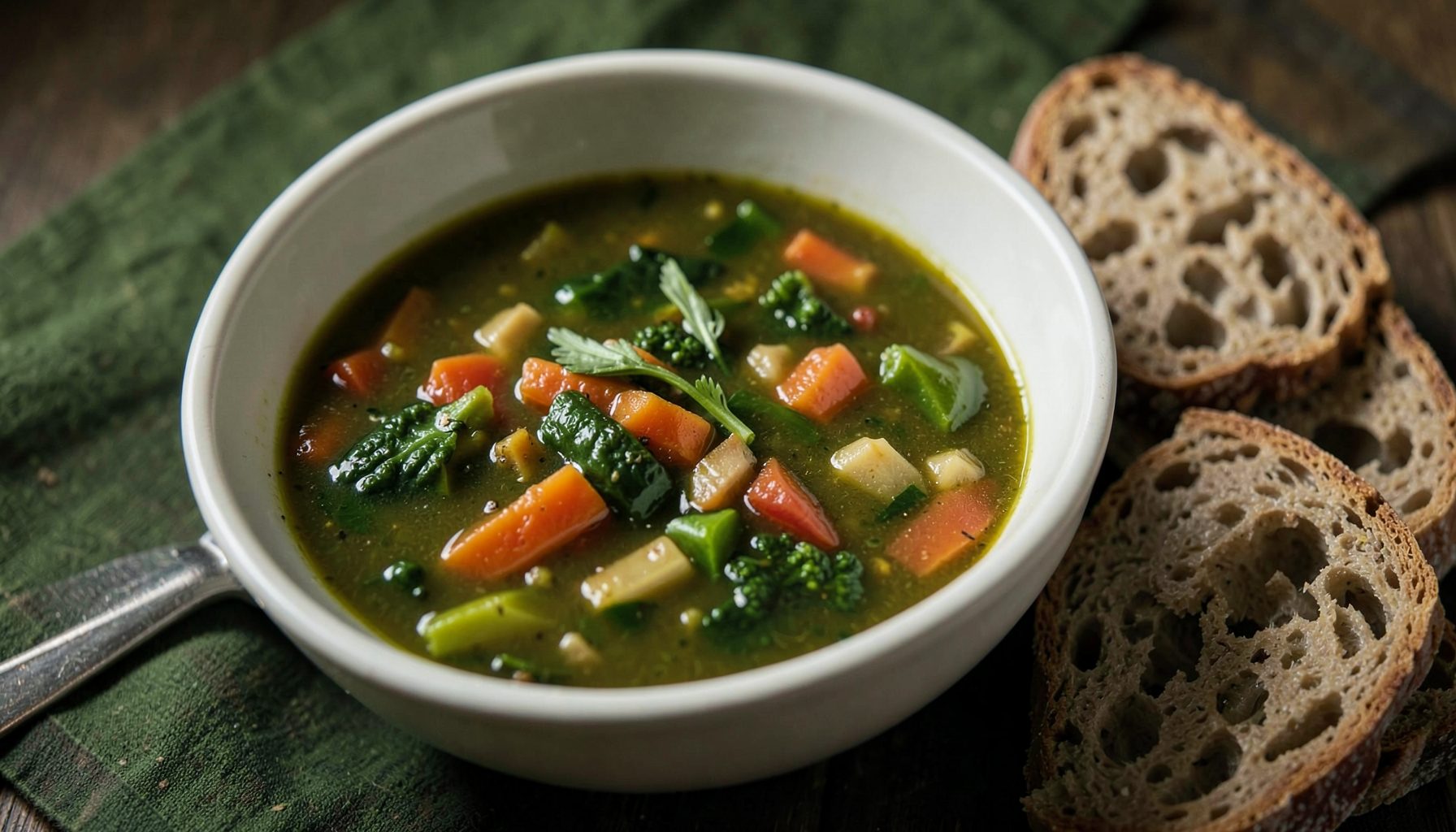
For entertaining, pour the soup into small glasses and garnish each serving individually. This turns a familiar recipe into an appealing passed appetizer. A shallow white bowl creates a classic presentation, while a dark ceramic bowl makes the pale soup and green herbs stand out.
Preparing it ahead without losing freshness
Vichyssoise is an excellent make-ahead dish because the flavors settle as it rests. Prepare it one day before serving, refrigerate it in a sealed container, and stir well before seasoning. The surface may thicken slightly, but a splash of cold stock or cream will restore the ideal consistency.
Store the soup for up to three days in the refrigerator. Keep garnishes separate so herbs remain bright and crisp toppings do not soften. If you plan to freeze it, leave out the cream until thawing and reheating; dairy can separate during freezing. Even then, the texture may be less refined than a freshly chilled batch.
Although it is traditionally served cold, the soup can be enjoyed cool rather than icy. Remove it from the refrigerator 10 to 15 minutes before serving, especially if your refrigerator is very cold. This brief rest allows the leek, butter, and herb flavors to become more expressive.
A well-made vichyssoise should pour smoothly, taste gently savory, and finish cleanly. If it seems heavy, add a little stock and lemon. If it tastes thin, chill it longer before making drastic adjustments. If the potato flavor dominates, more salt and a touch of acid will usually bring the leeks back into focus.
Practical recommendations for a better bowl
- Clean leeks thoroughly, then let them drain before slicing so excess water does not dilute the sauté.
- Cook the leeks slowly in butter or olive oil; pale, tender vegetables create a more elegant soup than browned ones.
- Simmer the potatoes gently and blend only until smooth to avoid a gummy texture.
- Season twice: once while cooking and again after the soup is completely cold.
- Keep garnishes fresh and contrasting, using herbs, crisp vegetables, or toasted bread for texture.
Bring this classic chilled soup to the table when leeks and potatoes are plentiful, or keep the recipe in reserve for the next hot afternoon that calls for something cool and composed. Make a batch, let it rest overnight, and serve it with thoughtful garnishes, a crisp glass of wine, and bread warm from the oven.