
A Cozy Lentil and Ham Soup with Carrots and Celery
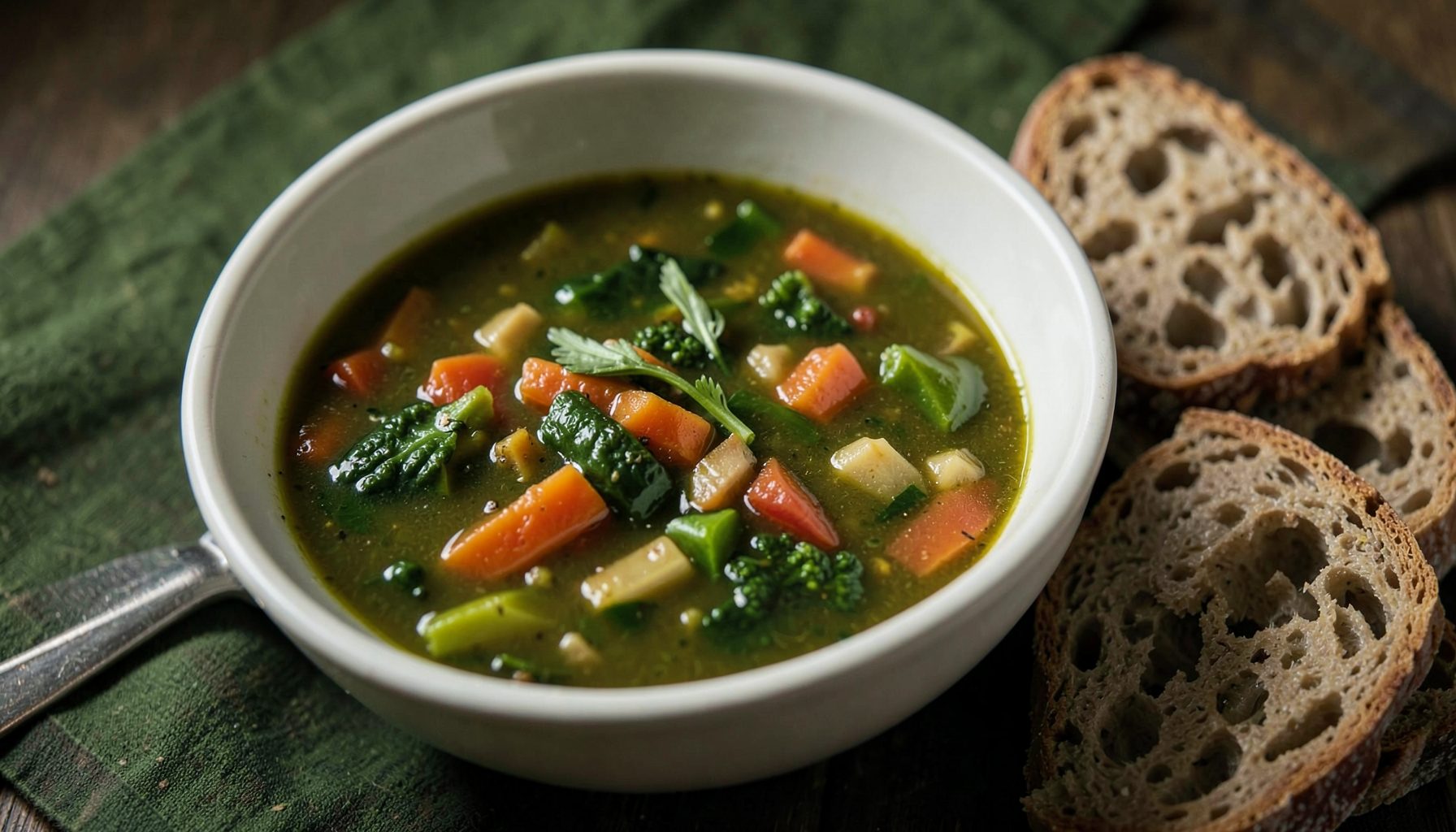
A pot of lentil and ham soup has the kind of welcome that makes a kitchen feel warmer before anyone takes the first bite. Dried lentils simmer into a tender, earthy base while carrots and celery add sweetness, freshness, and gentle texture. Ham brings a savory depth that turns humble pantry ingredients into a satisfying meal.
This is a practical soup for a quiet weekend, a chilly evening, or the day after a holiday ham. A meaty ham hock or leftover ham bone gives the broth a rounded, smoky flavor, while diced ham added near the end keeps a few hearty pieces in every bowl. If you have no bone available, a thick slice of smoked ham still adds plenty of character.
The method is straightforward, but a few thoughtful details make the difference. Rinse the lentils, build flavor before adding the liquid, and season gradually as the ham may already be salty. The result is a rustic farmhouse soup that tastes even better after a night in the refrigerator.
Why This Soup Works
Green or brown lentils are especially well suited to soup because they soften without completely disappearing. They create a lightly thickened broth while retaining enough shape to give the dish substance. Red lentils can be used in a pinch, but they break down quickly and produce a smoother, almost puréed texture.
Carrots contribute mellow sweetness, and celery adds a clean, herbal note that keeps the soup from feeling heavy. Onion and garlic form the aromatic foundation, while bay leaf, thyme, and black pepper complement the smoky ham. A small amount of tomato paste can deepen the broth with savory richness, though it is optional.
The best texture comes from cutting the vegetables into similar, bite-sized pieces. They cook evenly and make each spoonful balanced. A final splash of cider vinegar or fresh lemon juice brightens the pot and sharpens the flavors after the long simmer.
Ingredients And Useful Swaps
For six generous servings, gather one tablespoon of olive oil, one medium yellow onion, two carrots, two celery stalks, and three garlic cloves. Dice the vegetables finely enough to fit comfortably on a soup spoon, but not so small that they vanish during cooking.
You will also need one and a half cups of rinsed green or brown lentils, eight cups of chicken stock or water, one ham hock or meaty ham bone, and one to two cups of diced cooked ham. Add one bay leaf, one teaspoon of dried thyme, half a teaspoon of smoked paprika if desired, and freshly ground black pepper.
If the soup needs to be gluten-free, the basic recipe already fits the requirement as long as the stock and ham are certified gluten-free. For a lighter version, use a lean ham steak and remove visible fat from the broth. A few handfuls of chopped kale or spinach can be stirred in during the final minutes.
| Ingredient | Purpose | Practical alternative |
|---|---|---|
| Green or brown lentils | Earthy body and tender texture | French lentils for a firmer bite |
| Ham hock or bone | Smoky depth and gelatin | Smoked ham steak or diced country ham |
| Carrots and celery | Sweetness, freshness, and color | Parsnip and fennel |
| Chicken stock | Full, savory broth | Vegetable stock or water |
| Bay leaf and thyme | Gentle herbal warmth | Rosemary, marjoram, or Italian seasoning |
| Cider vinegar or lemon | Final brightness | Sherry vinegar |
A vegetarian variation is easy to make. Replace the ham with a teaspoon of smoked paprika, a spoonful of tomato paste, and a splash of soy sauce or tamari. Use vegetable stock and finish with olive oil or grated Parmesan for extra depth.
Building The Flavor In Layers
Warm the olive oil in a heavy Dutch oven or soup pot over medium heat. Add the onion, carrots, and celery with a small pinch of salt. Cook for eight to ten minutes, stirring occasionally, until the onion is translucent and the vegetables begin to soften. This first step deserves patience because it develops sweetness and gives the broth a more rounded flavor.
Stir in the garlic, tomato paste if using, thyme, smoked paprika, and black pepper. Cook for about one minute, just until the garlic smells fragrant and the tomato paste darkens slightly. Avoid browning the garlic, which can make the finished soup taste bitter.
Add the rinsed lentils and stir so they are coated with the aromatic vegetables. Pour in the stock, then add the ham hock and bay leaf. Bring the soup to a gentle boil, reduce the heat, and partially cover the pot. A calm simmer is preferable to vigorous bubbling; it keeps the lentils intact and helps the ham release its flavor gradually.
Simmer for 35 to 50 minutes, depending on the age and variety of the lentils. Stir every so often and add a little water or stock if the soup becomes thicker than you prefer. When the lentils are tender, remove the ham hock and bay leaf. Pull any meat from the bone, shred it, and return it to the pot along with the diced ham.
Finishing The Pot With Balance
Taste the soup only after the ham has been added back in. Smoked and cured meats vary widely in saltiness, so adding salt too early can lead to an overly seasoned broth. Adjust with salt in small amounts, then add a teaspoon or two of cider vinegar or lemon juice. The acidity should be subtle, lifting the flavors rather than making the soup taste sour.
For a thicker consistency, mash a cupful of lentils and vegetables against the side of the pot with a wooden spoon. You can also blend one or two ladles of soup and stir the mixture back in. This creates a creamy impression without adding dairy.
Serve the soup hot with chopped parsley, sliced scallions, or a drizzle of extra-virgin olive oil. Crusty bread is an ideal companion because it catches the smoky broth. A simple green salad adds contrast, while a sharp mustard vinaigrette echoes the savory ham.
A bowl of this soup also pairs beautifully with a casual spread of pickles, cheese, and cured meats. For ideas on arranging those flavors for a gathering, this guide to building a charcuterie board offers useful inspiration without making the meal feel fussy.
Timing, Storage, And Reheating
Lentil soup often improves after resting overnight. The lentils continue to absorb the broth, and the ham flavor settles into the vegetables. If the soup thickens too much in the refrigerator, loosen each portion with stock or water while reheating.
Cool leftovers promptly and store them in an airtight container for up to four days. Reheat gently on the stovetop over medium-low heat, stirring occasionally. A microwave works well for individual bowls, but cover the container loosely and stir halfway through so the center heats evenly.
The soup freezes successfully for up to three months. Let it cool completely before transferring it to freezer-safe containers, leaving room for expansion. Thaw it in the refrigerator overnight when possible. If the texture seems dense after freezing, add stock and a fresh splash of vinegar during reheating.
For meal preparation, cook the soup through the lentil stage, then reserve some of the diced ham for adding when individual portions are reheated. This preserves a pleasant contrast between tender vegetables and meaty pieces.
Simple Ways To Serve It
This is a complete meal, but small accompaniments can shift its character. Toasted sourdough rubbed with garlic makes it feel rustic and substantial. Cornbread brings a touch of sweetness, while rye bread emphasizes the smoky, earthy notes of the lentils.
A spoonful of plain yogurt or sour cream can soften the broth, especially when the soup includes smoked paprika. For a brighter finish, use chopped parsley, dill, or celery leaves. A few drops of chili oil add warmth without changing the basic character of the dish.
If you are serving a larger meal, keep the portions modest and follow the soup with roasted vegetables or a crisp salad. The lemony flavors in these roasted cauliflower steaks would bring a lively contrast to the deep, savory broth.
Kitchen Notes For A Better Batch
- Rinse lentils under cool water and pick out any small stones or shriveled pieces before cooking.
- Use unsalted or low-sodium stock when possible so the ham remains under your control.
- Keep the soup at a gentle simmer; boiling can split the lentils and make the vegetables mushy.
- Add leafy greens, fresh herbs, or cooked pasta only near the end so they retain their texture.
- Finish with acidity after adjusting the salt, since brightness can make the seasoning taste more complete.
A cozy soup like this rewards attention without demanding complicated technique. Start with the vegetables, let the lentils and ham share a slow simmer, and taste thoughtfully at the finish. Make a pot for the next cold evening, serve it with good bread, and save a portion for tomorrow when the flavors will be even more settled and generous.