Quick Dessert Sauces for Caramel, Chocolate, and Berry Coulis
A warm dessert sauce can turn a simple scoop of ice cream, a slice of pound cake, or a bowl of fresh fruit into something memorable. The best versions do not require complicated equipment or a long ingredient list. With a saucepan, a whisk, and a few dependable pantry staples, you can make a glossy caramel, a smooth chocolate sauce, or a bright berry coulis in minutes.
These sauces also offer an easy way to cook with the seasons. Brown sugar and butter bring warmth to autumn desserts, dark chocolate adds depth throughout the year, and berries create a fresh, colorful finish when fruit is plentiful. Each sauce has its own personality, texture, and ideal pairings.
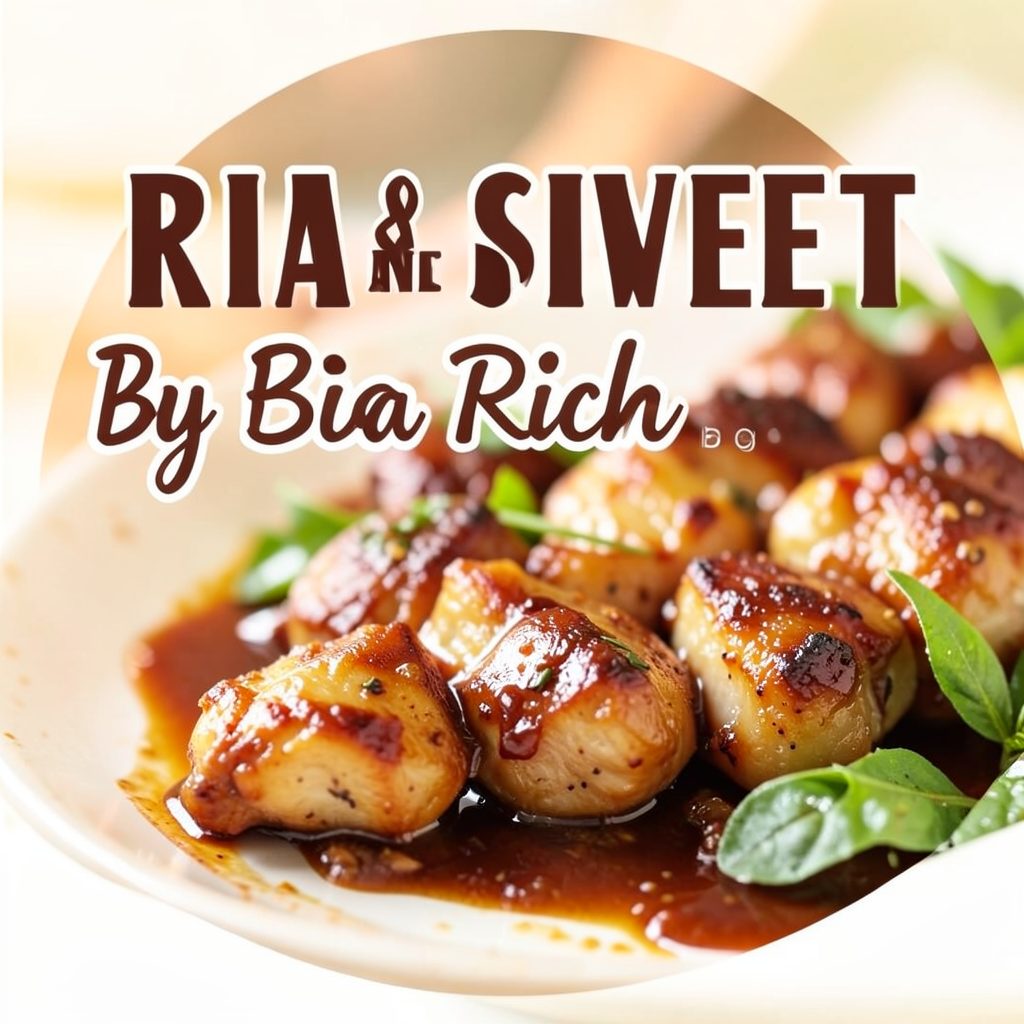
The techniques below draw on the kind of practical kitchen wisdom that makes home cooking feel more intuitive. As with the recipes and stories at Bia Rich’s kitchen, the goal is to build confidence while leaving room for taste, timing, and personal style.
The Building Blocks Of A Good Sauce
Most dessert sauces rely on a small group of ingredients: fat, sugar, liquid, flavorings, and sometimes a thickener. Butter gives caramel richness, cream softens its texture, and chocolate contributes both body and intensity. Berry coulis usually depends on fruit, sugar, and a little acid to keep the flavor lively.
Temperature matters as much as ingredients. A sauce that looks thin in the pan may thicken as it cools, while an over-reduced sauce can become sticky or heavy. Remove the pan from the heat just before the texture reaches the consistency you want, especially when working with caramel or chocolate.
Taste as you go when it is safe to do so, but remember that hot sugar mixtures are dangerously hot. A silicone spatula is useful for scraping the sides and corners of the pan, while a whisk helps emulsify cream, butter, or melted chocolate into a smooth finish.
Fast Caramel With Deep Flavor
For a simple caramel sauce, combine sugar with a small amount of water in a light-colored saucepan. The water helps the sugar dissolve evenly, while the pale pan lets you see the color develop. Cook over medium heat without stirring once the sugar begins to boil. Instead, gently swirl the pan if one area colors faster than another.
When the syrup reaches a deep amber shade, carefully whisk in warm cream. The mixture will bubble forcefully, so add the cream gradually and keep your hand away from the rising steam. Once the bubbling settles, whisk in butter and a pinch of salt. A teaspoon of vanilla, a splash of bourbon, or a little espresso can add another layer of flavor.
Salted caramel should taste balanced rather than aggressively salty. Start with a small pinch, then add more after the sauce has cooled slightly. If the finished caramel is too thick, loosen it with a tablespoon of warm cream. If it is too thin, return it to low heat for a minute or two, stirring continuously.
Silky Chocolate Sauce Without Fuss
Chocolate sauce is especially forgiving when made with chopped chocolate, cream, and a small amount of butter. Heat the cream until it is steaming but not boiling, then pour it over the chocolate. Let the mixture stand for a minute before whisking from the center outward. This creates a smooth emulsion instead of a greasy or grainy sauce.
Use semisweet or bittersweet chocolate for a sauce with enough depth to balance sweet desserts. Milk chocolate works well when paired with tart fruit, coffee, or a less-sweet cake, but reduce any added sugar because the chocolate already contains more sweetness.
A little salt intensifies the chocolate flavor, and vanilla gives the sauce a rounded finish. For a mocha variation, stir in instant espresso powder. A teaspoon of orange liqueur, peppermint extract, or cinnamon can shift the sauce toward a particular dessert without changing the method.
Bright Berry Coulis For A Fresh Finish
Berry coulis is a fruit sauce made by gently cooking berries with sugar and then blending or straining the mixture. Strawberries, raspberries, blueberries, blackberries, and cherries all work well. Frozen fruit is a practical choice when fresh berries are out of season, and it often produces excellent flavor because it was frozen at peak ripeness.
Place the fruit in a saucepan with sugar and a squeeze of lemon juice. Cook just until the berries soften and release their juices. Overcooking can dull the color and make the sauce taste jammy, so keep the simmer brief. Blend the fruit until smooth, then strain it through a fine-mesh sieve if you want a polished restaurant-style texture.
The amount of sugar depends on the fruit. Raspberries and blackberries may need a little more than ripe blueberries or strawberries, while cherries benefit from lemon juice to sharpen their flavor. For a more complex coulis, add a few leaves of basil or mint during cooking, then remove them before blending.
| Sauce | Main Ingredients | Typical Cooking Time | Best Uses | Flavor Direction |
|---|---|---|---|---|
| Caramel | Sugar, cream, butter, salt | 10–15 minutes | Ice cream, apples, cheesecake, cake | Rich, buttery, toasted |
| Chocolate | Chocolate, cream, butter, salt | 5–8 minutes | Brownies, profiteroles, bananas, pancakes | Deep, smooth, bittersweet |
| Berry coulis | Berries, sugar, lemon juice | 8–12 minutes | Panna cotta, custard, cheesecake, meringue | Bright, fruity, tart |
Pairing Sauces With Desserts
Caramel loves contrast. Drizzle it over vanilla ice cream with toasted nuts, spoon it onto baked apples, or use it to finish a warm bread pudding. Its buttery sweetness also pairs naturally with bananas, pears, pumpkin, and desserts containing brown sugar or warm spices.
Chocolate sauce is especially good with textures that offer contrast, such as crisp cookies, toasted almonds, or crunchy pastry. Pour it over cheesecake, dip strawberries into it, or serve it alongside a flourless chocolate cake for an especially rich presentation. A thin ribbon is usually enough; too much can overwhelm delicate desserts.
Berry coulis brings acidity and color to creamy or lightly sweet dishes. Use it with panna cotta, rice pudding, cheesecake, meringue, or plain yogurt. It can also be layered into a parfait or swirled through whipped cream. After serving a rich meal from the seasonal entrees, a tart berry sauce can provide a refreshing finish.
Fixing Texture And Flavor Problems
A grainy caramel often results from sugar crystals forming on the sides of the pan. Keeping the pan clean, avoiding unnecessary stirring, and adding a little corn syrup or honey can reduce that risk. If crystals appear after the cream is added, gentle reheating and steady whisking may help smooth the sauce.
Chocolate sauce can split if it becomes too hot or if the liquid and fat fail to emulsify. Remove it from the heat and whisk in a teaspoon of warm cream. An immersion blender can rescue a stubborn sauce, though careful whisking is usually enough for a small batch.
Berry coulis can be corrected easily. If it tastes flat, add lemon juice; if it is too sharp, add sugar a teaspoon at a time. A thin coulis can be simmered briefly to concentrate it, while a thick one can be loosened with water, fruit juice, or a spoonful of liqueur. Always strain after adjusting if you want a smooth, elegant texture.
Storing And Reheating Homemade Sauces
Cool dessert sauces slightly before transferring them to clean jars or airtight containers. Caramel and chocolate sauce will usually keep in the refrigerator for up to two weeks, while berry coulis is best used within several days. Labeling the container with the date makes it easier to keep track of freshness.
Reheat gently in a saucepan over low heat or in short bursts in the microwave. Stir between each interval, and add a teaspoon or two of cream, milk, or water if the sauce has become too thick. Never bring chocolate sauce to a full boil, since excessive heat can make it dull or separated.
For entertaining, make the sauces ahead and serve them in small pitchers or squeeze bottles. Warm caramel and chocolate just before serving, but berry coulis can be served chilled, cool, or at room temperature. A few sauces prepared in advance can make a casual dessert feel carefully composed without creating last-minute work.
Simple Ways To Build A Dessert Sauce Bar
A sauce bar is an easy way to let everyone customize a dessert. Start with one creamy base, such as vanilla ice cream, cheesecake, pound cake, or sliced bananas. Add two or three sauces, then offer toppings with different textures: chopped nuts, toasted coconut, crushed cookies, whipped cream, fresh fruit, and flaky salt.
Keep the flavors balanced. If the main dessert is very sweet, choose berry coulis or a bittersweet chocolate sauce. If the dessert is plain or lightly sweetened, caramel can provide richness and warmth. A spoonful of berry sauce beside chocolate or caramel also creates contrast and keeps each bite from feeling heavy.
A few finishing details make a difference. Warm the serving plates, use a small spoon for controlled drizzling, and wipe the rim of each plate before serving. A simple zigzag, pool, or small dot of sauce looks intentional. The sauce should enhance the dessert rather than cover it completely.
Practical Sauce-Making Habits
- Measure all ingredients before heating sugar or chocolate, since these sauces move quickly once they reach the right temperature.
- Use low to medium heat after adding cream, butter, or chocolate to protect the texture.
- Add salt and acid gradually, tasting after each small adjustment.
- Make sauces slightly looser than your final goal because most will thicken as they cool.
- Strain berry sauces when you want a smooth finish, especially for custards and elegant plated desserts.
Keep one caramel, chocolate sauce, or berry coulis in your regular dessert rotation, and you will always have a way to give a simple sweet course more character. Begin with the method that suits what is already in your pantry, then experiment with citrus zest, spices, coffee, fresh herbs, or a splash of spirits. Set a saucepan on the stove, choose a dessert to transform, and let a few thoughtful ingredients do the finishing work.