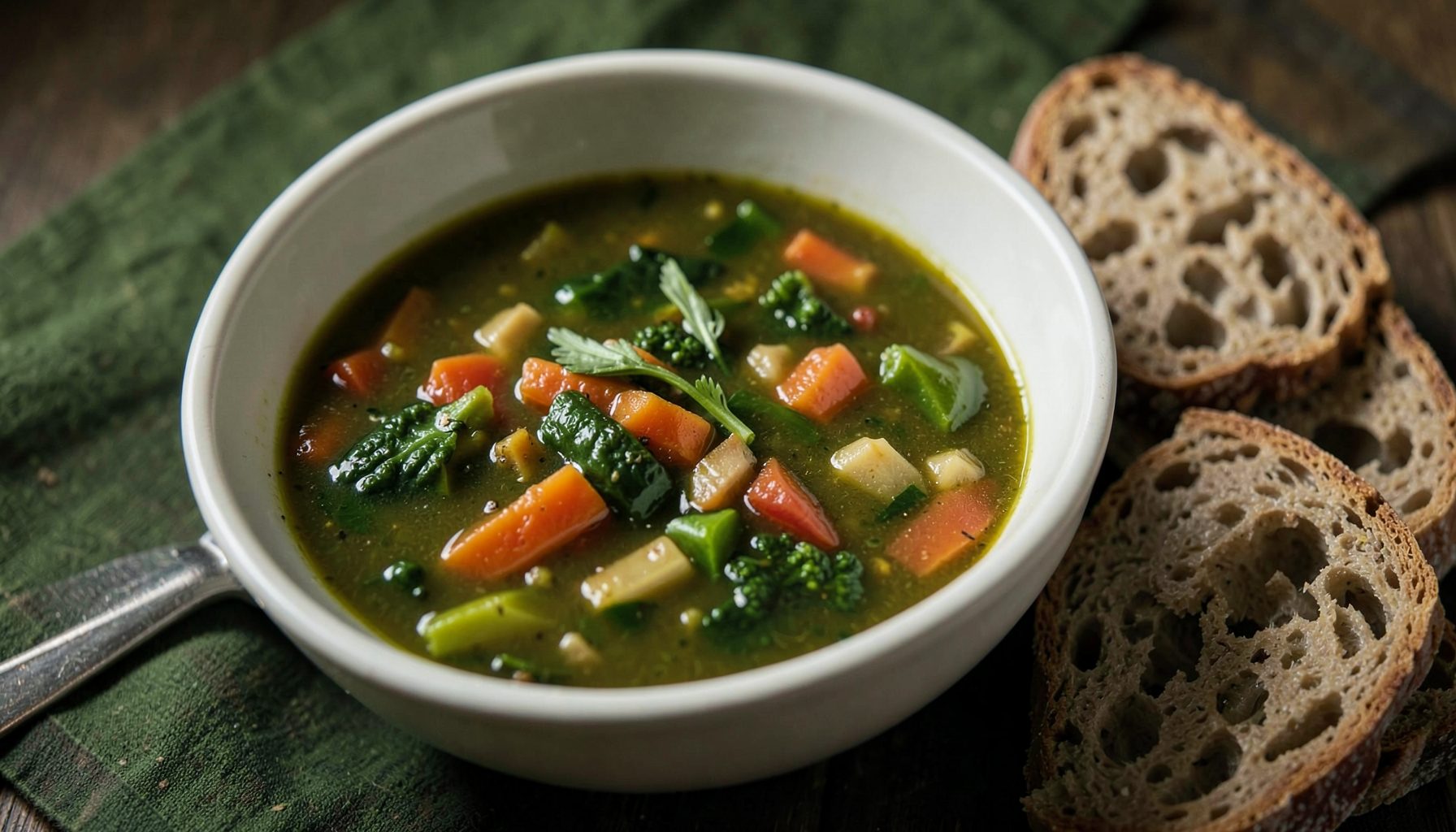
Rich and creamy polenta with slow-braised mushrooms and Parmesan
A bowl of soft polenta has a way of making a meal feel generous. Its gentle corn flavor and spoonable texture create a warm foundation for mushrooms cooked slowly with garlic, herbs, wine, and savory stock. Parmesan gives the grains a deep, nutty finish, while the mushrooms bring the woodland richness that turns a simple side dish into a satisfying main course.
This is the kind of cooking that rewards patience without demanding constant attention. The polenta needs occasional stirring, and the mushrooms need time to release their moisture before they can brown and absorb the braising liquid. Once those elements meet, the result is comforting, elegant, and entirely suited to a relaxed dinner at home.
The method also leaves room for seasonal interpretation. Use cremini mushrooms for dependable flavor, shiitakes for a more pronounced savoriness, or a mixture of cultivated and wild mushrooms when they are available. A few fresh herbs, a glass of dry white wine, and a final drizzle of olive oil are enough to make the dish feel special.
Why this combination works
Polenta is made from ground cornmeal, traditionally simmered in water or stock until the grains soften. When cooked gently, it becomes creamy without needing cream. Butter and finely grated Parmesan help it turn silky, adding richness while preserving the pleasant, earthy taste of the corn.
Mushrooms complement polenta because they offer contrast in both texture and flavor. The cornmeal is soft and mellow; the mushrooms are meaty, browned, and deeply savory. Their natural umami is strengthened by aromatics such as shallot, garlic, thyme, and rosemary.
Slow braising takes the mushrooms beyond a quick sauté. First, they are cooked over fairly high heat so their moisture can evaporate and their edges can color. Then wine or stock loosens the browned bits in the pan, and a slower simmer allows the mushrooms to absorb those flavors. This two-stage approach prevents watery mushrooms and produces a glossy, concentrated topping.
Choose ingredients for depth
For the polenta, medium- or fine-ground yellow cornmeal works well. Instant polenta can be convenient, but traditional stone-ground meal generally offers a fuller corn flavor. Check the package directions because cooking times vary. A coarse grind may need 35 to 45 minutes, while a finer meal can become tender sooner.
The cooking liquid matters. Water produces a clean corn flavor, but vegetable or chicken stock adds an extra savory layer. A combination of stock and water keeps the dish balanced. Bring the liquid to a simmer before whisking in the cornmeal in a thin stream; this reduces the chance of lumps.
Mushroom selection can be flexible. Cremini and white button mushrooms are affordable and reliable, while shiitakes contribute a slightly smoky quality. Oyster mushrooms become tender and silky, and maitakes develop crisp, frilled edges when browned. If using wild mushrooms, brush away soil rather than soaking them, since excess water makes browning difficult.
Parmesan should be grated finely so it melts smoothly into the hot polenta. Pecorino Romano can replace part of it for a saltier, sharper result. Unsalted butter gives you more control over seasoning, especially when the stock and cheese already contain salt.
Build the mushroom braise
Begin by cleaning and slicing the mushrooms into pieces large enough to retain some texture. Small mushrooms can be quartered; larger ones may be sliced or torn. Heat olive oil in a wide skillet or Dutch oven, then add the mushrooms in a single layer. If the pan is crowded, cook in batches. Mushrooms release water as they heat, and too much crowding causes them to steam instead of brown.
Once the liquid has evaporated and the mushrooms begin to take on color, season them with salt and black pepper. Add minced shallot or onion, followed by garlic once the mushrooms are nearly browned. Garlic can burn quickly, so it needs only a short time in the pan before the braising liquid is added.
Pour in dry white wine, vegetable stock, or a mixture of the two. Scrape the bottom of the pan to dissolve the browned fond, then add thyme, rosemary, or a small bay leaf. Lower the heat and simmer until the liquid reduces to a savory glaze. The mushrooms should be tender but still substantial, with enough sauce to spoon over the polenta.
A splash of balsamic vinegar or sherry vinegar at the end can sharpen the flavor. Use it sparingly; the goal is to brighten the mushrooms, not make them taste sour. A small knob of butter stirred into the finished braise adds shine and rounds out the seasoning.
Cook the polenta until silky
Bring the stock or water to a steady simmer and season it lightly. Whisk continuously as the cornmeal enters the pot. Once the mixture thickens, reduce the heat to low and partially cover the pot, leaving room for steam to escape. Stir every few minutes, scraping the bottom and corners to keep the grains from sticking.
The polenta is ready when it tastes tender rather than gritty and falls slowly from a spoon. If it becomes too thick before the mushrooms are ready, loosen it with hot stock, water, or milk. Adding cool liquid can interrupt the cooking and make the texture uneven, so keep a small saucepan or kettle of hot liquid nearby.
Remove the pot from the heat before adding butter and Parmesan. Stir vigorously until the cheese melts and the polenta looks smooth. Taste before adding more salt. A little freshly ground pepper and a pinch of nutmeg can enhance the creamy corn flavor, though neither is essential.
For a particularly luxurious finish, fold in a spoonful of mascarpone or crème fraîche. This is optional, and the dish is already rich with butter and cheese. The more important detail is serving the polenta promptly, while it is still loose enough to spread gently across the plate.
| Element | Best choice | Useful substitution | What it contributes |
|---|---|---|---|
| Cornmeal | Traditional yellow polenta | Fine-ground cornmeal | Creamy texture and sweet corn flavor |
| Cooking liquid | Vegetable or chicken stock | Water with a little extra seasoning | Savory foundation |
| Mushrooms | Cremini with shiitake or oyster | Any firm seasonal mushroom | Meaty texture and umami |
| Braising liquid | Dry white wine and stock | Stock with a splash of vinegar | Brightness and depth |
| Finishing cheese | Parmesan | Pecorino or aged cheddar | Salty, nutty richness |
| Fresh herbs | Thyme and parsley | Rosemary or chives | Fragrance and freshness |
Bring the components together
Spoon the polenta into warmed shallow bowls, then make a small well in the center for the mushrooms and their sauce. This presentation keeps the creamy grains visible while allowing the braising liquid to run through them. Finish with more Parmesan, chopped parsley, and a few drops of extra-virgin olive oil.
A simple green salad dressed with lemon and olive oil provides welcome contrast. Bitter greens such as radicchio, escarole, or arugula work particularly well because their sharpness balances the soft, buttery texture of the polenta. Roasted winter vegetables, sautéed greens, or crisp broccolini are also natural companions.
For wine, choose something with enough acidity to refresh the palate without overwhelming the mushrooms. A dry Chardonnay, Pinot Noir, Barbera, or earthy Rhône-style red can all work, depending on the season and the rest of the meal. If the braise includes a generous amount of white wine, serving the same bottle at the table creates a unified flavor.
The dish can stand alone as a vegetarian entrée, especially when made with vegetable stock and finished with a hearty mushroom mixture. It can also accompany roast chicken, pork, or grilled sausages. When planning a larger meal, keep the other sides fresh and bright rather than adding another creamy or cheese-heavy preparation.
Make the recipe your own
The basic method is dependable, but small changes can shift the dish toward different seasons and occasions. In spring, add peas, asparagus tips, or tender herbs. In autumn, use roasted squash alongside the mushrooms. During colder months, a spoonful of white beans or braised kale can make the bowl even more substantial.
Keep the seasoning layered rather than adding a large amount of salt at the end. Season the cooking liquid, season the mushrooms after browning, and taste again once the cheese is incorporated. This gives the final dish a more integrated flavor.
For a polished dinner-party version, prepare the mushroom braise a few hours ahead and reheat it gently. The polenta is best made close to serving, but leftovers can be spread into a shallow dish, chilled, sliced, and pan-fried until crisp. Serve those golden pieces with the reheated mushrooms for a completely different texture.
- Use a wide pan so the mushrooms brown instead of steaming.
- Keep hot stock nearby to loosen polenta as it thickens.
- Grate Parmesan finely for a smooth, even melt.
- Add acidic ingredients gradually and taste after each addition.
- Finish with fresh herbs just before serving to preserve their fragrance.
Cooking this meal is a reminder that restaurant-style depth often comes from a few careful decisions: browning before braising, simmering instead of rushing, and tasting at every stage. For more recipes, seasonal ideas, and kitchen wisdom shaped by years of cooking, visit Rich and Sweet by Bia Rich. If you want to plan a dessert afterward, these quick dessert sauces provide an easy finish, from warm caramel to bright berry coulis. Serve the polenta while it is soft and steaming, gather everyone around the table, and let the slow-cooked flavors do the work.