A Rich Mushroom and Gruyère Tart with a Flaky Butter Crust
A savory mushroom tart has all the qualities of a memorable country supper: a buttery pastry shell, earthy mushrooms cooked until deeply fragrant, and a generous layer of Gruyère that melts into every savory corner. It feels special enough for guests, yet the process is calm and practical when each component is handled in the right order. Learn more about The Technique Behind A Silky Lump Free Béchamel Sauce.
This is the kind of recipe that rewards patience. Mushrooms release a surprising amount of water, and rushing them can leave the filling pale, soggy, and muted. Give them time in a wide skillet, season in stages, and let the crust become properly golden before adding the filling. The result is rich without being heavy, with crisp pastry supporting a tender, custardy center.
The tart works beautifully for brunch, a light supper, or a first course cut into slim wedges. Serve it warm with a bitter green salad, or let it cool to room temperature and bring it along to a garden table. A little thyme, black pepper, and a splash of dry white wine draw out the mushroom flavor while keeping the dish balanced.
Build A Truly Flaky Butter Crust
For one nine-inch tart, use 1 ¼ cups all-purpose flour, ½ teaspoon fine sea salt, 8 tablespoons cold unsalted butter cut into cubes, and 3 to 4 tablespoons ice water. The butter should remain visible in small pieces rather than disappearing completely into the flour. Those pieces create pockets of steam in the oven, giving the crust its delicate layers and crisp bite.
Work the flour and salt together, then cut in the butter with your fingertips or a pastry cutter. Stop when the mixture resembles coarse crumbs with a few larger, flattened pieces. Drizzle in the ice water gradually, tossing with a fork until the dough just holds together. It should look slightly shaggy. Too much mixing develops gluten and makes the pastry tough.
Shape the dough into a disk, wrap it, and refrigerate for at least 30 minutes. Roll it on a lightly floured surface into a round about ⅛ inch thick, then ease it into a tart pan without stretching. Press the dough into the corners, trim the edge, and chill it again for 15 minutes. A cold shell keeps its shape as it bakes.
Blind-bake the crust at 400°F with parchment and pie weights for 15 minutes. Remove the weights and parchment, then bake for another 8 to 10 minutes, until the base looks dry and the edges are lightly golden. If the shell puffs, press it gently with the back of a spoon while it is still warm.
Cook The Mushrooms Until Deeply Savory
Use a mixture of cremini, shiitake, oyster, or wild mushrooms for layered flavor. Wipe them clean with a damp towel and slice or tear them into pieces of similar size. Avoid crowding the pan. Mushrooms cook best when they have enough room for moisture to evaporate rather than steam around one another.
Warm 2 tablespoons olive oil and 1 tablespoon butter in a wide skillet over medium-high heat. Add about 1 pound of mushrooms in batches if necessary. Leave them undisturbed for a few minutes so they can brown, then stir and continue cooking until their liquid has evaporated and their edges are deeply colored.
Add one finely sliced shallot and cook until soft. Stir in 2 minced garlic cloves, 1 teaspoon fresh thyme leaves, ½ teaspoon kosher salt, and several grinds of black pepper. Cook for another minute, then deglaze with ¼ cup dry white wine. Scrape up the browned bits and simmer until the pan is nearly dry. Let the mushroom mixture cool slightly before it meets the custard.
Fresh herbs can shift the tart in different directions. Thyme gives a woodsy, classic flavor, while rosemary makes it more assertive. A small amount of tarragon adds a subtle anise note. Use restraint, since Gruyère and browned mushrooms already provide plenty of character.
Choose A Filling That Sets Softly
The filling is built from eggs, cream, cheese, and the cooled mushroom mixture. Whisk 3 large eggs with ¾ cup heavy cream, ¼ cup whole milk, ½ teaspoon Dijon mustard, a pinch of nutmeg, and a little salt. Gruyère can be salty, especially when well-aged, so season the custard conservatively and adjust after tasting the mushrooms.
Fold in the mushrooms and about 1 cup grated Gruyère, reserving a small handful for the top. Pour the filling into the warm crust, then scatter the remaining cheese over the surface. The mixture should come nearly to the rim without spilling. If you have extra filling, bake it in a buttered ramekin alongside the tart; it makes a useful cook’s portion.
For cooks who prefer a creamier, sauce-like base, a small spoonful of béchamel can replace some of the cream. The key is to keep the sauce smooth and fairly thick before combining it with the eggs. This guide to silky béchamel explains how gradual whisking and gentle heat prevent lumps, a useful technique far beyond this tart.
Bake at 350°F for 30 to 40 minutes, rotating once, until the edges are set and the center has a slight, graceful wobble. The surface should be golden rather than dark brown. Rest the tart for at least 15 minutes before slicing. This pause allows the custard to finish setting and keeps the filling from running across the plate.
| Element | What It Contributes | Key Detail |
|---|---|---|
| Butter crust | Crisp, flaky structure | Keep the butter cold and avoid overworking |
| Mixed mushrooms | Earthy depth and texture | Brown in a wide pan without crowding |
| Gruyère | Nutty, savory richness | Grate it freshly for even melting |
| Egg custard | Tender, cohesive filling | Bake until the center gently wobbles |
| Dry white wine | Brightness and complexity | Reduce it until the mushroom pan is nearly dry |
| Fresh thyme | Herbal balance | Add a little to the filling and garnish |
Balance Richness With Seasonal Sides
Because the tart is buttery and savory, it welcomes something fresh, sharp, or lightly bitter. Toss arugula with lemon juice, olive oil, and flaky salt, or serve a salad of shaved fennel and apples with a mustard vinaigrette. Roasted asparagus, dressed while warm with lemon zest, gives the meal a springlike lift.
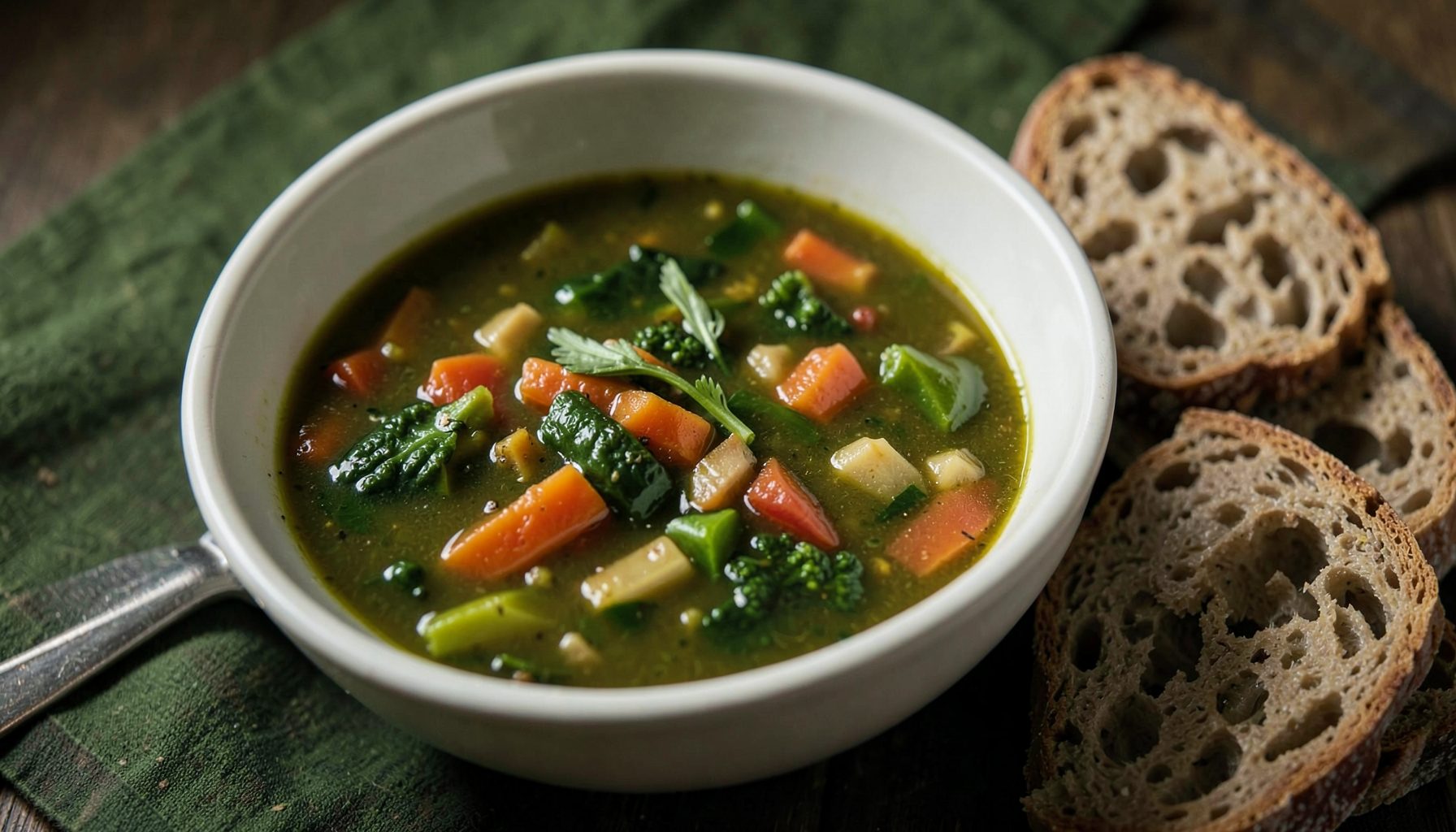
For a more substantial spread, pair it with a bowl of vegetable soup or a platter of simply dressed greens. A meal built around sheet-pan salmon can include small wedges of the tart as a savory side, especially when the salmon is served with lemon and spring vegetables. Keep the portions modest so the plate feels generous without becoming cumbersome.
Wine with enough acidity is the best companion. A dry Riesling, unoaked Chardonnay, Sauvignon Blanc, or sparkling wine can cut through the butter and refresh the palate. If red wine is preferred, choose a light-bodied Pinot Noir rather than a heavily tannic bottle. The earthy mushrooms will meet the wine halfway, while the acidity keeps the Gruyère from dominating.
Make The Recipe Work In Your Kitchen
The tart can be prepared in stages, which makes it a practical choice for entertaining. Bake the crust earlier in the day, cook the mushrooms several hours ahead, and refrigerate both separately. Bring the mushroom mixture close to room temperature before assembling so it does not chill the custard or lengthen the baking time.
A nine-inch tart pan gives a deep, elegant slice, while a ten-inch pan creates a thinner tart that bakes a little faster. You can also use a rectangular pan and cut the pastry into small squares for a buffet. Watch the center rather than relying on the clock, since the pan material and filling depth will affect the finished texture.
For a vegetarian main course, add a few handfuls of tender greens to the skillet after the mushrooms have browned. Spinach, chard, or young kale should be cooked until wilted and then squeezed or reduced until dry. Roasted leeks, caramelized onions, or a thin layer of sliced tomatoes can work too, provided excess moisture is removed first.
Details Worth Getting Right
- Chill the rolled pastry before baking so the sides remain defined.
- Brown the mushrooms in batches instead of allowing them to steam.
- Cool the filling mixture slightly before adding it to the egg custard.
- Grate Gruyère from a wedge for smoother melting and fuller flavor.
- Let the baked tart rest before slicing so each wedge holds its shape.
Store, Reheat, And Serve With Confidence
Leftover tart keeps well in the refrigerator for up to three days. Cover it loosely once it has cooled, since sealing hot pastry can trap condensation and soften the crust. Reheat individual slices in a 350°F oven or toaster oven until warmed through. A microwave will work in a pinch, though the pastry will lose some of its crispness.
The tart is also pleasant at room temperature, especially when served with a sharp salad and a spoonful of chutney. A small amount of onion jam, pear mostarda, or cranberry relish brings sweetness and acidity to the plate. Avoid an overly sweet accompaniment; the goal is contrast, not competition with the mushrooms and cheese.
For presentation, scatter fresh thyme leaves over the top and finish with a few turns of black pepper. Cut with a sharp serrated knife, using a gentle sawing motion through the crust. Serve each wedge on a warmed plate with salad tucked alongside. The golden edge and mottled Gruyère surface deserve to be visible.
Bring It To The Table
This mushroom and cheese tart is a reliable way to turn humble ingredients into a meal with restaurant-worthy depth. The recipe depends on a few quiet habits—cold butter, a well-browned skillet, a properly reduced filling, and a patient rest—but none requires complicated equipment or advanced skill.
Bake it for a weekend lunch, prepare it for visiting friends, or make it part of a seasonal supper surrounded by greens and a chilled glass of white wine. Gather the ingredients, give the mushrooms time to become richly caramelized, and let this warm, flaky tart take its place at the center of the table.