



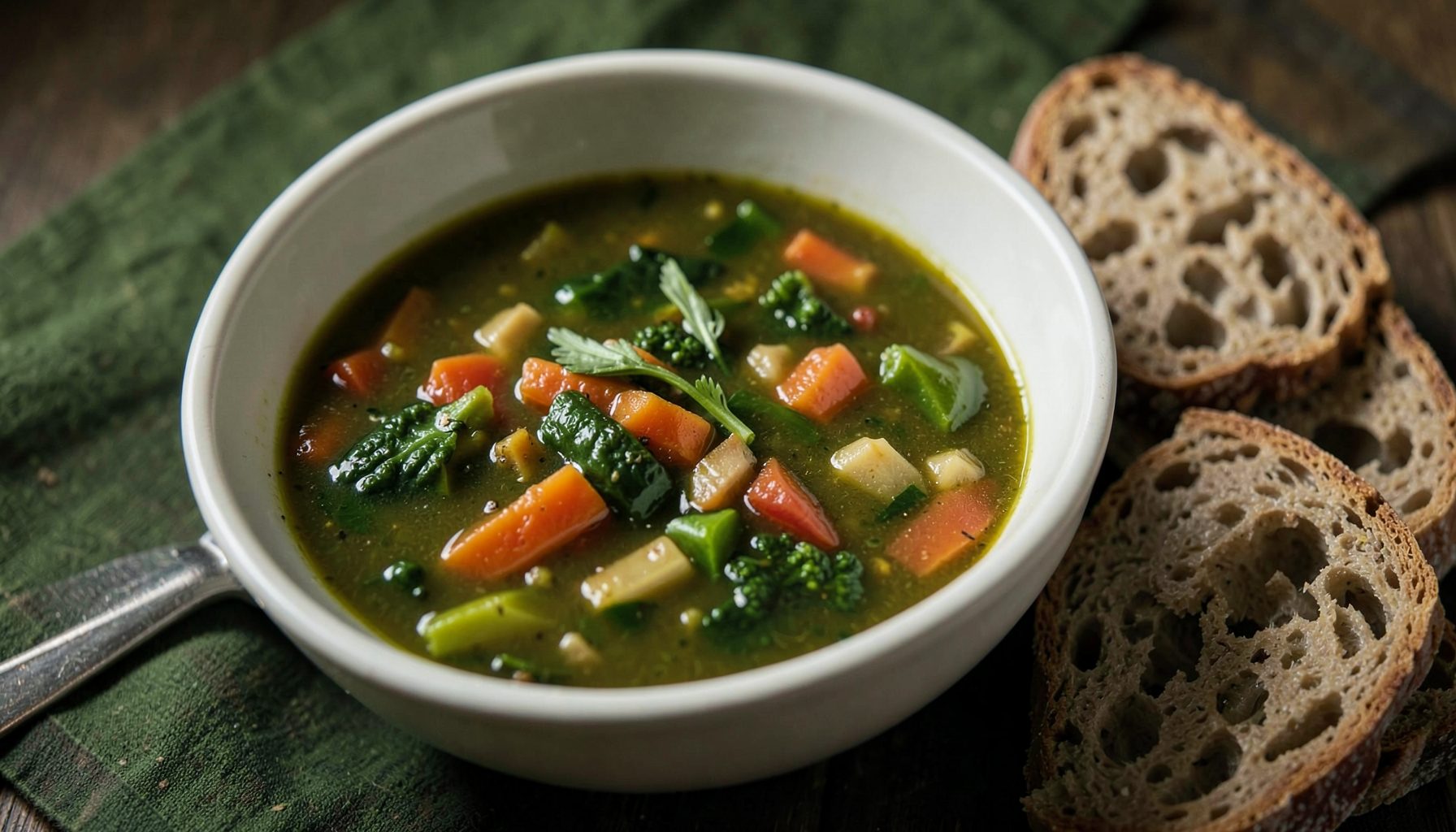
Silky Cauliflower and Leek Soup Finished with Truffle Oil
A bowl of cauliflower and leek soup can be humble, elegant, or deeply luxurious depending on how it is prepared. The vegetables bring a gentle sweetness, while careful cooking creates a creamy texture without requiring a heavy hand with dairy. A few drops of truffle oil at the end give the soup an earthy, restaurant-style finish.
This is the kind of recipe that rewards patience rather than complicated technique. Leeks need time to soften and release their mellow flavor, cauliflower benefits from gentle simmering, and the finished soup should be blended until perfectly smooth. The result is a velvety purée that feels comforting in winter and bright enough for a cool spring evening.
My years in New York City restaurant kitchens taught me that refined flavor often comes from small decisions: rinsing leeks thoroughly, salting in layers, and keeping aromatics from browning too deeply. At home in the North Carolina countryside, I make this soup when the garden is quiet, the pantry is well stocked, and a simple supper deserves a little polish.
Why This Soup Works
Cauliflower has a mild, nutty character that becomes sweeter as it cooks. Leeks add a soft allium flavor, less sharp than onions and more rounded than shallots. Together, they create a delicate base that can support cream, herbs, stock, and truffle oil without becoming muddy or overly rich.
The key is balance. Truffle oil is intensely aromatic, so it should accent the soup rather than dominate it. A modest amount of butter or olive oil provides body, while vegetable or chicken stock supplies enough savory depth to keep the purée from tasting flat. A final splash of lemon juice can sharpen the flavors and make the bowl feel lighter.
For a fully vegetarian version, use a good vegetable stock with a clean, uncomplicated flavor. Homemade stock is wonderful, but a dependable low-sodium carton works well too. Since stock brands vary in saltiness, seasoning gradually gives you greater control.
Prepare the Vegetables with Care
Leeks often hold grit between their layers, especially near the root end. Trim away the dark green tops, reserving them for stock if they are fresh, then split the pale green and white sections lengthwise. Slice them into half-moons and wash them in a bowl of cold water. Lift them out rather than pouring the water over them so the grit stays behind.
Cauliflower should be cut into evenly sized florets. Small, uniform pieces cook at the same rate and blend more smoothly. The tender inner leaves and peeled stem can also go into the pot; they have plenty of flavor and help reduce kitchen waste.
Warm the butter or olive oil in a heavy-bottomed pot over medium-low heat. Add the leeks with a pinch of salt and cook slowly for eight to ten minutes. Stir frequently, allowing them to become soft and translucent without taking on much color. Add garlic only during the final minute of this stage so it turns fragrant rather than bitter.
Choose Ingredients for Texture and Depth
The best version depends on a few thoughtful choices rather than a long ingredient list. A waxy potato can add body if you want a thicker soup, though too much will mute the cauliflower’s character. White pepper keeps the appearance pale, while black pepper offers a more noticeable bite.
| Ingredient choice | Flavor and texture | Best use | Thoughtful substitute |
|---|---|---|---|
| Unsalted butter | Round, silky richness | Classic finishing base | Extra-virgin olive oil |
| Vegetable stock | Clean, light savory flavor | Vegetarian soup | Mild chicken stock |
| Yukon Gold potato | Creamy body and gentle sweetness | Heartier texture | Cannellini beans |
| Heavy cream | Luxurious mouthfeel | Special occasion serving | Whole milk or oat cream |
| White pepper | Gentle warmth without dark flecks | Pale, polished soup | Fresh black pepper |
| Truffle oil | Earthy aroma and lingering finish | Final garnish | Truffle butter or walnut oil |
A small potato is useful when serving the soup as a main course, but it is optional for a more vegetable-forward bowl. White beans are another excellent thickener: rinse a few spoonfuls of cannellini beans and simmer them with the cauliflower. They provide body without making the soup taste distinctly bean-based.
Fresh thyme, bay leaf, or a small sprig of rosemary can perfume the pot. Use herbs with restraint, because strong woody notes can compete with the truffle aroma. Remove whole herbs before blending, and taste the soup after every adjustment.
Simmer Slowly and Blend Until Smooth
Once the leeks are tender, add the cauliflower, potato if using, stock, bay leaf, and thyme. The liquid should come just to the level of the vegetables rather than completely submerging them. Bring the mixture to a gentle simmer, then lower the heat and cook uncovered for about 20 minutes, or until the cauliflower is very tender when pierced with a knife.
Avoid a vigorous boil. Rapid cooking can make the vegetables taste dull and may cause the stock to reduce before the cauliflower is soft. A quiet simmer preserves the clean flavor and leaves enough liquid for blending.
Remove the bay leaf and any herb stems. Transfer the soup to a blender in batches, filling the container no more than halfway and venting the lid to release steam. Blend until completely smooth, then return the soup to the pot. An immersion blender works well, although a countertop blender usually produces the silkiest finish.
If the soup is too thick, add warm stock a little at a time. If it is too thin, simmer it gently for a few minutes after blending. For an especially refined texture, pass the soup through a fine-mesh sieve. This step takes extra time, but it removes any remaining fibers and gives the soup a glossy, spoon-coating consistency.
Finish with Truffle Oil and Brightness
Stir in a small knob of cold butter, a spoonful of cream, or a drizzle of olive oil after the heat is turned off. This final enrichment rounds the edges without making the soup heavy. Season with salt and pepper, then add a few drops of lemon juice. The citrus should be subtle; its purpose is to lift the vegetables, not make the soup taste lemony.
Truffle oil is best added directly to each bowl or stirred into the pot immediately before serving. Start with less than you think you need. Heat can flatten its aroma, so prolonged simmering is not helpful. A high-quality oil with a natural, earthy fragrance will give a more graceful result than an aggressively perfumed product.
For a complete meal, serve the soup with warm sourdough, toasted country bread, or a simple cheese toast. A dry sparkling wine, unoaked Chardonnay, or light Pinot Gris can echo the soup’s creamy texture without overpowering it. If you are planning a relaxed gathering, pair the bowl with seasonal drinks that bring acidity and freshness to the table.
Create Contrast in Every Bowl
Smooth soup benefits from a topping with texture. Toasted hazelnuts, crisp leek threads, roasted cauliflower florets, or buttery breadcrumbs make each spoonful more interesting. Use only one or two garnishes so the pale, glossy soup remains the focus.
A swirl of cream is classic, but crème fraîche brings a pleasant tang. Chopped chives provide color and a mild onion note, while parsley adds freshness. A few flakes of sea salt on top can heighten the truffle aroma and make the dish look finished without elaborate decoration.
For a first course, pour the soup into small cups or shallow bowls and garnish sparingly. It fits beautifully into a menu with small bites, especially mushroom crostini, baked goat cheese, or roasted nuts. The soup can also become a satisfying lunch when served in a larger bowl with bread and a crisp vegetable side.
Make It Part of a Seasonal Meal
Cauliflower and leeks are especially good during cool-weather months, when hearty vegetables are at their sweetest and soups feel naturally inviting. In early spring, tender herbs and young greens can bring a lighter character to the bowl. In autumn, roasted cauliflower or a few sautéed mushrooms can deepen its woodland quality.
This soup is easy to prepare ahead. Cook and blend it a day in advance, refrigerate it in a covered container, and reheat it gently over medium-low heat. The flavor often improves overnight, but the texture may tighten, so add a little stock while reheating. Stir in cream, butter, and truffle oil only after the soup is hot.
If you are serving it as part of a larger spread, keep the accompaniments fresh and acidic. A plate of crisp salads with apples, fennel, bitter greens, or toasted seeds will offset the soup’s richness. The goal is a meal with changing textures and flavors, rather than several soft or creamy dishes competing for attention.
Small Details That Make the Difference
Use these finishing habits whenever you make a blended vegetable soup:
- Wash leeks carefully and slice them evenly so no sandy grit reaches the pot.
- Cook the leeks slowly over moderate heat to develop sweetness without browning.
- Keep the stock level modest, since excess liquid can dilute the vegetable flavor.
- Blend while the vegetables are fully tender, then adjust the consistency with warm stock.
- Add truffle oil at the very end and taste before adding more.
The soup should pour easily but still leave a delicate coating on the back of a spoon. If it tastes heavy, brighten it with lemon juice or a small splash of dry white wine. If it tastes thin, add a little butter, cream, or an extra spoonful of blended cauliflower rather than relying on more salt.
For a dairy-free bowl, use olive oil in place of butter and finish with unsweetened oat cream or a spoonful of cashew cream. The natural sweetness of cauliflower and leeks makes this substitution especially successful. A roasted garlic clove can also add richness without dairy, provided it is used sparingly.
Serve the soup immediately after its final seasoning, when the aroma of truffle oil is most expressive. Warm bowls help maintain its smooth texture, and a simple garnish makes the dish feel intentional without turning it into a project.
A silky vegetable soup is a reminder that elegant cooking can begin with a few affordable ingredients and careful attention. Simmer a pot of cauliflower and leeks, blend it until smooth, and finish each serving with restraint. Add good bread, a thoughtful drink, and a seasonal side, then bring the bowl to the table while it is warm and fragrant.