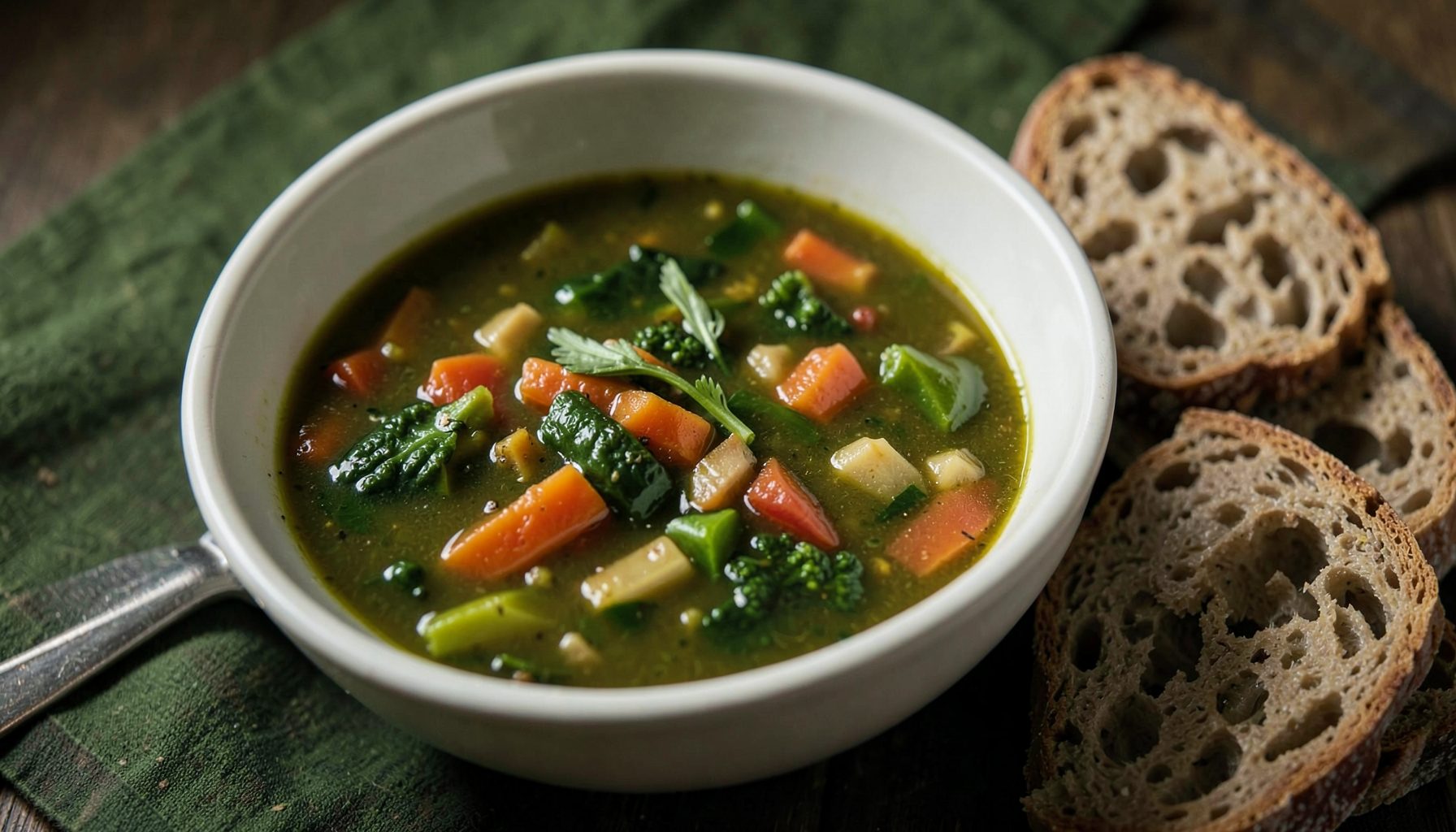
A warm farro salad for cool-weather cooking
A bowl of warm farro, caramelized root vegetables, salty feta, and bright herbs has the kind of balance that makes a simple meal feel generous. The grains are pleasantly chewy, the vegetables become sweet and deeply savory in the oven, and a sharp vinaigrette keeps every bite lively.
This is the sort of salad that belongs on a country table in the cooler months, when the garden and market offer beets, carrots, parsnips, sweet potatoes, and sturdy greens. It can serve as a satisfying vegetarian main course, a colorful side dish, or a make-ahead lunch that improves as the flavors mingle.
The method is flexible, too. Farro welcomes substitutions, root vegetables are wonderfully forgiving, and feta supplies enough richness to make the dish feel complete without a heavy sauce. A few thoughtful details—seasoning each component, roasting at high heat, and dressing the grains while warm—turn everyday ingredients into something memorable.
Why this combination works
Farro has a hearty, nutty flavor and a firm texture that stands up beautifully to roasted vegetables. Unlike delicate greens or soft grains, it does not disappear beneath a bold dressing. Pearled farro cooks relatively quickly, while whole-grain farro takes longer and retains a more pronounced chew. Either works here, provided it is cooked until tender but not mushy.
Root vegetables bring several layers of flavor to the bowl. Carrots and sweet potatoes offer natural sweetness, beets contribute earthy depth and jewel-like color, and parsnips develop a fragrant, almost honeyed character around their edges. Cutting everything into similar pieces helps the vegetables cook evenly, though dense beets may need a few extra minutes.
Feta adds a creamy, salty contrast to the roasted produce. Choose a block of feta packed in brine when possible; it tends to have a softer texture and fuller flavor than pre-crumbled varieties. Fresh parsley, dill, or mint adds lift, while toasted walnuts or pumpkin seeds provide a welcome crunch.
Choosing and preparing the vegetables
A good combination includes two or three root vegetables rather than every option in the produce drawer. Carrots with sweet potatoes create a mellow, sunny profile. Beets with parsnips are more earthy and aromatic. Turnips, rutabagas, delicata squash, and red onion can join the mix when available, bringing their own textures and flavors.
Peel vegetables with thick or waxy skins, but do not feel compelled to peel tender carrots or small beets if they are scrubbed well. Cut them into pieces about one inch thick. Smaller pieces brown quickly and become soft inside, while larger chunks can remain firm in the center before the edges have caramelized.
Spread the vegetables over a large sheet pan rather than crowding them into a deep roasting dish. Space allows moisture to evaporate, which encourages browning. Toss with olive oil, kosher salt, black pepper, and perhaps a pinch of ground cumin, coriander, smoked paprika, or chopped rosemary. Keep beets on a separate section of the pan or on their own pan if you want the other vegetables to retain their original colors.
Building the grain and dressing
Cook farro in plenty of salted water, much like pasta. This approach is more reliable than trying to measure an exact amount of cooking liquid, especially because farro varieties differ. Simmer until the grains are tender with a slight bite, then drain thoroughly. Letting the cooked farro steam for a few minutes prevents the salad from becoming watery.
The dressing should be assertive enough to flavor the grains and roasted vegetables. A classic mixture of extra-virgin olive oil, lemon juice, red wine vinegar, Dijon mustard, honey, minced garlic, salt, and pepper works especially well. The honey is optional, but a small amount rounds out the acidity and echoes the sweetness of the roasted roots.
Dress the farro while it is still warm. Warm grains absorb the vinaigrette more readily, so the flavor reaches the center of each kernel instead of coating only the surface. Add the vegetables afterward, folding gently to avoid breaking the softer pieces. Crumble in the feta at the end, then taste for salt, acidity, and richness.
| Element | Best choice | Helpful adjustment |
|---|---|---|
| Grain | Pearled or whole-grain farro | Cook separately in salted water |
| Root vegetables | Carrots, beets, parsnips, or sweet potatoes | Cut into similar-sized pieces |
| Fat | Extra-virgin olive oil | Use enough to coat, not saturate |
| Acid | Lemon juice with red wine vinegar | Add gradually and taste |
| Creamy accent | Feta in brine | Add just before serving |
| Fresh finish | Parsley, dill, mint, or chives | Use a generous handful |
| Crunch | Walnuts, pecans, or pumpkin seeds | Toast before adding |
A practical cooking sequence
Begin by heating the oven to 425°F. High heat gives the vegetables enough energy to brown before they lose all of their texture. Toss the cut vegetables with oil and seasonings, arrange them in a single layer, and roast until the edges are browned and the centers are tender. Turn them once if the pieces are large, but avoid opening the oven repeatedly.
While the vegetables roast, bring a pot of salted water to a boil and cook the farro according to its package directions. This parallel timing keeps the preparation efficient. Drain the grains when they are ready, shake off excess water, and immediately toss them with most of the dressing.
Set aside a little vinaigrette for the final adjustment. Once the roasted vegetables have cooled for five minutes, combine them with the dressed farro, herbs, feta, and any toasted nuts or seeds. A brief rest of ten minutes gives the flavors time to settle while preserving the contrast between warm grains and crisp garnishes.
For a more substantial meal, add white beans, lentils, shredded rotisserie chicken, or thin slices of roasted sausage. A handful of arugula stirred in just before serving contributes peppery freshness. If you enjoy building a meal around vegetables and grains, a simple steamed artichoke with garlic butter can be served alongside as another warm, satisfying accent; this artichoke preparation keeps the supporting dish uncomplicated.
Variations for the season
The salad changes naturally throughout the year. In early autumn, use delicata squash, red onion, and apples with sage. During winter, roasted cabbage wedges, golden beets, and citrus segments bring freshness to a heavier meal. In spring, replace some of the root vegetables with asparagus, peas, or tender greens added after roasting.
The cheese can shift with the mood of the dish. Goat cheese creates a tangier, softer finish, while shaved Parmesan adds savory depth. Blue cheese works with pears, walnuts, and roasted beets, though its intensity calls for a lighter hand. For a dairy-free version, use toasted seeds, olives, or a spoonful of creamy tahini dressing to provide richness.
Try changing the dressing as well. Orange juice and sherry vinegar suit beets and fennel. Balsamic vinegar emphasizes caramelized carrots and onions. A cumin-lemon dressing gives the salad a North African direction, while maple, mustard, and apple cider vinegar make it especially welcoming beside roasted poultry or pork.
Serving, storing, and pairing
Serve the salad warm or at room temperature in a wide shallow bowl. The broad surface keeps the roasted vegetables from sinking and lets the colors show. Finish with herbs, a drizzle of olive oil, a crack of black pepper, and a little lemon zest. If the feta is particularly salty, taste before adding more salt to the finished dish.
For a buffet or family supper, prepare the farro and vegetables several hours ahead and keep them separately. Rewarm the grains and vegetables gently, then combine them with fresh dressing and herbs just before serving. Leftovers keep well in the refrigerator for up to three days. The farro may firm up when chilled, so let it come toward room temperature before serving and loosen it with a splash of olive oil or lemon juice.
A crisp white wine is a natural match, especially Sauvignon Blanc, Grüner Veltliner, or an unoaked Chardonnay. Their acidity cuts through the feta and complements the vegetables without competing with the grain. For red wine, choose something light and fresh, such as Pinot Noir or Gamay. A dry cider also works beautifully, particularly when apples or maple appear in the recipe.
If this salad is part of a larger meal, pair it with roasted chicken, seared pork chops, or a simple soup. It also sits comfortably beside a savory tart; a gluten-free quiche crust offers a useful technique for building a complementary brunch or supper spread without making the menu feel too heavy.
Small details that make a difference
- Salt the farro’s cooking water generously so the grains are seasoned from within.
- Roast vegetables with space between them to encourage browning instead of steaming.
- Dress the farro while warm, then add delicate herbs and feta after the mixture has cooled slightly.
- Taste the finished salad for all three essentials: salt, acidity, and richness.
- Keep a little crunch in reserve and scatter it over each serving just before eating.
This warm grain salad is forgiving enough for a weeknight and polished enough for company. Start with the vegetables you have, keep the cuts even, and let the oven do the work of concentrating their flavor. Then bring the components together with a bright dressing, creamy feta, and plenty of herbs.
Save the recipe as a foundation for your seasonal cooking, and make it your own each time the market brings home a different collection of roots. A well-roasted pan of vegetables and a pot of chewy farro are all you need to create a nourishing dish with the warmth, color, and generosity of a shared table.