

Bia’s Tips for Fixing Over-Salted Soups and Sauces
A heavy hand with the salt can happen to anyone, including cooks who have spent years tasting as they go. A stock reduces more than expected, a salted ingredient joins the pot, or a measuring spoon slips at exactly the wrong moment. The good news is that an over-salted soup or sauce is often recoverable if you pause before adding another ingredient.
The best rescue depends on what you are cooking. A brothy vegetable soup needs a different approach from a concentrated pan sauce, creamy chowder, tomato gravy, or braising liquid. The goal is not simply to hide salt, but to restore balance while protecting the dish’s texture, aroma, and character.
I learned to think of salt as part of a larger seasoning structure through restaurant cooking, family meals, and years of making food with what the garden and pantry provide. Taste carefully, make one adjustment at a time, and give each change a moment to blend before deciding whether the dish needs more work.
Read The Pot Before You Fix It
First, identify where the salt is coming from. Taste the liquid, the solid ingredients, and the finished bite together. A soup may seem aggressively salty because the broth is concentrated, while the vegetables, beans, noodles, or meat remain bland. A sauce may taste too salty on its own but become balanced when spooned over unsalted pasta, rice, potatoes, or roasted vegetables.
Check whether the dish is still cooking. If a soup or sauce is simmering, evaporation will intensify its salinity. Stop reducing until you know the final volume you need. In a pan sauce, remove it from high heat before making adjustments; continued reduction can undo an otherwise successful rescue within minutes.
Avoid reacting with a handful of sugar or a splash of vinegar before tasting again. Saltiness is a basic flavor, while sweetness and acidity change the way we perceive it. They can help, but they do not remove sodium. A hurried correction can leave you with a sauce that is both salty and oddly sweet or sharp.
Dilute Without Losing Character
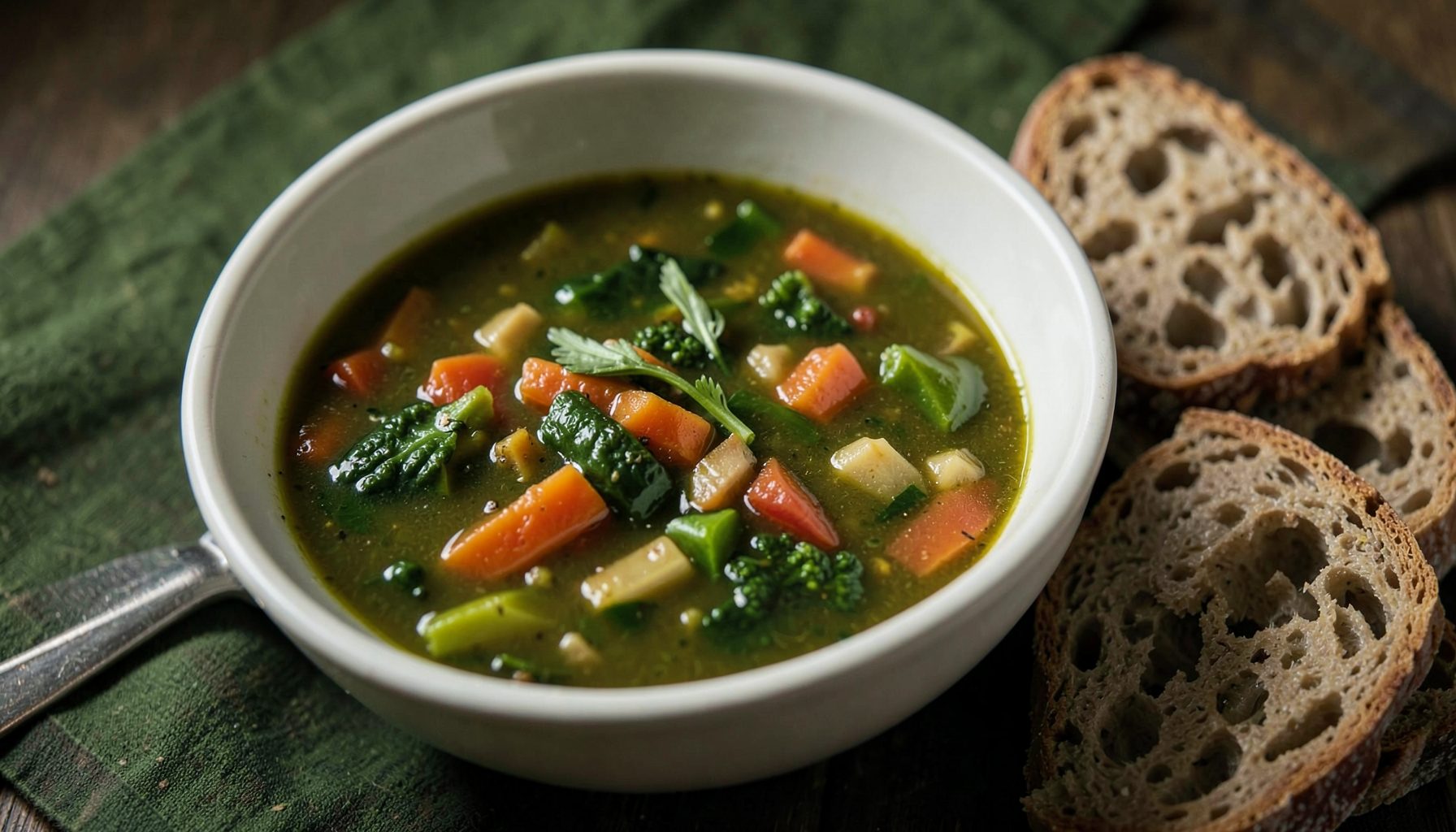
The most reliable remedy for an overly salty liquid is dilution. Add unsalted water, homemade stock, low-sodium broth, crushed tomatoes, cream, coconut milk, or another neutral liquid that suits the recipe. Add a small amount, stir well, and taste after the mixture returns to serving temperature.
Dilution may thin the body of a soup or sauce, so restore texture afterward. A soup can gain substance from extra vegetables, beans, grains, potatoes, pasta, or shredded meat. For a sauce, simmer a separate unsalted base and combine it with the seasoned portion. This is safer than pouring in a large amount of liquid and trying to reduce the whole batch again.
If the dish has become too large for your pot, divide it. Freeze half of the salty base for another meal, then stretch the remaining portion with unsalted ingredients. This works especially well with chili, lentil soup, tomato sauce, and braising liquid. The same principle is useful in a flavorful preparation such as Carolina mustard sauce, where an unsalted batch can be blended with the original rather than forcing the entire sauce to become milder through water alone.
Use Acidity Fat And Sweetness Carefully
A little acid can make a salty dish taste more balanced by adding brightness. Lemon juice, lime juice, wine, sherry vinegar, cider vinegar, or tomato can lift a flat soup or sauce. Add drops or teaspoons at a time, tasting between additions. Acid is especially effective in bean soups, tomato-based sauces, pan gravies, and rich braises that need contrast.
Fat softens the perception of salt and adds body. Unsalted butter, cream, crème fraîche, yogurt, coconut milk, olive oil, or a spoonful of tahini may help, depending on the dish. Whisk butter or cream into a sauce gradually so it emulsifies instead of separating. For soup, finish with a small amount of dairy or oil only after the broth itself has been corrected.
Sweetness should be the quietest tool in the box. A pinch of sugar, grated carrot, caramelized onion, or a little naturally sweet tomato can round out acidity and salt, but the dish should not taste sweet. In savory cooking, balance comes from several small adjustments working together, not from masking one problem with another.
Match The Rescue To The Recipe
Different formats call for different fixes. A clear soup usually benefits from unsalted liquid and additional vegetables, while a cream soup may need milk, cream, or a portion of unsalted purée. A tomato sauce can often accept more tomatoes, aromatics, or cooked vegetables. A pan sauce has less room for dilution and may need unsalted stock, butter, or a fresh second batch.
Consider the finished serving, too. If a stew is too salty, serving it over plain rice, mashed potatoes, polenta, or noodles distributes the seasoning across a larger bite. A salty dressing can be tossed with more greens and vegetables. A concentrated gravy can be spooned over unsalted meat and starch rather than poured heavily over the plate.
| Dish | First adjustment | Texture or flavor follow-up | Avoid |
|---|---|---|---|
| Brothy soup | Add unsalted water or stock | Add vegetables, beans, grains, or herbs | Reducing before tasting again |
| Cream soup | Add unsalted dairy or purée | Recheck thickness and acidity | Adding salty cheese |
| Tomato sauce | Add unsalted tomatoes or vegetables | Simmer briefly and season with herbs | Using salted canned products |
| Pan sauce | Add unsalted stock, wine, or butter | Whisk and serve promptly | Long reduction |
| Stew or braise | Add unsalted base or serving starch | Rest, skim, and taste again | Adding more cured meat |
| Salad dressing | Increase oil and unsalted ingredients | Add acid in small amounts | Pouring in more soy sauce or cheese |
Recover Texture And Depth
When dilution makes a soup watery, do not automatically reduce it aggressively. That may bring the saltiness right back. Instead, add body with blended vegetables, cooked beans, mashed potato, puréed white beans, or a small amount of unsalted cream. A cornstarch slurry can thicken a sauce, but it should be mixed separately with cold water and added gradually to prevent lumps.
A sauce that tastes thin as well as salty may need a fresh flavor base. Sauté unsalted onion, garlic, carrot, celery, mushrooms, or herbs in a separate pan, then stir that mixture into the dish. For tomato sauces, adding a portion of unsalted crushed tomato is usually more useful than adding raw sugar. For gravies, make a little unsalted roux and stock separately, then combine it with the seasoned liquid.
Be cautious with ingredients that carry hidden sodium. Parmesan, bacon, ham, smoked sausage, olives, capers, anchovies, soy sauce, miso, bouillon, prepared mustard, bottled stock, and many canned beans can push a dish past the point of recovery. Rinse canned beans and vegetables when appropriate, and taste cured or preserved foods before adding them.
A Practical Rescue Checklist
Once you notice excess salt, put down the salt shaker and work through a controlled sequence. These steps keep a small mistake from turning into a pot of competing flavors:
- Stop cooking or reducing, then taste the dish in a normal serving-sized spoonful.
- Remove any concentrated salty ingredients that have not dissolved, such as ham, bacon, olives, or cheese.
- Add a compatible unsalted liquid or base in small increments.
- Restore body with vegetables, beans, grains, cream, butter, or a separate unsalted sauce.
- Finish with a modest touch of acid, herbs, or fat only after the salt level is under control.
Let the adjusted dish rest for several minutes before tasting again. Heat, aroma, and texture affect how salt registers, and a soup can seem different after it settles. If you are serving it with bread, rice, pasta, or another starch, taste the complete plate rather than judging the sauce alone.
Potatoes deserve a special note. Adding a raw potato to a salty soup may absorb some liquid, but it does not selectively pull out salt. Unless you plan to keep the potato and enjoy the added starch, it is rarely a complete solution. Extra ingredients that increase the total volume are what help; the potato itself is not a magic filter.
Build Better Salt Habits
Fixing a salty dish is useful, but prevention makes cooking calmer. Salt in layers rather than all at once. Season vegetables lightly while they cook, taste the stock, account for salted pantry ingredients, and reserve the final adjustment until the dish has reached its intended concentration.
Use unsalted or low-sodium stock when possible, especially for sauces and braises that will reduce. Keep in mind that kosher salt, fine sea salt, and table salt occupy measuring spoons differently by volume. If you are changing brands or types, taste rather than relying on a familiar spoonful. Salting meat in advance can improve seasoning throughout; this explanation of salting steak early shows why timing matters as much as quantity.
Keep a small set of unsalted rescue ingredients ready: water, homemade stock, cream, butter, canned tomatoes, cooked beans, plain yogurt, and frozen vegetables. Fresh lemon, vinegar, herbs, and aromatics are equally useful. A well-stocked pantry gives you options beyond adding more of whatever is already in the pot.
Bring Balance Back To The Table
A salty soup or sauce does not have to be discarded. Taste with intention, dilute thoughtfully, rebuild texture, and let acidity or fat provide the final polish. With practice, you will learn to recognize whether the dish needs more volume, a fresh base, a milder serving partner, or simply a few minutes away from the heat.
For more ideas that put these techniques into everyday meals, browse the recipe collection and keep experimenting with the ingredients you already trust. Make the adjustment, taste the finished dish, and serve it with confidence.