
Braised Short Ribs with Red Wine and Rosemary for Sunday Supper
Sunday supper deserves a dish that feels generous from the moment it reaches the table. Beef short ribs deliver that sense of occasion with very little last-minute work: a deep sear, a fragrant braising liquid, and several quiet hours in the oven transform a tough cut into fork-tender meat surrounded by glossy sauce.
Red wine, rosemary, garlic, and sweet onions create a classic flavor base, while slow cooking gives the connective tissue time to melt into the broth. The result is rich without being complicated, and even better when prepared a day ahead. This is the kind of meal that fills the kitchen with an inviting aroma long before anyone sits down.
Choosing short ribs and building flavor
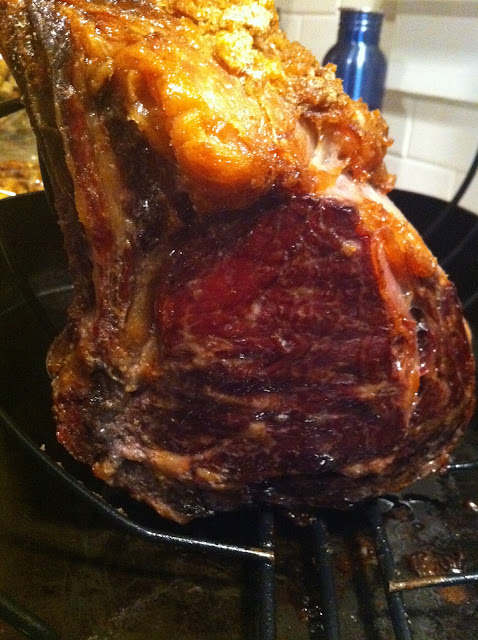
Look for English-cut beef short ribs, each piece containing a thick section of meat resting against one bone. Flanken-cut ribs are sliced across several bones and are better suited to quick grilling, while English-cut ribs provide the substantial portions and silky texture desired in a long braise. Choose pieces with generous marbling and meat that looks firm and bright.
Season the ribs thoroughly with kosher salt and freshly ground black pepper, ideally several hours before cooking. This brief dry brine gives the salt time to move into the meat and seasons the center rather than leaving all the flavor on the surface. If you have time, season them the night before and leave them uncovered in the refrigerator.
Pat the ribs dry before they meet the pan. Surface moisture will create steam, preventing the deep brown crust that gives the finished sauce its savory backbone. A heavy Dutch oven or oven-safe braiser is ideal because it holds steady heat and allows the meat to brown in a single layer.
The red wine braising method
Begin with a thin film of neutral oil over medium-high heat. Brown the ribs in batches, turning each piece until every broad side develops a dark, mahogany crust. Do not rush this stage, and do not crowd the pot. If the ribs touch too closely, they will release moisture and simmer instead of sear. Transfer the browned meat to a plate while you prepare the aromatic base.
Lower the heat and add diced onion, carrot, and celery to the rendered fat. Cook until the vegetables soften and begin to caramelize, then stir in garlic and a spoonful of tomato paste. The tomato paste should darken slightly; that extra minute of cooking removes its raw edge and adds body to the sauce.
Pour in a dry red wine, scraping the browned bits from the bottom of the pot. Cabernet Sauvignon, Merlot, Syrah, or a sturdy red blend all work well. Use a wine you would be happy to drink, though it does not need to be expensive. Simmer until the wine reduces by roughly half, then add beef stock, rosemary, a bay leaf, and the ribs. The liquid should reach about halfway up the meat, not cover it completely.
A slow oven creates a silky texture
Cover the Dutch oven tightly and place it in a 325°F oven. The ribs usually need three to three and a half hours, depending on their size. They are ready when a fork slides into the meat with almost no resistance and the bones begin to loosen. A clock can guide you, but tenderness is the true measure.
Keep the braise at a gentle simmer rather than a vigorous boil. Excessive heat can make the exterior of the ribs tighten before the collagen has a chance to dissolve. The covered pot creates a moist environment, while the moderate oven temperature gradually converts the connective tissue into gelatin that enriches the cooking liquid.
Rosemary contributes a woodsy fragrance that stands up to beef and red wine, but too much can make the sauce taste resinous. One or two fresh sprigs are usually enough. Add a few thyme sprigs if you like, or tuck in a strip of orange peel for a subtle lift. Remove the herbs and bay leaf before serving.
| Element | Best practice | Why it matters |
|---|---|---|
| Beef cut | English-cut, well-marbled short ribs | Provides thick meat and a tender braised texture |
| Browning | Sear in batches over medium-high heat | Builds deep savory flavor |
| Wine | Dry red wine reduced by half | Concentrates fruit, acidity, and structure |
| Oven temperature | About 325°F | Softens connective tissue gradually |
| Liquid level | Halfway up the ribs | Braises while allowing the exposed meat to develop flavor |
| Resting time | At least 15 minutes | Lets the juices settle before serving |
Finishing the sauce with care
Once the ribs are tender, transfer them gently to a warm platter and cover loosely with foil. Strain the braising liquid if you prefer a smooth, restaurant-style sauce, or leave the softened vegetables in place for a more rustic presentation. Either approach works; the important step is removing excess fat.
A simple way to defat the sauce is to let it stand for several minutes and skim the fat from the surface. For the cleanest result, refrigerate the strained liquid overnight. The fat will solidify on top and lift away easily, while the gelatin-rich stock beneath becomes concentrated and luxurious.
Return the sauce to the pot and simmer it until it coats the back of a spoon. If it tastes heavy, add a small splash of red wine vinegar or lemon juice. Acidity sharpens the flavors without making the dish sour. For extra polish, whisk in a teaspoon or two of cold butter just before serving, or finish with a spoonful of the skimmed fat if you want a fuller gloss.
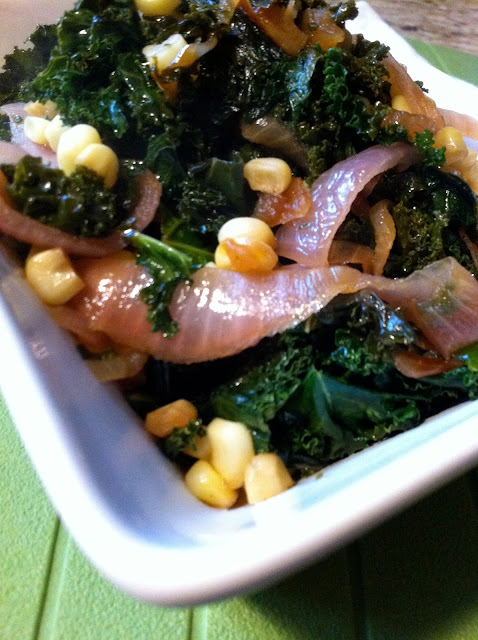
A rich main course benefits from a vegetable side with brightness and texture. Roasted carrots, bitter greens, braised cabbage, or crisp green beans can balance the beef. Browse these sides and sauces for ideas that can round out the plate without competing with the rosemary-red wine gravy.
Planning Sunday supper ahead
This braised beef is particularly well suited to advance preparation. Cook the ribs one day before serving, cool them in their sauce, and refrigerate them in a covered container. Chilling allows the flavors to settle and makes removing the fat much easier. It also gives the gelatin time to firm, so the sauce reheats with a naturally velvety consistency.
The next day, lift away the solidified fat and warm the ribs slowly in the sauce over low heat or in a 300°F oven. Avoid boiling, which can break the meat apart and reduce the sauce too aggressively. If the gravy has thickened in the refrigerator, loosen it with a little beef stock or water.
For a Sunday schedule, start the braise in the early afternoon and let it finish well before dinner. The ribs can rest in their sauce while you prepare the sides, set the table, and open the wine. If the meal runs late, the covered Dutch oven will keep everything warm for a reasonable length of time.
Serving ideas for a generous table
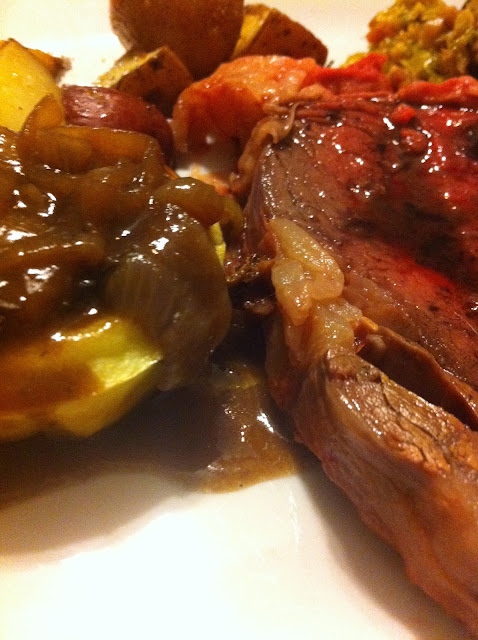
Creamy mashed potatoes are a natural partner because they absorb the red wine sauce, but there are other satisfying options. Soft polenta brings a subtle corn sweetness, buttered egg noodles make the meal feel homey, and celery root purée adds earthy elegance. A loaf of crusty bread is useful for catching every last spoonful.
Keep the garnish restrained. A scattering of chopped parsley brings color and freshness, while a few rosemary leaves can echo the braise. Avoid adding raw minced rosemary at the end unless it is extremely finely chopped; its assertive flavor can overwhelm the mellow sauce.
Choose a wine with enough acidity and structure to stand beside the beef. A Cabernet Sauvignon, Northern Rhône Syrah, Malbec, or full-bodied Italian red will work beautifully. If you used a lighter red in the pot, pour that same bottle at dinner. A simple bitter-leaf salad dressed with mustard vinaigrette can refresh the palate between bites.
Small details that make the meal sing
A few practical habits make this dish more reliable and easier to serve:
- Salt the ribs ahead when possible, then dry them carefully before searing.
- Brown the meat in batches and wait for a deep crust before turning it.
- Reduce the wine before adding stock so the braising liquid does not taste thin.
- Check tenderness with a fork rather than relying on cooking time alone.
- Skim the sauce and adjust it with vinegar, salt, or butter just before serving.
Save any leftover meat and sauce together. Shred the beef into the gravy and spoon it over toast, baked potatoes, creamy grits, or pasta. You can also fold it into a hand pie filling or use it as the foundation for a rich beef ragu. The flavor often becomes even more rounded after another night in the refrigerator.
For dessert, keep the ending simple but satisfying. Fresh pears, roasted apples, or a lightly sweetened cream dessert will provide contrast after the savory braise. If you want something especially indulgent, a dark chocolate tart with a smooth velvety chocolate ganache makes a fitting finish without requiring elaborate decoration.
Put the ribs in the oven, pour a glass of the wine you used in the pot, and let the afternoon unfold around the meal. When the sauce shines and the meat yields at the touch of a fork, bring the Dutch oven to the table and invite everyone to serve themselves.