
Building A Better Sandwich With Sourdough Aioli And Slow-Roasted Pork
A memorable sandwich is built in layers, but its success depends on how those layers work together. The bread needs enough character to stand up to a generous filling, the sauce should bring richness without making everything soggy, and the meat needs tenderness, seasoning, and a few crisp edges for contrast. When each part has a purpose, an everyday lunch becomes a proper meal.
Sourdough, aioli, and slow-roasted pork make an especially satisfying combination. The bread contributes gentle acidity and a chewy crust, while garlicky mayonnaise softens that sharpness with creamy fat. Pork roasted slowly with aromatics adds depth, and fresh or pickled toppings keep the sandwich bright.
This is also a useful formula rather than a rigid recipe. You can change the herbs, add roasted vegetables, use leftover pork shoulder, or replace the aioli with another savory spread. The essential idea is balance: richness needs acidity, softness needs crunch, and a substantial filling needs bread with enough structure to hold it.
Choose Bread With Structure And Flavor
A good sourdough loaf should have a firm crust and an open but resilient crumb. Very airy bread can collapse under juicy pork, while a thin, soft sandwich loaf may tear once the aioli and toppings are added. Look for slices that feel springy rather than fragile, with enough surface area to support the filling from edge to edge.
Slice the loaf moderately thick, around half an inch to three-quarters of an inch. Thin slices disappear beneath the meat, while excessively thick slices can make the sandwich feel dry and bread-heavy. If the loaf is especially crusty, remove only the hardest corners or toast it briefly to make chewing easier without losing its character.
Toasting is worth doing, but the goal is not brittle bread. A light toast creates a protective layer that slows the migration of sauce into the crumb. Toast the cut sides in a skillet, toaster oven, or dry pan until golden at the edges and just crisp on the surface. A little olive oil or butter in the pan adds flavor, though the pork and aioli already provide plenty of richness.
Build A Silky Garlic Aioli
Aioli gives the sandwich its creamy center and carries garlic, lemon, and herbs through every bite. A quick version made with good mayonnaise is entirely appropriate for home cooking. Stir together mayonnaise, finely grated garlic, lemon juice, a pinch of salt, and a little black pepper. Let it rest for ten minutes so the raw garlic can mellow and perfume the sauce.
For a more rounded flavor, add a teaspoon of Dijon mustard or a small splash of extra-virgin olive oil. Chopped parsley, chives, or tarragon can make the spread feel fresher, while smoked paprika brings a subtle connection to the roasted pork. Keep the sauce thick enough to cling to the bread; a loose aioli will run out and leave the sandwich greasy.
A sandwich benefits from a sauce that is seasoned more boldly than you might serve at the table. The bread and pork will dilute its impact, so taste it after it has rested and adjust the lemon and salt. If the pork has a sweet glaze, make the aioli more acidic. If the meat is heavily seasoned, keep the sauce simple and bright. For more ideas that can extend beyond this sandwich, explore these sides and sauces for adaptable accompaniments.
Roast Pork Until It Pulls Apart
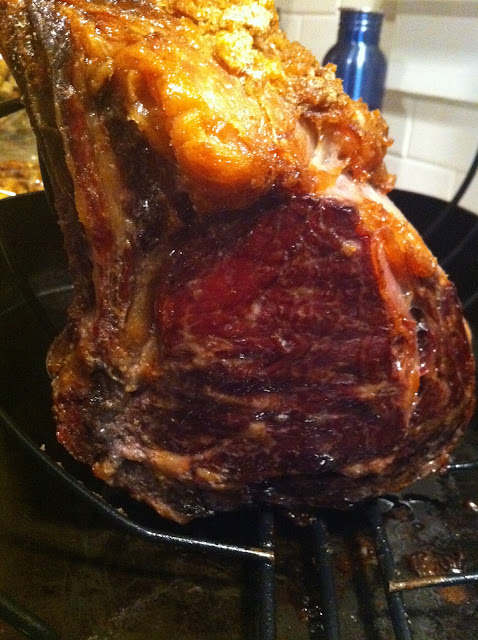
Pork shoulder is ideal because slow cooking transforms its connective tissue into tenderness. Season it generously with salt, black pepper, garlic, fennel seed, smoked paprika, or crushed coriander, depending on the flavor direction you want. A short rest after seasoning helps the salt move beyond the surface, while an overnight rest produces even deeper seasoning.
Sear the pork before roasting if you have time. Browning creates savory notes that a low oven alone cannot provide. Set the meat in a roasting pan with onion, garlic, and a modest amount of stock, cider, or wine. Cover it for most of the cooking time, then uncover it near the end so the exterior can darken and the rendered fat can turn crisp.
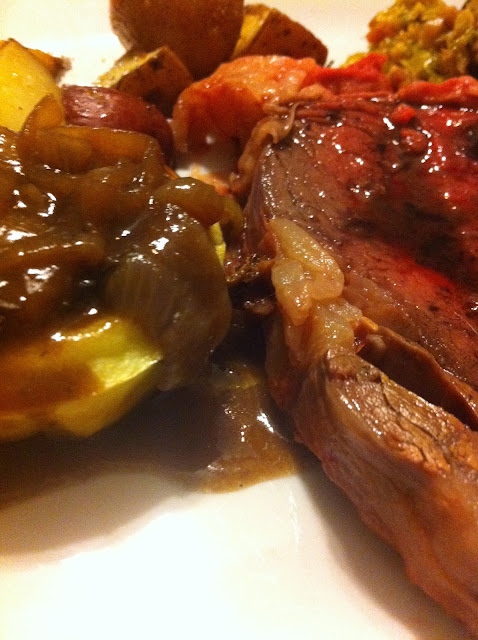
Cook by texture rather than by the clock. Pork shoulder is ready when a fork slides in easily and the meat can be pulled into soft strands. Depending on its size and the oven temperature, this may take several hours. Rest the roast before shredding it, then toss the meat with a spoonful of its pan juices. This keeps the pork moist without flooding the sandwich.
If you are using a leaner cut such as pork loin, change the method. Roast it only until just cooked, slice it thinly, and rely on the aioli and vegetables for moisture. Pork loin will not become pull-apart tender in the same way as shoulder, but its clean flavor works beautifully with sourdough and sharp condiments.
Balance Richness With Fresh Contrast
The best pork sandwich has more than soft meat and creamy sauce. Add something crisp, acidic, or lightly bitter to keep the palate awake. Shaved fennel, thinly sliced radishes, peppery arugula, and crunchy cabbage are all excellent choices. A handful of herbs can make the sandwich taste lighter without changing its essential character.
Pickled onions are especially useful. Their color is appealing, but their real value is the vinegar tang that cuts through pork fat. Quick-pickle thinly sliced red onion in a mixture of vinegar, water, sugar, and salt for at least thirty minutes. Pickled jalapeños, mustard greens, or a spoonful of sauerkraut can provide the same kind of contrast.
Roasted peppers and caramelized onions add sweetness, so use them thoughtfully. They pair well with salty pork and a garlicky spread, but too many sweet elements can make the sandwich heavy. A bitter green or splash of vinegar restores definition. If you are serving a warm sandwich, add delicate greens at the last moment so they wilt slightly without disappearing.
| Component | Best role | Practical choice |
|---|---|---|
| Sourdough | Structure and gentle acidity | Thick slices, lightly toasted |
| Slow-roasted pork | Savory, tender centerpiece | Shoulder with pan juices |
| Aioli | Creaminess and garlic flavor | Mayonnaise, garlic, lemon, Dijon |
| Pickled topping | Brightness and balance | Red onion, jalapeño, or cabbage |
| Fresh vegetable | Crisp texture | Fennel, radish, arugula, or slaw |
| Finishing accent | Extra depth | Herbs, mustard, or pan juices |
Assemble Every Layer With Intention
Start with warm, toasted sourdough and spread aioli on both slices. Coating both sides protects the crumb and ensures the sauce is present in every bite. If you are adding very juicy pork, spread a slightly thinner layer on the bottom slice and a fuller layer on top, where it can mingle with the vegetables.
Place the pork over the bottom slice while it is warm. Warm meat releases more aroma and helps the sandwich feel cohesive, but it should not be steaming hot. Excess heat can wilt the greens too aggressively and cause the aioli to slide. Add a small amount of pan juice to the meat before assembling rather than pouring liquid directly onto the bread.
Follow the pork with a crisp or pickled element, then add greens and any roasted vegetables. This order gives the sandwich a stable center and places the most delicate ingredients away from the wettest surface. Finish with the top slice and press gently. A firm press is useful; crushing the bread is not.
Cut the sandwich with a sharp serrated knife and serve immediately. If you need to transport it, cool the pork first, drain pickled vegetables well, and pack the aioli separately when possible. Assemble shortly before eating so the sourdough keeps its texture.
Turn Leftovers Into Another Meal
A slow-roasted pork sandwich is an excellent reason to cook a larger roast than you need for one dinner. The leftover meat can become tacos, fried rice, grain bowls, or a filling for savory pastries. When reheating, add a splash of stock or reserved pan juices and cover the pan so the pork stays tender.
For a rustic hand pie, combine the pork with sautéed onion, greens, or a little mustard, then use this foolproof pie crust for a dependable pastry shell. The same principles still apply: the filling needs moisture and seasoning, while the pastry supplies richness and structure. A spoonful of aioli can be served alongside rather than baked inside.
You can also change the sandwich’s personality with a new seasoning direction. Fennel seed and rosemary make it feel Mediterranean; cumin, coriander, and lime move it toward a brighter, spiced profile; apple slices and sharp mustard create a sweet-savory pairing for autumn. Keep the bread and basic construction consistent while changing one or two flavor elements at a time.
Make The Sandwich Work For Your Table
Use these guidelines when choosing the final details:
- Choose pork shoulder for shreddable tenderness and pork loin for neat, thin slices.
- Make the aioli at least ten minutes ahead so the garlic flavor rounds out.
- Include one acidic or pickled ingredient whenever the filling is rich.
- Toast sourdough lightly and keep the slices thick enough to support the meat.
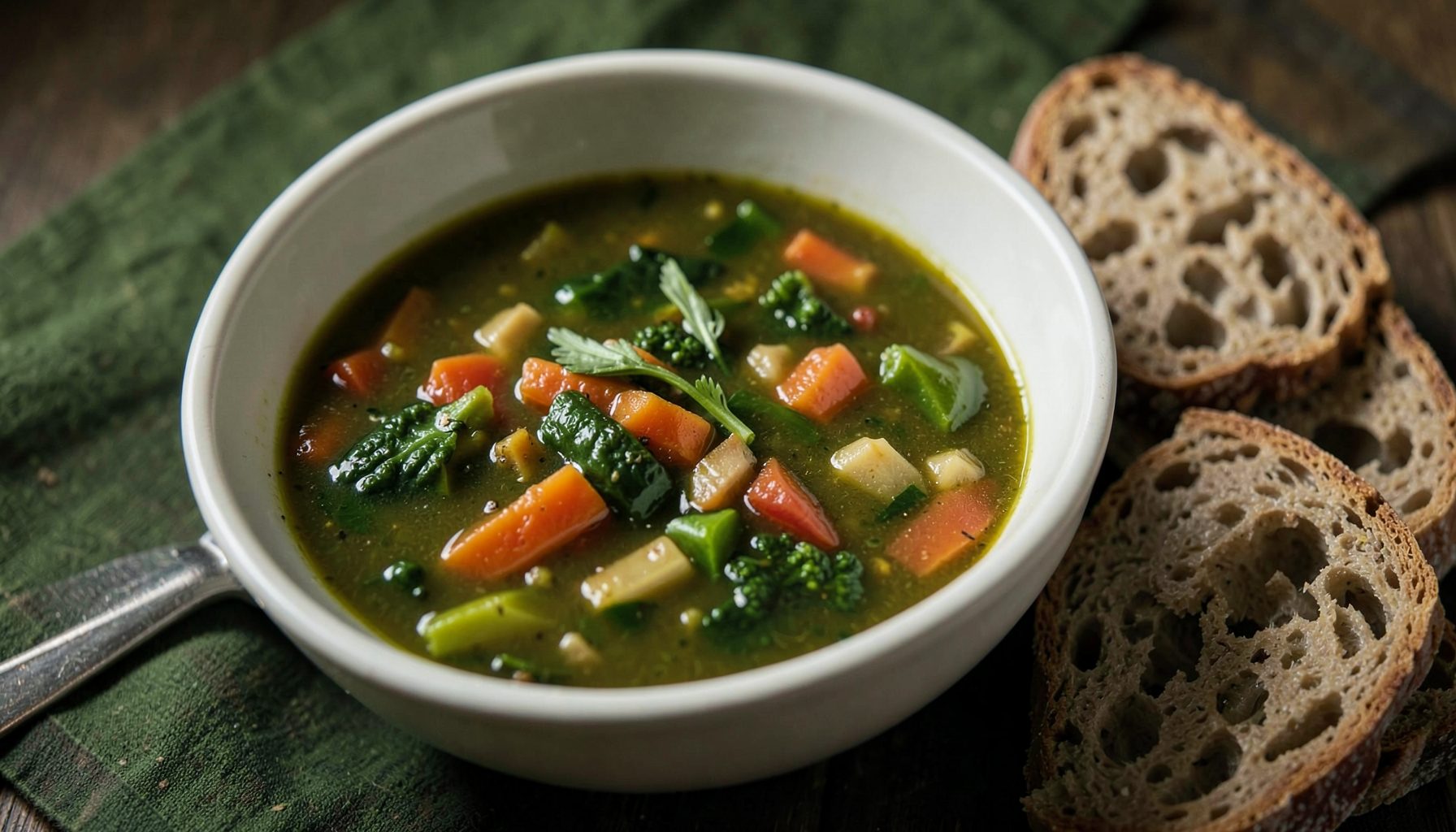
- Serve with a crisp salad, roasted vegetables, or a cup of broth instead of piling on too many heavy toppings.
This sandwich is at its best when it feels abundant but composed. The pork should remain the focus, the aioli should connect rather than overwhelm, and every fresh topping should bring either crunch, acidity, or herbal lift. A glass of medium-bodied red wine, a tart cider, or a cold sparkling drink can echo those flavors without competing with them.
Prepare the pork slowly, stir together the aioli, toast the sourdough, and assemble while the contrast between warm meat and cool toppings is still vivid. Save the extra roast for tomorrow’s meal, and let this flexible combination become part of your regular kitchen repertoire.