
Building Layers of Flavor in a Rustic White Bean Stew
A good white bean and sausage stew tastes as though it has been simmering all day, even when the cooking takes less than an hour. Its depth comes from a series of small decisions: browning the sausage thoroughly, softening the vegetables until sweet, seasoning in stages, and adding broth with enough restraint to preserve the character of every ingredient.
This is the kind of cooking that rewards attention rather than expensive equipment. Creamy cannellini beans, smoky sausage, tender greens, and a fragrant base can become a deeply satisfying meal from ordinary pantry staples. The finished dish should feel rustic, generous, and full of contrast.
The key is to treat flavor as a structure. Fat carries aroma, browning contributes savoriness, acid sharpens richness, and time allows the ingredients to settle into one cohesive pot. Once those principles become familiar, the recipe can shift with the seasons and whatever is waiting in the kitchen.
Start With Ingredients That Carry Their Weight
Choose a sausage with a clear personality. Italian pork sausage brings fennel and garlic, while a smoked kielbasa contributes a deeper, woodsy flavor. Spicy sausage can stand up to sturdy greens and rich stock, though a mild version gives you more control over the heat. Remove the casings if you want the meat to crumble through the stew, or leave the links intact for larger, rustic bites.
White beans should be creamy inside but able to hold their shape. Canned cannellini or great northern beans are convenient and work beautifully after a thorough rinse. If using dried beans, cook them separately until tender before adding them to the stew. Their cooking liquid can be saved and used in place of some stock, adding body without making the dish heavy.
The supporting vegetables matter just as much. Onion, carrot, and celery provide sweetness and a rounded base, while garlic adds a sharper aromatic note. For a more country-style variation, add chopped fennel bulb, leeks, or a small amount of diced winter squash. Fresh rosemary, thyme, sage, and parsley each pull the stew in a slightly different direction, so choose herbs that complement the sausage rather than competing with it.
Build Browning Before Adding Liquid
Use a heavy Dutch oven or wide soup pot so the sausage has room to make contact with the surface. Heat a small amount of olive oil, then crumble in the meat. Let it sit undisturbed for a few minutes before stirring. Deep golden edges bring roasted, savory flavors that pale sausage cannot provide, and the browned bits left on the bottom become the foundation for the broth.
If the pot looks crowded, brown the sausage in batches. Steaming is the enemy of caramelization, especially when using a large quantity of meat straight from the refrigerator. Once browned, transfer it to a bowl, leaving the rendered fat behind. If the sausage releases a great deal of grease, pour off some of it while keeping enough to cook the vegetables.
Add the onion, carrot, and celery to the same pot, scraping gently as they soften. Season with a modest pinch of salt at this stage, since the sausage and stock may already contain plenty. Cook until the onion turns translucent and the edges of the vegetables begin to color. Add garlic near the end of this step so it becomes fragrant without burning.
A spoonful of tomato paste can be stirred into the vegetables and cooked for a minute or two. It contributes concentrated umami, gentle acidity, and a richer color. A splash of dry white wine can loosen the browned fond, though water or stock works well if wine is not available. Allow the liquid to reduce before moving on; a concentrated base gives the stew more presence than a large amount of thin broth.
Layer Seasoning Through the Simmer
Return the sausage to the pot, then add the beans, stock, herbs, and a few grinds of black pepper. The liquid should come close to covering the ingredients without turning the stew into soup. Bring everything to a gentle simmer rather than a hard boil. Vigorous bubbling can break the beans and toughen the sausage, while a quiet simmer lets the flavors mingle gradually.
A Parmesan rind, bay leaf, or strip of lemon peel can add subtle complexity. These additions should support the main ingredients, not announce themselves. Taste the broth after fifteen minutes and adjust the seasoning. Salt added near the beginning helps the vegetables cook properly, while a final adjustment accounts for reduction and the saltiness of the sausage.
For a thicker texture, mash a ladleful of beans against the side of the pot and stir them back in. Another option is to blend one cup of the stew and return it to the Dutch oven. This creates a creamy broth without flour or cream, leaving enough whole beans and sausage pieces to keep the dish rustic.
| Flavor stage | What to do | What it contributes |
|---|---|---|
| Searing | Brown sausage in a wide pot | Roasted meatiness and crisp edges |
| Aromatics | Cook onion, carrot, celery, and garlic | Sweetness, fragrance, and balance |
| Concentration | Fry tomato paste and deglaze | Umami, color, and depth |
| Simmering | Add beans, stock, herbs, and sausage | A unified savory broth |
| Finishing | Add greens, acid, herbs, and olive oil | Freshness, contrast, and aroma |
Finish With Freshness and Contrast
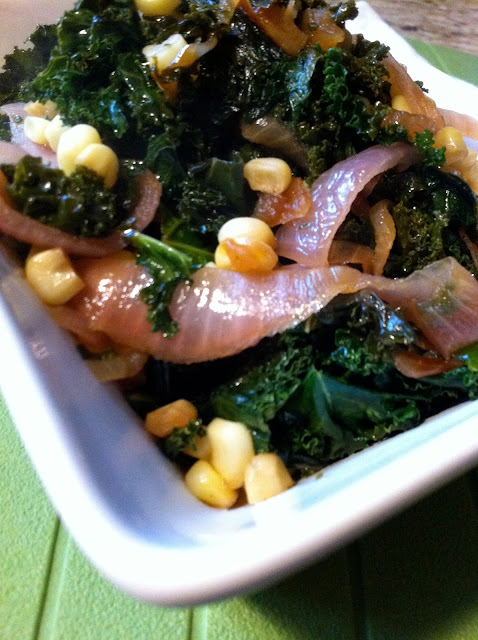
Tender greens are best added toward the end. Tuscan kale, escarole, Swiss chard, or baby spinach each behaves differently, but all bring color and a slightly bitter counterpoint to the rich sausage. Remove thick kale stems, slice the leaves into ribbons, and simmer them until tender. Delicate spinach needs only a minute or two.
Acid is one of the most important finishing elements in a bean stew. A teaspoon of red wine vinegar, sherry vinegar, or lemon juice can wake up the entire pot. Add it gradually, tasting after each addition. The goal is not a sour stew; it is a brighter, more defined version of the same savory flavors.
Finish each bowl with chopped parsley, grated Parmesan, cracked pepper, and a thin drizzle of good olive oil. A spoonful of herb sauce can bring another layer of freshness. Recipes and ideas gathered in the sides and sauces collection can help turn a simple garnish into a deliberate part of the meal.
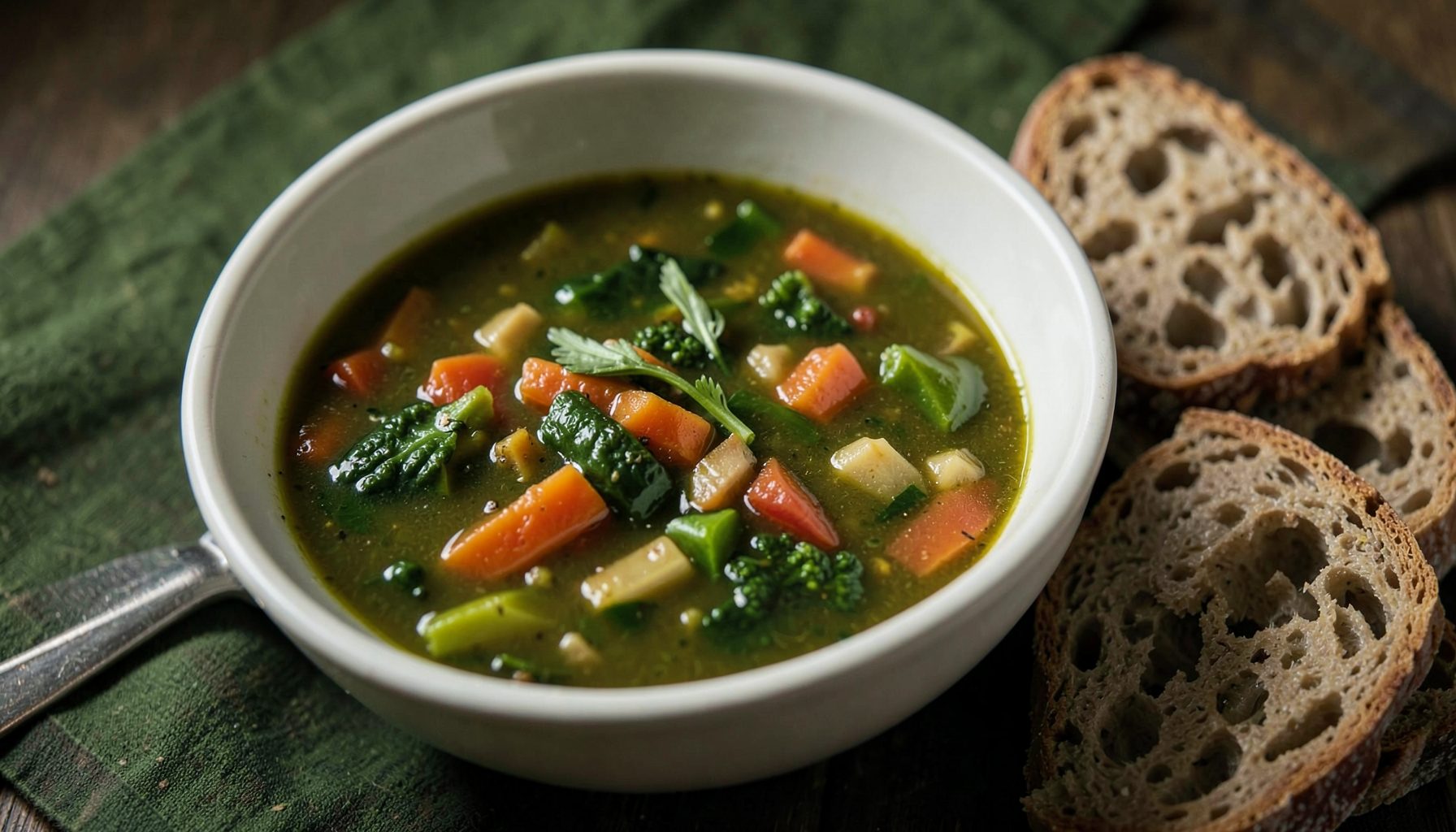
Serve the stew with grilled sourdough, toasted country bread, or a simple garlic crostini. The bread should have enough structure to absorb the broth while retaining a little chew. A crisp green salad dressed with mustard vinaigrette also gives the meal a clean, lively edge.
Choose the Right Texture for the Occasion
A brothy version works well for a lighter supper. Keep the beans mostly whole, use a little extra stock, and add greens just before serving. This style highlights the individual ingredients and pairs naturally with crusty bread or a glass of dry white wine.
For a more substantial winter meal, reduce the stock slightly and mash some of the beans into the liquid. The result should coat a spoon without becoming pasty. A small amount of cream can be added, but it is rarely necessary when the beans are properly cooked and the broth has been reduced with care.
Texture depends on timing as much as ingredients. Canned beans can become fragile if simmered too long, so add them after the aromatic base is fully developed. If using homemade beans, reserve a little of their cooking liquid; it often contains enough starch to enrich the stew while preserving a clean bean flavor.
The same attention to gradual incorporation applies across the kitchen. Smooth, cohesive textures depend on patience, controlled heat, and adding rich ingredients at the right moment, much like the method behind a velvety chocolate ganache. The ingredients differ, but the underlying lesson is similar: texture is built rather than simply added.
Make the Pot Your Own
This stew welcomes seasonal changes. In early autumn, add chopped apples or roasted squash for gentle sweetness. In winter, use rosemary, kale, and smoked sausage. Spring greens such as chard or young spinach make the dish lighter, while summer tomatoes can replace some of the stock and tomato paste.
A vegetarian variation can be built with mushrooms, smoked paprika, and vegetable stock. Brown the mushrooms deeply before adding the aromatics, since their moisture needs time to evaporate. A spoonful of miso or finely grated Parmesan can supply savory depth in the absence of sausage.
For a seafood version, omit the sausage and begin with fennel, leek, and garlic. Simmer the beans in a saffron-scented broth, then add firm white fish or shrimp during the final minutes. The same framework remains useful: develop the base first, add delicate ingredients later, and finish with acid and herbs.
Leftovers often taste even better the next day. Store the stew in a covered container and loosen it with stock when reheating, since the beans will continue absorbing liquid. Warm it gently rather than boiling, then refresh the flavor with parsley, lemon, or vinegar just before serving.
Practical Habits for Deeper Flavor
- Brown sausage in batches so every piece develops a savory crust.
- Salt the vegetables, broth, and final bowl separately, tasting as the stew develops.
- Use bean cooking liquid or a portion of mashed beans to thicken the broth naturally.
- Add greens, herbs, and acid near the end to preserve their freshness.
- Rest the finished stew for ten minutes before serving so the flavors can settle.
A rustic white bean and sausage stew becomes memorable when each layer has a purpose. The sausage supplies richness, the vegetables create sweetness, the beans give the broth body, and the finishing herbs and acid keep the dish from feeling heavy. No single ingredient has to dominate; the pleasure comes from how they support one another.
Make a pot when the weather turns cool, using the beans, greens, and sausage that appeal to you that day. Serve it with warm bread, pour a glass of wine, and save a portion for tomorrow’s lunch. This is practical, generous cooking—food with enough depth for a special meal and enough flexibility for an ordinary evening.