
Butter-Basted Pan-Seared Pork Chops with Sage and Apples
Few skillet dinners bring together comfort, fragrance, and speed as gracefully as pork chops cooked in foaming butter with fresh sage and sweet-tart apples. The pork develops a deeply browned crust while the pan juices become a savory sauce with hints of garlic, cider, and caramelized fruit.
This recipe is designed for a weeknight but has enough polish for a relaxed dinner with friends. The key is to treat each ingredient with care: dry the chops thoroughly, season them ahead when possible, choose a heavy skillet, and let the meat rest before slicing.
The apples soften around the edges while keeping enough shape to contrast with the tender pork. Sage perfumes the butter, and a splash of apple cider vinegar or dry white wine keeps the finished dish balanced rather than heavy.
Select And Prepare The Pork
Bone-in rib or center-cut pork chops are especially good for this preparation because the bone helps protect the meat from overcooking and contributes flavor to the pan sauce. Choose chops that are about 1 to 1½ inches thick, with a modest rim of fat and an even pink color. Thin breakfast-style chops cook quickly, but they offer less forgiveness and can become dry before the crust develops.
Pat the pork dry with paper towels before seasoning. Moisture on the surface must evaporate before browning begins, so damp chops tend to steam instead of sear. Season both sides generously with kosher salt and freshly ground black pepper. If time allows, refrigerate the seasoned chops uncovered for at least 30 minutes or up to overnight; this dry-brining step improves seasoning and helps the exterior brown beautifully.
Take the meat from the refrigerator about 20 minutes before cooking. A slightly tempered chop cooks more evenly, though it should not sit out for an extended period. Gather the butter, sage, garlic, apples, and finishing liquid before heating the skillet, since the cooking process moves quickly once the pork is browned.
Build A Deep Golden Crust
A cast-iron skillet or heavy stainless-steel pan holds heat well and gives the pork a substantial sear. Warm a thin film of neutral oil over medium-high heat until it shimmers. Lay in the chops with space between them, pressing lightly for the first few seconds so the full surface meets the pan. Leave them undisturbed until a rich brown crust forms, usually three to five minutes depending on thickness.
Turn the chops and reduce the heat to medium. Add unsalted butter, several sage leaves, and a lightly crushed garlic clove. As the butter foams, tilt the pan and spoon the fragrant fat repeatedly over the top of the pork. This butter-basting technique carries sage and garlic across the meat while gently cooking the second side.
An instant-read thermometer is more dependable than timing alone. Remove the pork when the thickest part reaches about 140°F, then transfer it to a warm plate. Carryover cooking will bring it to the USDA-recommended 145°F while the juices settle. Avoid cutting into the chops immediately; a five-minute rest keeps the interior moist.
Turn The Pan Into A Sauce
Use the same skillet for the apples so the fruit absorbs every browned bit left by the pork. Choose firm apples such as Honeycrisp, Pink Lady, Braeburn, or Granny Smith. Slice them into wedges rather than thin pieces, which allows them to soften without collapsing completely. A mixture of sweet and tart apples creates a more nuanced flavor.
Add the apple wedges to the buttery skillet over medium heat. Cook them cut-side down until lightly caramelized, then turn them and add a small splash of apple cider, dry white wine, or unsalted chicken stock. Scrape the fond from the bottom of the pan with a wooden spoon. The liquid will loosen the concentrated pork and sage flavors and become the foundation of the sauce.
Finish with a teaspoon or two of apple cider vinegar, lemon juice, or Calvados if desired. The acidity should brighten the butter rather than dominate it. Return the rested chops and any collected juices to the pan for a brief warming, then spoon the apples and sauce over the meat.
Match The Cut To The Skillet
Thickness determines the balance between a browned exterior and a juicy center. Use the guide below as a starting point, then rely on internal temperature for the final decision. Boneless chops require especially close attention because they contain less protective fat and connective tissue.
| Pork chop style | Best use | Approximate searing time | Cooking note |
|---|---|---|---|
| 1-inch bone-in chop | Quick skillet dinner | 3–4 minutes per side | Watch the temperature closely after turning |
| 1½-inch bone-in chop | Juiciest, most forgiving option | 4–5 minutes per side | Finish gently with butter basting |
| ¾-inch boneless chop | Fast weeknight meal | 2–3 minutes per side | Remove promptly to prevent dryness |
| Thick-cut porterhouse chop | Special occasion serving | 4–6 minutes per side | Sear the fat edge before basting |
| Thin-cut loin chop | Light, quick preparation | 1½–2 minutes per side | Use a hotter pan and a brief rest |
A crowded pan lowers the temperature and traps steam, so cook in batches if necessary. Let the skillet recover its heat between batches, adding a few drops of oil only if the surface looks dry. For very thick chops, sear the fat cap by holding the pork upright with tongs for 30 to 60 seconds; rendering that edge gives the finished dish extra savoriness.
Balance The Plate With Seasonal Sides
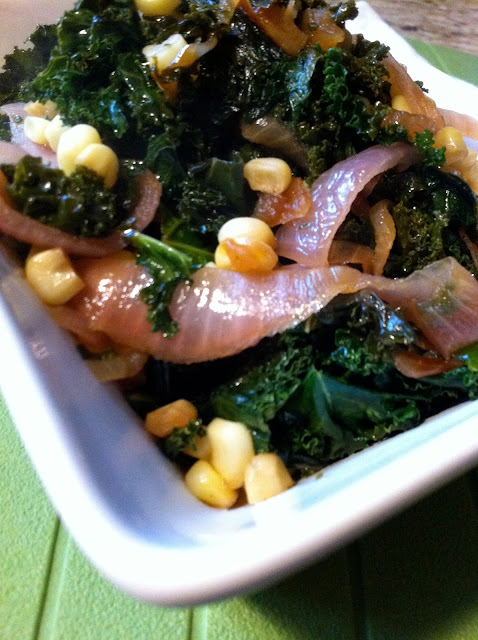
The pork and apple combination is rich enough to benefit from simple accompaniments. Creamy polenta, mashed potatoes, roasted sweet potatoes, or buttered egg noodles will catch the sage-infused pan juices. For a lighter plate, serve the chops with bitter greens dressed in mustard vinaigrette or a crisp fennel and celery salad.
A warm grain such as farro or barley adds a pleasantly chewy contrast, especially when tossed with parsley and a little lemon zest. Braised cabbage, roasted Brussels sprouts, and glazed carrots also work well because their earthy sweetness echoes the apples without making the meal taste sugary.
For a bread-centered meal, serve slices of fluffy buttery challah alongside the skillet. The tender crumb is excellent for mopping up the last of the sage butter and apple juices, turning a small amount of sauce into part of the experience rather than leaving it behind.
Season The Dish Beyond Salt
Fresh sage is the defining herb here, but a few supporting flavors can shift the character of the meal. A pinch of crushed red pepper gives the butter gentle warmth, while fennel seed adds a subtle anise note that suits both pork and apples. Fresh thyme can join the sage, though it should remain secondary so the sauce does not become overly herbal.
For a more autumnal version, add a small pinch of ground cinnamon or allspice to the apples. Use restraint: the dish should read as savory first. A spoonful of whole-grain mustard whisked into the pan sauce creates a sharper, more rustic finish, and a drizzle of maple syrup can round out particularly tart apples.
Wine pairing depends on the sweetness of the fruit and the intensity of the sauce. A lightly oaked Chardonnay, dry Riesling, or Pinot Noir has enough acidity to refresh the palate while complementing the pork. Cider is a natural choice as well; select a dry version rather than a very sweet one. For alcohol-free options, browse these refreshment ideas for a drink with enough brightness to accompany the butter-rich skillet.
Make The Method Your Own
The basic technique can be adapted to suit the season. In late summer, replace the apples with firm peaches or plums and add a few basil leaves after cooking. In winter, pears, cranberries, and a splash of cider create a deeper, more festive sauce. In spring, use a few sliced apples with peas or tender greens folded in at the end.
When making the dish for guests, prepare the apples and measure the sauce ingredients before beginning. Sear the pork in batches if needed, then keep the chops loosely covered while the pan sauce comes together. Return them to the skillet only long enough to warm through, preserving the crust as much as possible.
A few practical details make the recipe especially reliable:
- Use a thermometer rather than judging doneness by color alone.
- Keep the butter at a gentle foam so the milk solids brown without burning.
- Add the apples after the pork has rested, allowing them to caramelize in the seasoned skillet.
- Taste the sauce after adding acid, then adjust with salt, pepper, or a small splash of stock.
- Slice the chops across the grain and spoon the apples over each portion just before serving.
Bring The Skillet To The Table
Arrange each pork chop with several apple wedges, a spoonful of glossy sage butter, and a scattering of fresh sage leaves. A little chopped parsley can provide color and a clean herbal note. Serve the sauce immediately, while the butter is still fragrant and the apples are warm.
This is the kind of dish that rewards attention without demanding complicated equipment or advanced technique. Start with well-seasoned, dry pork, create a firm crust, baste patiently, and use the same pan to build the sauce. Cook a batch of butter-basted pork chops with sage and apples, pair them with a simple seasonal side, and share the skillet while every spoonful is still warm.