
Crafting the Ultimate Grilled Cheese: Bread, Cheese, and Technique
A truly memorable grilled cheese sandwich is built from modest ingredients, yet every choice matters. The bread determines structure and texture, the cheese supplies aroma and melt, and the cooking method turns those elements into something crisp, molten, and deeply savory. When the balance is right, the sandwich feels far more special than its pantry-friendly parts suggest.
This is the kind of cooking that rewards attention rather than complexity. A good skillet, moderate heat, properly softened butter, and a few minutes of patience can produce a sandwich with a golden crust and a creamy center. Small additions—mustard, herbs, caramelized onions, or a spoonful of chutney—can make the flavor feel personal without hiding the essential bread-and-cheese character.
The best version also depends on contrast. Rich cheese benefits from acidity, sweetness, bitterness, or freshness at the table. A crisp salad, a bowl of tomato soup, or a tart pickle can turn a grilled cheese into a balanced meal, while a carefully chosen beverage helps round out its salty, buttery richness.
Choose Bread With Structure And Character
Sandwich bread works well when you want a soft, nostalgic result, but it should be sturdy enough to support melted cheese without collapsing. Sourdough brings tang and a pleasantly chewy crust, while country white bread offers a tender crumb and a classic flavor. Rye introduces earthy spice, and multigrain bread adds nuttiness and texture. Brioche can be delicious, though its sweetness and delicate crumb require gentler heat.
The ideal slices are neither paper-thin nor excessively thick. About half an inch gives the sandwich enough interior space for cheese while allowing the crust to brown before the filling overcooks. Very thick bread can leave the center cool when the exterior is already dark; very thin bread may become greasy or brittle.
Fresh bread is not always the best bread for this purpose. A loaf that is a day old often toasts more evenly and holds its shape better. If the slices are especially soft, leave them uncovered for a short time before cooking. This removes a little surface moisture and helps create a firmer, more even crust.
Build A Cheese Blend That Melts Well
Cheese selection is where a simple sandwich gains dimension. Cheddar delivers sharpness, color, and familiar savory depth. Gruyère melts smoothly and contributes toasted, nutty notes, while fontina is especially creamy. Monterey Jack, young gouda, provolone, and low-moisture mozzarella are useful for softness and stretch.
A blend is often more satisfying than a single cheese. Pair a bold cheese with one that melts readily: sharp cheddar with fontina, aged gouda with Monterey Jack, or Gruyère with mozzarella. Hard, aged cheeses bring concentrated flavor but can melt unevenly by themselves. Very soft cheeses may become oily or run out before the bread is fully browned.
Grate the cheese rather than laying down thick slices whenever possible. Shreds distribute heat more evenly and reach the edges of the bread, creating a cohesive filling. Keep the layer generous but restrained; too much cheese delays melting and makes the sandwich difficult to turn. A thin smear of Dijon mustard, pepper jelly, or fig preserves can add a bright or sweet counterpoint between the bread and cheese.
Fresh herbs are another way to add character. Chopped thyme pairs beautifully with cheddar, rosemary complements a rustic sourdough, and sage works with nutty cheeses. For guidance on using these herbs without overwhelming a dish, this fresh herb guide offers useful kitchen perspective.
Use Fat And Heat With Intention
Butter remains the classic choice because it supplies rich flavor and encourages a beautifully browned crust. Use softened butter so it spreads from edge to edge without tearing the bread. Unsalted butter gives you better control over seasoning, especially when using salty cheeses. A small amount of mayonnaise mixed with the butter can increase browning and create a remarkably crisp surface, though the flavor will be slightly tangier.
The skillet should be warm before the sandwich enters, but not smoking hot. Medium-low to medium heat is usually the sweet spot. High heat browns the bread quickly while leaving the cheese firm, which is the most common grilled cheese mistake. A heavy-bottomed skillet, cast-iron pan, or well-seasoned griddle holds steady heat and promotes even color.
Place the sandwich in the pan and let the first side cook undisturbed until it is a deep golden brown. Resist pressing down repeatedly, since that can squeeze out the melting cheese and compress the crumb. Once the first side is ready, turn the sandwich with a broad spatula and lower the heat if necessary. The second side often cooks a little faster because the pan is fully heated.
For a thicker sandwich, cover the pan briefly after turning. The trapped steam helps soften and melt the cheese, while a short uncovered finish restores crispness. Another reliable method is to warm the cheese gently before assembling, especially when using a dense or cold filling. The goal is synchronized timing: a crisp crust and a fully fluid center arriving together.
| Element | Best practice | Common mistake | Flavor result |
|---|---|---|---|
| Bread | Use sturdy slices about half an inch thick | Choosing bread that is too soft or thin | Better structure and even browning |
| Cheese | Combine a flavorful cheese with a smooth melter | Relying on a dry aged cheese alone | More depth with a creamy center |
| Fat | Spread softened butter evenly | Leaving dry patches on the crust | Consistent golden color |
| Heat | Cook over medium-low to medium heat | Starting with a smoking-hot pan | Crisp bread without burnt edges |
| Seasoning | Add mustard, herbs, pepper, or pickles sparingly | Overloading the filling | Contrast that preserves cheese flavor |
Add Flavor Without Losing Balance
A grilled cheese can accommodate many additions, but each one should have a purpose. Caramelized onions contribute sweetness and softness, roasted peppers bring gentle fruitiness, and thinly sliced apples add crisp acidity. Tomato slices are appealing but watery, so blot them well and use a modest amount. A layer of chutney or fruit preserve works best when paired with a sharper cheese.
Savory additions need careful preparation. Bacon should be cooked crisp and drained, while sautéed mushrooms should be browned until their moisture has evaporated. Spinach needs to be wilted and squeezed dry. These steps prevent excess liquid from steaming the bread and weakening the sandwich. Leftover roasted vegetables can work beautifully when cut into small pieces and warmed before assembly.
Seasoning should be subtle because cheese and butter already carry salt. Black pepper, smoked paprika, fennel seed, or a pinch of chili flakes can add dimension. A small amount of garlic rubbed on the finished crust is more controlled than raw minced garlic inside the sandwich, where it may burn. Chopped herbs should be scattered lightly so their aroma supports rather than dominates the filling.
Think about the complete plate. A rich sandwich needs something fresh and crisp alongside it, such as these bright salad pairings. A sharp vinaigrette, bitter greens, or crunchy cabbage cuts through the buttery crust and keeps each bite lively.
Make The Cooking Process More Reliable
Assemble all ingredients before heating the skillet. Grate the cheese, soften the butter, prepare any fillings, and set out the spatula. This matters because the cooking window is short; searching for ingredients while the bread browns often leads to overcooking. Spread the butter on the outer sides of the bread, then build the filling on the dry side.
Use a moderate cheese layer and keep it inside the edges. Cheese that reaches the perimeter may leak into the pan and burn before the interior is ready. If using wet ingredients, place the cheese between the bread and the moist filling to create a protective barrier. This arrangement also helps the cheese act as a kind of adhesive, holding the sandwich together during flipping.
After cooking, rest the sandwich for one or two minutes on a cutting board rather than leaving it in the hot pan. The residual heat finishes the melt, while the short rest allows the filling to settle. Cut it diagonally if you enjoy a generous cheese pull, or into smaller pieces when serving with soup or a tasting plate.
If the crust is browning too quickly, reduce the heat immediately rather than moving the sandwich to a cold pan. If the bread looks pale after several minutes, the pan may be underheated or the butter may have been spread too thinly. Learning to read the color and listen for a gentle sizzle is more useful than following an exact cooking time.
Pair The Sandwich With The Right Sides
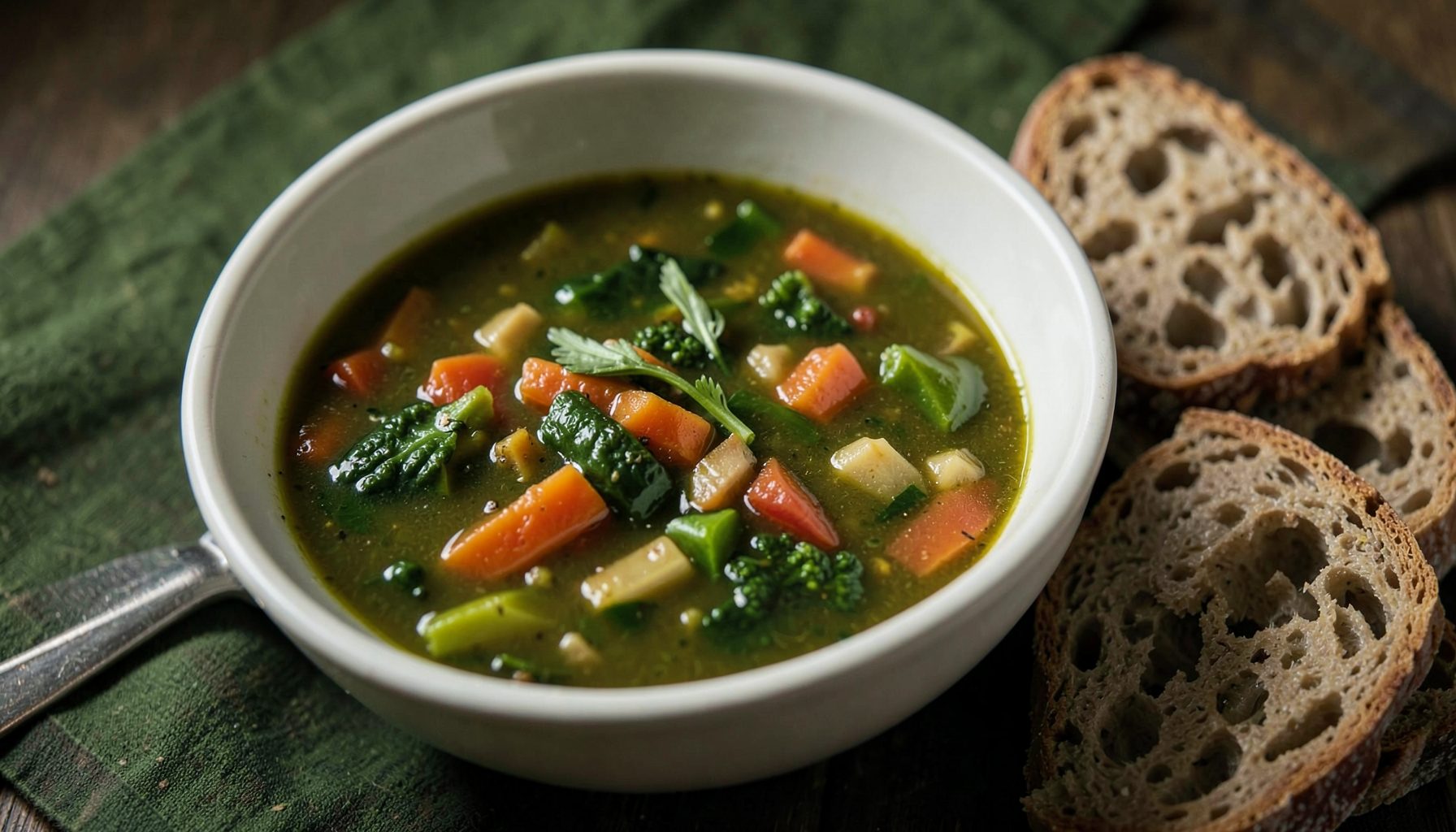
Tomato soup is a natural partner because its acidity balances the sandwich’s richness. A roasted tomato soup brings sweetness and depth, while a fresh tomato broth feels lighter. Other good options include creamy cauliflower soup, lentil soup with lemon, or a simple vegetable broth. Keep the soup moderately seasoned so it complements rather than competes with the cheese.
Pickles, olives, pepperoncini, and lightly dressed greens provide welcome sharpness. A small portion of roasted vegetables can add sweetness and substance, especially when the sandwich is served for lunch. Explore combinations in this collection of sides and sauces for accompaniments that bring acidity, freshness, or extra savory depth.
Beverage pairing can be equally thoughtful. A crisp hard cider echoes the apple-like notes in many aged cheeses, while a pale ale refreshes the palate after each buttery bite. For wine, choose something with acidity rather than heavy tannin: sparkling wine, Sauvignon Blanc, dry Riesling, or a light-bodied red served slightly cool can all work well.
Practical Choices For Better Sandwiches
The most useful improvements are simple and repeatable. Focus on even spreading, moderate heat, and a cheese combination that melts at a similar rate. Once those fundamentals are reliable, seasonal ingredients can shift the sandwich throughout the year: roasted squash and sage in autumn, fresh basil and tomato in summer, or sautéed greens and sharp cheddar in cooler months.
- Choose sturdy, flavorful bread with a crumb that will not collapse.
- Combine one assertive cheese with one dependable melting cheese.
- Cook slowly enough for the center to become fluid before the crust darkens.
- Drain or dry moist fillings before adding them to the sandwich.
- Serve with something acidic, crisp, or fresh to balance the richness.
A well-made grilled cheese should feel generous without being heavy. The crust should crackle softly, the interior should stretch and melt, and every added ingredient should have a clear role. This balance comes from technique more than extravagance, which is why the sandwich remains such a rewarding project for home cooks.
Use the method as a foundation, then make it yours with the bread, cheese, herbs, and seasonal ingredients already in your kitchen. Prepare a skillet, choose a thoughtful pairing, and cook one carefully enough to notice the transformation from simple pantry staples to a deeply satisfying meal.