
Farmers’ market squash worth bringing home
A walk through a farmers’ market in late summer or autumn can reveal a much wider world of squash than the familiar zucchini and butternut. You may find deeply ribbed delicata, striped carnival squash, pale blue honeynut, knobbly Turk’s turban, elongated tromboncino, or gourds in colors that seem better suited to a still-life painting than a dinner plate.
These unusual varieties reward curiosity, but they do not all behave the same way in the kitchen. Some have thin, edible skins and cook quickly, while others need a sturdy knife, a longer roasting time, or a little help from stock and aromatics. Learning those differences makes market discoveries easier to turn into satisfying meals.
The best approach is to let the squash guide the recipe. A sweet, dense variety can become a silky soup or a caramelized side dish. A tender young squash may be shaved into a salad. Even a visually dramatic specimen can have a practical place at the table when you understand its texture, moisture, and flavor.
How to choose a market squash
Begin with weight. A squash that feels heavy for its size usually has firm flesh and good moisture. The skin should be free from soft spots, leaking areas, and deep cracks. A dry stem is normal and often indicates that the squash has matured properly, while a green, freshly cut stem may mean it was harvested recently.
Color can offer clues, though it is not a complete guide. Pale green kabocha, blue-gray hubbard, and orange delicata all signal different flavors, but the most important distinction is often density. Dense squash tend to roast into creamy, concentrated bites. More watery varieties are excellent for quick sautés, fritters, and soups where excess moisture can evaporate.
Ask the grower how the squash is usually cooked. Farmers often know which varieties have edible skin, which ones are especially sweet, and which need curing before their flavor develops. If the market offers small samples, taste them simply. A squash with a nutty, chestnut-like quality may need very little seasoning, while a mild one can carry bold herbs, chile, cheese, or a bright sauce.
Preparing unfamiliar varieties safely
Wash the exterior before cutting, even when you plan to remove the skin. Market squash may carry soil in the stem cavity and along deep ridges. Use a stable cutting board and a sharp chef’s knife. For a very hard specimen, slice off a thin piece from the top and bottom first so it sits flat instead of rolling.
You do not need to peel every squash. Delicata, acorn, sweet dumpling, and many young edible-skinned varieties soften beautifully in the oven. The skin adds color, fiber, and structure. Hubbard, some kabocha types, and mature turban squash have tougher exteriors that are easier to remove after cooking. Roast them in large pieces, then separate the tender flesh from the skin with a spoon.
Seeds are worth saving. Rinse away the strings, dry them thoroughly, and toss them with oil, salt, smoked paprika, or ground coriander. Roast at 325°F until crisp, stirring once or twice. They make a crunchy garnish for soup, a topping for grain bowls, or a snack with a glass of cider.
Cut squash into pieces of similar size so they finish together. Wedges keep their shape for serving, cubes create more browned edges, and thin half-moons cook quickly in a skillet. If the flesh is particularly watery, salt it lightly and let it rest for 15 minutes before cooking, then pat it dry.
Roasting for sweetness and texture
Roasting is the most reliable first recipe for an unfamiliar squash. Heat the oven to 425°F, coat the pieces lightly with olive oil, and season with salt. Arrange them with space between each piece. Crowding traps steam and leaves the squash soft before it has a chance to caramelize.
The flavor can move in several directions. Sage, thyme, rosemary, and garlic emphasize the savory side of squash. Cinnamon, nutmeg, maple, and brown butter bring out its dessert-like character. For contrast, finish roasted wedges with lemon juice, sherry vinegar, hot honey, or a spoonful of yogurt seasoned with garlic and salt.
A useful technique is to roast the squash plain until nearly tender, then add delicate ingredients near the end. Fresh herbs can burn, and maple syrup may darken too quickly. Tossing the cooked pieces with herbs, toasted nuts, or cheese after roasting preserves their freshness and keeps the flavors distinct.
Roasted squash can anchor a complete meal rather than merely accompany one. Serve it over farro with bitter greens, fold it into warm lentils, or place it beside grilled chicken or seared pork. Its sweetness benefits from something acidic and something crisp, so include pickled onions, citrus, toasted seeds, or a sharp salad.
| Squash or gourd | Texture and flavor | Best first preparation | Flavor partners |
|---|---|---|---|
| Delicata | Tender, sweet, thin edible skin | Roasted rings or half-moons | Sage, feta, maple, pepitas |
| Kabocha | Dense, creamy, chestnut-like | Roasted wedges or soup | Miso, ginger, sesame, lime |
| Honeynut | Very sweet, concentrated flesh | Halved and roasted | Brown butter, chili, walnuts |
| Tromboncino | Mild, firm, zucchini-like | Sautéed or grilled | Tomato, basil, garlic, parmesan |
| Turban squash | Firm, gently sweet, dramatic shape | Roasted pieces or stuffed | Wild rice, mushrooms, herbs |
| Hubbard | Dense, rich, slightly nutty | Roasted and puréed | Apple, curry, cream, sage |
| Acorn | Mildly sweet with defined ridges | Stuffed and baked | Sausage, quinoa, cranberries |
Turning squash into soups and sauces
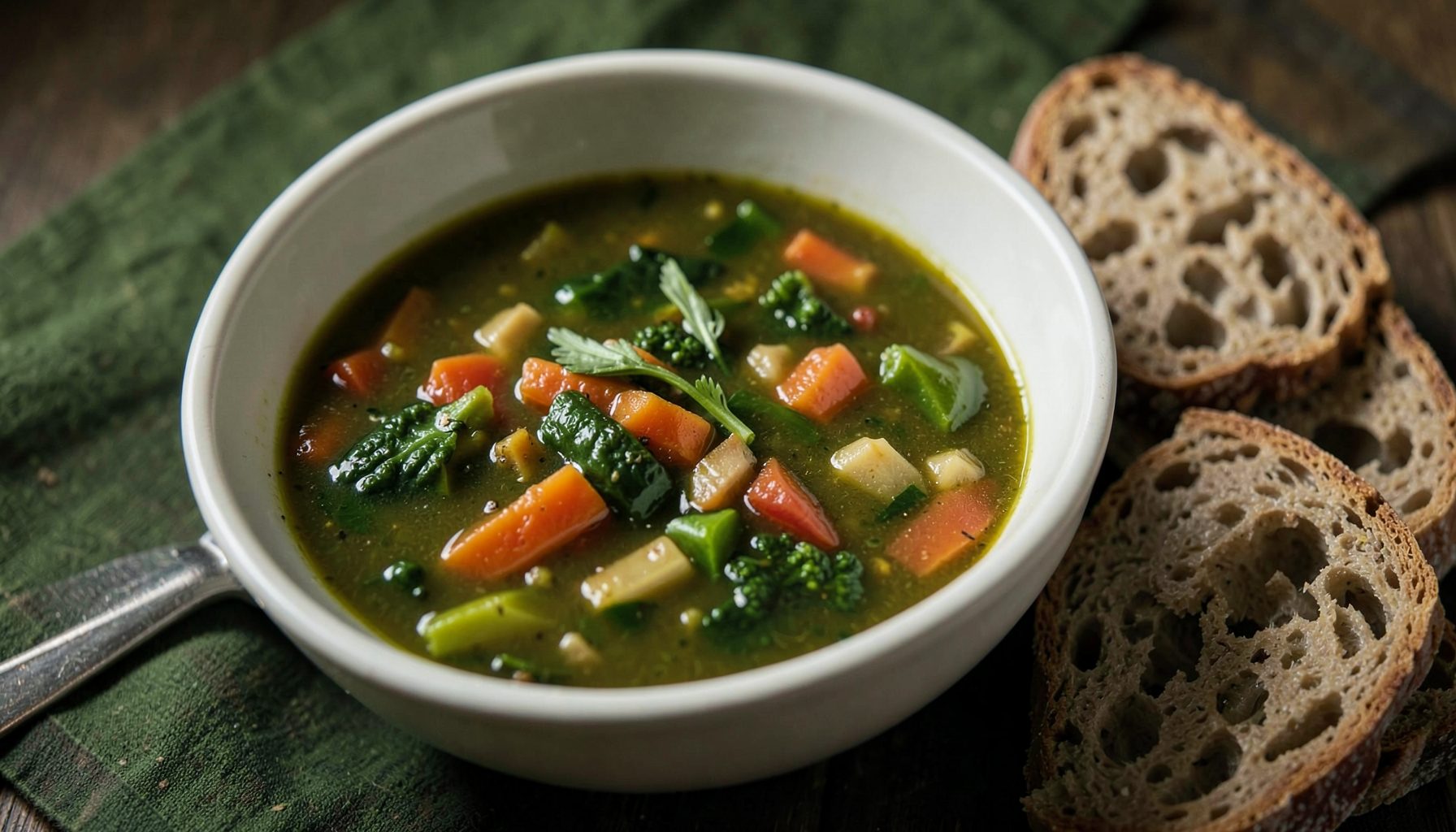
Dense squash makes an especially smooth soup because its starch gives the purée body without requiring much cream. Roast the flesh first for deeper flavor, or simmer it with onion, carrot, celery, and stock for a lighter result. Blend until silky, then adjust the texture with more broth rather than adding a large amount of dairy.
Acid keeps a squash soup from tasting flat. A splash of cider vinegar, fresh orange juice, or lemon can sharpen the sweetness. Garnishes should add contrast: crisp sage leaves, roasted seeds, spiced chickpeas, chopped apple, crème fraîche, or a drizzle of chile oil. A small spoonful of toasted pumpkin seed pesto can transform a simple bowl.
Squash purée also works in savory sauces. Stir it into browned butter with pasta water, fold it into a cheese sauce, or use it as the base for a grain bowl dressing. For a more assertive preparation, combine roasted squash with garlic, tahini, lemon, and cumin. The result resembles a warm, autumnal version of a dip and can be served with flatbread or raw vegetables.
Tomatoes offer another useful contrast. A sweet roasted squash side can sit beside a bright tomato sauce, and a mild squash can be folded into a slow-simmered red sauce for extra body. Bia’s fresh tomato marinara is a natural match for sautéed tromboncino or roasted squash ravioli because its acidity balances the vegetable’s sweetness.
Fresh preparations for tender squash
Not every market find belongs in the oven. Young pattypan squash, tromboncino, and small yellow squash have enough firmness for raw or lightly cooked dishes. Slice them into thin ribbons with a peeler, shave them into coins, or cut them into small wedges. Their mild flavor makes them excellent carriers for herbs, citrus, and toasted ingredients.
For a simple salad, toss raw squash with lemon zest, lemon juice, olive oil, salt, and black pepper. Add arugula or basil, shaved pecorino, and toasted almonds. Let the salad sit for only a few minutes; a long marinade can soften the squash too much. A dressing made with yogurt, dill, and garlic gives the same vegetables a cooler, more substantial character.
Quick pickling is another way to preserve a market haul. Cover thin squash slices with a hot mixture of vinegar, water, sugar, salt, mustard seeds, and coriander. Chill them until crisp-tender, then use them on sandwiches, tacos, grain bowls, or alongside rich roasted meats. Their bright acidity is especially helpful when the rest of the meal leans buttery or creamy.
Pairing squash with pantry flavors
Squash has a natural affinity for ingredients that provide salt, spice, bitterness, or acidity. Bacon, pancetta, aged cheese, olives, capers, and miso make sweet varieties taste more complex. Chile flakes, harissa, curry powder, and fresh ginger add warmth without masking the vegetable’s character.
For a North Carolina-inspired plate, try roasted squash with sautéed greens, toasted pecans, and a cider vinaigrette. The combination reflects the region’s balance of sweetness, tang, and earthy produce. A spoonful of beans or shredded chicken turns it into a main course, while cornbread or crusty bread makes the meal feel complete.
Wine pairings depend on preparation more than variety. A dry Riesling or Grüner Veltliner works with squash dressed in herbs and lemon. Richer roasted preparations can handle a lightly oaked Chardonnay. For squash with chile, ginger, or curry, choose an aromatic white such as Gewürztraminer. If the dish includes mushrooms, sausage, or tomato, a light Pinot Noir can bridge the earthy and acidic notes.
A homemade condiment can bring the whole plate together. Explore the broader collection of sides and sauces for ideas that can accompany roasted wedges, stuffed squash, or a simple skillet preparation without requiring an elaborate second recipe.
A practical market-to-kitchen plan
When buying several unfamiliar varieties, choose a mix of sizes and textures instead of purchasing only the most unusual shape. One dense squash can supply soup or purée, a tender variety can become a quick side, and a small edible-skinned type can provide attractive roasted slices. This gives you options while keeping the cooking manageable.
Store whole, uncut squash in a cool, dry place with good air circulation. Do not seal them in plastic, and keep them away from direct sunlight. Once cut, wrap the pieces and refrigerate them, using them within several days. Cooked squash freezes well in measured portions for soup, sauces, and baking.
- Roast a new variety with only oil and salt before adding stronger seasonings.
- Save and crisp the seeds for a contrasting garnish.
- Balance sweetness with vinegar, citrus, chile, or bitter greens.
- Use dense squash for purées and tender squash for quick sautés.
- Label cut pieces with the variety and date so you can compare results.
The next time a market stall displays a strange, ridged, striped, or blue-skinned squash, bring one home and treat it as a small cooking experiment. Start with its texture, give it enough heat to develop flavor, and add contrast rather than covering it up. A seasonal vegetable with an unfamiliar name can quickly become the most memorable part of dinner.