



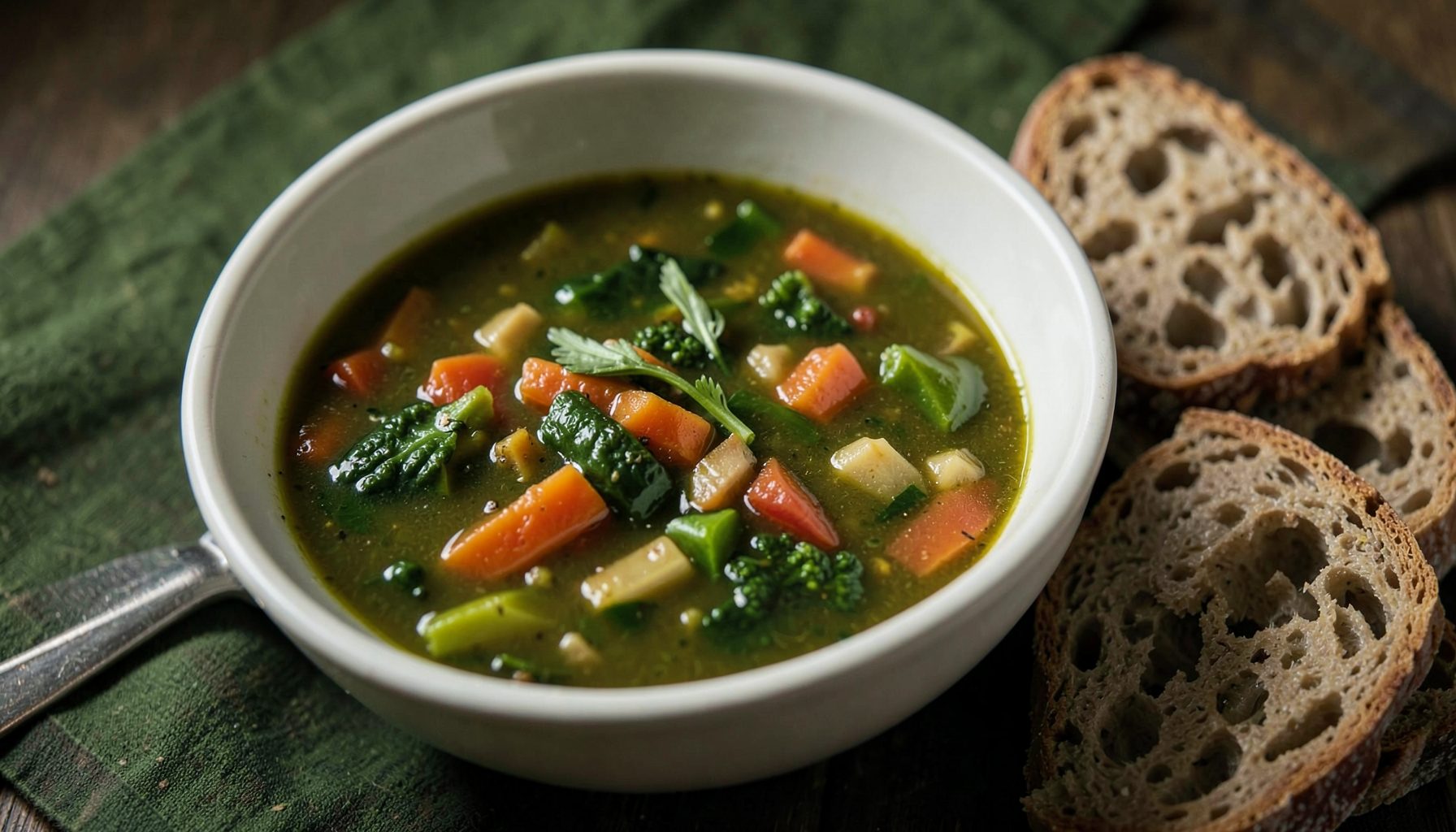
From pantry to plate: a speedy chickpea and spinach curry
A good curry does not require a long shopping list or an afternoon spent simmering. With canned chickpeas, coconut milk, hardy aromatics, and a few spices, you can put a deeply savory meal on the table in about 30 minutes. Fresh spinach folds in at the end, bringing color, tenderness, and a clean green contrast to the rich sauce.
This chickpea spinach curry is built for the kind of evening when the pantry has to do most of the work. It is warming without being heavy, generous enough for a family supper, and adaptable to whatever vegetables or herbs are waiting in the refrigerator. The technique matters as much as the ingredients: gently blooming the spices in oil gives the finished dish a rounded flavor rather than a dusty one.
The recipe also welcomes personal touches. Use full-fat coconut milk for a velvety sauce, add more chili for heat, or finish each bowl with lime juice and toasted nuts. Served with rice, flatbread, or simply a spoon, it turns humble staples into a satisfying plate.
Why this curry works
Chickpeas bring substance and a pleasantly firm bite, while coconut milk creates a smooth base that carries the spices. Spinach cooks quickly, so it is added after the sauce has thickened and the chickpeas have absorbed some of the seasoning. This timing keeps the greens vibrant instead of dull and overcooked.
The flavor begins with onion, garlic, and ginger. These ingredients form the savory foundation, while curry powder or a blend of ground cumin, coriander, turmeric, and garam masala supplies warmth and depth. A small amount of tomato paste adds savoriness and color, and lime juice at the end keeps the dish from tasting flat.
There is also a practical advantage to this one-pot curry: the sauce is forgiving. If it becomes too thick, loosen it with water or broth. If it tastes too sharp, a spoonful of coconut milk will soften the edges. If the flavor seems muted, salt and acid are usually the answer before adding more spice.
Building flavor from pantry staples
Start with a wide skillet or Dutch oven so the onions have room to soften rather than steam. Warm neutral oil or coconut oil over medium heat, then cook a finely chopped onion with a pinch of salt until translucent and lightly golden. This may take six to eight minutes, but it is worthwhile. Well-cooked onion gives the curry a naturally sweet backbone.
Add minced garlic and grated ginger only after the onion has softened. Stir for about 30 seconds, then add the spices and tomato paste. The oil helps release the aromatic compounds in the spices, a simple step often called blooming. Keep the heat moderate and stir constantly; ground spices can burn quickly.
Once the mixture smells fragrant, add the chickpeas, coconut milk, and a small splash of vegetable broth or water. Scrape the bottom of the pan to release any browned bits. Let everything simmer uncovered for 10 to 12 minutes, stirring occasionally, until the sauce coats the chickpeas. A few chickpeas can be pressed against the side of the pan to thicken the curry naturally.
Ingredients and easy substitutions
The following proportions make approximately four servings. Drain and rinse canned chickpeas well, especially if they are packed in salty liquid. If you prefer dried chickpeas, cook them until tender before beginning; they will absorb the curry sauce more effectively than undercooked beans.
| Ingredient | Amount | Useful alternative |
|---|---|---|
| Olive, avocado, or coconut oil | 2 tablespoons | Ghee for a richer flavor |
| Yellow onion, finely chopped | 1 medium | Two shallots |
| Garlic, minced | 3 cloves | 1 teaspoon garlic powder in a pinch |
| Fresh ginger, grated | 1 tablespoon | 1 teaspoon ground ginger |
| Curry powder | 1½ tablespoons | Cumin, coriander, turmeric, and garam masala |
| Tomato paste | 1 tablespoon | ½ cup crushed tomatoes |
| Chickpeas, drained and rinsed | 2 cans, 15 ounces each | About 3 cups cooked chickpeas |
| Full-fat coconut milk | 1 can, 13½ ounces | Light coconut milk or unsweetened cashew cream |
| Vegetable broth or water | ½ cup | Chicken broth if preferred |
| Fresh spinach | 5–6 packed cups | Baby kale or chopped Swiss chard |
| Lime juice | 1–2 tablespoons | Lemon juice or mild vinegar |
| Salt and black pepper | To taste | Add chili flakes for heat |
Spinach is the easiest green to use because it collapses quickly, but it is not the only choice. Baby kale will need a few extra minutes, while Swiss chard stems should be sautéed with the onion and the leaves added near the end. Frozen chopped spinach also works well; thaw it first and squeeze out excess water so the sauce does not become thin.
For a more vegetable-forward version, add diced sweet potato, cauliflower florets, bell pepper, or zucchini. Firm vegetables should go into the pot with the coconut milk so they have time to become tender. Quick-cooking vegetables, such as peas or sliced zucchini, can be added during the final five minutes.
A simple method for a weeknight meal
After the coconut milk reaches a gentle simmer, taste the sauce for salt. Canned chickpeas vary in seasoning, and coconut milk can mute flavors, so the curry may need more salt than expected. Add black pepper and, if desired, a pinch of red pepper flakes or a finely chopped fresh chili.
When the chickpeas are tender and the sauce has thickened, stir in the spinach by the handful. It will seem like too much at first, but the leaves collapse quickly. Turn off the heat as soon as the spinach is wilted, then add lime juice. Resting the curry for five minutes allows the sauce to settle and the chickpeas to take on more flavor.
Serve it over steamed basmati rice, brown rice, quinoa, or warm naan. A spoonful of plain yogurt can add coolness, while chopped cilantro, toasted cashews, sliced scallions, or crispy fried onions provide fresh texture. Keep garnishes balanced: the curry already has a rich base, so a bright or crunchy finish is especially welcome.
Pairings, leftovers, and make-ahead cooking
This curry pairs naturally with something crisp and acidic. A fresh salad with cucumber, herbs, or citrus can cut through the coconut richness; a watermelon and feta salad is especially appealing during warm-weather months, when a hot bowl of curry benefits from a cool, juicy side.
For a heartier spread, add roasted cauliflower, cucumber raita, mango chutney, or simple flatbreads. The curry is also delicious alongside a light lager, an off-dry Riesling, or a crisp Sauvignon Blanc. If serving wine, choose something with freshness and enough acidity to refresh the palate between bites.
Stored in an airtight container, the curry keeps well in the refrigerator for up to four days. The sauce may thicken as it chills, so reheat it gently with a splash of water or broth. It also freezes successfully for up to three months, although the spinach may lose some of its bright color. Freeze individual portions for quick lunches and thaw overnight in the refrigerator.
A useful make-ahead approach is to prepare the curry through the simmering stage, then refrigerate it before adding the spinach and lime juice. Reheat gently, fold in the greens, and finish with acid just before serving. This keeps the final texture fresher and makes the dish suitable for casual entertaining.
Ways to make it your own
The basic recipe can move in several directions without losing its identity. Keep the chickpeas as the central ingredient, then adjust the heat, vegetables, and finishing elements to suit the season or the people at the table.
- Add diced sweet potato or butternut squash for a sweeter, more substantial curry.
- Stir in a tablespoon of peanut butter or almond butter for extra body and nutty depth.
- Replace half the chickpeas with red lentils, adding extra broth as needed while they cook.
- Finish with a tempering of toasted mustard seeds, cumin seeds, and curry leaves in hot oil.
- Use shredded rotisserie chicken or cooked shrimp alongside the chickpeas for a mixed-protein version.
If using red lentils, rinse them well and simmer them with the coconut milk until tender, usually 15 to 20 minutes. They will break down more than chickpeas and create a thicker, dal-like texture. This is an excellent way to stretch the meal, though the pot may need additional broth.
For another pantry-friendly variation, add a spoonful of harissa, chili crisp, or your favorite curry paste with the tomato paste. Taste gradually, since prepared pastes can be salty. A final scattering of cilantro or mint gives the dish a fresh, aromatic lift.
Serving a nourishing pantry supper
The appeal of this meal is its balance: creamy but bright, filling but full of greens, and richly seasoned without requiring specialty ingredients. It is the kind of recipe that rewards attention to small details, from patiently softening the onion to tasting for acid at the very end.
If you enjoy meals built around humble ingredients and slow, savory flavor, pair this curry with cozy lentil and ham soup for another comforting idea from the kitchen. Both dishes demonstrate how beans, vegetables, and a well-seasoned broth or sauce can become deeply satisfying food.
Make a pot when the pantry looks sparse, then let the garnishes and side dishes reflect what is available. Spoon the curry over rice, tear warm bread into the sauce, and finish each serving with lime. Save the leftovers for an even more flavorful lunch the next day, when the spices have had extra time to settle into the chickpeas.