
Harnessing Caramelized Onions in Soups and Sauces
Few ingredients transform as completely as onions cooked slowly in a little fat. Raw onions can be sharp, sulfurous, and assertive; after patient cooking, they become soft, amber-colored, and deeply savory, with a sweetness that recalls toasted sugar and roasted vegetables. That change gives home cooks a powerful way to add complexity without relying on a long list of ingredients.
Caramelized onions bring body to broths, cream soups, pan sauces, gravies, and tomato-based preparations. Their flavor is rounded rather than sugary, which makes them especially useful when a dish needs balance. A spoonful can soften acidity, enrich a thin sauce, or make a simple soup taste as if it simmered all day.
The technique rewards attention more than expertise. Once you understand how moisture, heat, and timing work together, you can prepare onions to suit everything from a rustic weeknight meal to an elegant first course. The key is to cook them far enough for their natural sugars to develop while preserving the savory depth that makes them so versatile.
Why slow-cooked onions taste so rich
Onions contain water, natural sugars, and flavorful compounds that change under heat. At the beginning of cooking, the slices release moisture and steam in their own juices. As that water evaporates, the onions begin to soften and concentrate. Their sharp aroma fades, leaving a mellow, rounded flavor.
True caramelization occurs as the onions cook beyond the softening stage. Their sugars break down and form new aromatic compounds, creating toasted, nutty, and slightly fruity notes. The color may move from pale gold to deep mahogany, though darker is not automatically better. Burned edges contribute bitterness, while evenly browned onions offer a more balanced sweetness.
Yellow onions are the most dependable choice because they have enough sugar and a sturdy texture. Sweet onions can produce a gentler, more delicate result, while red onions develop a rich color and a wine-like savoriness. Shallots caramelize faster and taste refined, making them a good option for sauces where a softer allium flavor is desirable.
A patient method for deep flavor
Slice the onions evenly, ideally into thin half-moons. Uniform pieces cook at the same rate and prevent a mixture of pale, underdone slices and bitter, overcooked fragments. For four medium onions, use a wide, heavy skillet or Dutch oven with two tablespoons of butter, olive oil, or a combination of both. The broad surface allows moisture to escape efficiently.
Start over medium heat, stirring every few minutes as the onions soften. Once they begin to color, reduce the heat to medium-low or low. The entire process may take 35 to 60 minutes, depending on the quantity, pan, and desired depth of color. If the onions stick, add a tablespoon of water, stock, wine, or sherry and scrape the bottom. This process, called deglazing, lifts flavorful browned bits back into the onions.
Salt can be added near the beginning to draw out moisture, though a light hand is wise if the onions will later be added to a concentrated broth or sauce. A small pinch of baking soda speeds browning by reducing acidity, but it can make the onions soft and slightly muddy, so it is rarely necessary. Fresh thyme, a bay leaf, black pepper, or a splash of balsamic vinegar can shape the final flavor, but the onions should remain the central ingredient.
Choosing the right cooking approach
Different dishes benefit from different levels of browning and different cooking fats. A quick stovetop method works well when you need a small amount for a pan sauce. A longer, slower cook is better for soup because it develops a fuller flavor that can carry through several cups of stock. Oven caramelization is useful for a large batch, though the onions need occasional stirring.
The table below offers a practical guide. Treat the times as ranges rather than strict rules; humidity, pan size, onion variety, and heat all affect the pace.
| Method | Approximate time | Best texture | Ideal use |
|---|---|---|---|
| Stovetop, medium-low heat | 35–50 minutes | Soft with golden edges | Pan sauces and gravies |
| Stovetop, low heat | 50–75 minutes | Silky and deeply browned | Onion soup and rich purées |
| Oven at 325°F | 1–2 hours | Very tender and even | Large batches |
| Pressure cooker, then reduce | 20–30 minutes plus finishing | Soft, concentrated | Fast meal preparation |
| Low oven with butter or oil | 2–3 hours | Jammy and almost spreadable | Make-ahead toppings and sauces |
When preparing a batch for several meals, cool the onions quickly and store them in a covered container for up to four days. You can freeze small portions in ice cube trays or spoonfuls on a parchment-lined sheet. Once frozen, transfer them to a sealed bag. These portions melt easily into hot stock, gravy, beans, or cooked grains.
Turning caramelized onions into soup
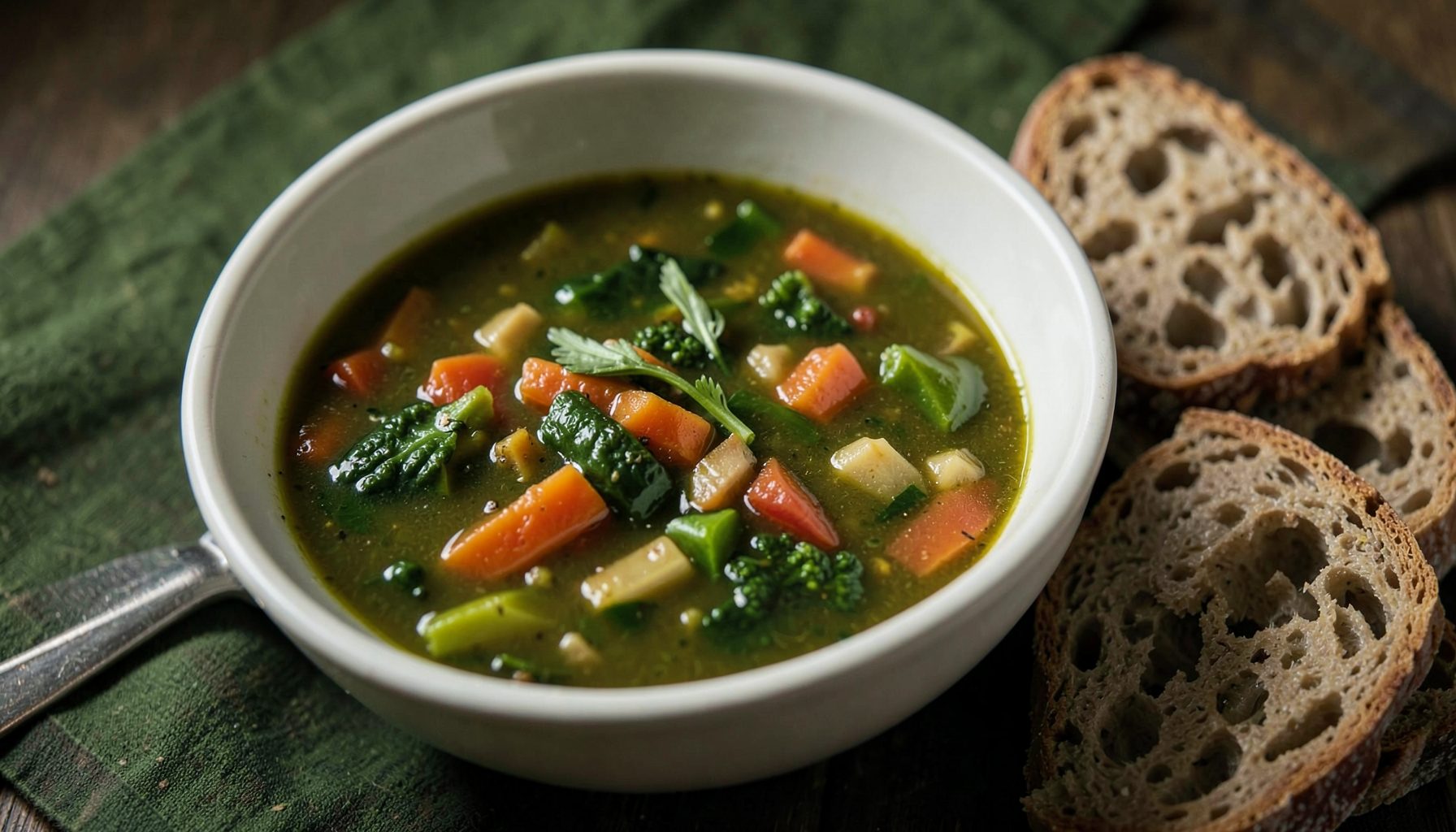
Caramelized onion soup depends on balance. The onions should provide sweetness and depth, while stock, herbs, and a finishing acid keep the bowl from feeling heavy. Beef stock gives the most traditional result, but chicken, vegetable, or mushroom stock can be excellent. Choose a stock with moderate salt so the onions remain distinct.
After the onions reach a deep golden brown, deglaze the pot with dry white wine, sherry, or a small amount of cider. Scrape thoroughly as the liquid loosens the browned fond. Add stock, thyme, bay leaf, and black pepper, then simmer gently for 20 to 30 minutes. A low simmer is preferable to a hard boil because it keeps the broth clear and protects the delicate sweetness.
Taste before adding more salt. If the soup tastes flat, a teaspoon of sherry vinegar or a few drops of lemon juice can sharpen the flavors. If it tastes too sweet, add more stock, black pepper, or a small amount of Dijon mustard. Toasted bread and melted cheese make a classic garnish, but crisp fried shallots, herb oil, or roasted mushrooms can offer a lighter or more contemporary finish.
Caramelized onions also improve blended soups. Stir them into potato, cauliflower, squash, or white bean soup before puréeing. They contribute a silky texture and savory undertone without overwhelming the principal vegetable. For a rustic soup, reserve some onions and fold them in after blending so every spoonful contains both smooth broth and tender strands.
Building sauces with savory sweetness
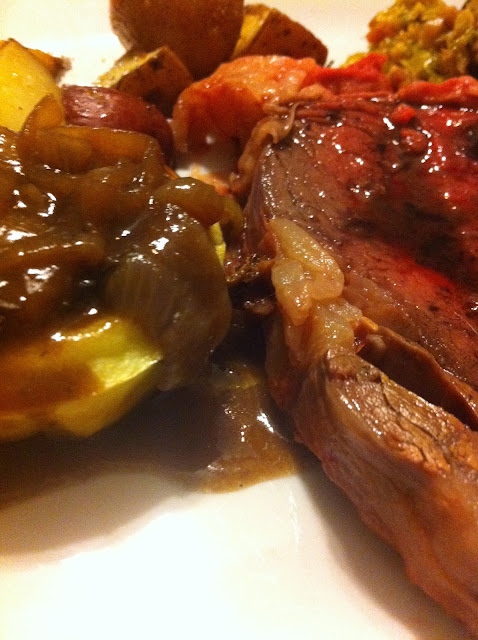
A sauce based on caramelized onions can be as simple as a pan reduction or as substantial as a gravy. After searing chicken, pork, steak, or mushrooms, remove the main ingredient and cook the onions in the browned drippings. Deglaze with wine or stock, reduce until concentrated, and finish with butter. The onions help emulsify the sauce and provide enough flavor that you can use less cream.
For a silky cream sauce, add a small amount of stock to the caramelized onions and simmer until reduced by half. Stir in cream, crème fraîche, or soft goat cheese, then season with mustard, thyme, or nutmeg. This preparation pairs well with roasted vegetables, pasta, gnocchi, and seared fish. Keep the heat low after adding dairy to prevent curdling and preserve the smooth texture.
Tomato sauces benefit from onions in a different way. Their rounded sweetness can soften the acidity of canned tomatoes without requiring much sugar. Add the caramelized onions after sautéing garlic and before pouring in the tomatoes. Simmer until the sauce thickens, then finish with basil, oregano, chili, or a splash of red wine vinegar. For a richer result, blend part of the sauce and leave the rest chunky.
Wine pairing can follow the strongest element in the dish. A savory onion sauce with mushrooms welcomes an earthy Pinot Noir, while a creamy preparation may suit a crisp Chardonnay. When the sauce accompanies a rich cut of meat, choose a red with enough acidity to refresh the palate rather than one dominated by heavy oak.
Avoiding common mistakes
The most frequent problem is excessive heat. High heat may brown the outside of the onions before their interiors have softened, producing bitter flecks and uneven texture. If the pan begins to smoke or the onions darken rapidly, lower the heat and add a splash of water. Stirring too often can also slow the process because it releases heat and prevents sustained contact with the pan.
Crowding is less serious than many cooks assume, since onions eventually shrink, but an extremely full pan will steam for a long time. Use a wide vessel whenever possible. If preparing a large quantity, divide the onions between two pans or cook them in batches. The extra surface area makes browning more efficient.
Be careful with added sweetness. Brown sugar, maple syrup, and honey can mask the natural flavor and make a soup or sauce cloying. If you want a glossy finish, use a small amount of balsamic vinegar, port, or apple cider near the end instead. These ingredients contribute acidity and aroma as well as sweetness.
Finally, season in stages. Onions become saltier as their moisture cooks away, and stock or cheese may add more seasoning later. Taste after deglazing, again after adding the liquid, and once more just before serving. This simple habit keeps the final dish focused.
Practical ways to use a batch
A container of caramelized onions is an invitation to cook creatively. Spoon them over grilled bread with ricotta, fold them into mashed potatoes, or add them to a frittata with greens and aged cheese. Their concentrated flavor also makes a quick sandwich filling with roasted vegetables, sharp cheddar, or sliced turkey.
For a meal with contrast, pair a rich onion-based soup or sauce with something crisp and fresh. A bowl of deeply flavored soup alongside seasonal salads gains brightness from leafy greens, citrus, apples, or a tart vinaigrette. Texture matters as much as flavor, so consider toasted seeds, crunchy croutons, or raw herbs as finishing touches.
These are reliable ways to put the technique into regular rotation:
- Freeze caramelized onions in tablespoon-sized portions for quick sauces and soups.
- Add a splash of stock whenever the pan begins to stick rather than raising the heat.
- Use yellow onions for everyday cooking and shallots when a finer, more delicate flavor is needed.
- Balance rich preparations with vinegar, lemon, fresh herbs, or crisp vegetables.
- Record the onion variety, cooking time, and preferred color so the method becomes repeatable.
A good batch can become the starting point for several meals. Stir it into lentils, enrich a mushroom ragout, layer it into a tart, or use it as the foundation for a warm dip. Browse the broader recipe index for more ways to connect pantry staples, seasonal produce, and carefully developed flavors.
Begin with four onions, a heavy pan, and enough time to let their character emerge. Keep the heat gentle, taste as you go, and save every browned bit from the bottom of the pan. With that small investment, soups become fuller, sauces become more expressive, and an everyday ingredient earns a permanent place in your kitchen routine.