How to make a perfectly fluffy quiche with a gluten-free crust
A well-made quiche should have a tender, delicately crisp crust and a filling that trembles when the pan moves. The custard must be fully set around the edges while remaining soft and creamy in the center. With a gluten-free pastry shell, that balance depends on careful handling, a flavorful filling, and gentle baking.
Quiche is wonderfully adaptable. It can carry roasted vegetables, sautéed greens, caramelized onions, smoked fish, ham, or a handful of fresh herbs. The most reliable version begins with a few foundational choices: a sturdy gluten-free crust, the right proportion of eggs to dairy, and ingredients that have been cooled and drained before they meet the custard.
This method reflects the kind of practical kitchen wisdom found at Bia Rich’s kitchen, where thoughtful technique makes home cooking feel generous rather than fussy. The recipe serves six as a main course or eight as part of a brunch spread.
Select ingredients for a tender, balanced filling
A fluffy quiche begins with quality eggs and full-fat dairy. Whole milk creates a lighter custard, while heavy cream gives it richness and a smoother texture. A combination of the two is ideal: use two large eggs plus two yolks with one cup of dairy for a filling that is soft without being loose. The extra yolks contribute color and silkiness without adding the firmness that too many whole eggs can create.
Cheese should support the custard rather than overwhelm it. Gruyère, Swiss cheese, sharp cheddar, goat cheese, and fontina all work well. Grate the cheese yourself when possible, since freshly grated pieces melt more evenly. Season the egg mixture with salt, black pepper, and a small pinch of nutmeg. Nutmeg should remain subtle, but it adds warmth and makes the dairy taste fuller.
Choose vegetables with care. Mushrooms, spinach, zucchini, asparagus, leeks, and onions all release water as they cook. Sauté or roast them first, then cool them and blot away excess moisture. Wet fillings can produce a watery quiche and prevent the bottom crust from crisping.
Build a gluten-free crust that holds its shape
Gluten-free pastry needs a slightly different touch because it lacks the stretchy network that helps traditional dough hold together. A dependable blend combines a mild gluten-free flour mix with a little almond flour for tenderness. If your flour blend does not contain xanthan gum, add a small amount according to the package guidance. Too much binder can make the crust chewy.
For a nine-inch tart pan or pie plate, combine one and one-quarter cups gluten-free all-purpose flour, one-quarter cup almond flour, one-half teaspoon salt, and one teaspoon sugar. Cut in six tablespoons of cold unsalted butter until the mixture resembles coarse crumbs with a few pea-sized pieces remaining. Add one egg yolk and two to three tablespoons of ice water, one spoonful at a time, just until the dough comes together.
Press the dough into the pan rather than trying to stretch it. Stretching creates thin patches that shrink in the oven. Aim for an even layer across the base and sides, roughly one-eighth inch thick. Chill the shaped shell for at least 30 minutes. This firms the butter and gives the pastry a better chance of keeping its structure during baking.
Blind-bake the crust before adding the filling. Prick the bottom lightly with a fork, line it with parchment, and fill it with pie weights or dried beans. Bake at 375°F for about 15 minutes, remove the weights, then bake for another 6 to 8 minutes until the surface looks dry and pale golden. Let it cool briefly while you prepare the custard.
Whisk an airy custard without making it foamy
The eggs and dairy should be at room temperature or only slightly cool. Cold ingredients take longer to combine, while very warm dairy can begin to cook the eggs. Whisk the eggs, yolks, dairy, salt, pepper, and nutmeg until blended. Use a gentle hand rather than beating vigorously. Large bubbles on the surface can rise during baking and leave a coarse texture.
A useful ratio is two large eggs, two yolks, and one cup of dairy for a nine-inch quiche. For an especially rich filling, use three-quarters cup heavy cream and one-quarter cup whole milk. For a lighter version, reverse those amounts. Do not reduce the dairy too far; a dense egg mixture is more likely to become rubbery.
Strain the custard through a fine sieve if you want an exceptionally smooth result. This catches bits of chalaza, stray shell, or unmixed egg white. Add fresh herbs after straining, or scatter them over the filling once it is in the crust. Chives, thyme, parsley, tarragon, and basil each bring a different character.
Layer the filling with intention
Put the cooked vegetables, meat, or fish into the par-baked shell before pouring in the custard. Keep the ingredients in a relatively even layer so every slice has a balanced combination of crust, filling, and cheese. A generous handful of cheese on the bottom helps protect the pastry from moisture, while another light scattering over the top creates a golden finish.
Do not overfill the shell. Leave at least one-quarter inch of space below the rim, since the custard will puff slightly in the oven. If the filling reaches too high, it may spill over the crust and make unmolding difficult. Pour slowly, preferably with the quiche already positioned on a baking sheet.
| Filling idea | Preparation before baking | Complementary cheese |
|---|---|---|
| Spinach and leek | Sauté, cool, and squeeze dry | Gruyère |
| Mushroom and thyme | Cook until browned and moisture has evaporated | Fontina |
| Roasted asparagus | Roast until just tender, then cool | Goat cheese |
| Ham and chive | Pat ham dry and dice finely | Sharp cheddar |
| Caramelized onion | Cook slowly until jammy and cool | Swiss cheese |
Think of the filling as a seasoning opportunity rather than a place to use every leftover in the refrigerator. Two or three main ingredients usually create a clearer flavor than six competing ones. A spoonful of Dijon mustard in the custard works beautifully with ham, cheddar, or roasted vegetables, while lemon zest brightens spinach and goat cheese.
Bake gently for a cloudlike texture
Set the filled quiche on a preheated baking sheet and bake at 325°F to 350°F. The lower temperature gives the eggs time to set gradually, which helps preserve their creamy texture. Bake until the edges are firm and the center still has a gentle wobble when nudged. Depending on the depth of the pan, this usually takes thirty-five to fifty minutes.
A puffed, browned top is not the best indicator of doneness. The center may continue cooking from residual heat after the quiche leaves the oven. If it is completely rigid in the middle while still in the oven, it has probably gone too far. An instant-read thermometer should register around 160°F in the center for a set but tender custard.
If the crust browns before the filling is ready, cover the rim loosely with foil. Avoid opening the oven repeatedly, since sudden temperature changes can cause the custard to sink unevenly. Once baked, cool the quiche for at least 20 minutes before slicing. This resting period allows the filling to finish setting and keeps the pieces neat.
Resting is a small step with a large effect in many kinds of cooking. The same principle applies to roasted meats, as explained in this resting meat lesson: time allows juices and structure to settle instead of rushing onto the cutting board. Quiche benefits from that pause too.
Small details that improve every quiche
A few habits make the process more predictable, especially when working with gluten-free pastry. Keep the butter cold, cook watery ingredients thoroughly, and avoid packing the shell with too much filling. If the dough cracks while pressing it into the pan, patch it with a small piece of dough and smooth the seam with a damp fingertip.
- Chill the shaped crust before blind-baking.
- Cool all cooked fillings before combining them with the egg mixture.
- Use a baking sheet under the quiche for steadier heat and easier handling.
- Pull the quiche from the oven while the center still jiggles slightly.
- Rest it before cutting, then use a sharp knife for clean wedges.
Leftover quiche keeps well in the refrigerator for up to three days. Store it covered once fully cool, and reheat individual slices at 325°F until warm. The microwave is convenient, but it can toughen the custard; a low oven preserves the crust and texture better. Quiche can also be served cold, particularly when the filling includes roasted vegetables or herbs.
Serve it with contrast and seasonality
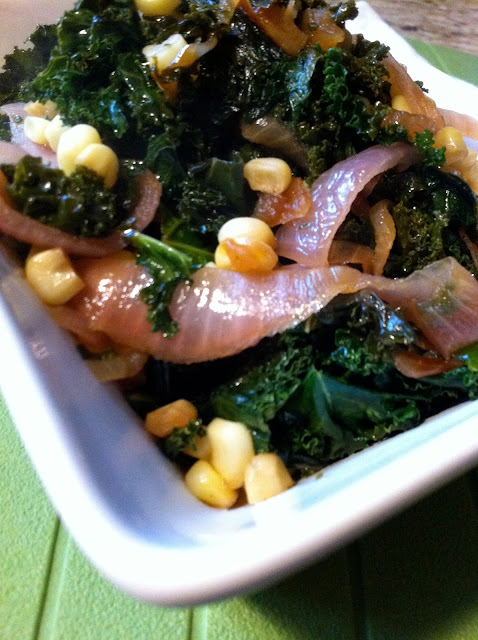
A rich egg custard appreciates something crisp and fresh alongside it. Dress bitter greens with a sharp vinaigrette, or serve the quiche with shaved fennel, radishes, and citrus. A simple tomato salad works during summer, while roasted roots or lightly dressed kale suit colder months. The contrast keeps each bite lively.
For brunch, offer fruit, coffee, and a dry sparkling wine. A crisp Sauvignon Blanc or unoaked Chardonnay is a natural match for vegetable quiche, while Pinot Noir can stand up to mushrooms, bacon, or caramelized onions. If the meal ends with something sweet, keep the dessert bright and restrained; the collection of seasonal desserts offers plenty of inspiration for a balanced finish.
The quiche is also an excellent make-ahead centerpiece. Bake it in the morning for lunch, or prepare it the day before and warm it gently before serving. Cut smaller wedges for a party buffet and garnish with chopped herbs just before they reach the table. A little care in the crust and custard will give you a quiche that feels special while remaining entirely practical.
Bake a seasonal version this week, beginning with a well-chilled crust and ingredients prepared with patience. Serve each slice warm or at room temperature, with something crisp beside it, and let the tender center be the focus.