



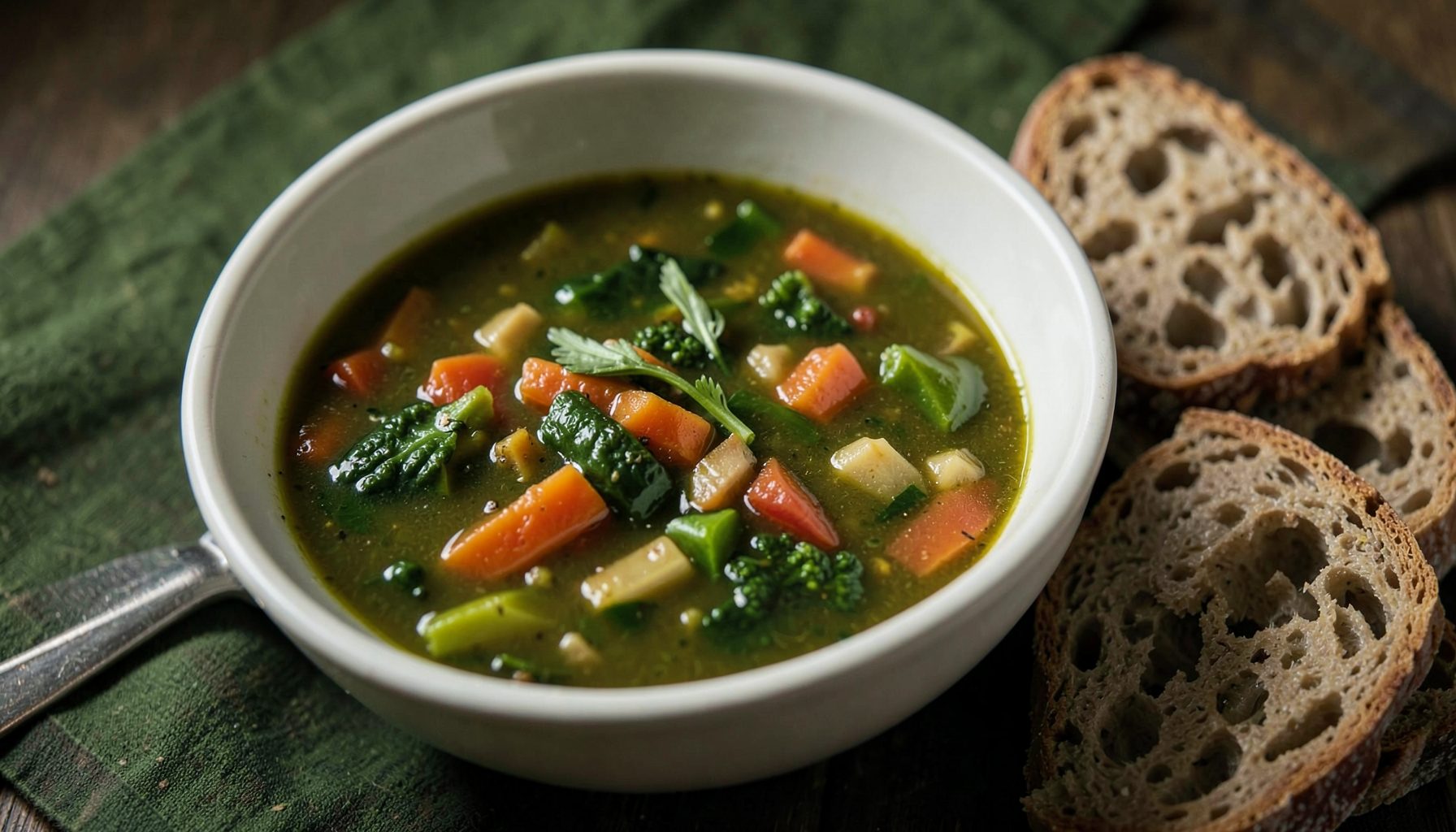
Store-Bought Broth Hacks for Better Canned Soup
A can of soup can be a useful starting point rather than the finished dish. With a few fresh ingredients and a little attention to timing, a thin broth becomes more fragrant, vegetables taste brighter, and familiar pantry soups take on the character of something simmered from scratch.
The most effective upgrades are often simple: sauté onion before adding the soup, crush a garlic clove into the pot, strip a few leaves from a woody herb, or finish with lemon juice. These small additions create layers of flavor without requiring a long stock-making session.
Store-bought broth also benefits from restraint. Canned soup is usually seasoned before it reaches your kitchen, so the goal is to add aroma, freshness, texture, and balance before reaching for more salt. Taste as you go, and treat the prepared soup as a base that can be gently reshaped.
Start with a fragrant base
Fresh aromatics release their best flavor when they meet a little fat and moderate heat. Warm olive oil, butter, or a spoonful of chicken fat in the pot, then add finely chopped onion, shallot, carrot, celery, or leek. Cook until softened and lightly golden before pouring in the canned soup or broth.
This first step takes five to eight minutes, but it changes the result dramatically. Raw onion can taste sharp in a quickly reheated soup, while softened onion contributes sweetness. Celery brings a savory, vegetal note, and carrot adds gentle sweetness that works especially well with tomato, chicken, lentil, and vegetable soups.
Garlic should usually join the pot after the sturdier vegetables have softened. Minced garlic can burn quickly, so give it only 30 to 60 seconds before adding liquid. For a more subtle effect, crush a whole clove and let it simmer in the soup, removing it before serving.
Choose aromatics that fit the soup
Aromatic combinations should support the main flavor rather than compete with it. Chicken noodle soup welcomes celery, parsley, thyme, dill, scallions, and a touch of lemon. Tomato soup can handle garlic, basil, oregano, fennel seed, rosemary, or a pinch of smoked paprika. Creamy mushroom soup benefits from thyme, black pepper, shallot, and a small splash of dry white wine.
Beans and lentils pair well with bay leaf, cumin, coriander, rosemary, sage, and garlic. A spoonful of harissa, curry powder, or chili crisp can move a plain vegetable soup in a new direction, though concentrated seasonings should be added gradually. Start with a small amount, simmer briefly, and taste before adding more.
Consider texture when choosing herbs. Tender herbs such as parsley, cilantro, basil, chives, and dill are best stirred in near the end so their color and freshness remain intact. Woody herbs, including thyme, rosemary, and sage, can simmer longer and should be tied together or removed if their leaves become overpowering.
Build flavor in layers
A good soup upgrade usually has three stages: bloom, simmer, and finish. Blooming means warming dried spices, pepper, or tomato paste in fat before adding liquid. This wakes up their aroma and prevents the final soup from tasting dusty or flat.
After the liquid is added, allow enough time for the flavors to mingle. A canned soup may need only 10 to 15 minutes over low heat, but that is enough for a bay leaf, herb stems, roasted garlic, or a Parmesan rind to contribute depth. Keep the heat gentle, especially with creamy soups, which can scorch or separate when boiled.
The finishing stage supplies contrast. A squeeze of lemon cuts richness, a splash of vinegar sharpens sweetness, and a drizzle of good olive oil adds roundness. Grated Parmesan, toasted breadcrumbs, shredded cheese, crème fraîche, or crisp bacon can supply savory depth and textural interest. Add these at the end so they remain distinct.
| Soup base | Fresh aromatics | Helpful finishing touch |
|---|---|---|
| Chicken noodle | Celery, onion, thyme, parsley | Lemon juice and black pepper |
| Tomato | Garlic, basil, oregano, shallot | Olive oil or grated Parmesan |
| Creamy mushroom | Shallot, thyme, rosemary | Dry white wine or chives |
| Lentil | Carrot, cumin, bay leaf, garlic | Red wine vinegar |
| Vegetable | Leek, parsley, dill, scallion | Fresh herbs and chili oil |
| Potato | Onion, sage, celery, garlic | Cheddar, crème fraîche, or bacon |
| Bean | Rosemary, fennel seed, garlic | Parmesan and olive oil |
Use the right cooking order
Timing matters because each ingredient gives up flavor differently. Begin with firm vegetables, such as diced carrot, onion, celery, fennel, or leek. Once they soften, add garlic, ginger, or fresh chili. Dried spices and tomato paste follow, giving them a brief moment in the fat before the soup goes into the pot.
If you are adding extra vegetables, cut them small enough to cook quickly. Shredded cabbage, spinach, frozen peas, corn, zucchini, and thinly sliced mushrooms can be added during the last few minutes. Root vegetables and raw grains need more time, so cook them separately or simmer them in broth before adding the canned soup.
Fresh herbs are divided between the pot and the bowl. Add sturdy herb stems or a bay leaf while the soup simmers, then finish with chopped leaves. This two-part approach creates a deeper herbal background and a brighter aroma at the table.
For a meal that feels composed rather than merely reheated, borrow the same flavor logic used in roasted chicken with fall vegetables: combine a savory base, seasonal produce, fresh herbs, and a final note of acidity. The ingredients do not need to be elaborate to feel intentional.
Balance salt, richness, and acidity
Prepared soups often contain more sodium than homemade soup, so taste before salting. If the broth tastes harsh or overly concentrated, dilute it with unsalted water, homemade stock, or a little milk or cream. Dilution is easier to correct than an oversalted pot.
Richness can come from many sources. A teaspoon of butter stirred in at the end softens sharp flavors, while coconut milk works beautifully with curry, squash, carrot, or sweet potato soup. Plain yogurt, sour cream, and crème fraîche add both creaminess and acidity, though they should be tempered with a little warm soup before being stirred into the pot.
Acid is one of the fastest ways to revive a dull bowl. Lemon, lime, sherry vinegar, apple cider vinegar, and white wine vinegar all work differently. Add just a few drops at a time, stir, and taste. The soup should taste more vivid, not sour.
Sweetness may also need adjustment. A tomato soup with aggressive acidity can be rounded with a small grated carrot, a pinch of sugar, or a splash of cream. Conversely, a sweet squash or corn soup may need chili, vinegar, or citrus to keep it from tasting heavy.
Add texture and substance
Fresh aromatics improve flavor, but texture makes a canned soup feel more satisfying. Stir in cooked grains, shredded chicken, white beans, tortellini, roasted vegetables, or tender greens. Keep additions proportional to the broth so the soup remains spoonable rather than turning into a stew by accident.
Crunchy toppings are especially useful for creamy or puréed soups. Toasted nuts, pumpkin seeds, croutons, fried shallots, tortilla strips, and seasoned breadcrumbs create contrast. Toast them in a skillet with olive oil, garlic, paprika, or herbs for an easy finishing garnish.
A swirl of infused oil can make a simple soup look and taste more polished. Warm olive oil with crushed garlic, rosemary, chili flakes, or lemon zest, then drizzle a small amount over each serving. The oil carries aroma across the surface, where it reaches the nose before the first bite.
When adding cheese, choose one with enough character to register in a small quantity. Parmesan, pecorino, sharp cheddar, feta, and blue cheese can all work, but each changes the direction of the soup. Use salty cheeses carefully and taste again before seasoning.
A practical weeknight method
Keep a small collection of flavor builders available: onions, garlic, lemons, scallions, parsley, celery, carrots, frozen spinach, dried herbs, chili flakes, vinegar, and a good finishing oil. These ingredients can transform several varieties of canned soup without requiring a separate shopping trip.
The following approach is dependable when dinner needs to come together quickly:
- Warm one tablespoon of oil or butter in a saucepan and soften chopped onion, shallot, celery, carrot, or leek.
- Add garlic and dried spices for the final minute, stirring until fragrant but not browned.
- Pour in the canned soup, then loosen it with a little unsalted broth or water if it seems thick or salty.
- Simmer gently with a compatible herb, extra vegetable, bean, grain, or protein until everything is hot and tender.
- Finish with fresh herbs, citrus or vinegar, freshly ground pepper, and a topping that adds texture.
Use a wide saucepan when possible. More surface area encourages evaporation and helps aromatics mingle with the soup, while a narrow pot is useful when you want to keep a creamy soup from reducing too quickly. Stir occasionally and scrape the bottom so the softened vegetables and spices do not catch.
For a more substantial meal, serve the upgraded soup with toasted bread, a crisp salad, or a simple sandwich. A bowl of tomato soup with basil oil and grilled cheese needs little else; lentil soup can become dinner with greens and crusty bread; chicken soup may only need fresh herbs and a squeeze of lemon.
Fresh aromatics make convenience food taste personal because they reflect the cook’s judgment. Choose one or two dominant flavors, layer them carefully, and finish with something bright. The next time a can of soup lands in the pantry, give it a fragrant base and a thoughtful final touch, then serve it with confidence.