Silky Mashed Potatoes With Brown Butter And Roasted Garlic
Mashed potatoes can be humble or unforgettable. The difference is rarely expensive ingredients; it comes from controlling moisture, temperature, texture, and timing. When russets or Yukon Golds are handled gently and enriched with nutty brown butter, roasted garlic, and warm dairy, the result is deeply savory, smooth, and full of character. Learn more about Why You Should Toast Your Spices Before Adding Them To Soups.
This version is designed for a holiday table but simple enough for a Sunday supper. The roasted garlic contributes mellow sweetness rather than sharpness, while browned butter adds a toasted, almost hazelnut-like depth. A few thoughtful techniques keep the potatoes light instead of gluey.
The method also leaves room for personal touches. Use cream for luxury, whole milk for a cleaner finish, or a combination of both. Add chives, thyme, cracked black pepper, or a spoonful of crème fraîche once the basic mash is silky and seasoned.
Choose Potatoes For The Texture You Want
Russet potatoes contain more starch and less moisture than waxy varieties, which makes them excellent for fluffy mashed potatoes. Yukon Golds have a naturally buttery flavor and a dense, creamy texture. Combining the two gives you the best of both: a light structure with a rich, velvety center.
Avoid red potatoes or small new potatoes if your goal is an especially smooth mash. Their waxier texture can become dense when pressed or stirred. They are wonderful for rustic smashed potatoes, but they do not produce the same satin-like finish as a floury or all-purpose variety.
Peel the potatoes if you want a restaurant-style purée. For a more rustic bowl, leave a little skin on the Yukon Golds. Cut the pieces into evenly sized chunks, around one and a half inches, so they cook at the same pace. Begin in cold, generously salted water; adding potatoes to boiling water can leave the outside overcooked before the middle softens.
Cook until a knife slips through without resistance, usually 15 to 20 minutes after the water reaches a simmer. Drain thoroughly, then return the potatoes to the warm pot for a minute or two. This brief drying step allows excess steam to escape, preventing watery mashed potatoes.
Roast The Garlic And Brown The Butter
Roasted garlic is the quiet foundation of this recipe. Slice the top from one whole head of garlic, place it on foil, drizzle with olive oil, and wrap it loosely. Roast at 400°F for 35 to 45 minutes, until the cloves are golden, soft, and easy to squeeze from their skins. If the garlic browns too quickly, lower the oven temperature slightly or add a second layer of foil.
The finished cloves should be spreadable, almost like a savory paste. Roasting transforms garlic’s sharp sulfurous bite into a rounded sweetness that blends into the potatoes. Mash the cloves with a fork before adding them so the flavor distributes evenly rather than appearing in concentrated pockets.
For the brown butter, use a pale skillet or saucepan so you can see the color change. Melt unsalted butter over medium heat, then continue cooking as the foam rises and the milk solids settle. Swirl frequently. The butter will progress from yellow to amber, and small brown flecks will collect at the bottom. Remove it from the heat as soon as it smells nutty and toasty.
Brown butter can go from fragrant to burnt in seconds. Pour it into a heatproof bowl if necessary to stop the cooking. Reserve a tablespoon for drizzling over the finished potatoes, and combine the rest with the warm dairy. This carries the browned milk solids throughout the mash instead of leaving all the flavor on the surface.
Keep The Potatoes Warm And Handle Them Gently
The tool you choose determines the final texture. A potato ricer creates delicate, fine strands with very little effort, while a food mill produces an exceptionally smooth purée. A traditional masher works well for a homestyle texture. Avoid a blender or food processor: their fast blades release too much starch and turn potatoes stretchy and gluey.
Warm the cream or milk before adding it. Cold dairy cools the potatoes and makes them absorb liquid unevenly, which can encourage overmixing. Heat the dairy just until steaming, then stir in the roasted garlic and brown butter. You can infuse the mixture with a sprig of thyme or a small bay leaf, removing it before combining everything.
Pass or mash the hot potatoes first, then fold in the warm enriched dairy gradually. Stop when the potatoes are soft, glossy, and loose enough to settle into gentle folds. They should hold their shape on a spoon but never look stiff. If they seem dry, add warm milk one tablespoon at a time.
The secret to silky mashed potatoes is restraint. Stir with a spatula or wooden spoon only until the ingredients are incorporated. Every extra turn develops starch. Salt and pepper should be added in stages, tasting after each addition because potatoes can absorb more seasoning than expected.
Build Deep Flavor With Balanced Seasoning
Salt should reach the potato itself, not simply sit on the finished surface. Salting the cooking water seasons the pieces from within, while final seasoning sharpens the overall flavor. A small amount of white pepper gives warmth without interrupting the pale color, though freshly cracked black pepper is a fine choice when you enjoy its visible flecks.
The same principle applies to other foods: seasoning benefits from time to move beyond the surface. The advice to salt meat early is especially useful when planning a meal with steak and potatoes, because both components taste more complete when seasoning is considered before the final minutes of cooking.
Brown butter brings toastiness, roasted garlic adds sweetness, and potatoes provide a mild canvas. To keep those flavors balanced, finish with a small splash of buttermilk, a teaspoon of Dijon mustard, or a few drops of lemon juice. The acidity should be subtle, just enough to keep the richness from feeling heavy.
Fresh herbs can shift the character of the dish. Chives add a clean onion note, parsley provides brightness, and sage echoes the browned butter’s earthy flavor. Add delicate herbs at the end so they retain their freshness. For a special occasion, a spoonful of mascarpone or crème fraîche creates an even more luxurious finish.
| Choice | Best Result | What To Watch |
|---|---|---|
| Russet potatoes | Light, fluffy mash | Can become dry if overcooked |
| Yukon Gold potatoes | Dense, buttery creaminess | More easily turns heavy when overmixed |
| Potato ricer | Fine, silky texture | Works best while potatoes are hot |
| Warm cream and milk | Even absorption and richness | Cold dairy can make the mash uneven |
| Brown butter | Nutty, toasted depth | Remove from heat before the solids burn |
| Roasted garlic | Sweet, mellow savoriness | Raw garlic will taste much sharper |
| Crème fraîche | Tangy richness | Add gradually so it does not dominate |
Pair The Potatoes With A Thoughtful Main Course
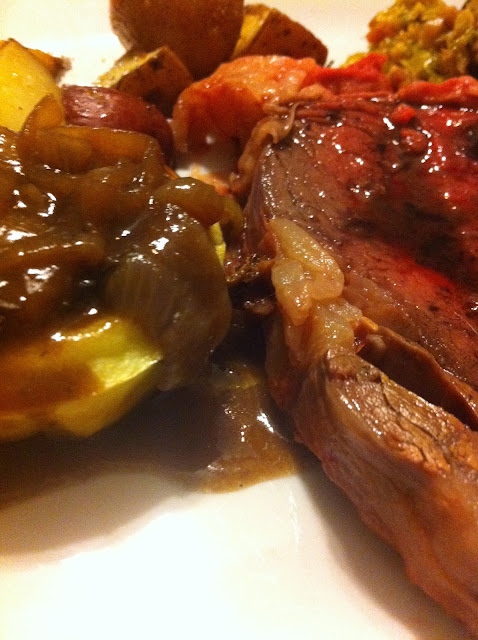
These potatoes are rich enough to accompany simply prepared foods. Roast chicken, braised short ribs, pork tenderloin, grilled steak, and seared mushrooms all benefit from their creamy texture. A spoonful of pan sauce or natural jus can run into the brown butter mash, creating the kind of bite that makes every component feel connected.
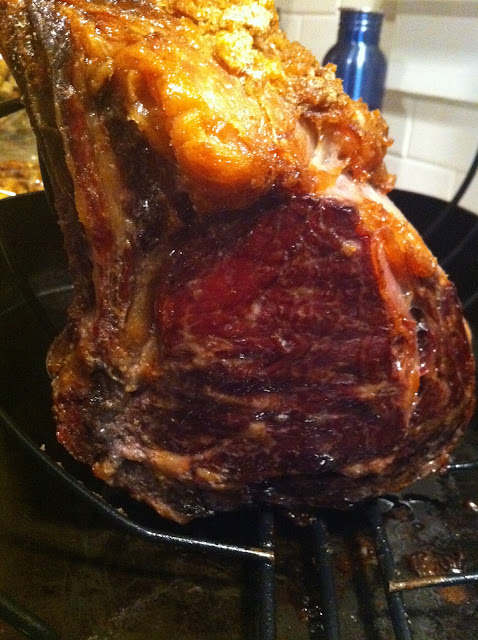
If serving with roasted meat, plan the potatoes around the resting period rather than rushing them to the table. The guidance in resting roasted meats explains why that pause protects juiciness and improves slicing. It also gives you a valuable window to finish the potatoes, warm the serving bowl, and set out garnishes.
For a vegetable-centered meal, pair the mash with roasted carrots, wilted greens, braised cabbage, or crisp Brussels sprouts. The earthy sweetness of the garlic works particularly well with mushrooms and winter squash. A spoonful of sharp mustard sauce or herb-infused pan juices can provide contrast without competing with the potatoes.
A generous serving is satisfying, so keep the rest of the plate fresh and well seasoned. A bitter green salad with a tart vinaigrette cuts through the butter, while pickled shallots or roasted grapes add brightness and gentle acidity. These contrasts make the meal feel generous rather than overwhelming.
Make The Recipe Ahead Without Losing Silky Texture
Mashed potatoes are best served soon after they are made, but they can be prepared ahead with care. Transfer them to a heatproof bowl, dot the surface with butter, and cover tightly. Keep the bowl over barely simmering water or in a slow cooker on the warm setting. Stir occasionally and add a splash of warm milk if the edges begin to firm.
Do not hold them over high heat. Excess heat dries the potatoes and can make the butter separate. If reheating from the refrigerator, use a covered saucepan over low heat, stirring gently every few minutes. A little cream, milk, or unsalted butter will restore their softness.
Leftovers make an excellent base for potato cakes. Chill the mash, mix it with an egg and a small amount of flour or grated cheese, then pan-fry portions until crisp and golden. You can also fold it into shepherd’s pie, use it to thicken a soup, or spread it beneath braised vegetables.
For a dinner party, roast the garlic and brown the butter earlier in the day. Peel and cut the potatoes a few hours ahead, keeping them submerged in cold water in the refrigerator. Drain them before cooking, then finish the mash close to serving time so its texture remains at its best.
Small Details That Make A Big Difference
- Use unsalted butter so you can control the seasoning from start to finish.
- Dry the cooked potatoes briefly in the hot pot before ricing or mashing.
- Warm every liquid ingredient before it meets the potatoes.
- Add dairy gradually and stop stirring as soon as the texture turns smooth.
- Finish with a little acidity, fresh herbs, or reserved brown butter for contrast.
Serve the potatoes in a warmed bowl with the reserved brown butter spooned over the top. A scattering of chives, a few roasted garlic cloves, or a pinch of flaky salt makes the surface inviting without disguising the dish’s careful simplicity. The best version should taste deeply of potato first, with layers of toasted butter and sweet garlic appearing as you eat.
Bring this method into your own kitchen and let it become a dependable foundation for roast dinners, holiday gatherings, and quiet meals at home. Start with good potatoes, give each step enough time, and let texture guide you; the result will be a bowl of mashed potatoes that feels both familiar and remarkably special.