

Why Parmesan Rinds Belong In Your Freezer
A wedge of Parmigiano-Reggiano has a useful secret hiding beneath its crumbly, savory center: the rind. Once the cheese has been grated, the hard outer piece may look too tough to eat, yet it still contains plenty of concentrated dairy flavor. Instead of sending it to the compost bin, tuck it into a freezer bag and let it become a quiet source of depth for future meals.
The habit is especially valuable for home cooks who want fuller flavor without relying on extra salt, heavy cream, or a long list of ingredients. A Parmesan rind can gently season a pot of beans, enrich tomato sauce, round out soup, or add a pleasantly savory note to grains.
This kind of practical kitchen wisdom fits naturally with the spirit of Rich and Sweet by Bia Rich, where thoughtful techniques and generous flavor make everyday cooking feel special. Saving scraps that still have culinary value is one of the simplest ways to cook with greater care.
What A Parmesan Rind Really Is
A Parmesan rind is the firm outer layer of a wheel or wedge of aged cheese. During production, the cheese is pressed, salted, and matured for months or years. The exterior becomes exceptionally hard as moisture leaves, while the interior develops the nutty, salty, umami-rich character associated with Parmesan.
Many commercial rinds are stamped with markings that identify the cheese. That surface is not pleasant to chew, but it is generally safe to use when it comes from a genuine wedge of Parmesan or Parmigiano-Reggiano. Give it a quick brush or wipe before freezing, especially if it has been sitting uncovered in the refrigerator.
The rind does not melt smoothly into a dish like grated cheese. Instead, it behaves more like a flavoring ingredient. As it simmers, heat draws out its savory, buttery qualities and a subtle creaminess. The result is a broth or sauce with more body and complexity, even though the rind itself is removed before serving.
Why The Freezer Is The Best Place
Keeping rinds in the refrigerator works for a short period, but the freezer makes the practice easier and safer over time. A small resealable bag can hold several pieces, and each new rind can be added whenever a wedge is finished. Freezing pauses spoilage and keeps the cheese ready for the next pot of soup or sauce.
There is no need to thaw a rind before using it. Drop it directly into a simmering dish, where it will warm gradually and release its flavor. Frozen pieces can be slightly brittle, so avoid forcing them apart with a sharp knife. If several rinds have frozen together, let the bag sit on the counter for a few minutes or use the whole cluster in one recipe.
For best quality, label the bag with the date and use the oldest pieces first. A rind may remain useful for many months, though its flavor is freshest within six to twelve months. If a piece develops an unpleasant smell, slimy texture, or unusual discoloration, discard it rather than trying to rescue it.
Where Parmesan Rinds Make The Biggest Difference
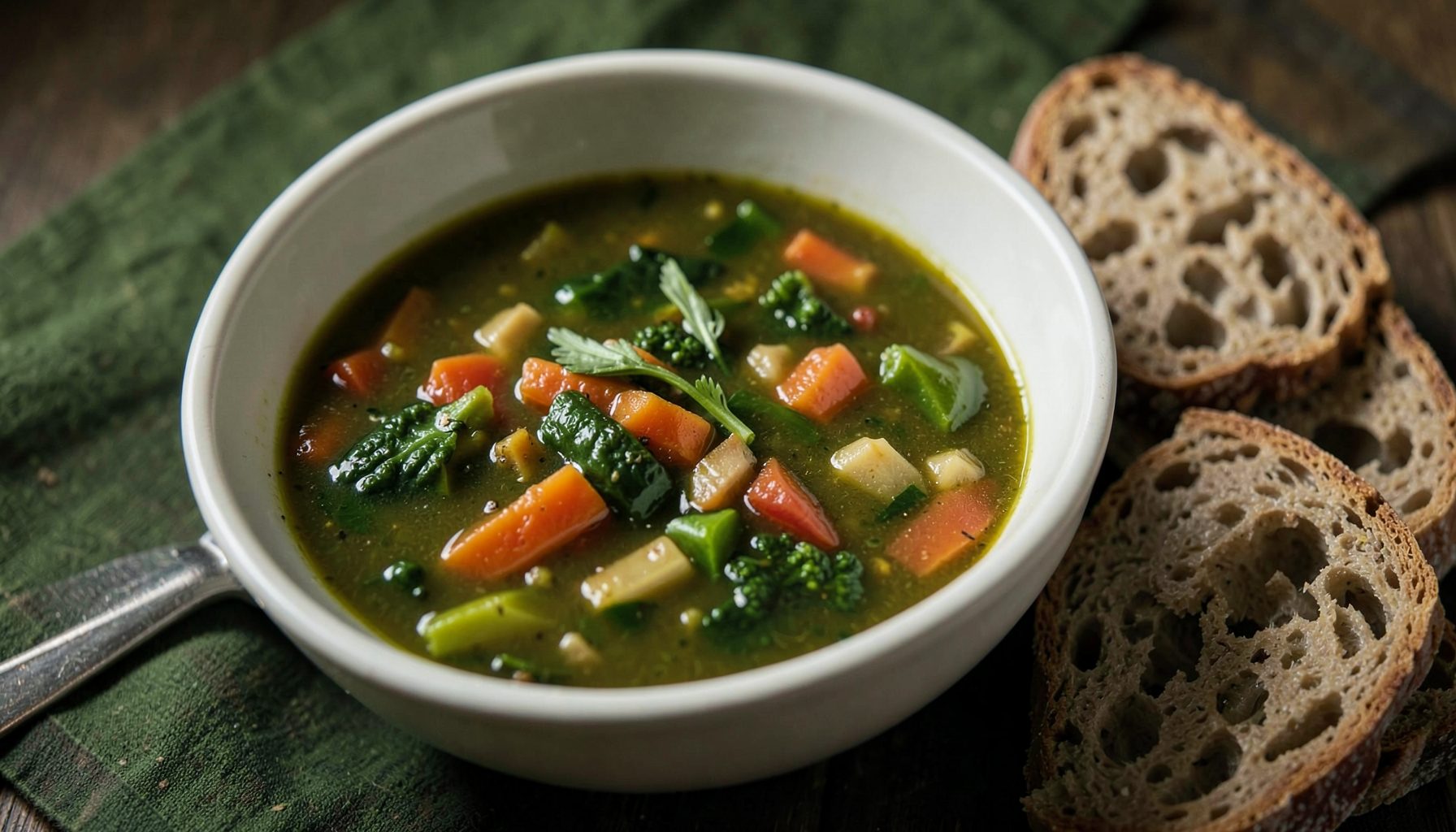
Soup is one of the most rewarding places to use a frozen Parmesan rind. Add one to minestrone, lentil soup, white bean soup, vegetable broth, or a pot of greens during the simmering stage. The rind gives the liquid a rounded, savory character that can make humble vegetables taste more substantial.
Tomato sauces benefit from the same gentle infusion. A rind can soften the sharpness of canned tomatoes and bring a subtle richness to marinara, Sunday sauce, or a quick pan sauce. Remove it before tossing the sauce with pasta, since the softened exterior may remain chewy even after prolonged cooking.
Beans and grains are excellent candidates, too. Simmer a rind with cannellini beans, chickpeas, farro, barley, or rice, then taste before adding salt. The cheese contributes seasoning as it cooks, so salting at the beginning can leave the finished dish too strong.
| Dish | When To Add The Rind | What It Contributes | When To Remove It |
|---|---|---|---|
| Bean soup | With the stock or water | Savory depth and a fuller broth | Before serving |
| Tomato sauce | During the simmer | Balance and gentle richness | Before tossing with pasta |
| Risotto | In the stock or near the end | Umami and rounded dairy flavor | Before final stirring |
| Braised greens | With the cooking liquid | Pleasant savoriness | Once the greens are tender |
| Polenta | While the liquid simmers | More complex corn flavor | Before serving or stirring in butter |
| Vegetable stew | From the beginning | Body and a subtle salty note | Before ladling |
How To Use One Without Overdoing It
A rind is a background ingredient, not the main event. One piece measuring two to four inches is usually enough for a medium pot of soup, sauce, or beans. Larger dishes may take two pieces, but adding several at once can make the flavor overly salty or muddy.
Start with the rind in a pot of cool or room-temperature liquid, then bring the dish to a gentle simmer. This gives the cheese time to release its flavor gradually. A hard boil is unnecessary and can cause delicate vegetables or legumes to break down before the rind has done its work.
Taste near the end of cooking and adjust salt only after removing the rind. The cheese may have contributed more seasoning than expected, particularly in a reduced sauce. If the finished dish needs a brighter flavor, reach for lemon juice, vinegar, fresh herbs, or a spoonful of good olive oil rather than more cheese.
The rind can sometimes be reused once in a second dish if it still smells fragrant and retains some firmness. Its first use will extract most of the flavor, so a second simmer will be milder. Avoid reusing a piece that has spent hours in a dish containing meat, seafood, or other ingredients that could affect storage and sanitation.
Pairing The Savory Flavor With Other Foods
Parmesan rind flavor works best alongside ingredients with natural sweetness, acidity, or earthiness. Tomatoes, onions, carrots, celery, mushrooms, winter squash, greens, beans, and lentils all provide a welcoming base. The cheese deepens these flavors without making the dish taste overtly cheesy.
It also pairs beautifully with herbs. Rosemary, thyme, sage, parsley, and bay leaf can share the pot with a rind, while garlic and chile add warmth. When using a strongly flavored broth, keep the rest of the seasoning balanced so the finished dish remains clear rather than crowded.
A rich, savory soup or tomato-based pasta dish may call for a crisp white wine, a medium-bodied red, or a lightly chilled rosé. For a meal that includes spice and crunch, the principles in this guide to pairing wine offer useful direction: consider the dish’s heat, richness, and seasoning instead of choosing wine by color alone.
Parmesan rind broth can also support a fresh side. A sharp green salad, bitter radicchio, or citrus-dressed vegetable dish cuts through the savory richness. Browse these fresh salad ideas when planning a menu around a comforting soup, baked pasta, or slow-cooked beans.
A Simple Routine For Saving Rinds
Make the habit automatic by placing the freezer bag near other ingredients you use often, rather than hiding it behind frozen leftovers. Each time a wedge is finished, trim away any paper, wax, or plastic, wipe the rind clean, and place it in the bag. The process takes less than a minute.
Choose a sturdy bag or airtight container to prevent freezer odors from settling into the cheese. If you save many pieces, separate them with small squares of parchment so they are easy to remove individually. A container is especially useful for households that buy Parmesan in bulk or regularly cook large pots of soup.
A few simple practices keep the collection useful:
- Label the container with the date the first rind was frozen.
- Keep pieces roughly similar in size when possible.
- Use one rind for a small saucepan and two for a large stockpot.
- Remove the rind before serving and check that no hard fragments remain.
- Compost or discard the piece after it has lost its aroma and flavor.
This routine turns a familiar kitchen leftover into a dependable pantry-style ingredient. It also encourages a more observant approach to cooking: before throwing something away, consider whether it can season stock, strengthen a sauce, or add texture to another meal.
Other Ways To Stretch A Parmesan Wedge
The rind is the most obvious part to save, but the last thin shavings of cheese can be put to work as well. Use them to finish roasted vegetables, fold into scrambled eggs, scatter over breadcrumbs, or melt into a skillet of greens. Tiny pieces that are awkward to grate can still add flavor when warmed slowly.
If a rind is too dry for simmering, grate the softer side if possible and mix it with breadcrumbs, garlic, parsley, and black pepper. This makes a crisp topping for baked pasta, stuffed vegetables, or casseroles. A few shavings can also be stirred into mashed potatoes or folded into a savory biscuit dough.
The broader lesson is about building flavor in layers. A Parmesan rind will not replace a well-made stock, fresh herbs, properly browned onions, or a balanced finish. It gives those elements another dimension, helping a simple meal taste patiently cooked without requiring extra work.
Start your freezer collection with the next Parmesan wedge you finish. Add the rind to a labeled bag, then use it in a pot of beans, soup, tomato sauce, or braised greens. That small act preserves flavor, reduces waste, and gives your future cooking a savory advantage waiting just beyond the freezer door.