
Why Roasted Meat Needs Time to Rest Before You Slice It
A roast can look ready the moment it leaves the oven: deeply browned, fragrant, and sizzling at the edges. The temptation to carve immediately is understandable, especially when everyone is waiting at the table. Yet those first few minutes outside the oven are part of the cooking process, not wasted time between cooking and serving.
Resting allows heat and moisture to settle through the meat. The center finishes gently, muscle fibers relax, and juices become easier to retain when the knife finally touches the roast. This small pause can make the difference between succulent slices and a cutting board covered with flavorful liquid.
The principle applies to beef, pork, lamb, poultry, and even smaller oven-roasted cuts. The exact resting period changes with the size and shape of the meat, but the reasoning remains consistent. Once you understand what is happening beneath the browned crust, waiting becomes much easier.
What Happens During Roasting
As meat roasts, the outer layers heat first while the center remains cooler. High heat causes muscle proteins to tighten, much like a sponge being squeezed. Water and melted fat move toward areas of lower pressure, which means a roast can release a surprising amount of liquid if it is cut immediately.
The oven also creates a temperature gradient. The surface may be considerably hotter than the interior, particularly when the roast has been cooked at a high temperature to develop a flavorful crust. When the meat comes out, residual heat continues moving inward. This is known as carryover cooking.
The internal temperature may rise several degrees during the resting period, depending on the cut, oven temperature, roasting method, and size of the piece. A thick beef tenderloin or pork loin will continue cooking more noticeably than a thin cutlet. Removing the roast slightly before its final target temperature helps prevent overcooking while it settles.
Resting Protects Juiciness And Texture
The liquid inside cooked meat is not simply loose juice waiting to spill out. Much of it is held within the structure of the muscle. As proteins contract under heat, that structure becomes less able to retain moisture. A short pause gives the fibers time to loosen somewhat and redistribute their internal moisture.
If you slice right away, the knife opens channels while pressure is still concentrated in the center. Juices run across the board rather than remaining in the slices. Those juices are delicious, but losing them before serving leaves the meat drier and less succulent. Resting does not trap every drop forever, yet it significantly improves moisture retention.
Texture benefits as well. A rested roast is easier to carve cleanly because its fibers are less tense and its interior is more stable. Thin slices hold together instead of shredding, while thicker slices feel tender rather than springy. This is especially important for lean meats, which have less marbled fat to disguise moisture loss.
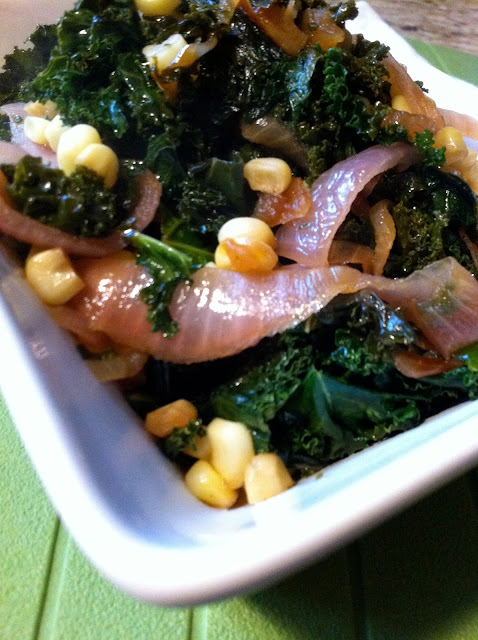
The same sense of balance matters when planning the rest of the plate. A richly roasted main course pairs well with crisp, acidic seasonal salads, which refresh the palate while the meat rests and the final pan sauce comes together.
How Long Different Cuts Should Rest
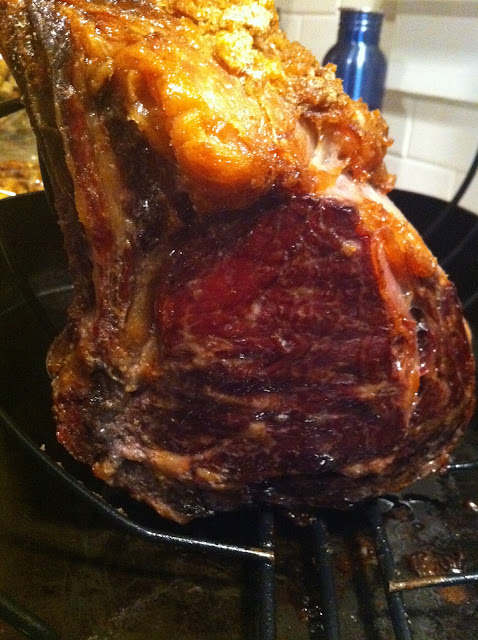
Resting time depends more on mass than on the name of the meat alone. A two-pound roast has less retained heat and fewer dense muscle fibers than a six-pound standing rib roast. Shape matters too: a compact, thick cut stays hot longer than a broad, shallow one cooked to the same internal temperature.
A useful rule is to rest small cuts for at least five minutes and larger roasts for roughly fifteen to thirty minutes. Poultry benefits from a substantial pause because its juices need time to stabilize, especially in the breast meat. A whole turkey may rest for thirty to forty-five minutes without becoming cold, provided it is loosely covered.
Use a thermometer as your guide rather than relying on the clock. Remove the roast when it is a few degrees below the desired serving temperature, then monitor it as it rests. The following ranges are practical starting points, not rigid laws.
| Roasted item | Typical resting time | Useful serving guidance |
|---|---|---|
| Steak or small chop | 5–10 minutes | Rest uncovered so the crust stays firm |
| Pork tenderloin | 10 minutes | Slice after the center has stabilized |
| Small beef or lamb roast | 15–20 minutes | Loosely tent if the surface cools quickly |
| Whole chicken | 15–25 minutes | Let the breast and thighs finish evenly |
| Large beef, pork, or lamb roast | 20–30 minutes | Use a thermometer to track carryover heat |
| Whole turkey | 30–45 minutes | Keep loosely covered and carve in stages |
These intervals also give you time to finish gravy, warm serving dishes, or toss vegetables with their dressing. The pause becomes useful kitchen time rather than an interruption to the meal.
Foil, Airflow, And The Crust
Covering a roast loosely with foil can slow heat loss, but a tight wrap has drawbacks. Steam collects beneath the foil and softens the browned exterior, turning a crisp crust slightly leathery. For a roast with a prized seared surface, uncovered resting is often the best choice.
A loose tent provides a middle ground. Place a sheet of foil over the top without pressing it around the sides. This reduces rapid cooling while allowing some steam to escape. It works particularly well for poultry and large roasts that need twenty minutes or more to settle.
Small steaks and chops generally need no covering. Their compact size means they rest quickly, and their crust is one of the main pleasures of the dish. Set them on a warm plate or cutting board with room for air to circulate.
Avoid resting meat in a deep dish filled with its own juices. The bottom can become soggy, and the retained heat may continue cooking the meat unevenly. A rimmed board or shallow platter is better, especially if you want to collect the juices for a sauce.
Carving Is Part Of The Resting Process
Even a perfectly rested roast can lose tenderness if it is carved incorrectly. Begin by identifying the direction of the muscle fibers. Slice across the grain rather than parallel to it. Cutting across shortens the fibers, making each bite easier to chew.
Use a sharp carving knife and long, smooth strokes. A dull blade presses down on the meat, forcing out moisture and tearing the surface. Let the knife do the work. For a bone-in roast, follow the bone first, then lay the meat flat for more consistent slices.
Slice only as much as you plan to serve immediately. A whole piece retains heat and moisture better than a platter of thin slices exposed to air. If guests will serve themselves over time, carve in batches and keep the remaining roast intact.
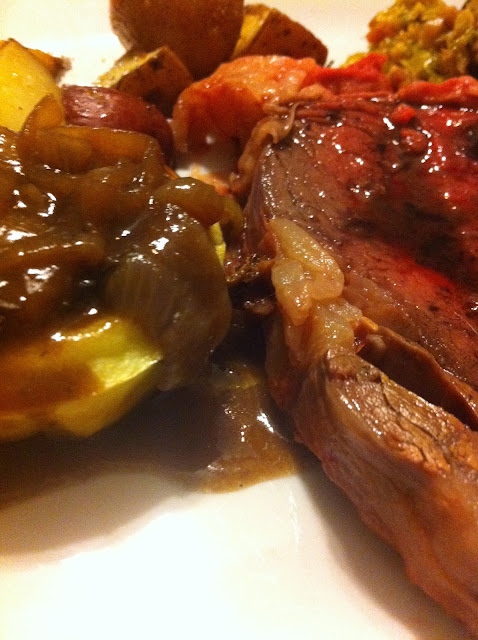
Save the juices left on the board. They can be whisked into pan gravy, spooned over the slices, or added to a warm sauce. They should not be mistaken for evidence that the meat failed to rest; some liquid is natural. The goal is to keep the majority within the meat while preserving every flavorful drop that does escape.
Timing The Meal Around The Roast
A well-planned roast dinner is built backward from the resting period. If the meat needs twenty minutes before carving, use those twenty minutes to finish vegetables, adjust seasoning, warm bread, or make a pan sauce. This creates a calmer service and prevents the cook from rushing the most important final step.
Pull serving plates and utensils into place before the roast leaves the oven. Check the thermometer, transfer the meat carefully, and note the time. With these small preparations complete, the roast can rest undisturbed instead of being moved repeatedly while everyone waits.
Resting also helps coordinate courses. A roasted main dish can settle while a first course is cleared, or it can wait while a simple side is finished. If dessert has been prepared ahead, its temperature and texture can be managed separately; browse these dessert recipes for ideas that suit a leisurely meal.
The kitchen should stay flexible, though. If the roast reaches its target temperature sooner than expected, it is better to remove it and rest it than to leave it in the oven simply to match a schedule. A clean pause protects the meat more reliably than trying to force every component to finish at exactly the same moment.
Common Mistakes That Undermine A Good Roast
One frequent mistake is treating resting as optional because the roast appears small. Even a pork tenderloin or thick steak benefits from several minutes. The smaller the cut, the shorter the pause, but the underlying movement of heat and moisture still occurs.
Another mistake is cutting into the center to check doneness repeatedly. Each opening releases juices and makes the final result harder to judge. Use an instant-read thermometer in the thickest part, inserting it from the side when possible. For bone-in meat, keep the probe away from the bone, which can give a misleading reading.
Over-tenting is also common. Foil should protect warmth, not create a sealed humid environment. If the crust is central to the dish, leave the roast uncovered or tent it very lightly. A slightly cooler crust is usually preferable to a steamed one.
Build these habits into your cooking routine:
- Set a timer as soon as the roast comes out of the oven.
- Check the internal temperature before and after resting to learn how much carryover cooking to expect.
- Rest meat on a shallow rimmed board or platter rather than in a deep pan.
- Slice across the grain with a sharp knife only when you are ready to serve.
- Reserve the board juices for gravy, jus, or a finishing spoonful over the meat.
The waiting period is a practical cooking technique, not a ceremonial pause. It improves juiciness, evens out doneness, protects texture, and gives the cook valuable time to finish the meal. The next time a roast comes from the oven, resist the urge to carve immediately: set the timer, prepare the accompaniments, and let the meat become as good as it can be.