
Why Toasting Spices Makes Better Soup
A pot of soup can contain excellent ingredients and still taste flat. The vegetables may be sweet, the broth carefully seasoned, and the herbs fresh, yet the finished bowl lacks the deep, rounded character you expected. Often, the missing element is not another spoonful of salt. It is a little attention paid to the spices before they meet the liquid.
Dry-toasting spices briefly in a skillet, or blooming them in fat, releases aromatic oils that remain muted when the spices go straight into broth. Cumin becomes warmer and nuttier, coriander takes on a citrusy fragrance, and fennel develops a gentle sweetness. This small cooking step gives a soup more dimension without making the recipe complicated.
The technique works across many styles, from lentil and bean soups to creamy squash purées and brothy chicken dishes. It also gives you greater control over the final flavor, because you can smell and assess the spices before they are dispersed through an entire pot.
What Heat Does To Spices
Spices contain volatile oils and aromatic compounds that carry much of their flavor. Gentle heat helps those compounds become more expressive. Toasting also drives off a small amount of moisture, concentrating the spice’s natural fragrance and creating subtle roasted notes.
The goal is to warm the spices, not scorch them. Whole spices usually tolerate a little more time than ground spices because their interiors are protected by their outer surfaces. Ground spices expose more area to heat and can burn quickly, leaving a bitter taste that no amount of broth can fully disguise.
A dry skillet is useful when you want a clean, roasted flavor. Medium-low heat is usually sufficient. Add the spices to the pan, shake or stir frequently, and remove them as soon as they smell fragrant. If the pan becomes smoky, the heat is too high.
Dry Toasting And Blooming In Oil
There are two related methods for awakening spices. Dry toasting means heating whole or ground spices in an ungreased pan. This is especially effective for cumin seeds, coriander seeds, mustard seeds, fennel seeds, peppercorns, and dried chiles. Once fragrant, they can be crushed, added whole, or stirred into the soup pot.
Blooming happens when spices are warmed in oil, butter, ghee, or another cooking fat. The fat absorbs and carries the spice oils throughout the dish. This method works beautifully with ground cumin, turmeric, paprika, curry powder, chili powder, and garam masala. Add the spices after the onion, garlic, or other aromatics have softened, then cook for roughly 30 seconds to one minute.
Choose the method according to the recipe. Dry-toasted seeds offer texture and a distinct roasted edge, while oil-bloomed ground spices create an even, richly colored base. In either case, keep the heat moderate and have the next ingredient ready. Adding tomatoes, stock, wine, or water promptly stops the spices from cooking too far.
When To Add Toasted Spices To Soup
For many soups, the best sequence is to toast whole spices first, remove them, and then build the aromatics in the same pot. This leaves behind a lightly seasoned cooking surface while preventing delicate spices from sitting over heat too long. You can also toast the spices, crush them with a mortar and pestle, and add them once the onions begin to soften.
When using ground spices, soften the vegetables first. Onion, leek, celery, carrot, and garlic provide moisture that protects the spices from burning. Add the ground seasonings to the fat-coated vegetables, stir until fragrant, and deglaze quickly with stock or another liquid.
Soup timing affects intensity. Spices added at the beginning have time to mingle and soften, producing a rounded background flavor. Spices stirred in near the end remain brighter and more distinct. For a layered result, bloom most of the spices early and reserve a small pinch for the final few minutes.
| Spice | Best Preparation | Flavor It Brings | Soups To Try |
|---|---|---|---|
| Cumin seeds | Dry-toast or bloom in oil | Nutty, earthy warmth | Lentil, bean, carrot |
| Coriander seeds | Dry-toast and crush | Citrus, floral sweetness | Squash, chickpea, chicken |
| Fennel seeds | Dry-toast lightly | Anise, gentle sweetness | Tomato, sausage, seafood |
| Smoked paprika | Bloom briefly in fat | Woodsy color and savory depth | Potato, corn, white bean |
| Turmeric | Bloom with aromatics | Earthy bitterness and golden color | Coconut, lentil, vegetable |
| Black peppercorns | Toast and crush | Warm heat and piney fragrance | Mushroom, beef, onion |
| Dried chiles | Toast carefully, then grind | Fruity heat and complexity | Posole, tortilla, black bean |
Matching The Technique To The Soup
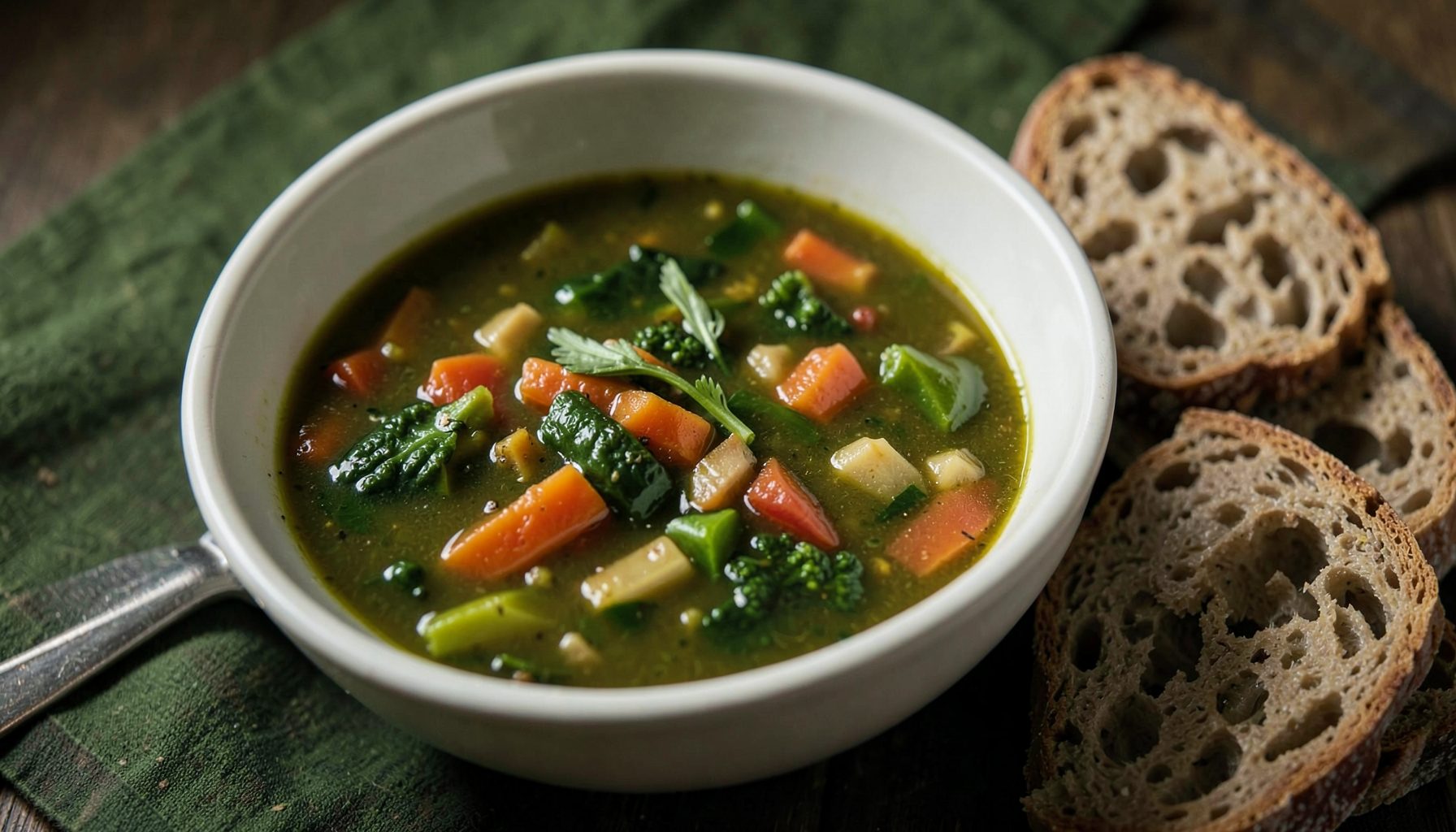
Legume soups benefit especially well from toasted spices because beans, lentils, and split peas have a mild, starchy flavor that can support assertive seasoning. Cumin, coriander, mustard seed, and dried chile add contrast without requiring a heavy amount of meat or cream. For a lentil soup, bloom cumin and coriander with onions, then add stock and lentils so the flavors develop together.
Root vegetable soups need balance rather than sheer intensity. Carrots, sweet potatoes, parsnips, and winter squash bring natural sweetness, so toasted fennel, coriander, black pepper, or a little smoked paprika can keep the soup from tasting one-dimensional. A small amount of acid at the end, such as lemon juice or cider vinegar, sharpens the toasted notes.
Brothy soups call for a lighter touch. Toast peppercorns, coriander seeds, or a cinnamon stick briefly, then add them to the broth with the vegetables or protein. Creamy soups can handle bolder spice blooming because dairy and puréed vegetables soften sharp edges. In either style, taste before adding more: toasted spices often become more apparent after the soup rests for several minutes.
Common Mistakes That Dull The Flavor
The most frequent error is overheating the pan. Spices can move from fragrant to burnt in seconds, particularly paprika, chili powder, and finely ground pepper. Use a moderate burner, stir continuously, and transfer the spices to a cool bowl if you are not ready to add the next ingredient.
Another mistake is toasting every seasoning together. Salt does not benefit from dry heat, and delicate dried herbs such as parsley, dill, and tarragon can lose their freshness. Add bay leaves and sturdy dried herbs during the simmering stage, while fresh herbs usually belong near the end.
It is also easy to use too many spices simply because the aroma is exciting while they are cooking. Remember that the flavor will spread through several cups of liquid and intensify as the soup reduces. Begin with a modest amount, then adjust after the broth has simmered and the ingredients have had time to absorb the seasoning.
A final common problem is failing to season in layers. Toasted spices create aroma, but they do not replace salt, acidity, or a well-made broth. Taste the soup after the vegetables soften, again midway through cooking, and once more before serving. This makes it easier to identify whether the dish needs more spice, salt, richness, or brightness.
A Practical Routine For Home Cooks
A reliable spice-to-soup routine begins with preparation. Measure the spices before turning on the stove, chop the aromatics, and have the stock nearby. This matters because toasted spices can burn while you are still searching for a can opener or cutting the final onion.
For whole spices, warm a heavy-bottomed pot or skillet over medium-low heat. Add the spices and stir until they smell fragrant, usually one to three minutes depending on their size. Crush them if desired, then proceed with the recipe. For ground spices, use the oil already in the soup pot and bloom them briefly with softened aromatics.
Keep a close eye on color and aroma. A pleasant toasted scent is your cue to move forward; a sharp, acrid smell means the spices need to be discarded. Do not try to rescue burnt seasonings by adding extra liquid. The bitterness will travel through the entire soup.
This same attention to seasoning helps when planning the rest of a meal. A boldly spiced soup may pair best with a simple salad, crusty bread, or a gently seasoned entrée. When soup is part of a larger menu, browse these savory entrée ideas for dishes that will complement rather than compete with its aromatic base.
Easy Ways To Build More Flavor
Toasting spices is most effective when it supports the ingredients already in the pot. Think of it as a foundation, not a substitute for thoughtful cooking. Let onions caramelize lightly, give tomato paste time to darken, or roast vegetables before adding stock when the recipe allows.
A few finishing touches can make the toasted flavor feel even more complete. Fresh lemon, lime, or vinegar cuts through richness. Yogurt, crème fraîche, coconut milk, or a drizzle of good olive oil can soften heat. Chopped cilantro, parsley, scallions, or toasted seeds add a fresh or textural contrast.
Keep these practical habits in mind:
- Toast whole spices gently and crush them afterward for the freshest aroma.
- Bloom ground spices in fat for 30 seconds to one minute, then add liquid promptly.
- Use medium-low heat and remove the pan from the burner if the spices darken too quickly.
- Taste at several stages so you can adjust salt, acidity, heat, and spice separately.
- Finish with a bright garnish when the soup tastes rich but slightly heavy.
The difference between an ordinary soup and a memorable one often comes from small decisions made before the main cooking begins. Warming spices draws out their character, distributes their oils, and gives broth a deeper aromatic backbone. Once you start listening for that fragrant moment in the pan, the step becomes as natural as chopping an onion.
Try the technique with your next pot of lentil, tomato, squash, or bean soup. Toast just one or two spices at first, take note of how their aroma changes, and taste the finished dish with a fresh garnish. A few minutes of careful heat can turn familiar pantry ingredients into a soup with warmth, complexity, and a flavor that lingers pleasantly after every spoonful.