Brown Butter and Sage Gnocchi with Toasted Pine Nuts
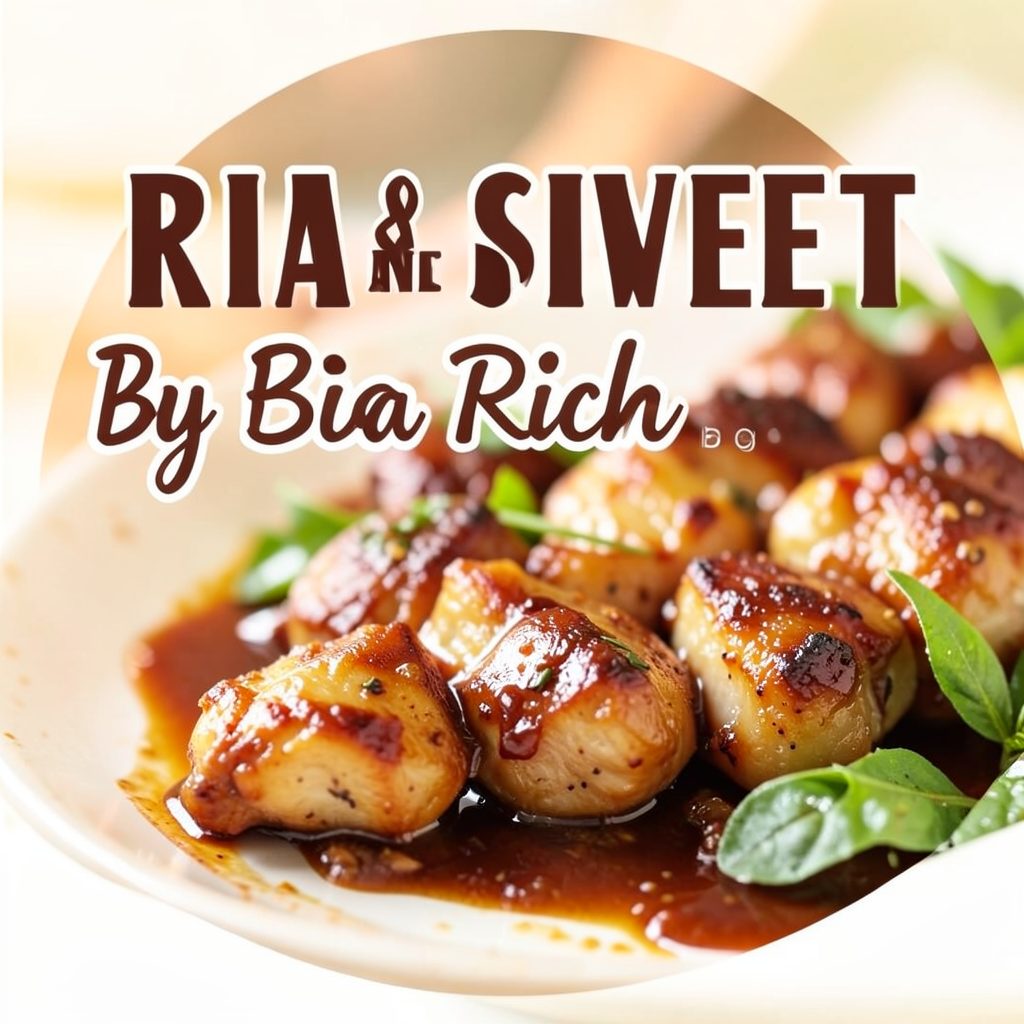
There is something quietly magical about a bowl of tender gnocchi, glistening with butter that has been coaxed past gold into a deep amber, scattered with crisp sage leaves and the gentle crunch of pine nuts. It is the kind of dish that turns a Tuesday evening into something memorable, a plate that feels both rustic and refined in equal part. Brown butter and sage gnocchi with toasted pine nuts is one of those recipes that relies on very few ingredients but rewards the cook who treats each one with care.
Gnocchi has long been the comfort food of northern Italy, where potatoes were abundant and flour stretched a humble meal into something satisfying. The version you hold in your memory may be the boiled, sauce-drenched pillows of a Sunday lunch, or the pan-fried crescents served alongside a braise. The technique here borrows from both worlds, with a soft, floury dumpling that gets a quick sear in nutty butter before being showered with herbs and nuts. It is a method that turns pantry staples into a meal worth lingering over.
What makes brown butter so beloved is the way heat transforms a simple ingredient. As the milk solids in the butter toast, they release a fragrance that smells of toasted hazelnuts and caramel. When sage leaves are added to that hot fat, they crisp within seconds, their essential oils perfuming the kitchen. Pine nuts, lightly toasted in a dry pan, add a buttery crunch that echoes the sauce. Together, the trio creates layers of flavor and texture in every forkful.
In Australian kitchens, this kind of cooking feels right at home. Metric measurements make it easy to weigh potatoes and flour accurately, and the country's love for fresh, seasonal produce means sage and good butter are rarely hard to find. Before you start, a quick note: pine nuts are classified as a tree nut under Food Standards Australia New Zealand guidelines, so if you are cooking for guests with allergies, mention them clearly on any menu or label. With that housekeeping out of the way, let us get to the pot.
The story behind the skillet
Gnocchi dough is forgiving, but not infinitely so. The goal is a dumpling that holds its shape when boiled and yet remains tender rather than chewy. Italian nonnas would tell you that the secret lies in using potatoes that are dry rather than waxy, and in handling the dough as little as possible. Flour is added only until the mixture coheres, never until it feels heavy. A heavy dough makes for gummy dumplings, no matter how perfect the sauce.
The brown butter sauce, or burro fuso as it might be called in a trattoria in Bologna, has roots in the foothills of the Alps where butter features more prominently than olive oil. Sage grows wild on the sun-warmed stone walls of those valleys, and the pairing of butter and sage is older than most cookbooks. Pine nuts, while more associated with pesto from Liguria, add a Southern flourish here, lending richness and a satisfying bite.
For Australians cooking this at home, the ingredients are accessible in most suburban supermarkets. A bag of Australian-grown Desiree or Pontiac potatoes from the farmers market at Queen Victoria Market or your local greengrocer will do nicely. Fresh sage is widely available, and pine nuts can be found in the baking aisle of any Coles or Woolworths, often shelved near the dried fruits and seeds.
Choosing potatoes, flour and sage
The potato is the foundation of any good gnocchi. Waxy varieties like Kipfler or Nadine, while excellent for potato salad, will give you a dense, gluey dumpling. Instead, reach for a floury potato such as Russet, Sebago, or the Australian-grown Desiree. These varieties absorb less water and fall apart into a dry, fluffy mass when baked or steamed, which is exactly what you want. Boiling is acceptable, but baking the potatoes in their skins is even better, as it keeps the interior drier.
For the flour, a plain all-purpose variety works well, though some cooks prefer a soft Italian-style "00" flour for an even more delicate result. The amount you use will depend on the moisture content of your potatoes, so resist the urge to follow a recipe to the gram. Start with about half a cup and add more only if the dough feels sticky. Egg is optional, but a single yolk adds richness and helps bind the dough for beginners who worry about the gnocchi falling apart in the water.
Sage should be fresh, ideally with broad, silvery-green leaves that smell of camphor and earth. In Australia, sage is grown commercially in Victoria and Tasmania, so bunches are generally fresh and fragrant. If you can only find dried sage, the flavor will be more muted, and you will want to add it earlier in the cooking process so it has time to rehydrate in the butter.
Shaping the dumplings
Once your dough has come together and rested for a few minutes, turn it out onto a lightly floured surface. Divide the dough into four pieces and roll each piece into a rope about two centimetres thick, similar in width to a wooden rolling pin. Cut the ropes into bite-sized pillows, roughly two centimetres long. Each pillow gets a gentle press with the tines of a fork or a gnocchi board, creating ridges that will catch the sauce.
These ridges are not merely decorative. They give the butter something to cling to, ensuring that every dumpling is coated in that glossy, nutty sauce. If you do not have a traditional wooden gnocchi board, the back of a fork works perfectly well. Press each pillow down and roll it slightly away from you, creating little ridged shells that look like tiny seashells.
Freshly shaped gnocchi can be cooked immediately or left to rest on a flour-dusted tray for up to an hour. If you want to prepare them ahead of time, they freeze beautifully on a tray before being transferred to a freezer bag. Boil them straight from frozen, adding a minute or two to the cooking time. The cooked gnocchi can also be refrigerated for a day, tossed with a little olive oil to prevent sticking.
The brown butter sauce
The sauce is the soul of the dish, and it deserves your full attention. Start with a heavy-bottomed skillet, preferably one that holds heat evenly, such as a cast-iron pan. Melt around 80 grams of unsalted butter over medium heat and swirl the pan as it foams. The butter will hiss, then quiet, then begin to turn golden at the edges. Keep swirling, and within two or three minutes the milk solids will drop to the bottom and toast to a deep amber.
At this point, add the sage leaves. They will crackle and crisp almost immediately, so have your cooked gnocchi ready to go in. If you are using the gnocchi as a main course rather than a starter, you might also sear them in the brown butter for a minute or two before serving, giving them a golden crust. The technique of crisping fat until it turns golden is one that applies to many dishes. You can read more about building that kind of texture in crackling roast pork belly for another application of the same principle.
Toast the pine nuts separately in a dry pan over low heat, watching carefully because they burn quickly. Stir them constantly for two to three minutes until they smell nutty and have taken on a pale golden colour. Scatter them over the gnocchi at the very last moment so they stay crunchy. A grating of Parmesan or pecorino is welcome, though not strictly traditional, and a crack of black pepper finishes the dish.
Serving and pairings
A bowl of brown butter and sage gnocchi with toasted pine nuts is a complete meal on its own, particularly when paired with a simple salad of bitter leaves dressed with lemon and olive oil. If you are serving it as a starter, four or five dumplings per person is plenty, with a slice of toasted sourdough rubbed with garlic on the plate. As a main, double that portion and add a vegetable side such as roasted pumpkin or sautéed greens.
For wine, the dish leans toward a crisp white with enough body to stand up to the butter. An Australian semillon from the Hunter Valley, or a pinot grigio from the Adelaide Hills, would both be lovely choices. If you prefer red, a young pinot noir served slightly cool works surprisingly well, its red fruit notes complementing the nuttiness of the butter.
Beyond this recipe, you will find plenty of other options for dinner in the entrees collection on the blog, ranging from slow-braised meats to quick weeknight pastas. Gnocchi itself is endlessly versatile, and once you have mastered the brown butter version, you might try a burnt butter and caper sauce, or a tomato and brown butter combination that blurs the line between Southern Italian and Northern.
Notes for cooking ahead and reheating
- Cook the gnocchi a few hours ahead, then toss with a little olive oil and refrigerate. Reheat gently in the brown butter sauce just before serving.
- Toast the pine nuts in advance and store them in an airtight container at room temperature for up to a week.
- Brown butter can be made ahead and refrigerated for two days; reheat gently and watch for splatter.
- If freezing uncooked gnocchi, dust them well with flour and freeze in a single layer on a baking tray before bagging.
- For a nut-free version, swap the pine nuts for toasted pumpkin seeds or sunflower seeds.
- Leftover gnocchi can be pan-fried the next morning with a little butter for a breakfast hash, topped with a poached egg.