

Chilled gazpacho with roasted peppers and smoked paprika
When summer produce is abundant, a bowl of cold soup can be one of the most satisfying meals to make. This gazpacho combines ripe tomatoes, sweet roasted capsicum, cucumber, garlic and sherry vinegar, then finishes with smoked paprika for a gentle, savoury warmth. It is bright and refreshing, yet the roasted vegetables give it enough depth to feel substantial.
The method is straightforward, though a few small choices make a considerable difference. Roasting the peppers concentrates their sweetness, salting the vegetables before blending improves their flavour, and allowing the soup to rest in the refrigerator gives the ingredients time to settle together. Served icy-cold with good bread or a crisp garnish, it is well suited to an Australian summer lunch, dinner party or relaxed weekend meal.
Why roasting changes the flavour
Traditional gazpacho relies on fresh vegetables, but roasting some of them creates a more layered result. Capsicum becomes softer and sweeter in the oven, while its skin takes on a lightly charred flavour. A short roast for the tomatoes can do the same, particularly when the fruit is slightly underripe or lacks the intense flavour of a garden-picked tomato.
For a balanced soup, roast the red capsicums and perhaps one tomato, but keep the cucumber and remaining tomatoes fresh. This contrast prevents the purée from tasting heavy. The fresh vegetables provide coolness and lift, while the roasted produce supplies body and a rounded sweetness.
In Australia, red capsicums are often plentiful at summer farmers’ markets, from Melbourne’s Queen Victoria Market to smaller regional produce stalls. Choose firm, glossy specimens with taut skin. Very large capsicums are useful here because they yield plenty of flesh after the stems, seeds and skins are removed.
Ingredients for a smooth, lively soup
For about six entrée serves or four generous bowls, use:
- 3 large ripe tomatoes, roughly chopped
- 2 red capsicums
- 1 Lebanese cucumber or half a continental cucumber
- ½ small red onion
- 1 small garlic clove
- 2 tablespoons extra-virgin olive oil, plus more to serve
- 1½ tablespoons sherry vinegar
- 1 teaspoon smoked paprika
- ½ teaspoon fine sea salt, plus more to taste
- A pinch of black pepper
- 100–150 ml cold water, as needed
- Fresh basil, coriander or flat-leaf parsley for serving
Roma tomatoes work particularly well because they contain less water, but any ripe, flavourful tomato is suitable. If your tomatoes are very acidic, a small pinch of caster sugar can soften the edges. The aim is not a sweet soup; it is simply to bring the fruit back into balance.
Sherry vinegar gives the best rounded tang, though red wine vinegar is a practical substitute. Lemon juice can be used in a pinch, but it creates a sharper, more citrus-led flavour. Smoked paprika varies in strength, so begin with one teaspoon and add more after chilling rather than allowing the spice to dominate at the blending stage.
Roast the capsicum with care
Heat the oven to 220°C, or 200°C fan-forced. Halve the capsicums and remove the seeds and pale inner ribs. Place them skin-side up on a lined tray, pressing them down so that as much skin as possible is exposed. Roast for 25–35 minutes, until the skins are blackened in patches and the flesh is soft.
Transfer the hot capsicums to a bowl and cover it with a plate or reusable food cover. Leave them for 10–15 minutes. The trapped steam loosens the skin, making it easier to peel. Remove as much skin as you can, but do not worry if a few charred flecks remain; they contribute flavour.
If you are cooking during a particularly hot Queensland or northern New South Wales summer, roasting early in the day will keep the kitchen more comfortable. A barbecue can also be used: grill the capsicums over high heat until blistered, then steam them in a covered bowl. This gives the gazpacho an especially appealing smoky character.
Blend for texture rather than speed
Add the peeled capsicum, tomatoes, cucumber, red onion, garlic, olive oil, vinegar, paprika, salt and pepper to a blender. Blend until smooth, pausing to scrape down the sides. Add cold water a tablespoon or two at a time until the soup moves easily around the blade but remains thick enough to coat a spoon.
Taste before straining. If the vegetables are excellent and ripe, the mixture may need very little adjustment. If it tastes flat, add another pinch of salt. If it feels overly sweet, use a little extra vinegar. For a warmer, more savoury finish, add a small pinch of paprika rather than another garlic clove.
A high-speed blender produces a fine, silky consistency, while a standard food processor leaves a little more texture. Both are good choices. For a restaurant-style finish, pass the soup through a fine sieve, pressing with the back of a ladle. This takes a few extra minutes but removes tomato seeds and fibrous pepper pieces.
Give the flavours time to settle
Pour the blended soup into a non-reactive container, cover it and refrigerate for at least two hours. Four to six hours is even better. The chilling time mellows the raw onion and garlic, allows the paprika to spread through the mixture and gives the vinegar a chance to integrate with the olive oil.
Cold temperatures mute flavour, so taste the gazpacho again just before serving. It may need a final splash of vinegar, a pinch of salt or a spoonful of iced water to loosen it. Avoid adding too much water early in the process; a thick soup can be adjusted easily, while a thin one is difficult to correct without diluting its flavour.
If preparing the soup a day ahead, keep it in a sealed container and stir thoroughly before serving. A thin layer of olive oil may rise to the surface, which is perfectly normal. The soup keeps well for about three days, although its colour and freshness are at their best during the first two.
Make the garnish part of the meal
Pour the gazpacho into chilled bowls or small glasses. Finish each serving with a few drops of olive oil, a dusting of smoked paprika and finely diced cucumber or capsicum. Fresh herbs add colour and fragrance, while toasted sourdough crumbs provide a pleasant contrast to the smooth soup.
For a more substantial lunch, serve it with grilled prawns, a soft-boiled egg or slices of crusty bread rubbed with garlic. A small plate of zucchini and corn fritters is another excellent match; the crisp edges and sweet kernels complement the cool tomato base. This spicy fritter pairing brings chipotle heat to the table without competing with the smoked paprika.
In Sydney or Perth, where a warm evening meal may still be enjoyed outdoors, serve the soup in small tumblers as a first course at a barbecue. For a picnic, transport it in a well-chilled flask and pack garnishes separately. The soup should remain properly cold, particularly in summer heat, so an insulated bag with frozen gel packs is preferable to relying on a shaded spot.
Pair it with wine and seasonal plates
The soup’s acidity and smoky sweetness call for a wine with freshness rather than heavy oak. A dry Australian riesling, particularly from Clare Valley or the Eden Valley, cuts through the olive oil and keeps the finish clean. A zesty sauvignon blanc also works, especially when the gazpacho contains extra cucumber or herbs.
For a red option, choose something light and low in tannin, such as a chilled young grenache or a cool-climate pinot noir. Avoid large, heavily oaked reds, which can taste hard beside the vinegar and raw vegetables. A dry rosé is an easy choice for a long lunch, and sparkling wine makes the soup feel festive without adding richness.
The dish also sits comfortably within a spread of salads, grilled seafood and fresh bread. If dessert follows, keep it bright rather than dense. A platter of fruit, biscuits and nuts, such as this dessert platter idea, allows guests to choose a small sweet finish after the savoury, chilled course.
Adjust the recipe to suit your table
The basic formula is flexible. Yellow or orange capsicum can replace some of the red, producing a sweeter colour and flavour. A little watermelon can take the place of part of the tomato for an especially summery variation, while a spoonful of natural yoghurt creates a softer, creamier texture. Keep the additions restrained so the soup remains recognisably a vegetable gazpacho.
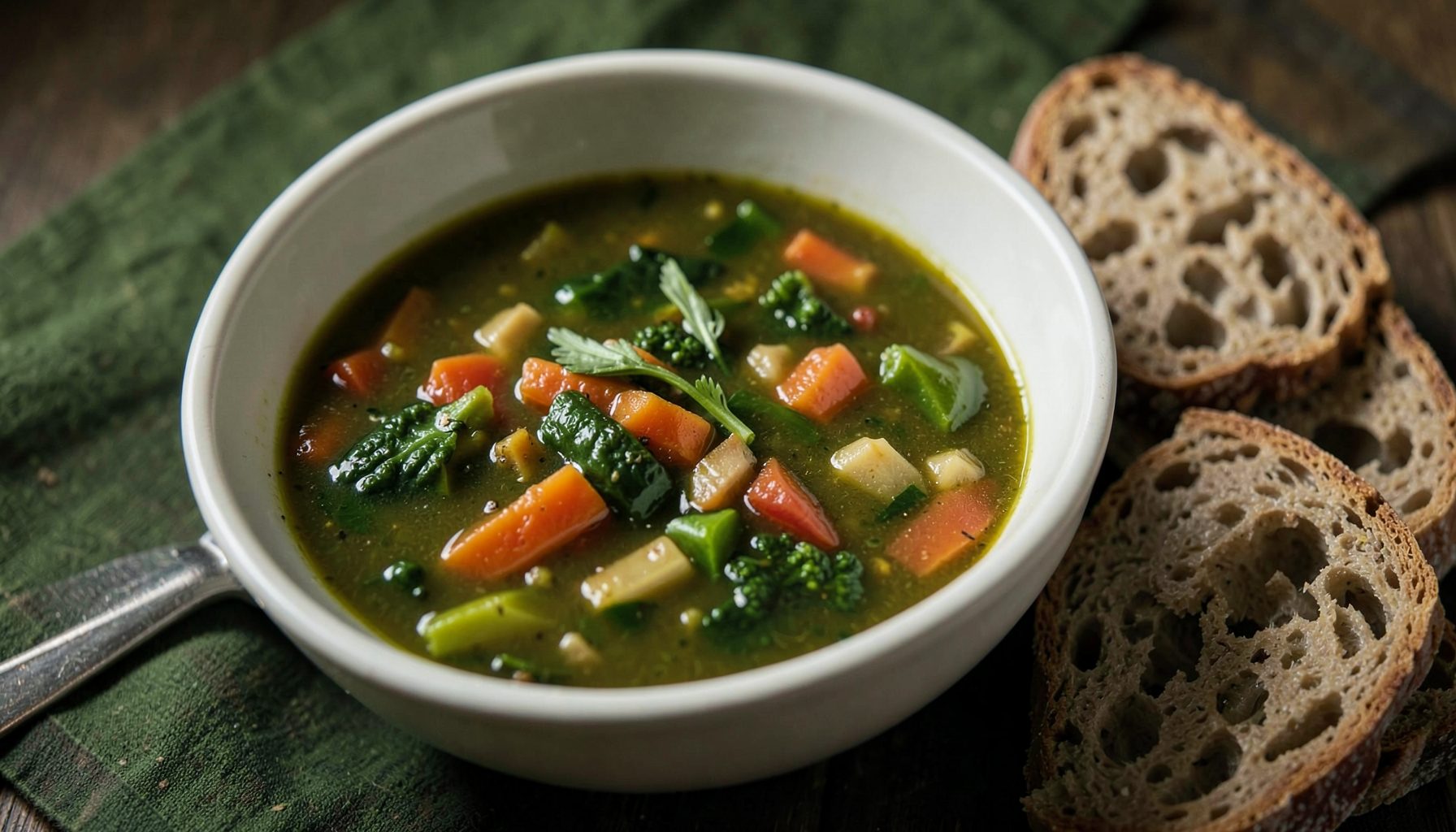
For a green version, use extra cucumber, a handful of basil and a small green capsicum, then reduce the smoked paprika. For extra heat, blend in a slice of fresh chilli or a pinch of cayenne. If serving children, leave out the chilli and let each person add pepper or hot sauce at the table.
| Element | Recommended choice | Useful adjustment |
|---|---|---|
| Main vegetables | Ripe tomatoes, red capsicum and cucumber | Use yellow capsicum for a sweeter version |
| Acid | Sherry vinegar | Substitute red wine vinegar or lemon juice |
| Smoked flavour | Smoked paprika and charred capsicum | Add grilled capsicum for a deeper barbecue note |
| Texture | Blend until smooth, then chill | Strain for a silky restaurant-style finish |
| Garnish | Olive oil, herbs and diced cucumber | Add toasted bread crumbs for crunch |
| Wine | Dry riesling, sauvignon blanc or rosé | Serve a light pinot noir if red wine is preferred |
The finished soup should taste fresh first, smoky second and gently sharp at the end. That balance makes it adaptable enough for a casual family lunch, yet polished enough for guests. With ripe produce, proper chilling and a thoughtful garnish, it becomes a cool, colourful expression of summer cooking.