
A Deeply Flavorful Chicken Stock Using Roasted Bones
A deeply flavorful chicken stock using roasted bones is one of the most useful foundations in a home kitchen. Roasting develops savoury depth, caramelised edges and a gentle sweetness before the bones ever meet the water. The finished broth can be clear and delicate or dark and concentrated, depending on how far you take the roasting and reduction.
In Australia, where a good roast chook is often the centre of a Sunday lunch, there is no reason for the carcass to go straight into the bin. Save the bones from a Woolworths roast chicken, a home-cooked free-range bird or a few chicken wings from the butcher, then turn them into a rich pantry staple. A batch made on the weekend can flavour soups, risottos, sauces and midweek dinners with very little extra effort.
Choosing Bones And Aromatics
The best stock usually combines a roasted chicken carcass with a few joints, wings or necks. The carcass contributes roasted flavour, while wings, feet and necks provide collagen that gives the liquid a silky texture once chilled. If you buy chicken frames from a local butcher, ask whether they have backs or wing tips available; these inexpensive pieces are especially good for stock making.
Raw bones can be roasted from the beginning, or you can use bones left from a roast bird. Pick off useful meat before simmering, but do not worry about small scraps clinging to the frame. Skin can remain in place, though large quantities of fat are better removed after chilling. For a particularly full-bodied broth, include two or three chicken feet if your butcher stocks them.
A classic aromatic base is onion, carrot, celery, garlic, bay leaf, parsley stems and black peppercorns. Keep the vegetables in generous pieces so they do not dissolve too quickly. Leek tops, fennel stalks and mushroom stems are useful additions, especially when they are already waiting in the crisper. Avoid salting at this stage: reduction can intensify saltiness, and an unsalted stock is more versatile.
Roasting For Deep Savoury Flavour
Heat the oven to 220°C conventional, or 200°C fan-forced. Spread the bones over a sturdy roasting tray, leaving room around each piece so hot air can circulate. Roast for 35 to 50 minutes, turning once, until the bones are deeply golden brown. Colour is valuable here, but blackened bones will give the stock a bitter, burnt taste.
For extra depth, add the onions and carrots for the final 20 minutes. Celery can become too dark and acrid, so it is generally better added to the pot later. If the tray develops a sticky brown layer, transfer the bones to the stockpot and pour a little water into the hot tray. Scrape up the browned fond with a wooden spoon; this liquid carries concentrated roasted flavour.
A splash of dry white wine can be used to deglaze the tray, although it is optional. In Australia, a modestly priced Adelaide Hills sauvignon blanc or Victorian chardonnay works perfectly well. Let the wine bubble for a minute or two, then pour the liquid into the pot. There is no need to use an expensive bottle, and avoid sweet or heavily oaked wines that can distort the savoury character.
Building A Balanced Simmer
Put the roasted bones, vegetables, herbs and peppercorns into a large pot. Cover with cold water by roughly 5 centimetres, but do not fill the pot to the brim. Starting with cold water encourages the proteins and collagen to release gradually, which helps produce a rounded texture. Bring the liquid slowly to a bare simmer rather than a vigorous boil.
As grey foam rises, skim it away with a ladle. Once the surface is relatively clean, reduce the heat until the stock barely trembles. A hard boil breaks bones and emulsifies fat into the liquid, creating a cloudy, greasy result. The clearest stock comes from patience: a few lazy bubbles are enough.
Simmer chicken bones for four to six hours, topping up with hot water only when the bones become exposed. A pressure cooker can shorten the process to around two hours at high pressure, followed by a natural release. This is handy in a Brisbane summer when nobody wants a pot steaming away all afternoon, though the stovetop method gives you more control over reduction and aroma.
| Stage | What to do | What to look for |
|---|---|---|
| Roast | Cook bones at 220°C conventional or 200°C fan-forced | Deep golden colour, no black scorching |
| Deglaze | Scrape the roasting tray with water or dry white wine | Brown, savoury liquid with no burnt smell |
| Simmer | Keep the pot just below a boil | Occasional bubbles and little agitation |
| Skim | Remove foam during the first hour | Cleaner surface and a fresher flavour |
| Strain | Pass through a fine sieve without pressing | Clear broth with minimal sediment |
| Chill | Cool quickly, then refrigerate overnight | Firm gel beneath a layer of fat |
| Reduce | Simmer strained stock uncovered | Concentrated flavour and a fuller body |
Straining Cooling And Storing
When the stock tastes deeply chickeny and the vegetables have given up their flavour, strain it through a fine-mesh sieve. For a polished broth, line the sieve with damp muslin or a clean tea towel. Do not press the solids aggressively, since squeezing can force cloudy particles and bitter vegetable flavour into the liquid.
Cool the stock quickly rather than leaving a large hot pot on the bench. Divide it among shallow containers, set them in a sink of cold water and stir occasionally until the steam subsides. Once cool, refrigerate promptly. Food safety matters particularly in Australia’s warmer months, when a pot can remain in the danger zone longer than expected in a heated kitchen.
The next day, the stock should have a layer of fat on top and, if it contains plenty of collagen, a soft jelly-like texture underneath. Lift off the fat and keep it for roasting potatoes or sautéing mushrooms. Refrigerated stock is best used within three to four days. Freeze it in labelled containers, ice-cube trays or 250-millilitre portions for easy use.
Leave a little headspace in any jar or container because liquid expands as it freezes. A date and a note such as “light stock” or “reduced stock” prevent freezer surprises later. Frozen stock keeps its quality for several months, although it is usually safe for longer when continuously frozen.
Using Stock Across The Kitchen
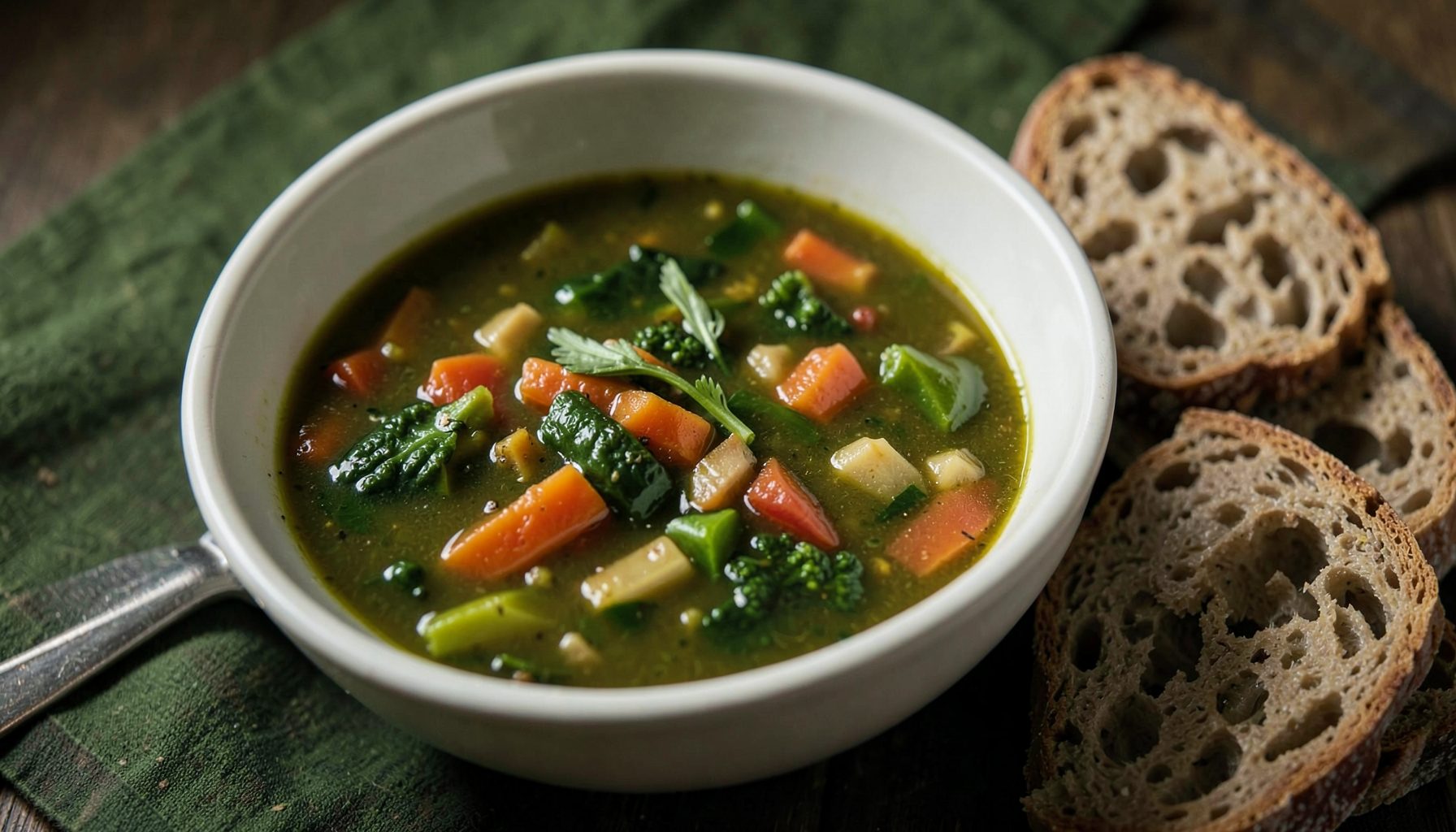
A light, roasted broth makes a quick soup with shredded chicken, silverbeet and cannellini beans. For a richer result, reduce it until glossy and use it as the base of a pan sauce for chicken thighs. It can also replace some of the water in gravy, braised vegetables, savoury pastry fillings or a pot of pearl couscous.
For risotto, keep the stock hot in a separate saucepan and add it gradually to the rice. The roasted bones contribute depth without requiring a large quantity of butter or cheese. A splash of lemon juice at the end brightens the dish, while chopped parsley, chives or tarragon keeps the flavour fresh.
If you are planning a family meal, these chicken entree ideas offer natural places to use a batch of homemade broth. A small amount enriches a creamy sauce, and a reduced spoonful can be brushed over roast chicken before serving. Since the stock is usually unsalted, it gives you control over the seasoning of the final dish.
The broth also works in gravy for a classic roast lunch, with peas, pumpkin or crisp potatoes alongside. In colder parts of Victoria or Tasmania, a mug of hot stock with ginger and spring onion is comforting on its own. In warmer Queensland weather, use it as the foundation for a lighter noodle soup and add herbs just before serving.
Finishing A Meal With Thoughtful Pairings
Roasted chicken stock has enough savoury intensity to support a complete menu, but its best partner depends on how concentrated it is. A delicate broth suits steamed greens, poached chicken and a crisp white wine. A reduced, gelatinous stock can stand beside braised meat, buttery mash or roasted root vegetables without disappearing.
For wine, try a cool-climate chardonnay, a dry riesling from Clare Valley or a medium-bodied pinot noir from Tasmania. The wine should refresh the palate rather than compete with the broth. When the stock is used in a creamy sauce, a wine with bright acidity helps balance the richness.
A roast chicken dinner can finish with something fruit-forward rather than heavy. A rustic apple and blackberry galette brings buttery pastry, tart berries and gently spiced fruit to the table after a savoury meal. That contrast is especially welcome when the main course includes a concentrated gravy or a creamy stock-based sauce.
The real value of roasted-bone stock is its quiet usefulness. It turns leftovers and affordable butcher’s cuts into a versatile base, adds restaurant-style depth to everyday cooking and rewards a few hours of gentle simmering. Once portions are frozen, a future soup, sauce or risotto is already halfway to the table.