
A Fresh Basil Pesto That Keeps Its Bright Green Colour
A good basil pesto should taste like summer in a bowl: sweet, grassy leaves, buttery pine nuts, sharp parmesan, fragrant garlic and enough extra-virgin olive oil to bring everything together. The colour matters too. A vivid green sauce looks lively against pasta, grilled vegetables or warm sourdough, while a greyish pesto can seem tired before the first bite.
The trick is less about adding a mysterious ingredient and more about controlling heat, air and time. A quick blanch fixes the colour of the basil, careful drying prevents watery pesto, and gentle blending protects the fresh flavour. This method suits an Australian kitchen, whether you have basil growing in a suburban pot in Melbourne, a backyard garden in Brisbane or a bunch bought at a weekend farmers’ market.
Why basil turns dull
Basil darkens when its leaves are bruised, exposed to oxygen or warmed during processing. The blades of a food processor can create friction, and a warm motor can gradually heat the mixture. Extra-virgin olive oil may also become bitter if it is aggressively blitzed for too long. None of these problems make pesto unsafe, but they can take away the clean colour and aromatic lift that make it special.
Blanching the leaves briefly in boiling water slows the enzymes responsible for browning. The timing is important: ten seconds is usually enough for tender basil. The leaves should soften slightly without cooking through. Transfer them straight into iced water, then squeeze and pat them very dry. Excess water weakens the flavour, makes the sauce runny and can shorten its useful life.
This small restaurant technique is especially helpful in Australia, where basil can wilt quickly during a hot summer trip home from the market. If you are shopping at Sydney’s Carriageworks Farmers Market, Melbourne’s Queen Victoria Market or a local produce stall, take the basil home promptly and keep it out of direct sun. Choose bunches with unmarked leaves and a fresh, peppery scent rather than stems that feel slimy or leaves with black edges.
Ingredients for a vivid pesto
For about 350 millilitres, use 80 grams of basil leaves, 60 grams of pine nuts, one small garlic clove, 70 grams of finely grated parmesan, 120 millilitres of extra-virgin olive oil, half a teaspoon of fine sea salt and one to two teaspoons of lemon juice. Weighing the basil after removing thick stems gives a more reliable result, although an abundant handful-based approach will work for a relaxed batch.
Pine nuts give classic pesto its creamy, slightly sweet character. Toast them in a dry frying pan over low to medium heat until pale gold, shaking the pan often. They can burn within moments, so tip them onto a plate as soon as they are ready and let them cool completely. If pine nuts are unusually expensive at your local grocer, unsalted almonds, cashews or pepitas make useful variations, although the flavour will be different.
Use a parmesan with a firm, savoury texture and grate it finely so it disappears into the sauce. A mild Australian parmesan-style cheese can work well, particularly when paired with delicate basil. Lemon juice is optional, but a small amount brightens the finished pesto and helps balance rich oil and cheese. Add it gradually rather than turning the sauce distinctly lemony.
For readers who enjoy the story behind a dish, Bia Rich’s kitchen story reflects the kind of practical cooking knowledge that comes from restaurant work, family traditions and gardening. This pesto follows that same spirit: a classic foundation, adjusted with care for the ingredients in front of you.
The method for bright green leaves
Bring a large saucepan of water to a rolling boil and prepare a bowl of iced water beside it. Drop in the basil leaves, press them under the water and count to ten. Lift them out with tongs or a spider strainer, then place them immediately in the iced water. After thirty seconds, drain them and squeeze gently in a clean tea towel. Finish by spreading the basil on another dry towel for a few minutes.
Add the cooled pine nuts, garlic and salt to a food processor. Pulse until the nuts are finely chopped, then add the basil. Pulse in short bursts, scraping down the sides as needed. Avoid running the machine continuously, because a smooth paste produced through force and heat can taste flatter than a slightly textured pesto.
With the motor off or running at its lowest speed, add the olive oil in a thin stream. Stop as soon as the mixture looks cohesive and spoonable. Stir in the parmesan by hand, then add lemon juice and taste. The ideal texture should cling to pasta without becoming stiff; loosen it with another spoonful of oil or a splash of pasta water when serving.
For an even more vivid result, chill the food processor bowl and blade for ten minutes before beginning. This is not essential, but it is useful in a warm Australian kitchen. A mortar and pestle produces wonderful texture and avoids motor heat, though the basil must still be blanched if maintaining a fresh green colour is the priority.
Serving it beyond a bowl of pasta
Pesto is at its best when it is treated as a finishing sauce rather than cooked hard. Toss it with hot pasta off the heat, adding a little starchy cooking water until the sauce turns glossy. Orecchiette, trofie and spaghetti all work, while short shapes such as fusilli catch the pine nuts and cheese in their ridges. Add green beans or peas for a quick meal with a fresh, summery feel.
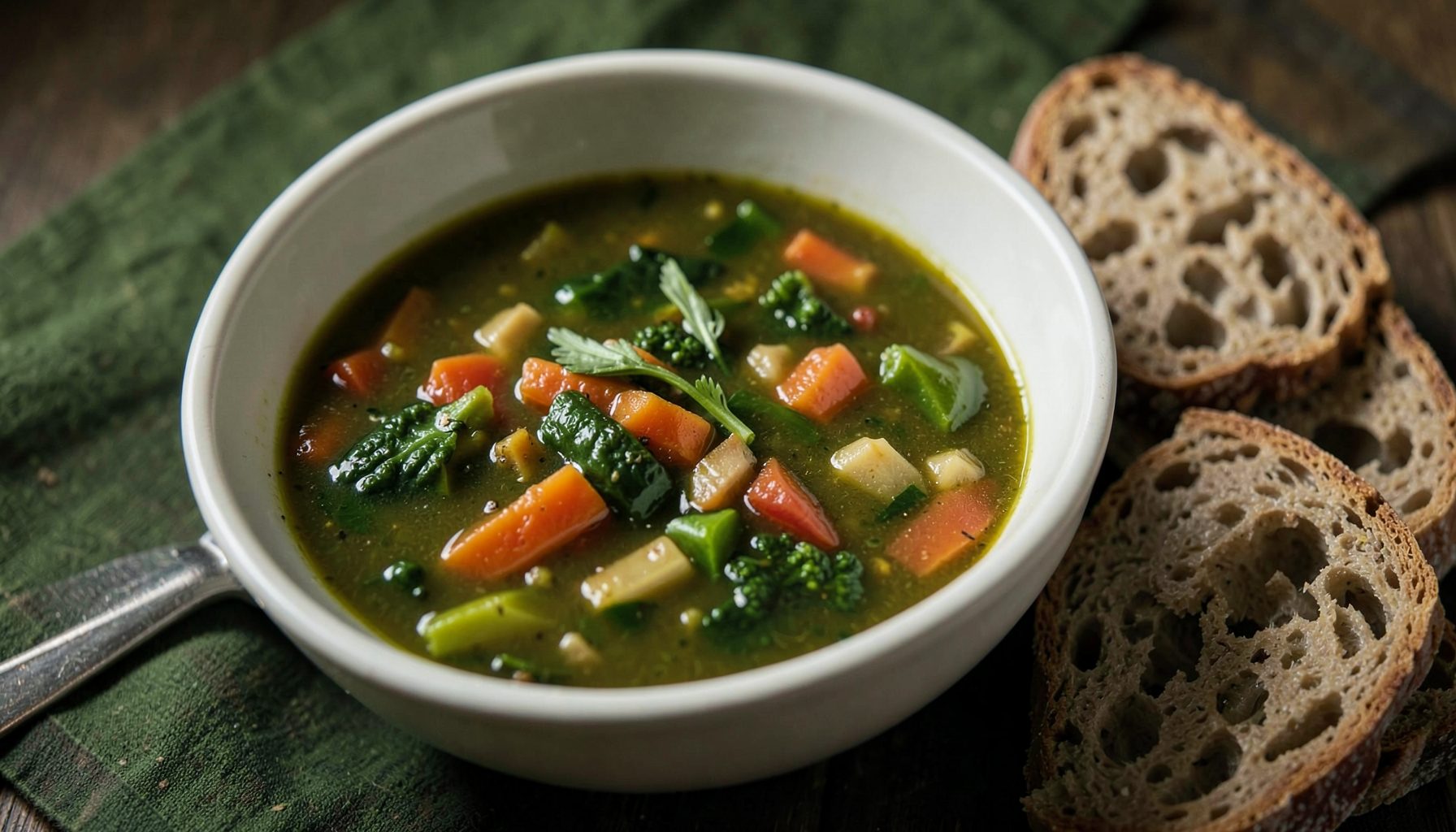
Spoon the pesto over grilled prawns, roast chicken, baked salmon or charred zucchini. It also makes a lively dressing for a tomato and bocconcini salad, especially when the tomatoes have been left at room temperature to develop their fragrance. Swirl a teaspoon through minestrone just before serving, or spread it thinly on toasted sourdough with ricotta.
A small amount can transform everyday vegetables. Toss it through steamed potatoes, roasted pumpkin or blanched asparagus while they are still warm. In cooler months, stir it into white bean soup at the table. For a picnic in Adelaide or a lunch packed for a day along the New South Wales coast, keep the pesto chilled and carry it separately from bread or salad so everything remains fresh.
The sauce also provides a savoury counterpoint to a broader meal. Serve pesto pasta alongside a simple green salad and a crisp, dry white such as Australian sauvignon blanc, vermentino or a cool-climate chardonnay. If the meal ends with something richly flavoured, a restrained portion of pesto keeps the menu balanced; Bia Rich’s dessert collection offers plenty of ideas for that final course.
Storing, freezing and using every spoonful
Fresh pesto is most fragrant on the day it is made. Transfer it to a clean, shallow container, press baking paper or reusable food wrap directly onto the surface and refrigerate it promptly at 5°C or below. A thin film of olive oil can reduce contact with air, but it is not a substitute for refrigeration. For best flavour and colour, use it within three to four days.
Food safety deserves extra attention with mixtures containing fresh garlic and oil. Do not leave a jar of pesto on the bench for a long afternoon, and never keep homemade garlic-and-oil mixtures at room temperature. Australian food safety guidance commonly uses the 5°C to 60°C range as the temperature danger zone, with the two-hour and four-hour principle helping home cooks judge how long chilled foods have been exposed. When in doubt, discard it rather than tasting to test its safety.
Freezing gives better long-term results than refrigeration. Spoon the pesto into ice-cube trays or small containers, freeze until firm, then transfer the portions to a labelled freezer bag. Leave out the parmesan before freezing if you want the freshest texture; stir it in after thawing. Defrost in the refrigerator, or place a frozen portion into hot pasta and loosen it with pasta water.
For another rich variation, spread a little pesto beneath roasted fish or fold it through a savoury tart filling. It pairs particularly well with flaky pastry, creamy cheese and roasted tomatoes. The contrast between herbaceous basil and buttery pastry also makes a pleasing savoury bridge before a dessert such as this chocolate ganache tart. Make the pesto in a small batch, keep it cold, and its colour, aroma and flavour will remain remarkably close to the moment it left the food processor.