
Hearty Beef and Barley Stew with Root Vegetables and Thyme
A good beef and barley stew should feel generous from the first spoonful: tender pieces of beef, chewy grains, sweet root vegetables, and a broth deepened by time. It is the kind of meal that makes a kitchen smell welcoming long before dinner is served. Thyme brings a woodsy freshness that keeps the richness balanced, while barley gives the pot a pleasant, almost creamy body.
This version is designed for a relaxed home kitchen rather than a rushed weeknight. Browning the beef in batches, softening the aromatics, and allowing the stew to simmer gently are small steps, but each one builds another layer of flavor. Carrots, parsnips, and potatoes add earthy sweetness and make the dish substantial enough to stand on its own.
The recipe also welcomes seasonal interpretation. Use turnips or rutabaga in place of some of the potatoes, add a handful of mushrooms, or tuck in chopped greens near the end. The essential character remains the same: a slow-cooked beef stew with barley, root vegetables, thyme, and a broth worth lingering over.
Why this stew works
Chuck roast is the best choice for a long simmer because it contains enough connective tissue and marbling to become tender without drying out. As it cooks, collagen melts into the broth, giving it a silky texture and a fuller flavor. Pre-cut stew meat can work well, but buying a whole chuck roast and cutting it yourself often gives you more even pieces.
Pearl barley contributes a gentle nuttiness and satisfying chew. It also releases some starch as it cooks, naturally thickening the liquid without requiring flour or cornstarch. If you prefer a clearer broth, cook the barley separately and stir it in shortly before serving. For a more unified, spoon-coating stew, add it directly to the pot.
Thyme is particularly good here because it complements both beef and vegetables without dominating them. Fresh sprigs are lovely, though dried thyme is a dependable pantry option. Bay leaf, black pepper, and a small amount of tomato paste round out the seasoning and give the broth a savory depth.
Ingredients for a deeply flavored pot
For six generous servings, plan on about two pounds of beef chuck, cut into roughly one-and-a-half-inch cubes. Trim away only large, firm pieces of fat; small seams of marbling help the meat stay succulent. Season it generously with kosher salt and freshly ground black pepper before it reaches the pot.
You will also need olive oil or another neutral cooking fat, one diced yellow onion, two or three sliced garlic cloves, and two tablespoons of tomato paste. The vegetables can include three carrots, two parsnips, two medium potatoes, and a small rutabaga or turnip. Cut firm vegetables into similarly sized chunks so they finish at approximately the same time.
Use six cups of beef stock, preferably low-sodium, along with a cup of dry red wine or additional stock. A few thyme sprigs, one bay leaf, and a teaspoon of Worcestershire sauce add complexity. Pearl barley generally needs three-quarters of a cup for this amount of liquid, though you can increase it slightly for a thicker, more grain-forward stew.
Salt levels vary widely among stocks, so hold back on final seasoning until the beef and barley have finished cooking. A teaspoon of red wine vinegar stirred in at the end can sharpen the flavors, especially if the broth tastes heavy or flat.
The method that builds flavor
Begin by patting the beef dry. Moisture on the surface will cause steaming instead of browning, so this small preparation step matters. Heat a heavy Dutch oven over medium-high heat, add a thin film of oil, and sear the beef in batches. Leave space between the pieces and turn them only when a rich brown crust has formed.
Move the browned beef to a bowl, then add the onion and a pinch of salt to the same pot. Cook until softened, scraping up the browned bits from the bottom. Add the garlic and tomato paste, stirring for a minute or two until the paste darkens slightly. This brief cooking period removes its raw edge and gives the broth a more rounded tomato flavor.
Pour in the wine, if using, and scrape the bottom thoroughly as it bubbles. Let it reduce for a few minutes, then return the beef and any accumulated juices to the pot. Add the stock, thyme, bay leaf, and Worcestershire sauce. The liquid should nearly cover the meat; add a little water or stock if needed.
Bring the stew just to a simmer, then reduce the heat to low. Cover it partially and cook for about one hour before adding the barley and sturdier vegetables. This gives the beef a head start and prevents the vegetables from becoming too soft. Continue simmering for another 35 to 45 minutes, or until the meat yields easily to a fork and the barley is tender.
Choosing and timing the vegetables
Root vegetables have different cooking times, so thoughtful cutting makes the finished stew much better. Carrots and parsnips can be cut into thick coins or angled chunks. Potatoes should be large enough to hold their shape, while rutabaga and turnip benefit from slightly smaller pieces because they are denser.
If you like distinct vegetables, add potatoes during the final 30 minutes and tender carrots during the final 25 minutes. If you prefer a more integrated, rustic texture, add everything with the barley. The broth will become a little thicker, and some of the potato edges may soften into the liquid.
Mushrooms are a worthwhile addition, particularly in colder months. Brown them separately in a hot skillet and add them near the end so they retain their savory character instead of releasing all their moisture into the stew. Frozen peas, chopped kale, or Swiss chard can be added during the final five minutes for color and freshness.
The finished consistency should be thick enough to coat a spoon but loose enough to ladle easily. Barley continues absorbing liquid as it sits, so keep extra hot stock nearby if the stew becomes too dense during serving or reheating.
| Ingredient | Approximate amount | Purpose |
|---|---|---|
| Beef chuck | 2 pounds | Tender, richly flavored meat |
| Pearl barley | ¾ cup | Nutty texture and natural thickening |
| Beef stock | 6 cups | Savory cooking liquid |
| Carrots and parsnips | 4 to 5 cups | Sweetness and earthy flavor |
| Potatoes | 2 medium | Body and a soft, hearty texture |
| Onion and garlic | 1 onion, 2–3 cloves | Aromatic foundation |
| Tomato paste | 2 tablespoons | Depth and color |
| Fresh thyme | 4–6 sprigs | Woodsy herbal balance |
Small choices that improve the result
A heavy, wide pot is useful because it promotes even browning and steady heat. Avoid crowding the beef, even if that means searing three or four batches. The browned fond left behind is one of the stew’s most valuable sources of flavor, and it should be dissolved into the broth rather than discarded.
Keep the simmer gentle. A vigorous boil can make beef tough and cause potatoes to break apart before the meat is ready. Look for occasional bubbles around the edge of the pot. If the surface is churning constantly, lower the heat and check again after a few minutes.
Taste in stages, but season carefully. Salt the beef before browning, season the aromatics lightly, and make the final adjustments after the barley has cooked. Barley can mute seasoning, and stock may become more concentrated as the liquid reduces. Black pepper, vinegar, or a small spoonful of prepared mustard can provide the final lift.
For cooks who like precise portions, weighing the beef and barley helps maintain the right balance between meat, grain, and liquid. A dependable digital kitchen scale is especially useful when adapting the recipe for a smaller pot or a larger gathering.
Serving ideas for a complete meal
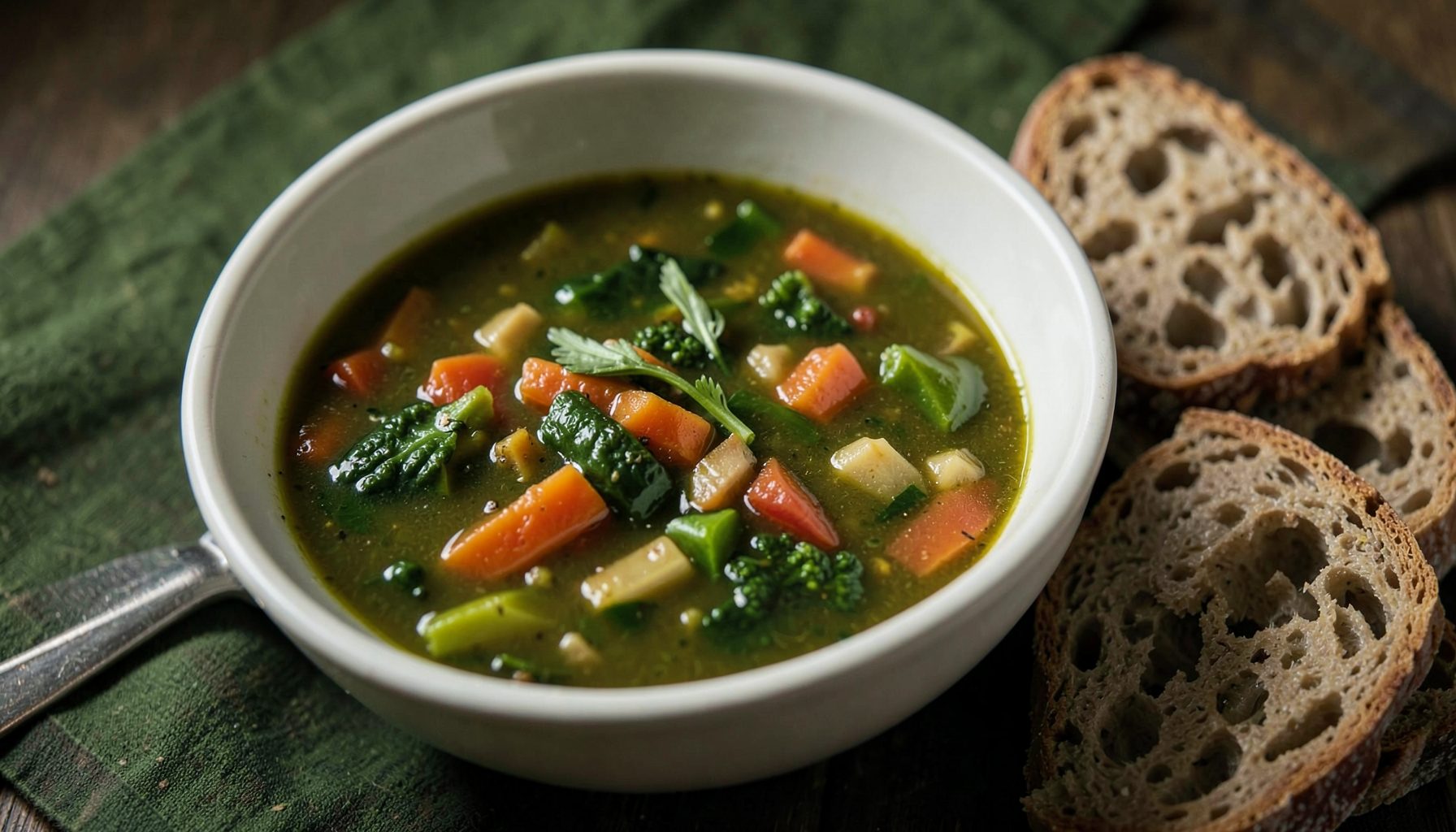
Serve the stew in warmed bowls with a little chopped parsley or tender celery leaf scattered over the top. The herbs add a clean, fresh note and make the rich broth feel brighter. A spoonful of sour cream is optional, though it can soften the flavors in a particularly robust version.
Crusty bread is the natural partner. Choose a loaf with a sturdy crust that can absorb the broth without collapsing immediately. A simple green salad dressed with lemon and olive oil provides welcome contrast, especially when the stew includes a generous amount of barley and potatoes.
For wine, a medium-bodied red with moderate tannin works well. Merlot, Côtes du Rhône, or a food-friendly Cabernet Franc can match the beef without overwhelming the vegetables. If wine is not being served, sparkling water with citrus or one of these seasonal refreshment ideas can bring the same sense of balance to the meal.
The stew is also a natural make-ahead dish. After cooling, refrigerate it in a covered container for up to four days. Reheat it slowly on the stovetop, adding stock a little at a time until the barley loosens and the broth returns to a spoonable consistency. The flavor often improves overnight as the thyme, beef, and vegetables settle together.
Practical recommendations for the best pot
- Brown the beef in batches and wait for a deep crust before turning it.
- Cut the root vegetables into similar-sized pieces, adjusting for their firmness.
- Add barley partway through cooking so it becomes tender without overcooking the beef.
- Keep the heat low enough for a quiet simmer rather than a rolling boil.
- Finish with a splash of vinegar, fresh herbs, or mustard to brighten the broth.
A hearty stew rewards patience, but it does not demand complicated technique. Once the beef is browned and the aromatics are developed, the pot does most of the work. Keep the vegetables recognizable, let the barley thicken the broth naturally, and taste before every final adjustment.
Set this stew on the table with warm bread, a simple salad, and enough time for everyone to enjoy a second serving. Save a portion for the next day, when the flavors will be even more settled, and make it part of your cold-weather cooking rhythm.