
Mixed Berry Clafoutis with a Silky Custard Centre
A clafoutis is one of those French country desserts that feels both rustic and refined, a batter poured over fruit and baked until it puffs around the edges with a tender, almost flan-like heart. The traditional version from the Limousin region uses cherries, but a mixed berry clafoutis is a friendlier, more colourful take that suits modern tables and any season where good fruit is within reach.
There is something deeply satisfying about watching a pale, sleepy batter transform in the oven, the berries softening just enough to release their juices while still holding their shape. The custard base sets gently, neither too firm nor too loose, and the top bronzes into a thin, crackly skin that gives way to a silken middle.
For Australian home cooks, this dessert is particularly appealing because the local berry season spans the warmer months, when markets and farm gates brim with strawberries from the Sunshine Coast, raspberries from the Adelaide Hills, and blueberries from the cooler pockets of Tasmania and New South Wales. Sourcing berries grown close to home also means shorter travel time, brighter flavour, and a smaller environmental footprint than relying on imported fruit flown in from overseas.
A clafoutis is also wonderfully unfussy. There is no pastry to roll, no gelatine to bloom, and no precise decoration to manage. A single bowl, a whisk, a baking dish, and a few minutes of measuring are all that stand between you and a dessert that looks like it took far more effort than it actually did.
Choosing the right berries
The success of this dessert rests almost entirely on the quality of the fruit, so begin with the freshest berries you can find. In Australia, the warmer half of the year brings an abundance of local strawberries, with major growing regions around Stanthorpe in Queensland and the Yarra Valley in Victoria producing sweet, fragrant fruit through late spring and summer. Blueberries from farms in northern New South Wales and Tasmania arrive from October through to March, and raspberries tend to have a slightly shorter but intensely flavoured window.
A mixed berry approach allows you to balance sweetness, tartness, and colour in a single bake. Strawberries contribute juicy sweetness, raspberries bring bright acidity, blueberries offer a deeper, almost wine-like note, and blackberries add a wild, brambly character when in season. Aim for roughly equal volumes of two or three types so no single flavour dominates the custard.
When buying, look for berries that are dry, plump, and free of mould or bruising, and try to choose Australian-grown fruit where possible. The Country of Origin labelling on packaging at supermarkets like Coles, Woolworths, and Harris Farm makes this easy, and a quick check of the small kangaroo logo or the words Product of Australia confirms local provenance. Farmers markets in cities such as Sydney, Melbourne, Brisbane, and Adelaide are another excellent source, and the growers themselves often share storage and ripeness tips on the spot.
Frozen berries can substitute when fresh are not available, though they should be used straight from the freezer and tossed in a light coating of flour or semolina to prevent them from sinking and bleeding too much colour into the batter. For those eager to expand their repertoire, the broader recipe index collects plenty of berry-forward desserts and savoury dishes from across the seasons.
Building the light custard base
The custard at the heart of this clafoutis is intentionally airy, lighter than a traditional panna cotta or a dense baked custard, but rich enough to feel indulgent. The classic ratio uses whole eggs, a modest amount of caster sugar, full-cream milk, and a splash of cream, floured just enough to give the batter structure without making it heavy.
For an Australian home cook, using locally produced dairy is a small but worthwhile upgrade. Brands that source from Victorian, Tasmanian, or NSW dairy regions tend to have a higher butterfat content in their cream, which translates to a more velvety texture and a deeper, slightly sweet dairy note. Free-range eggs from a local market, particularly those sold by small producers, also contribute richer yolks that colour the batter a warm gold.
The batter should rest for at least twenty minutes before baking, which allows the flour to hydrate fully and the bubbles to settle. This resting period is the secret to a smoother, more even custard. Some bakers even chill the batter for an hour, claiming it produces a finer crumb and a more delicate rise once it hits the heat.
A pinch of salt, a scrape of vanilla bean, and a whisper of lemon zest are all that the custard needs. Avoid adding heavy spices or extracts that might compete with the berries, because this dessert is a quiet celebration of fruit, and the batter should support rather than overpower.
Preparing the dish
A clafoutis is traditionally baked in a heavy cast-iron skillet or a ceramic gratin dish, and either works beautifully here. A 24-centimetre round dish is ideal for six generous portions, though a square baking pan of similar capacity will do. Butter the dish generously and dust it with a thin layer of caster sugar, which caramelises slightly as the batter bakes and creates a delicate, crackling crust on the bottom and sides.
Arrange the berries in a single, even layer across the base of the prepared dish. If using larger strawberries, halve or quarter them so they cook through at the same rate as the smaller berries. There is no need to overcrowd the dish, as the batter will rise around the fruit and fill in any gaps naturally.
Pour the rested batter gently over the berries, tilting the dish to ensure even coverage. Some bakers prefer to pour the batter into a jug first, which gives more control and prevents splashing. Slide the dish onto the middle rack of a preheated oven, ideally set to 180 degrees Celsius fan-forced, which suits most Australian home ovens. The baking time typically runs between 35 and 45 minutes, depending on the depth of the dish and the moisture content of the berries. The clafoutis is ready when the top is golden and gently puffed, the edges have pulled away slightly from the dish, and a knife inserted near the centre comes out clean but still moist.
Serving and pairings
A clafoutis is best served warm, when the custard is at its most tender and the fruit is still fragrant. Allow it to rest for ten minutes or so after leaving the oven, which lets the custard finish setting and prevents it from collapsing dramatically when sliced.
Dust the surface lightly with icing sugar just before bringing it to the table, and offer a small jug of pouring cream or a scoop of vanilla ice cream alongside. In Australia, a dollop of thick, locally made double cream or a spoonful of vanilla bean ice cream from brands like Bulla or Norco elevates the dessert without overwhelming it.
For a grown-up accompaniment, a small glass of dessert wine works wonders. A late-harvest riesling from the Clare or Eden Valley, a botryised semillon from the Hunter Valley, or even a chilled Moscato d'Asti pairs beautifully with the gentle sweetness of the custard and the tartness of the berries. A pot of fresh Earl Grey or a delicate chamomile tea also makes a lovely afternoon companion on a quiet weekend.
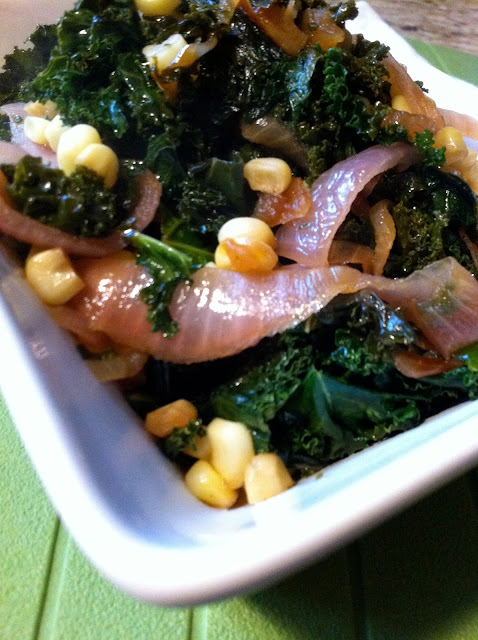
This dessert is gentle enough to serve after a rich main course, but it also sits comfortably on a summer lunch table beside lighter fare. If you are planning a longer meal with multiple courses, something bright and savoury to begin, like this corn and tomato salad, balances the sweet finish beautifully.
Common pitfalls and how to avoid them
The most common mistake with a clafoutis is overbaking, which turns the custard rubbery and dry. The centre should still have a slight wobble when you remove the dish from the oven, much like a barely set panna cotta. Carry-over heat will finish the cooking as the dish rests on the bench.
Another frequent problem is a soggy bottom, which usually results from too much fruit juice pooling beneath the batter. Patting the berries dry before arranging them in the dish, particularly if they have been washed, helps prevent this. A light sprinkle of semolina or fine polenta under the fruit can also absorb excess moisture and add a pleasant, subtle texture.
Batter that refuses to puff or that collapses immediately after leaving the oven typically indicates either an under-whisked mixture or an oven that is running cool. Investing in a small oven thermometer is a sensible move in many Australian kitchens, where built-in thermostats can drift by ten degrees or more over time. Preheating for at least fifteen minutes before baking also ensures a more vigorous initial rise.
Finally, resist the urge to open the oven door during the first twenty-five minutes of baking. The rush of cold air can deflate the delicate structure before it has had a chance to set, leaving you with a dense, flat result rather than the gentle puff you are after.
Variations and storage
Once you have mastered the classic mixed berry version, the clafoutis becomes a forgiving template for seasonal adaptation. Stone fruits such as sliced plums, apricots, or peaches work beautifully in the warmer months, while a winter version with poached pears or quinces wrapped in a spiced batter offers comfort through the colder southern months.
A savoury twist is also worth exploring. Omit the sugar, add a handful of grated gruyère or crumbled feta, scatter over halved cherry tomatoes and fresh thyme, and you have a stunning brunch dish that doubles as a light lunch. The same technique, with a different flavour profile, demonstrates just how versatile this simple batter really is.
Leftover clafoutis keeps well in the refrigerator for up to two days, covered loosely with foil or a clean tea towel. It can be rewarmed gently in a low oven, though the texture is best on the day it is baked. Cold slices are also pleasant, served with a splash of chilled cream and a few extra fresh berries.
Once the kitchen is clean and the leftovers are wrapped, many home cooks in Australia like to wind down with a quiet hobby, and a relaxed hand of free online poker is one surprisingly common way to switch off after a long day at the stove.