
A Peach and Bourbon Barbecue Sauce for Grilled Meats
A glossy peach and bourbon barbecue sauce brings together ripe stone fruit, smoky sweetness, gentle heat and the caramel notes of American whiskey. It is made for grilled meats, but its bright acidity keeps it from tasting heavy, especially when spooned over charred chicken, pork ribs or a thick beef steak.
The recipe suits an Australian summer barbecue particularly well. Use fresh peaches when they are plentiful, cook the sauce ahead, and keep it close to the grill for brushing during the final minutes. The flavour becomes deeper after resting, so it is an excellent make-ahead condiment for a relaxed afternoon with friends.
| Feature | What it contributes | Best use |
|---|---|---|
| Ripe peaches | Fruity sweetness and body | Pork, chicken, sausages |
| Bourbon | Vanilla, oak and caramel depth | Ribs, beef, smoky vegetables |
| Apple cider vinegar | Sharpness and balance | Rich or fatty grilled meats |
| Smoked paprika | Warm smoke without extra equipment | Chicken, tofu, lamb |
| Chipotle or chilli | A lingering savoury heat | Burgers, wings, brisket |
| Worcestershire sauce | Umami and savoury complexity | Beef and beef sausages |
Why the flavours work together
Peaches have enough natural acidity to balance a sweet barbecue glaze, while their soft flesh breaks down into a smooth sauce. Their floral character works particularly well with bourbon, whose vanilla and toasted-oak notes give the fruit a more savoury direction. Brown sugar rounds out the sharp edges and helps the sauce lacquer the meat.
The key is restraint. Too much sugar can burn over a hot grill, and too much bourbon can overwhelm the peaches. A modest amount of whiskey, simmered with the fruit, leaves behind a warm background flavour rather than a raw alcoholic edge. Cider vinegar, Dijon mustard and Worcestershire sauce supply the contrast that makes the sauce taste lively.
For Australian produce, yellow peaches are a dependable choice, though white peaches create a softer, more fragrant result. Nectarines can be used when that is what looks best at the market. During stone-fruit season, look for fruit from Queensland, New South Wales or Victoria that is ripe but still firm enough to handle.
Ingredients and preparation
For about 500 ml of sauce, use four medium peaches, peeled, pitted and diced. Add one small brown onion, finely chopped, two garlic cloves, 125 ml bourbon, 125 ml apple cider vinegar, 80 g brown sugar, two tablespoons tomato paste, one tablespoon Worcestershire sauce, two teaspoons Dijon mustard, one teaspoon smoked paprika, half a teaspoon ground ginger, half a teaspoon sea salt and a pinch of chilli flakes.
Choose peaches that smell fragrant and give slightly near the stem. Very soft fruit is delicious, but it can contain more liquid and may need a longer reduction. If your peaches are firm, leave them in a paper bag for a day or two at room temperature; refrigeration slows ripening and dulls their aroma.
Peeling is optional. The skins add colour and a little texture, but the finished sauce will be smoother if you remove them. To peel several peaches quickly, score a cross in each base, place them in boiling water for 30 seconds, then transfer them to iced water. The skins should slip away with minimal effort.
If bourbon is not in your drinks cabinet, an Australian rye whisky can provide a spicier profile, while apple juice gives a family-friendly alternative without the whiskey character. For a non-alcoholic version, replace the bourbon with an equal quantity of strong black tea or extra apple juice and add a little more vinegar at the end.
Simmering a smooth barbecue glaze
Warm a heavy-based saucepan over medium heat and add a splash of neutral oil. Cook the onion for five to seven minutes, stirring occasionally, until translucent and lightly golden. Add the garlic, smoked paprika, ginger and chilli, then stir for 30 seconds. This short blooming step releases the spices without scorching them.
Add the peaches, bourbon, vinegar, brown sugar, tomato paste, Worcestershire sauce, mustard and salt. Bring the mixture to a gentle simmer rather than a vigorous boil. Cook uncovered for 25 to 35 minutes, stirring occasionally, until the peaches collapse and the liquid has reduced to a thick, spoon-coating consistency.
Taste before blending. You may want another splash of vinegar, a pinch of salt or a little extra sugar depending on the fruit. Transfer the sauce to a blender and process until smooth, taking care with the hot liquid. Alternatively, use a stick blender directly in the saucepan. For a restaurant-smooth finish, pass it through a fine sieve, though a slightly textured sauce feels more rustic and homemade.
The sauce should be thick enough to cling to a spoon but loose enough to brush across meat. Remember that it thickens as it cools. If it becomes too dense, loosen it with a tablespoon or two of water, apple juice or stock.
Using it on the barbecue
Pat the meat dry before seasoning so it browns properly. Chicken thighs, pork cutlets, beef sausages and lamb backstrap all suit the sweet-smoky glaze. For ribs or pulled pork, use some sauce during cooking and reserve a clean portion for serving. Never brush the sauce on raw meat and then use the same brush or bowl for cooked food.
On a gas barbecue, preheat the hotplate or grill to medium-high, then create a cooler zone by turning off one burner. On a charcoal kettle, arrange the coals to one side. Sear the meat first, then move it away from direct heat before applying the sauce. The sugar can catch quickly, so glaze during the final five to ten minutes, turning once or twice.
For chicken, cook until the thickest part reaches 74°C. Pork steaks should be cooked through but remain juicy, while beef can be taken to the preferred doneness and rested before slicing. A meat thermometer is more reliable than cutting into the centre repeatedly, particularly when cooking for a crowd.
This sauce is just as useful away from the grill. Spoon it over a bacon burger, serve it with roast chicken or brush it onto vegetables such as pumpkin, sweet potato and eggplant. A smoky peach glaze also works with grilled halloumi and firm tofu. For a full spread, pair the meat with fresh salad ideas that bring crunch and acidity to the plate.
Serving ideas for an Australian gathering
Serve the sauce warm, or cool it to room temperature for a thicker dipping consistency. Scatter grilled spring onions, coriander or finely sliced chives over the meat just before serving. A squeeze of lemon can sharpen the plate, while toasted pecans or roasted peanuts add welcome texture to a sandwich or burger.
For a backyard barbie in Brisbane or Sydney, pair glazed chicken wings with a crunchy cabbage slaw, corn cooked in its husks and cold drinks with plenty of ice. In Melbourne, the same sauce suits a cooler-weather cook-up with pork sausages, grilled sourdough and a bitter-leaf salad. Around Adelaide, where local stone fruit and wine are easy to find in season, serve it with charred pork and a dry rosé.
The sweetness also makes the sauce a natural partner for Australian pantry staples such as tomato relish, pickled onions and seeded mustard. A spoonful alongside grilled lamb gives the fruit a savoury counterpoint, while a small bowl on a grazing board works with cheddar, smoked ham and crackers. Keep the portions modest; its flavour is concentrated.
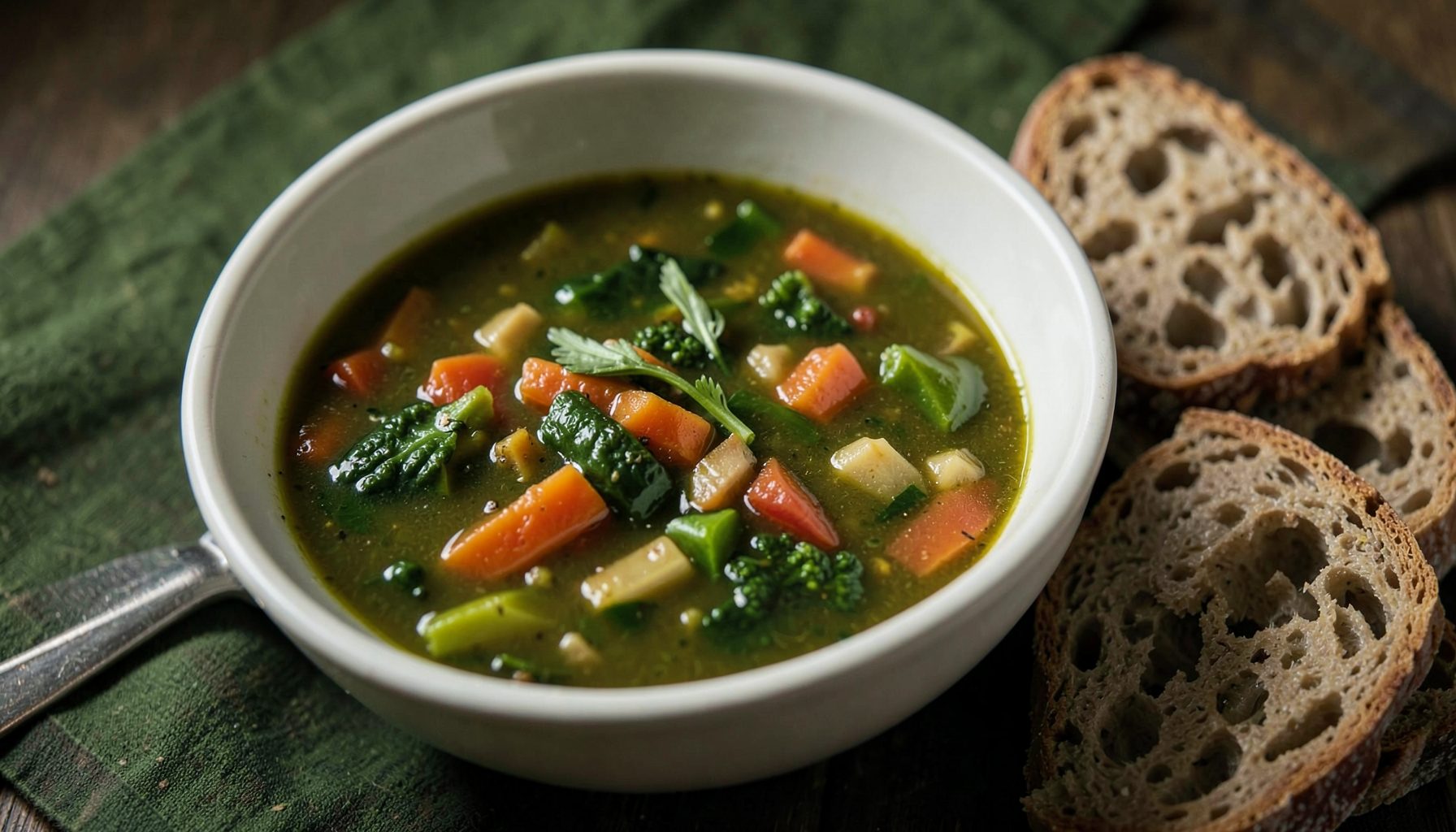
If you are planning a larger gathering, make the sauce a day ahead and refrigerate it in a clean jar. Alongside the grilled meat, a loaf from the soups, sandwiches and breads collection can turn leftovers into substantial rolls the next day, with sliced pork, slaw and an extra brush of peach glaze.
Storage, adjustments and useful variations
Once cooled, the sauce keeps for up to one week in the refrigerator in a sealed container. Use a clean spoon each time and reheat only the amount you need. For longer storage, freeze it in small portions for up to three months. Ice-cube trays are convenient for glazing individual chops or adding a measured amount to a weeknight meal.
The recipe can be adjusted to suit the meat. Add extra chipotle, black pepper or cayenne for brisket and beef. Use less chilli and a little more ginger for chicken. For pork, a spoonful of maple syrup creates a rounder glaze, while a little rosemary or fennel seed brings the sauce closer to a Mediterranean-style roast.
To make it more savoury, reduce the brown sugar and increase the tomato paste slightly. To create a brighter fruit sauce, replace half the peaches with apricots or add a grated green apple. A splash of Australian apple cider at the end gives the sauce a fresh, orchard-like lift, though it should be simmered briefly so the extra liquid does not make it watery.
Whatever variation you choose, keep the balance between sweet, sour, salty and smoky. The finished sauce should taste recognisably of peach first, with bourbon woven through the background and enough acidity to make you reach for another bite.