



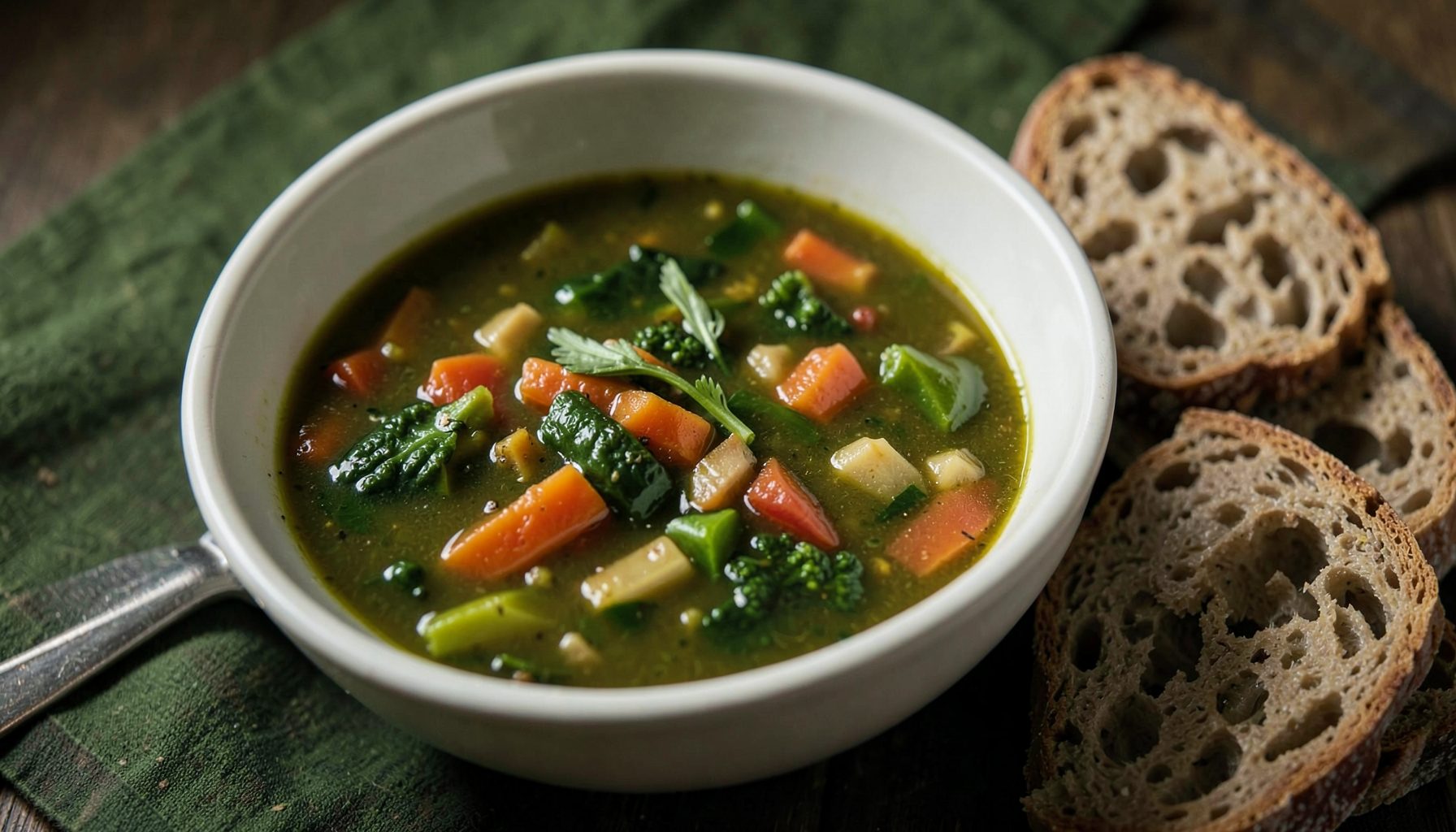
A Refreshing Chilled Cucumber And Dill Soup
When summer cucumbers begin filling the garden basket, a cold soup is one of the most satisfying ways to use them. This cucumber and dill soup is crisp, creamy, and bright, with enough richness to feel substantial without becoming heavy. It takes only a few minutes of active preparation, then improves as it rests in the refrigerator.
The flavor depends on balance. Fresh cucumbers bring clean vegetal sweetness, dill adds a grassy, almost citrus-like note, and yogurt or sour cream contributes gentle tang. Lemon juice sharpens the mixture, while a small amount of olive oil rounds out the finish. Served well chilled, the soup makes a graceful first course, a light lunch, or a cooling side dish for a warm-weather meal.
The method is simple, but small choices make a difference. Use firm cucumbers, taste before salting, and give the soup enough time to become properly cold. For more seasonal recipes, kitchen stories, and practical ideas from the garden and table, explore the wider kitchen journal.
Why This Soup Works
Cucumbers contain a great deal of water, which makes them ideal for a chilled purée. Their mild flavor gives other ingredients room to show themselves, while their fresh, juicy texture keeps the soup lively. Dill is a natural partner because its aromatic character adds depth without overpowering the cucumber.
A cultured dairy ingredient gives the soup body. Greek yogurt creates a clean, tangy result with a slightly thicker consistency; plain whole-milk yogurt is softer and more delicate. Sour cream offers a richer, fuller flavor. You can use one on its own or combine them for a middle ground.
This recipe is also forgiving. A little garlic can add savoriness, but too much will dominate after chilling. Scallions bring a mild onion flavor, while shallot gives a more refined sharpness. A splash of white wine vinegar can replace some of the lemon juice if you prefer a rounder acidity.
What You Need For A Chilled Cucumber Soup
For approximately four appetizer portions or two generous lunch servings, gather:
- 4 medium Persian or English cucumbers
- 1 cup plain Greek yogurt or whole-milk yogurt
- 2 tablespoons extra-virgin olive oil
- 2 tablespoons fresh lemon juice
- 2 tablespoons chopped fresh dill, plus more for garnish
- 1 small scallion, white and light-green parts
- 1 small garlic clove
- ½ teaspoon kosher salt, plus more to taste
- Freshly ground black pepper
- ¼ to ½ cup cold water, as needed
Persian cucumbers have thin skins and small seeds, so they can go directly into the blender. English cucumbers work just as well and are widely available. If using large garden cucumbers with tough skin or mature seeds, peel them and scrape out the watery center before blending.
Fresh dill is strongly preferred here. Dried dill lacks the green, fragrant quality that makes this soup taste fresh. If you are picking herbs from the garden, use tender stems as well as the feathery leaves; the blender will take care of them. A few leaves of fresh mint can be added for extra coolness, though the soup should still taste primarily of cucumber and dill.
Blend For Brightness And Body
Start by chopping the cucumbers into rough pieces. There is no need to make them uniform, but smaller pieces help a standard blender work efficiently. Add the cucumber, yogurt, olive oil, lemon juice, dill, scallion, garlic, salt, and a few grinds of pepper to the blender jar.
Blend until smooth, pausing to scrape down the sides if necessary. If the mixture is too thick to move easily, add cold water one tablespoon at a time. Avoid adding a large amount at once; a soup that is too thin can be difficult to correct. The final consistency should be pourable but creamy, similar to a thin smoothie or a lightly thickened broth.
Taste after blending, then adjust the seasoning. Chilled foods often seem less salty and less aromatic than warm foods, so the mixture may need a little more salt or lemon juice than expected. Let the soup rest for five minutes before making the final adjustment, as the dill and garlic will continue to develop.
For an especially silky finish, strain the blended soup through a fine-mesh sieve. This step removes tiny herb fibers and cucumber particles, producing a restaurant-style texture. It is optional for a rustic bowl, but worthwhile when serving the soup as an elegant first course.
Choose The Texture And Flavor Profile
The basic recipe can be adapted according to the occasion. A thick, yogurt-forward version feels substantial enough for lunch, while a looser blend works well in small glasses or cups as an appetizer. You can also vary the herbs and acidity without losing the essential character of the dish.
| Style | Adjustments | Best Use |
|---|---|---|
| Creamy and substantial | Use Greek yogurt and less water | Light lunch or main course |
| Delicate and pourable | Use whole-milk yogurt and extra cold water | First course or tasting glass |
| Rich and tangy | Replace half the yogurt with sour cream | Dinner party starter |
| Herb-forward | Add extra dill and a little mint | Garden lunch or picnic |
| Dairy-free | Use unsweetened cashew yogurt or a small avocado | Plant-based meal |
Avocado can provide body in a dairy-free version, but use it sparingly because it changes the color and flavor. Unsweetened coconut yogurt is less suitable unless you want a distinctly tropical note. A neutral plant-based yogurt is the better choice.
For a more savory variation, blend in a small piece of celery or a few leaves of flat-leaf parsley. For heat, add a thin slice of jalapeño or a pinch of crushed red pepper. Keep additions restrained so the soup remains refreshing rather than turning into a general green vegetable purée.
Chill Thoroughly And Serve Beautifully
Refrigerate the soup in a covered container for at least two hours. Four hours is even better, especially if the ingredients were at room temperature when blended. Chilling allows the flavors to settle and gives the soup a more cohesive texture. Stir before serving, since a little separation is natural.
Serve the soup in chilled bowls, small glasses, or shallow cups. A drizzle of olive oil creates a glossy finish, while a spoonful of yogurt adds contrast. Garnish with chopped dill, finely diced cucumber, cracked pepper, or a few small croutons. For a more polished presentation, add a narrow strip of cucumber peel or a delicate dill sprig just before carrying the soup to the table.
This is a natural companion to grilled fish, roast chicken, vegetable tarts, and simple sandwiches. Crisp white wines such as Albariño, Sauvignon Blanc, or dry Riesling complement the cucumber and lemon. A chilled gin and tonic or a cucumber-forward spritz can echo the soup’s botanical character, though keep the drink dry rather than sweet.
The soup also pairs well with foods that offer crunch. Toasted sourdough, seeded crackers, grilled flatbread, or a salad with radishes and snap peas will make the meal feel complete. If you are planning a menu with a sweet finish, the seasonal ideas in the desserts collection can help carry the cool, garden-inspired mood through the final course.
Small Details That Make A Difference
A few practical habits will keep the flavor clean and the texture smooth:
- Chill the cucumbers, yogurt, and serving bowls before blending whenever possible.
- Add water gradually so the soup stays creamy instead of becoming thin.
- Taste for salt and acidity after the soup has rested briefly.
- Keep fresh dill refrigerated in a damp towel or a glass with a little water until ready to use.
- Garnish immediately before serving so herbs and cucumber pieces remain vivid and crisp.
If your cucumbers are especially watery, begin with no added water and let the blended soup stand for a minute before deciding whether it needs thinning. If the soup tastes flat, add lemon juice a teaspoon at a time. If it tastes too sharp, another spoonful of yogurt or a small drizzle of olive oil will soften the edges.
For a make-ahead meal, prepare the soup the day before and keep it tightly covered in the refrigerator. Avoid freezing it, since the water in the cucumber and the dairy can separate during thawing. A quick whisk or brief blend may restore some texture, but the soup is at its best when freshly chilled.
Make It Your Own
This cold cucumber soup reflects the kind of cooking that rewards attention more than complexity. The ingredient list is short, yet the final result changes with the quality of the cucumbers, the freshness of the herbs, and the balance between tang, salt, and richness. It is an easy recipe to prepare on a warm afternoon and a thoughtful way to showcase produce at its peak.
Bia Rich’s approach grows from restaurant experience, family food traditions, gardening, and the pleasures of cooking at home. You can learn more about that perspective through Bia’s cooking story, then return to this recipe whenever the season brings an abundance of cucumbers.
Blend a batch, chill it until deeply refreshing, and serve it with a simple garnish and something crisp alongside. Let this bright soup become part of your warm-weather cooking rhythm, whether it appears at a relaxed garden lunch or begins a more carefully planned dinner.