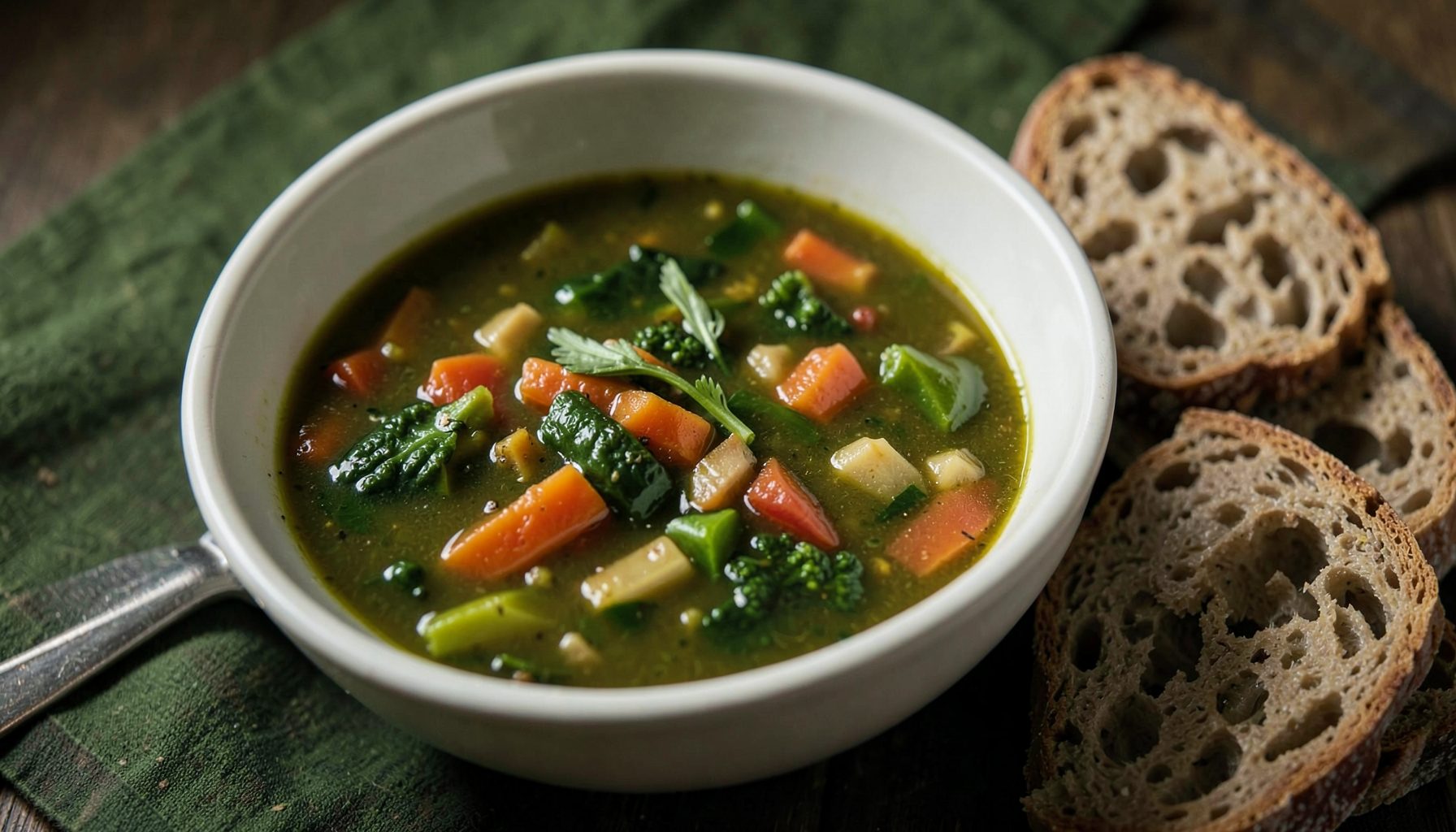
A rich and creamy polenta with mushroom ragù
A bowl of soft polenta with a deeply savoury mushroom ragù is the sort of food that makes an ordinary evening feel cared for. The polenta is smooth, buttery and gently cheesy, while the mushrooms bring an earthy, almost meaty character without needing meat at all. It is comforting enough for a chilly night and elegant enough to serve to guests.
This recipe uses a mixture of mushrooms for contrast: Swiss brown mushrooms for reliable savouriness, shiitakes for fragrance and oyster mushrooms for tender, ruffled edges. You can use whatever looks good at the greengrocer or supermarket. In Australia, even a basic punnet of button mushrooms can become richly flavoured when browned properly and finished with stock, wine and herbs.
Polenta is made from ground corn, and the best version is cooked slowly enough for the grains to soften completely. A little patience produces a creamy texture that instant polenta rarely matches. That said, quick-cooking polenta has its place in a busy household, especially when you enrich it with milk, butter and parmesan.
The quantities make four generous serves as a main meal or six smaller portions as a side. It is a useful vegetarian centrepiece for a Sunday lunch, a meat-free weeknight dinner or a relaxed gathering in a Melbourne terrace, a Brisbane kitchen or a cool country house in Tasmania.
Choosing the mushrooms
Use at least two varieties for a more interesting ragù. Swiss brown mushrooms have a firm texture and concentrated flavour, while shiitakes add a woodsy note. Oyster mushrooms cook quickly and develop delicate crisp edges. If you find chestnut mushrooms, enoki or large flat mushrooms at a farmers’ market, include them as well.
Clean mushrooms with a soft brush or a barely damp cloth rather than soaking them. Excess water makes browning difficult. Trim the woody ends, then slice larger mushrooms thickly and tear oyster mushrooms into bite-sized pieces. Uneven pieces are welcome because they create a ragù with varied texture.
The key is to cook in batches. A crowded pan steams the mushrooms, leaving them pale and watery. Heat a wide frying pan until properly hot, add a little olive oil, and let each batch sit undisturbed for a few minutes before turning. This creates the browned edges that give the finished sauce its depth.
Building a deeply savoury ragù
Warm two tablespoons of olive oil in a large frying pan or shallow casserole. Add one finely diced brown onion and a pinch of salt, then cook over medium heat for six to eight minutes. Stir in two minced garlic cloves, one teaspoon of finely chopped rosemary and a small pinch of chilli flakes. Cook for another minute, taking care not to colour the garlic too heavily.
Add 700 grams of mixed mushrooms and cook until browned and reduced. Pour in 150 millilitres of dry red wine and scrape the base of the pan. Let the wine bubble until almost completely reduced, then add 400 millilitres of vegetable stock, one tablespoon of tomato paste and two teaspoons of soy sauce. The soy sauce will not make the ragù taste Asian; it simply reinforces the mushrooms’ savoury character.
Simmer for 12 to 15 minutes, until the liquid has thickened enough to coat the mushrooms. Stir through a teaspoon of balsamic vinegar and taste for salt and black pepper. Finish with chopped flat-leaf parsley. For an especially glossy sauce, whisk in a small knob of butter just before serving.
Cooking polenta until creamy
For four serves, bring 750 millilitres of vegetable stock and 250 millilitres of full-cream milk to a gentle simmer in a heavy saucepan. Add 180 grams of fine or medium-grind polenta in a slow stream, whisking constantly. This prevents lumps from forming. Reduce the heat to very low as soon as the mixture begins to thicken.
Cook for 25 to 35 minutes, stirring every few minutes with a wooden spoon. The grains should become tender, and the polenta should fall slowly from the spoon rather than hold a stiff mound. If it becomes too thick before it is fully cooked, add hot water or extra stock, a few tablespoons at a time.
When the polenta is soft, remove it from the heat and stir in 60 grams of butter and 75 grams of finely grated parmesan. Season with salt and plenty of freshly ground black pepper. A small amount of lemon zest can brighten the flavour, though it should remain subtle enough to support the mushrooms.
Getting the texture right
Creamy polenta should be loose enough to spread across a plate. It continues to thicken as it cools, so keep a kettle of hot water nearby and adjust it immediately before serving. If the mixture feels grainy, it needs more cooking rather than more dairy. Low, steady heat gives the corn time to soften.
A heavy-based saucepan is useful because polenta catches easily on thin cookware. Stir around the edges and across the base, where the grains tend to settle. If a skin forms on top while you prepare the ragù, whisk in a splash of hot stock to restore its silkiness.
For a richer result, replace part of the milk with cream, but use it sparingly. The combination of butter and parmesan already creates plenty of body. Too much cream can blunt the earthy flavour of the ragù and make the dish feel heavy.
Matching wine and seasonal sides
A medium-bodied red such as pinot noir, cool-climate shiraz or an Italian barbera works beautifully with mushroom ragù. Look for wines with freshness rather than high alcohol. Australian bottles from the Yarra Valley, Adelaide Hills or Tasmania are particularly suited to the earthy, herbal flavours in this dish. A dry, textured chardonnay is another good choice if you prefer white wine.
A crisp side keeps the meal balanced. A simple green salad with lemon, mustard and olive oil cuts through the butter and cheese, while roasted broccolini adds a pleasing bitter edge. For more ideas, browse these seasonal salad recipes, especially those using bitter leaves, apples or toasted nuts.
For a cooler evening, serve the polenta with a light vegetable broth or a small starter from these soups and breads. In Australia, this is an easy menu for the months when daylight fades early in Hobart or the evenings turn unexpectedly cool in the Blue Mountains.
Making it ahead and serving
The mushroom ragù can be prepared up to two days ahead and stored in an airtight container in the refrigerator. Reheat it gently in a saucepan, adding a splash of stock if it has become too thick. The flavour often improves overnight as the herbs, wine and mushrooms settle together.
Polenta is best served straight away, but leftovers are highly useful. Spread warm polenta into a shallow, lightly oiled tray, cool it completely, cover and refrigerate. The next day, cut it into squares or wedges and pan-fry until crisp. Serve the pieces with reheated ragù, poached eggs or sautéed greens.
For a dinner party, keep the polenta warm in a heatproof bowl over barely simmering water and stir in hot stock as needed. Spoon it into warmed bowls, add the mushroom ragù, then finish with parmesan, parsley, olive oil and a few turns of pepper. Avoid piling the sauce too high; the best bite includes creamy corn, browned mushroom and herb together.
Useful variations and proportions
The recipe is flexible as long as the balance between liquid, cornmeal and seasoning remains sound. Coarse polenta gives a more rustic texture and takes longer to cook. Fine polenta becomes smooth more quickly but needs close attention because it thickens rapidly.
You can add roasted garlic, thyme or a little smoked paprika to the ragù. For a vegan version, use vegetable stock, olive oil and a spoonful of white miso in place of butter and parmesan. Nutritional yeast can provide a mild cheesy note, though the dish will taste lighter.
The guide below compares common polenta choices and shows how each one behaves in this recipe.
| Polenta choice | Cooking time | Texture | Best use |
|---|---|---|---|
| Fine instant polenta | 5–8 minutes | Very smooth and soft | Fast weeknight meals |
| Medium-grind polenta | 25–35 minutes | Creamy with gentle texture | The most balanced option |
| Coarse traditional polenta | 40–50 minutes | Rustic and deeply corn-flavoured | Slow cooking and special meals |
| Leftover chilled polenta | 10–15 minutes to fry | Crisp outside, soft inside | Breakfast, lunch or appetisers |
Serve the finished dish while the polenta is still fluid and the ragù is hot. A final drizzle of extra-virgin olive oil and a little grated parmesan are enough to make the bowl feel complete. The result is a warm, generous meal built from pantry staples, good mushrooms and a few careful techniques.