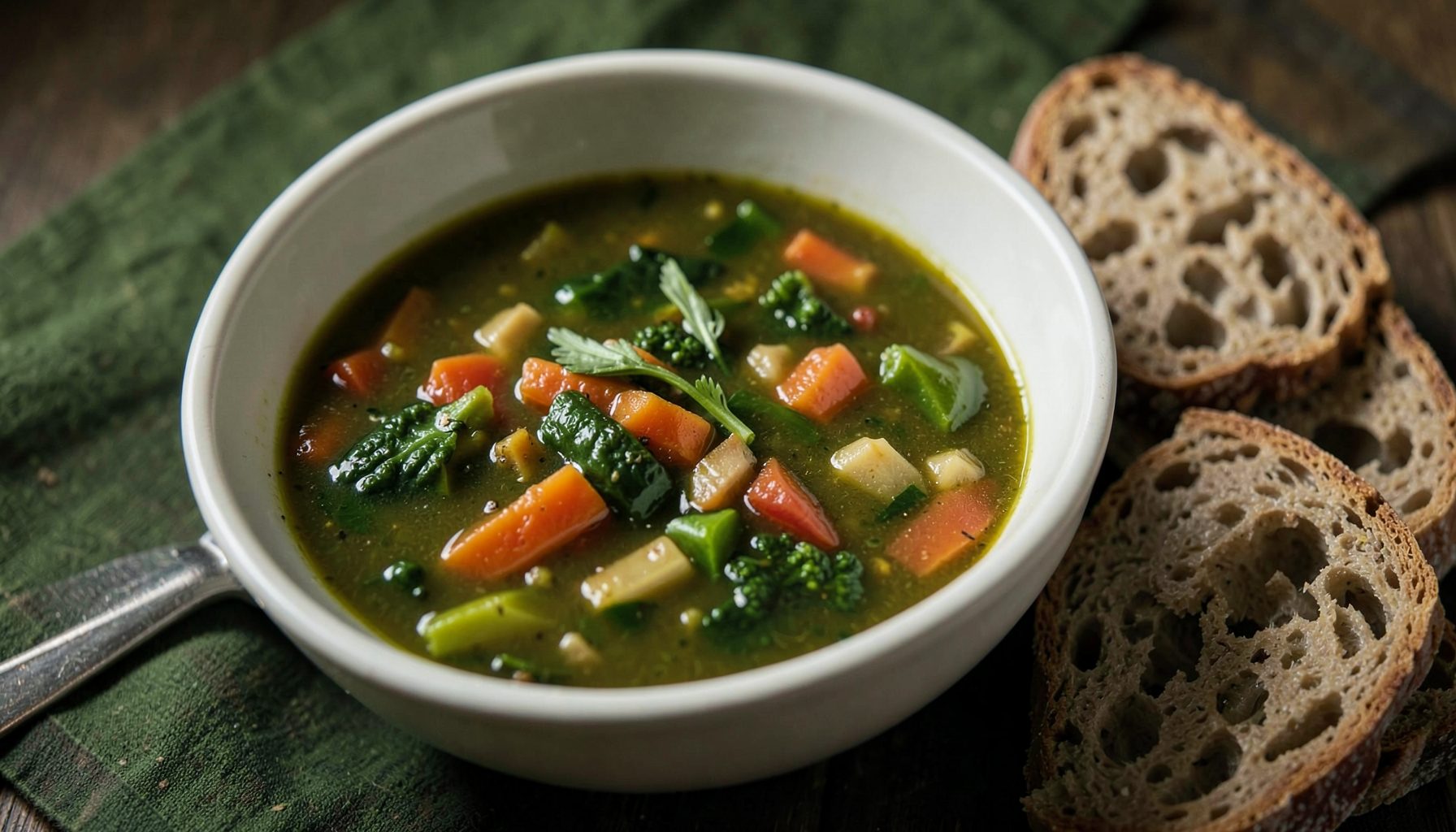
Roasted butternut squash and sage risotto with crispy shallots
A bowl of roasted butternut squash and sage risotto is the kind of dinner that makes a cool evening feel generous. The rice is creamy without becoming heavy, the pumpkin brings mellow sweetness, and crisp shallots add the savoury crunch that turns a soft dish into a complete meal. Fresh sage gives everything a woodsy, buttery fragrance.
This is a recipe built around patient cooking rather than complicated technique. Roasting the squash first concentrates its flavour, while adding warm stock gradually allows the rice to release its starch and become silky. The final result should flow slowly across the plate rather than sit in a stiff mound.
For Australian cooks, butternut pumpkin is widely available year-round at supermarkets, greengrocers and weekend farmers’ markets. A medium pumpkin from a Brisbane market, a suburban Coles in Melbourne or a local shop in Adelaide will work beautifully. Use “pumpkin” when shopping, keep the measurements metric, and allow a little extra time if your kitchen is warm during an Australian summer.
Start with the right pumpkin and rice
Choose a butternut pumpkin with firm, unblemished skin and a solid feel for its size. You need about 700 grams of peeled flesh for the risotto, though buying a whole pumpkin gives you useful scraps for soup or stock. Cut it into roughly 2-centimetre cubes so the edges caramelise while the centres become tender. Smaller pieces can collapse before they colour; larger pieces may remain firm when the rice is ready.
Arborio is the easiest risotto rice to find in Australia, while carnaroli gives an especially elegant, creamy texture and holds its shape well. Avoid rinsing either variety. The surface starch is essential for the characteristic consistency, and washing it away would make the finished dish thinner and less cohesive.
Heat the oven to 220°C fan-forced, or 230°C conventional. Toss the pumpkin with olive oil, sea salt and black pepper, then spread it across a large tray without crowding. Roast for 25–35 minutes, turning once, until the corners are browned and the flesh is tender. A little deep colour is welcome; it contributes more flavour than pumpkin that has simply steamed.
Build savoury depth before the rice
While the pumpkin roasts, warm vegetable or chicken stock in a saucepan over low heat. You will need around 1.2 litres, although the exact amount varies with the rice, the width of your pan and the heat under it. Keep the stock hot but never boiling hard. Adding cold liquid interrupts the cooking and encourages the rice to turn gluey on the outside before it is tender inside.
Use a wide, heavy-based sauté pan or shallow casserole. Cook finely diced onion in olive oil and a little butter until soft and translucent, about six minutes. Add a crushed garlic clove if you like a stronger savoury note, then stir in the dry rice. Toast it for one to two minutes, stirring constantly, until the grains look pearly at the edges. This brief step gives the risotto a nutty foundation.
Pour in 150 millilitres of dry white wine and let it bubble until nearly absorbed. An Australian chardonnay with bright acidity works well, as does a dry pinot grigio or sauvignon blanc. If you prefer not to cook with wine, use a small splash of extra stock and add a teaspoon of lemon juice near the end to restore freshness.
Stir gradually for a silky texture
Add one ladleful of hot stock to the rice and stir gently. When the liquid has mostly disappeared, add another ladleful. Continue in this rhythm for 18–25 minutes, keeping the heat at a lively simmer. The rice should move freely in the pan, with small bubbles rising through it. You do not need to stir continuously, but frequent, calm stirring helps release starch without breaking the grains.
Taste after about 18 minutes. Properly cooked risotto rice should be creamy around the outside while retaining a slight firm bite in the centre. If it is still chalky, continue with more stock. The finished mixture should be looser than you think necessary because it thickens quickly as it rests. In Italian kitchens this flowing consistency is sometimes described as all’onda, meaning it moves in soft waves.
Fold in roughly two-thirds of the roasted pumpkin during the final few minutes, gently crushing some cubes against the side of the pan. This colours the rice a warm gold and distributes the squash flavour throughout the dish. Keep the remaining pieces intact so each serving contains sweet, roasted chunks.
Fry sage and shallots until crisp
Crispy shallots supply contrast to the creamy rice. Slice two large shallots very thinly and evenly; a mandoline makes the job quick, though a sharp knife works well. Heat about 100 millilitres of neutral oil in a small saucepan over medium heat, then fry the shallots in batches. Stir often and remove them when they are pale golden, as they continue darkening for a moment after leaving the oil.
Drain the shallots on paper towel and season with a pinch of salt while warm. Keep the oil for another use if it is clean, or strain it into a jar once cool. The shallots should be delicate and crisp rather than dark and bitter. If the oil is smoking, lower the heat before adding the next batch.
For the sage, melt 60 grams of butter in a small frying pan and add 12–16 fresh leaves. Cook until the butter foams, the sage turns crisp and the milk solids become golden and nutty. Take the pan off the heat promptly. A squeeze of lemon can brighten the butter, although the roasted pumpkin and dry wine should already provide enough balance.
Finish with butter, cheese and restraint
When the rice is tender, remove the pan from the heat and stir in the remaining pumpkin, sage butter and 50–70 grams of finely grated parmesan. Add a final ladleful of stock if needed, then cover the pan and rest it for two minutes. This short pause lets the starch settle and gives the butter and cheese time to emulsify into the rice.
Taste before adding salt because parmesan and stock can vary considerably. A few grinds of black pepper are essential, and finely grated lemon zest can lift the sweet pumpkin. If the dish tastes flat, it usually needs acidity rather than more salt: try a teaspoon of lemon juice or a small splash of dry white wine.
Serve the risotto in warmed bowls, spooning over the reserved roasted pumpkin, crisp sage and shallots. Add extra parmesan at the table, but do not bury the dish under cheese. The best bites contain creamy rice, a tender pumpkin cube, a crackle of shallot and the fragrant richness of sage butter.
Pair it with Australian wines and greens
A medium-bodied Australian chardonnay is a natural partner because its acidity cuts through the butter while its gentle oak can echo the roasted flavours. Look for bottles from the Yarra Valley, Adelaide Hills or Margaret River. For a lighter match, choose a dry Tasmanian riesling or a crisp Victorian pinot gris. The wine does not need to be expensive; a fresh, food-friendly bottle from the local bottle shop is enough.
The risotto is satisfying on its own, but a sharp green salad keeps the meal balanced. Try rocket with pear and toasted walnuts, or baby cos with a mustardy lemon dressing. For a casual Friday night in Sydney or a relaxed Sunday lunch in the Adelaide Hills, steamed broccolini or sautéed silverbeet also works well.
If you are planning a dinner with a sweet finish, keep it fresh rather than overly rich. A fruit tart, poached stone fruit or one of the dessert recipes from Bia Rich’s collection will follow the savoury pumpkin without making the meal feel too heavy.
Adapt it for the season and your pantry
Butternut pumpkin is dependable, though other varieties can be used. Kent pumpkin gives a dense, sweet texture, while Jap pumpkin offers a deeper orange colour and slightly firmer flesh. If fresh sage is unavailable, use a small pinch of dried sage in the stock and finish with thyme or flat-leaf parsley. Fresh herbs are best, but the recipe remains worthwhile with pantry substitutions.
Vegetable stock makes the dish suitable for a vegetarian table; check that the parmesan is vegetarian if that matters to your guests. For a dairy-free version, use olive oil instead of butter and a spoonful of nutritional yeast or a dairy-free hard cheese. The final texture may be a little less luxurious, but roasted pumpkin and shallots still provide plenty of flavour.
Risotto is best served immediately, yet leftovers can become excellent arancini. Spread the cooled rice in a shallow container, refrigerate it promptly and use it within two days. Shape cold portions around a cube of mozzarella, coat with crumbs and bake or shallow-fry until crisp. Reheated risotto alone tends to lose its fluid texture, so transform it rather than trying to restore the original bowl.
A relaxed cooking guide for serving night
This dish rewards having everything ready before the first ladle of stock goes into the pan. Roast the pumpkin, slice the shallots, grate the parmesan and warm the stock in advance. The rice then needs your attention for roughly 25 minutes, making it a good choice when you want to cook dinner while chatting with friends rather than disappearing into the kitchen.
Keep the finished risotto slightly loose and serve it straight away. If guests are delayed, hold it for only a few minutes with extra hot stock nearby, then loosen each portion just before serving. A broad bowl shows off the golden colour and gives the crispy toppings room to spread across the surface.
For a well-balanced plate, use these practical finishing choices:
- Add a small handful of roasted pumpkin to each bowl for texture and colour.
- Scatter the crispy shallots at the last moment so they remain crunchy.
- Finish with two or three sage leaves, a little browned butter and freshly grated parmesan.
- Serve a bright green salad or steamed broccolini alongside the creamy rice.
- Offer lemon wedges and cracked black pepper for guests who prefer a sharper finish.
The recipe fits comfortably into a home kitchen, whether you are cooking for a weeknight family meal in Perth or a long lunch in the Blue Mountains. Its appeal comes from simple ingredients treated carefully: pumpkin browned until sweet, rice stirred until silky, and toppings fried just long enough to bring a crisp, savoury edge. For more seasonal cooking ideas, pantry guidance and stories from the kitchen, explore Bia Rich’s kitchen.