
Roasted red pepper and smoked paprika soup with crème fraîche
The first time I served this soup at a dinner party in the Adelaide Hills, my host set it out on the back verandah as the sun went down, and the colour of the bowl caught the last of the daylight in a way that made everyone pause before they tasted it. That same sunset-orange glow, deepened by a swirl of crème fraîche and a dusting of smoked paprika, is what keeps me returning to this recipe through the years. It is the kind of dish that asks almost nothing of you beyond patience with the roasting, and gives back flavour in a way that feels generous and quiet at the same time.
I learned early in my restaurant years to treat a bowl of soup as a small canvas rather than a humble afterthought. A roasted red pepper and smoked paprika soup sits comfortably somewhere between starter and main, especially when you pour it into warm bowls and finish it with something cool and tangy. If you are new to my kitchen, you can read more about my approach and background on the about page and then come back to the stove with me.
A soup born from late summer light
Red peppers reach a kind of peak in late Australian summer, when the markets in Sydney and Melbourne are stacked with fruit that has had enough sun to develop real sweetness. I look for peppers that feel heavy in the hand and have tight, unwrinkled skin, because they will char more evenly under the grill and yield more purée for the pot. The ones grown around the Mornington Peninsula and in the Adelaide Hills tend to have a thinner wall and a cleaner, almost mineral sweetness, while the larger field-grown peppers from the Riverland are sweeter still and work beautifully when you want a deeper, jammier base.
The soup works in every Australian season, but I reach for it most often when the evenings start to cool in April and May, or during the surprisingly chilly stretches that can sweep through Brisbane in June. It is hearty enough to serve as a light lunch with bread and cheese, yet bright enough to begin a long Sunday lunch that might move from a salad of bitter leaves to a roast and on to dessert.
Selecting and roasting the peppers
The roasting is the heart of the recipe, and it deserves your full attention. I char the peppers directly over a gas flame on the stovetop, turning them with tongs until the skin is blackened in patches and the flesh beneath has softened. You can also do this under a hot grill, around 230°C, set on the top rack with the door ajar so the heat circulates. Either way, you want the skins to blister and char thoroughly, because that carbonised edge is what gives the finished soup its smoky undertone before the paprika even enters the pot.
Once charred, slide the peppers into a bowl and cover it with a plate. The trapped steam loosens the skins and lets the flesh finish cooking gently in its own heat. After about fifteen minutes the skins slip off in your hands, and you can pull out the stems and scrape away the seeds. From here the peppers go straight into a blender with a little of their resting liquid, then through a fine sieve if you want the silkiest possible finish. Australian home cooks often skip the sieve for a more rustic texture, and both versions have their charms.
Building depth with aromatics and stock
The base begins with a generous slick of olive oil and a slow sweat of onions, garlic, and a small amount of carrot for body. I cook them gently over medium heat for at least ten minutes, until the onions turn translucent and begin to catch a little colour at the edges. This is the point where I add a teaspoon of tomato paste and let it cook for a minute, stirring constantly, so it loses its raw metallic taste and turns deep and rusty.
The stock matters more than people think. A good homemade chicken or vegetable stock will give you a soup that tastes like it came from a country kitchen, while a rushed stock will leave you with something thin and a little flat. I keep a container of the cooking liquid from a previous roast chicken in the freezer for exactly this purpose. Under Australian food labelling rules set by Food Standards Australia New Zealand, stock sold in supermarkets must declare any allergens such as celery or wheat, so it is worth scanning the panel if you are buying ready-made. You can also use a light fish stock for a more unusual seafood-leaning version, which pairs beautifully with a crisp Australian white.
The spice drawer: smoked paprika and beyond
Smoked paprika is the spice that gives the soup its name and its soul. The Spanish pimentón, whether labelled dulce (sweet), agridulce (medium), or picante (hot), brings a woodsmoke flavour that ordinary paprika cannot match. The sweet version is what I reach for when I want the soup to feel round and mellow, the hot version when I want a quiet hum of heat at the back of the throat.
Beyond the smoked paprika, I keep the seasoning simple. A pinch of ground cumin, a bay leaf, and a small piece of lemon zest simmered briefly with the stock round out the edges. A little red wine vinegar at the end pulls everything into focus, and a small spoon of honey or sugar helps if your peppers happened to be less ripe than usual. If you are cooking in a country like Australia, where imported spices must meet strict biosecurity and labelling standards, look for pimentón from a reputable Spanish deli or a well-stocked Italian grocer, where turnover is brisk and the jars are usually fresh.
Finishing touches with crème fraîche
The crème fraîche is not a garnish. It is a structural part of the dish, the cool tang that cuts through the sweet, smoky depth of the soup and keeps every spoonful bright. Australian supermarkets typically stock crème fraîche in the cheese aisle near the sour cream, and the local versions have improved enormously in the last few years. If you cannot find it, a thick Greek-style yoghurt stirred with a few drops of lemon juice makes a perfectly serviceable substitute, though the flavour will be a touch sharper.
A few finishing touches can take the soup from weekday dinner to something a guest will remember:
- A generous spoonful of crème fraîche swirled into the centre of the bowl, then dragged through the soup with the back of a spoon
- A scatter of toasted flaked almonds or pinenuts for a soft crunch
- A thread of green herb oil made from basil, parsley, or chive
- A final pinch of smoked paprika right at the table so the aroma lifts as it hits the hot soup
Serving in the Australian context
How you serve this soup depends on the weather, the company, and the rest of the menu. In the cooler months I like to set it out in deep stoneware bowls that have been warmed in a low oven, with a small pitcher of extra crème fraîche on the side. In warmer weather, especially during the long Sydney and Perth evenings when dinner drifts outside, I serve it slightly cooled in small cups as a kind of vegetable aperitif. The soup also has a long second life in the fridge, which makes it useful for the kind of casual entertaining Australians do well. A jar kept in the fridge for up to four days can be thinned with a splash of stock or water and reheated gently, and it makes a wonderful base for a quick pasta sauce when blitzed with a little cream.
A few accompaniments I have come to rely on:
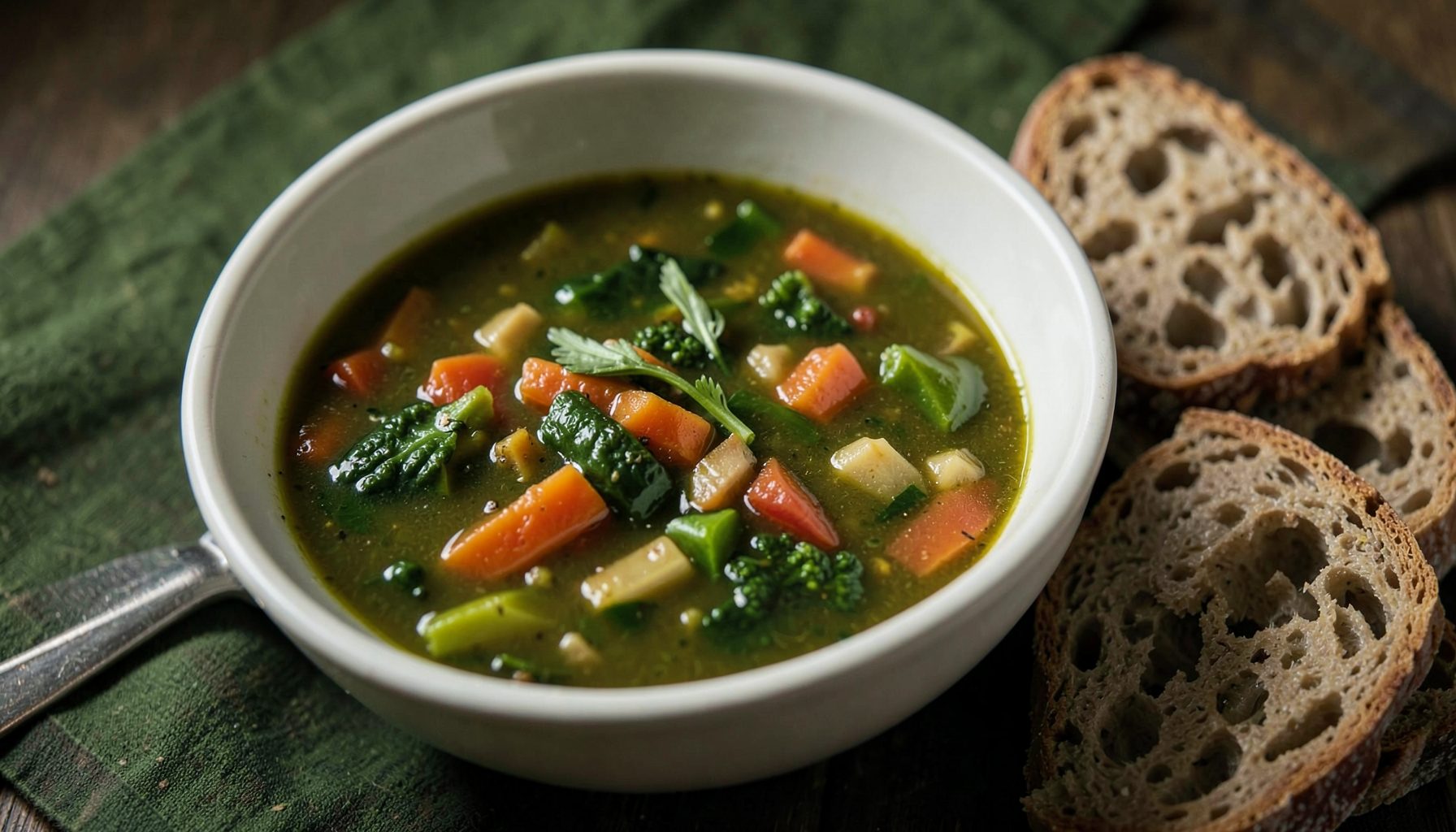
- Crusty sourdough or a warm slice of focaccia for dunking
- A simple side of blanched green beans tossed with olive oil and lemon
- A small rocket salad with shaved parmesan and cracked pepper
- A glass of an Australian viognier or a chilled pinot gris
If you find yourself with leftover roasted peppers, they slip happily into a sandwich or a grain salad the next day. For a primer on working with cold butter in pastry, which pairs beautifully with a slice of toasted bread beside this soup, I keep returning to why you should always use cold butter in pie crust. The same principle of respecting temperature and texture applies here, where a cold swirl of crème fraîche meets the warmth of the bowl at the very last moment.
Soup, at its best, is the kind of cooking that asks for a quiet kitchen, a little music, and time enough to let flavours settle into one another. This roasted red pepper and smoked paprika bowl has carried me through damp Sunday lunches in Hobart, late nights after a long kitchen shift, and slow evenings on a verandah somewhere in the country.