Sautéed Kale with Garlic Lemon and Red Pepper Flakes
There's something quietly satisfying about a pile of greens that hits the pan with a hiss, wilts down in seconds, and lands on the plate smelling of toasted garlic and bright citrus. In Australian kitchens, where the summer heat runs from December through February and leafy produce arrives in heavy bundles at Queen Victoria Market in Melbourne, the Carriageworks farmers market in Sydney, and the Jan Powers Farmers Markets in Brisbane, a quick sauté is one of the most useful moves a home cook can master. Lacinato, curly, and redbor all behave slightly differently once they hit the heat, yet they all reward the same treatment: hot pan, good olive oil, patience with the garlic, and a finishing squeeze of lemon.
Sautéed kale with garlic, lemon, and red pepper flakes is the kind of side that earns its place beside grilled lamb in Adelaide, folded through buttery pasta in Perth, or tucked under a piece of flathead in Hobart. It borrows from Italian tradition, nods to Southern Italian peperoncino culture, and finishes with a clean, almost tonic brightness that cuts through richer mains. The dish is forgiving, fast, and built almost entirely on pantry staples, which makes it a quiet workhorse for weeknight cooking across the country.
Choosing the right kale at Australian markets
Kale has settled into Australian produce aisles over the last fifteen years, though the way it shows up varies by region and season. In cooler parts of Tasmania and Victoria, the leaves stay tender from late autumn through early spring. In subtropical Queensland, growers tend to favour the flat, dark leaves of cavolo nero, also called dinosaur or Tuscan kale, because it handles humidity better than the curly types. Walking through the produce section at a Woolworths or Coles, you'll usually find curly kale sold in 200-gram pre-cut bags and Tuscan kale in loose bunches when it's in season, roughly May to October in the southern capitals.
The thicker-stemmed Tuscan variety is the one I reach for most often for sautéing. Its leaves cook down to a silky, almost melting texture, and the stems, if peeled, are tender enough to chop and add to the pan at the start. Curly kale has more texture and a slightly mineral, grassy flavour, which holds up well when you want a bit of chew. Redbor and other red-veined varieties are pretty but turn muddy once cooked, so I save them for salads or for a brief wilt at the end. When selecting, look for leaves that feel heavy for their size, with crisp stems and no yellowing at the base.
| Kale variety | Texture after sauté | Best use | Typical Australian season |
|---|---|---|---|
| Tuscan (cavolo nero) | Silky, melting, mild | Quick sauté, pastas, soups | May to October (southern states) |
| Curly green | Tender with chew, grassy | Side dishes, grain bowls | Year-round, peak May to September |
| Redbor (red Russian) | Soft, earthy, colour fades | Brief wilts, raw salads | June to November |
| Baby kale mix | Delicate, fast-cooking | Last-minute garnish | Year-round, premium pricing |
A short note on labelling: Australian extra virgin olive oil sold under the Australian Olive Association's code of practice carries a harvest date and a best-before stamp, which matters here because the oil is doing real work as the cooking medium and the flavour carrier. Reach for a bottle you'd be happy to dip bread into.
Building the aromatic base
The trio that gives this dish its personality is built from three very different ingredients. Garlic, slowly toasted in olive oil, brings sweetness and depth. Red pepper flakes, whether they're the standard peperoncino from Calabria or the slightly fruitier Australian-grown chilli flakes from small producers in the Adelaide Hills, contribute a steady hum of heat. The lemon, added at the very end, sharpens everything and lifts the heavier notes.
Garlic behaves best when it's sliced rather than minced for this kind of sauté. Thin slices caramelise evenly and turn golden without burning, while minced garlic tends to scorch in a hot pan within seconds. If you'd like a deeper, almost nutty flavour, you can bloom the red pepper flakes in the oil for thirty seconds before adding anything else, which softens their raw heat and rounds them out. Australian food safety guidance from Food Standards Australia New Zealand is fairly forgiving about gentle heating of dried spices, but the goal here is flavour, not preservation, so a brief toast is plenty.
The role of citrus and heat
Lemon does more than season the kale; it changes the way the leaves feel in your mouth. The acid softens any remaining chew and brightens the chlorophyll colour, which is why a properly finished sauté looks vivid green rather than drab. A small pinch of salt added early draws moisture out of the leaves and helps them collapse evenly, while the lemon juice at the end balances the oil and any residual bitterness from the stems.
If you're cooking for someone who prefers a milder dish, you can start with a quarter teaspoon of red pepper flakes and build from there. If you'd like more punch, try a pinch of dried chilli from an Australian grower like those sold at the Adelaide Central Market, or a few drops of your favourite hot sauce stirred in at the end. The heat should hum in the background, never shout over the greens.
Step-by-step technique at the stove
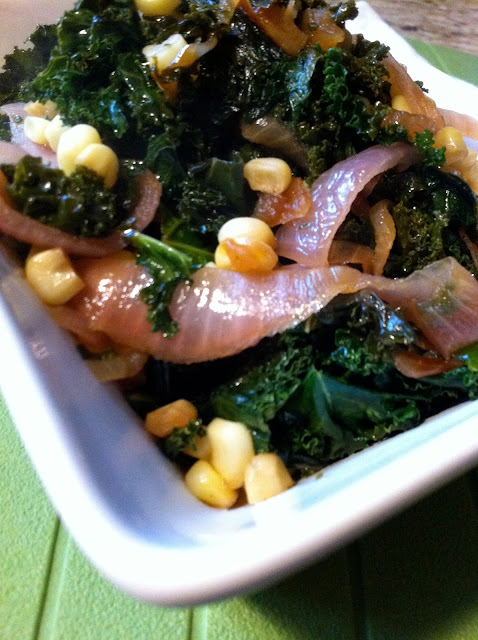
The pan matters more than people think. A wide, heavy skillet, whether cast iron or stainless steel, gives the leaves room to hit the oil rather than steam in a pile. Heat the pan over medium heat, add enough olive oil to coat the bottom generously, and let it warm until it just shimmers. Add the sliced garlic and the red pepper flakes together, and stir slowly until the garlic turns pale gold. From here, the kale goes in by the handful, with a small pinch of salt tossed over each addition. Once all the leaves have wilted down, the pan should look glossy and just slightly wet. A squeeze of lemon, a final stir, and the dish is ready.
Timing is short: two to three minutes for baby kale, three to four for mature leaves. If you want a smokier edge, push the heat up for the final minute and let a few edges char lightly. For a softer result, keep the heat steady and finish with a splash of water or stock. If you'd like a related finishing technique that uses a similar quick-bloom method, see grating fresh nutmeg for another pantry-driven move that rewards a little patience.
Serving suggestions across the Australian table
Sautéed kale slots into almost any meal structure. On a weeknight in Brisbane, it might sit beside grilled chicken with a squeeze of lime. In Sydney, it's natural with a piece of pan-fried snapper. In a Melbourne household leaning into Sunday lunch, it pairs with roasted vegetables and a slow-cooked shoulder of lamb. Because it holds its warmth well, it can be cooked first and left covered for ten minutes before serving, which makes it useful for staggered serving during a long, casual lunch.
It also works as a starter or shared plate. Spooned onto toasted sourdough with a little ricotta, it becomes a lush crostini. Tucked into a wrap with grilled halloumi and a smear of hummus, it becomes lunch. For a summer table in Perth, try it as a bed for a piece of grilled prawn, finished with extra lemon and a drizzle of olive oil. If you want a hot-weather alternative that uses similar citrus and herb notes, this refreshing watermelon feta salad sits comfortably alongside.
Pantry wisdom and reliable swaps for home cooks
A few small habits make this dish easier to repeat well. Keep a bag of pre-washed, pre-chopped kale in the fridge for emergencies, but treat fresh bunches as the default when you can. Store unwashed kale wrapped in a clean tea towel in the crisper, where it stays perky for up to a week. Buy olive oil in smaller bottles so it stays fresh, and replace your red pepper flakes every six months; old flakes lose their aroma and turn dusty. When you're building a larger meal or a spread of small plates, the appetizer recipes collection offers pairings that share the same bright, oil-driven approach.
Reliable moves to keep in your back pocket:
- Use lacinato (Tuscan) kale when you want a silky finish; curly when you want texture.
- Slice garlic thinly for even caramelisation, and add it to the oil before the leaves.
- Toast the red pepper flakes in the oil briefly to soften their heat.
- Finish with lemon off the heat to keep the flavour bright.
- Add a splash of water or stock if the pan looks dry before the leaves collapse.
- Save the stems: chop them finely and sauté them first, since they need longer cooking.
- For a heartier dish, stir in a handful of toasted almonds or a few crumbs of feta at the end.