Savoury slow-braised short rib with red wine and thyme
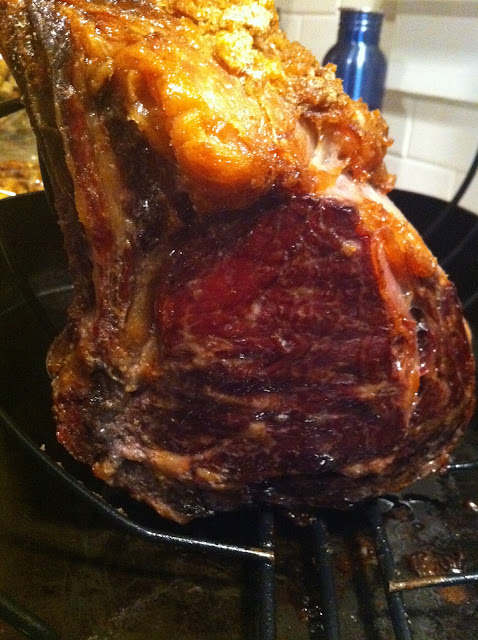
A pot of beef short ribs slowly simmering in red wine has the kind of aroma that changes the mood of a house. The meat becomes spoon-tender, the wine turns glossy and savoury, and thyme gives the sauce a woodsy freshness that keeps the dish from feeling too heavy. It is comfort food with a little restaurant polish, yet the method is straightforward enough for a relaxed weekend kitchen.
This savoury slow-braised short rib with red wine and thyme suits a cool Melbourne evening, a winter Sunday in Canberra, or a long lunch in the Southern Highlands. Short ribs are well suited to slow cooking because the connective tissue gradually melts into the braising liquid, creating a rich texture that leaner cuts cannot provide. The finished dish is generous, deeply flavoured and even better after resting overnight.
Choose meaty, well-trimmed ribs from a good butcher, then build flavour patiently rather than relying on a packet sauce. Browning, reducing the wine and gently cooking the aromatics each make a noticeable difference. Serve the ribs with mash, soft polenta, roasted carrots or crusty bread, depending on the season and the appetite.
Choosing the beef and building the flavour base
Ask for English-cut beef short ribs, preferably with a substantial layer of meat on the bone. Australian butchers may also label them barbecue ribs or plate ribs, so explain that you want pieces for a long braise rather than thin strips for grilling. Allow roughly 350 to 450 grams of bone-in ribs per person, depending on how meaty they are and what you plan to serve alongside them. Four large ribs generally feed four people when paired with vegetables and a starch.
Pat the beef dry with paper towel before seasoning it generously with salt and freshly ground black pepper. Moisture on the surface prevents proper browning, while a dry surface develops the dark caramelised crust that gives the sauce its savoury foundation. A heavy casserole, enamelled cast-iron pot or ovenproof Dutch oven is ideal because it holds a steady temperature and distributes heat evenly.
For four servings, prepare about 1.5 kilograms of short ribs, two tablespoons of neutral oil, one large brown onion, two carrots, two celery stalks, four garlic cloves, two tablespoons of tomato paste, 750 millilitres of dry red wine, 500 millilitres of beef stock, four sprigs of thyme, two bay leaves and a small strip of orange peel. The orange is optional, but its aromatic oils brighten the finished gravy without making it taste sweet.
Browning the ribs properly
Heat the oven to 160°C conventional or 140°C fan-forced. Warm the oil in the casserole over medium-high heat, then brown the ribs in batches. Leave space between the pieces so they sear rather than steam. Turn them with tongs until every broad side is a deep mahogany colour, allowing three to five minutes per side. Transfer the browned beef to a plate and pour off excess fat, leaving about two tablespoons in the pot.
Add the onion, carrot and celery with a pinch of salt. Cook for eight to ten minutes, stirring often, until the vegetables soften and the onion begins to colour. Add the garlic and tomato paste for the final minute. The paste should darken slightly and coat the vegetables; this small step contributes a rounded, almost meaty depth to the braising liquid.
Pour in the red wine and scrape the base of the pot with a wooden spoon. The browned fragments stuck to the bottom are concentrated flavour, and the wine will loosen them into the sauce. Let it bubble for ten to fifteen minutes, until reduced by about half and the sharp smell of raw alcohol has faded. A dry Australian shiraz, cabernet sauvignon or GSM blend works well, though the wine should be pleasant enough to drink.
Slow cooking for tender meat
Return the ribs to the pot, arranging them bone-side down if possible. Add the stock, thyme, bay leaves and orange peel. The liquid should reach roughly halfway up the meat rather than cover it completely. Bring the pot to a gentle simmer on the stovetop, cover it tightly and place it in the oven for three to three and a half hours.
The braise is ready when a fork slides into the meat with very little resistance and the beef is beginning to pull away from the bone. Check it after three hours, especially if the pieces are small. If the liquid is boiling hard, reduce the oven temperature slightly; an aggressive boil can make the exterior of the meat firm before the connective tissue has softened.
For a slow cooker, brown the beef and vegetables first, reduce the wine in the casserole, then transfer everything to the cooker. Cook on low for seven to eight hours. A slow cooker produces tender meat, although the sauce usually needs reducing separately in a saucepan afterwards because less moisture evaporates during cooking.
Finishing a glossy red wine sauce
When the ribs are tender, lift them carefully onto a warm tray and cover loosely with foil. Strain the braising liquid into a saucepan, pressing gently on the vegetables to extract their flavour. Skim off excess fat, then simmer the liquid until it is concentrated enough to coat the back of a spoon. Depending on the width of the pan, this may take ten to twenty minutes.
Taste before adding more salt. Beef stock, wine reduction and the seasoning from the ribs may already provide enough savouriness. If the sauce tastes a little sharp, whisk in a small knob of cold butter at the end. For a fuller restaurant-style finish, add a teaspoon of red wine vinegar just before serving; the acidity lifts the richness and makes each mouthful taste more balanced.
Remove the thyme stems, bay leaves and orange peel. Return the ribs to the sauce for a few minutes to warm through, or spoon the sauce over them on the serving platter. If you prefer a rustic finish, leave the vegetables in the liquid and blend a portion of the sauce until smooth. Straining creates a more refined gravy, while blending gives a thicker, homestyle result.
Serving it with Australian ingredients
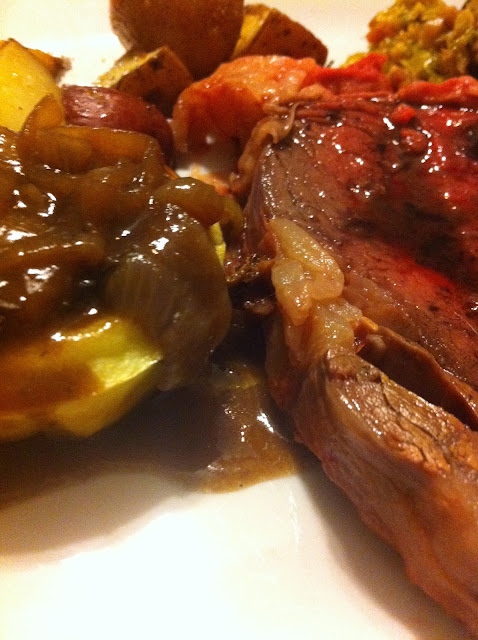
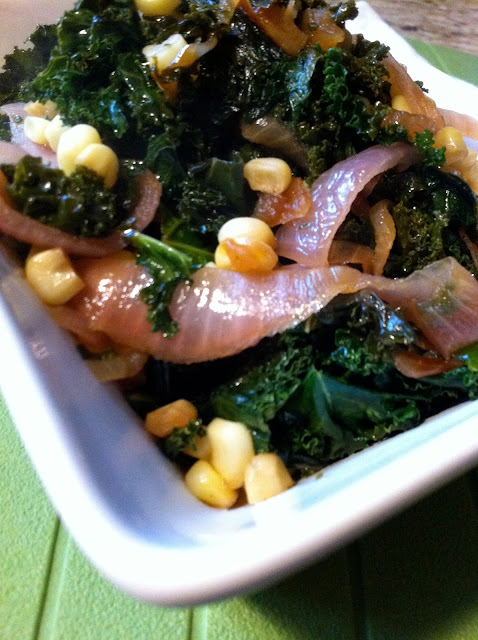
Creamy potato mash is the classic partner, but the dish also works beautifully with celeriac, pumpkin or sweet potato. In Australia, produce varies noticeably between regions and seasons, so use what looks best at the local greengrocer rather than treating the side dish as fixed. Winter carrots, parsnips and silverbeet make a satisfying plate, while spring peas or broad beans add colour when the weather begins to soften.
A crisp green salad can cut through the richness, especially if the ribs are being served in Brisbane or another warm climate where a heavy meal may feel less appealing. Choose leaves with a little bitterness, such as rocket or radicchio, and dress them with lemon juice, olive oil and a touch of mustard. Warm sourdough from a local bakery is useful for catching the remaining sauce and makes the meal feel relaxed rather than overly formal.
The same kitchen garden thinking that helps with herbs applies to this braise: thyme, parsley and chives can thrive in pots on a balcony or courtyard. Bia Rich’s guide to managing a small kitchen garden offers practical ideas for growing useful herbs even when space is limited. Fresh parsley scattered over the finished ribs is a small addition, but its clean flavour brings welcome contrast.
For wine, pour the same style used in the pot: a medium- to full-bodied shiraz, cabernet or southern Rhône-style blend. Barossa shiraz will give a powerful pairing, while a cooler-climate pinot noir can be more elegant if the sauce is kept bright and the sides are lighter. There is no need to use an expensive bottle for cooking; freshness and balance matter more than prestige.
Making it ahead and storing it safely
Short ribs are excellent make-ahead food. Once cooked, cool them in their sauce, refrigerate overnight and lift away the solidified fat the next day. Reheat the meat gently in a covered casserole at 150°C until piping hot, then reduce or adjust the sauce. Resting allows the wine, stock and aromatics to settle into a deeper flavour, and removing chilled fat makes the finished dish feel cleaner.
For Australian home kitchens, follow the practical principles behind the Food Standards Australia New Zealand two-hour/four-hour rule. Keep cooked food out of the temperature danger zone for as little time as possible: under two hours is generally safe to refrigerate, between two and four hours means it should be eaten immediately, and food held out for more than four hours should be discarded. Divide leftovers into shallow containers so they cool quickly rather than placing a large, steaming pot straight into the fridge.
The ribs will keep for up to three days in the refrigerator when stored promptly in a sealed container. They can also be frozen with the sauce for around three months. Defrost them in the refrigerator, then reheat until thoroughly hot. Avoid repeatedly cooling and reheating the entire batch; warm only the portion needed for each meal.
If you are cooking for a gathering, prepare the braise the day before and keep the garnish, salad and sides fresh until serving. A little chopped parsley, thyme leaves or finely grated lemon zest just before the food reaches the table restores brightness after reheating. For a sweeter aromatic note in a drink served alongside, a homemade syrup can be adapted with herb and citrus variations, though the ribs themselves need no sugary embellishment.
The best result is tender beef, a concentrated sauce and enough freshness around the plate to make the richness inviting rather than overwhelming. Take time with the sear, reduce the wine patiently and let the oven do the slow work. That combination turns an economical, hardworking cut into a deeply satisfying meal for a winter table or an unhurried weekend gathering.