

A simple garlic and herb compound butter for steaks and bread
A small log of garlic and herb compound butter can turn an ordinary dinner into something that feels properly generous. Made with softened butter, fresh garlic, herbs, lemon and a little seasoning, it melts over a hot steak, sinks into warm bread and gives vegetables a glossy, savoury finish. It is one of those kitchen basics that rewards a few minutes of preparation throughout the week.
For Australian home cooks, this is especially handy during barbecue season. Keep a roll in the fridge for a weeknight scotch fillet, a Sunday roast, or a loaf of sourdough picked up from the local bakery. The ingredients are easy to find at Coles, Woolworths, a farmers’ market or a neighbourhood greengrocer, and the method works just as well in a compact apartment kitchen as it does beside a backyard barbie.
Why this butter earns a place in the fridge
Compound butter is simply butter mixed with flavourings. The French call this kind of preparation beurre composé, but there is nothing fussy about it. The butter carries the flavour of garlic and herbs, while its fat softens sharp edges and spreads the seasoning evenly across a warm dish.
Garlic, parsley and chives make a fresh, familiar combination. Rosemary and thyme bring a deeper, woodsy character that suits beef, lamb and roasted potatoes. Lemon zest keeps the mixture lively, particularly when the butter is served with a rich steak. A little cracked black pepper gives it warmth without turning it into a hot condiment.
The mixture also makes practical sense in an Australian kitchen. Butter can be quite firm after a winter night in Melbourne or Canberra, while a Queensland summer can soften it rapidly on the bench. Let it soften just until spreadable, then work efficiently and return the finished roll to the refrigerator before it becomes greasy.
Ingredients and flavour choices
For one generous log, use 250 grams of unsalted butter, softened to room temperature. Add two medium garlic cloves, finely grated or crushed, two tablespoons of finely chopped flat-leaf parsley, one tablespoon of chopped chives, and one teaspoon of thyme leaves. Finish with the finely grated zest of half a lemon, half a teaspoon of sea salt and several turns of black pepper.
Unsalted butter gives you control over the final seasoning, which matters because Australian butters vary in saltiness. Salted butter is perfectly acceptable when that is what you have, but reduce the added salt and taste before wrapping. A cultured butter will give the compound spread a slightly tangy, rounded flavour; a standard supermarket butter will still make an excellent everyday version.
Use fresh garlic rather than jarred minced garlic when possible. The flavour is brighter and less watery, and grating it allows the juices to disperse through the butter. If raw garlic feels too assertive, gently sauté it in a teaspoon of the butter for one minute, then cool it fully before mixing. This produces a mellow, almost sweet garlic butter.
The herb mix can follow the meal. Dill works with grilled fish, coriander and lime suit prawns, and finely chopped sage is lovely with chicken or pumpkin. Avoid adding wet ingredients in large quantities, as excess moisture can make the butter difficult to shape and shorten its storage life.
How to mix and shape it
Place the softened butter in a bowl and mash it with a fork or flexible spatula until smooth. Add the garlic, herbs, lemon zest, salt and pepper, then mix until the colour and texture are even. Scrape the sides of the bowl as you work so that no concentrated pockets of garlic remain.
Taste a small amount on a piece of bread. The flavour should be slightly more seasoned than you want to eat straight from the bowl, because melting will spread it thinly over the steak or loaf. Adjust with another pinch of salt, a little lemon zest or a few extra herbs rather than adding a large amount of garlic at once.
Spoon the mixture onto a sheet of baking paper or cling film. Shape it into a cylinder about five centimetres wide, then roll it tightly, twisting the ends like a wrapped lolly. Chill for at least one hour, until firm. For neat portions, mark the roll into tablespoon-sized sections before refrigerating, or slice coins directly from the cold cylinder.
A silicone ice-cube tray is useful when you want small portions for individual steaks. Press the butter into the compartments, level the tops and chill until set. This approach is particularly convenient for a busy household, since each portion can be lifted out as needed without repeatedly handling the whole roll.
The best way to use it with steak
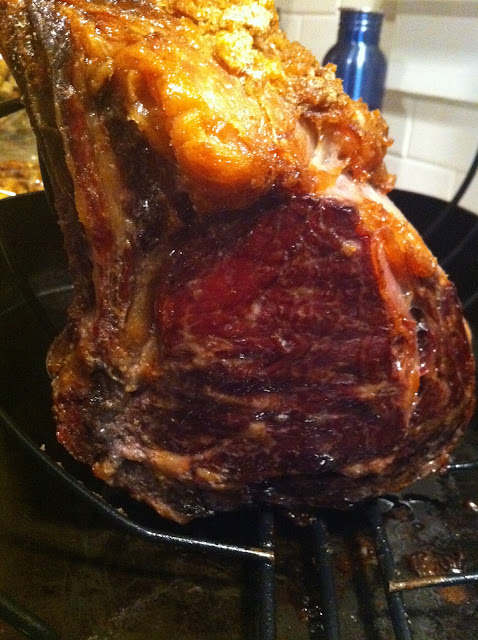
Take the steak out of the refrigerator about 30 minutes before cooking, pat it dry and season it with salt. Heat a heavy pan, grill plate or barbecue until properly hot. Australian cuts such as rump, porterhouse, scotch fillet and eye fillet all work well, although their cooking times will differ according to thickness.
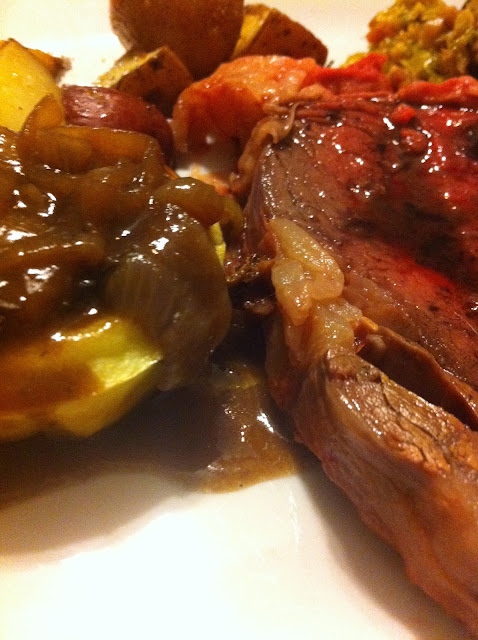
Cook the steak to your preferred doneness, then transfer it to a plate and rest it for five to ten minutes. Place a coin of garlic butter on top during the last minute of cooking or immediately after the steak comes off the heat. The residual warmth melts the butter without burning the garlic, allowing it to run over the crust and collect around the meat.
For a pan-seared steak, add a small slice of the butter during the final 30 seconds and spoon the foaming mixture over the top. Do not add it at the beginning, as the milk solids in butter can scorch before the steak has developed its crust. If using a barbecue, serve the butter at the table so guests can add it to suit themselves.
A simple side of green beans, roasted kipfler potatoes or a tomato salad is enough. If you are planning a fuller meal, a creamy vegetable dish can sit beautifully beside the steak; the fresh acidity and parmesan in this lemon asparagus risotto offer a useful contrast to the savoury butter.
From warm bread to vegetables
Spread the butter over thick slices of sourdough, Turkish bread or a crusty cob, then toast until the edges are crisp and the centre is soft. In an Australian summer, it is excellent brushed over bread before placing it on the barbecue beside corn and capsicum. Watch it closely, since the garlic can catch over a very fierce flame.
For garlic bread, cut a loaf almost all the way through at regular intervals and press the butter into the cuts. Wrap it loosely in foil and bake at 180°C until hot, then open the foil for the final few minutes so the crust becomes crisp. Add grated parmesan or a little mozzarella if you want a richer side for pasta, soup or a family gathering.
A spoonful melted over steamed broccolini, peas or roasted carrots gives vegetables a restaurant-style finish with very little effort. It also works on corn cobs, baked potatoes, mushrooms and grilled asparagus. Try a rosemary version with pumpkin, or add a pinch of smoked paprika for potatoes served alongside sausages.
The butter can even become part of dessert preparation indirectly. A lightly salted version spread over toast pairs well with coffee after dinner, while a sweetened herb-free butter can be kept separate for baking. For a more polished finish to a dinner party, serve savoury bread first and follow it with a slice of this chocolate ganache tart, whose bittersweet richness needs no competing garnish.
Storage, variations and useful habits
Keep the wrapped butter in the refrigerator for up to one week. If you used very fresh herbs or softened garlic in a warm kitchen, use it sooner and keep it cold. For longer storage, freeze the roll for up to three months. Slice off what you need while frozen, then return the remainder to the freezer in a sealed container.
Label the roll with the flavour and date, especially if you make several versions. Garlic and parsley, rosemary and lemon, and chilli and lime are easy to tell apart when fresh but can look similar once chilled. Defrost individual portions in the refrigerator rather than leaving the full log on the bench.
A little preparation makes this condiment especially useful for Australian entertaining. Make it the day before a barbecue, chill a few coins in a small container and take them outside just before serving. In hot weather, keep the butter in an insulated bag with an ice brick until the steaks are ready.
Reliable ways to make it your own
- Add finely chopped roasted garlic for a softer, sweeter flavour.
- Mix in chilli flakes or a pinch of cayenne for prawns, steak or grilled corn.
- Use parsley, chives and lemon with fish or chicken.
- Stir through blue cheese for a bold topping for rump steak.
- Add smoked paprika and spring onion for barbecued potatoes.
- Freeze the butter in small portions for quick weeknight meals.
- Serve it with crusty bread, soup or roasted vegetables when no steak is on the menu.
The most important habit is to taste before chilling. Cold butter dulls flavour, so the mixture should have enough salt, brightness and garlic to remain noticeable once it melts. Keep the texture smooth, protect it from excess heat and let the quality of the steak, bread or vegetables do the rest.