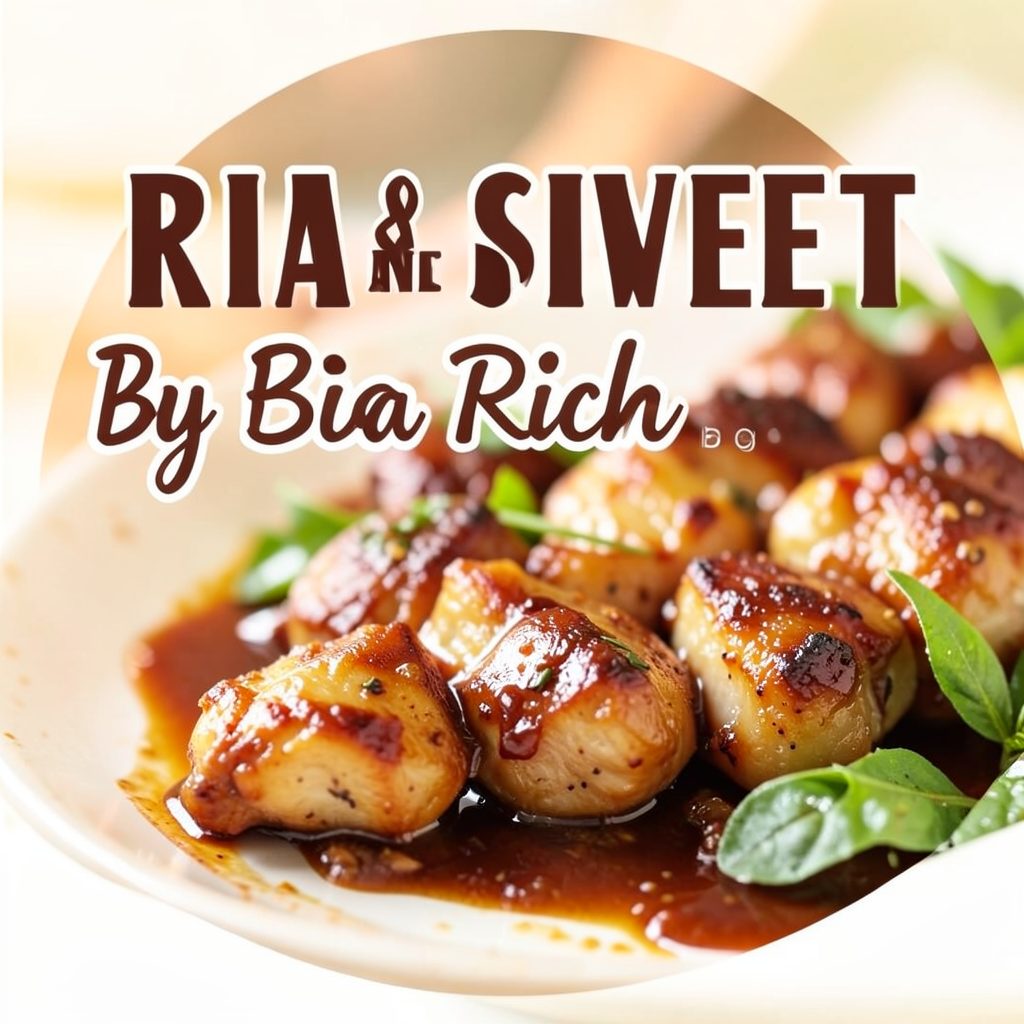
A smoky chipotle and honey glazed salmon with roasted broccoli
This smoky chipotle and honey glazed salmon with roasted broccoli brings together a handful of dependable ingredients and a generous amount of contrast. The fish is tender and savoury, the glaze is sweet with a gentle chilli warmth, and the broccoli develops crisp, caramelised edges in a hot oven. A squeeze of lime and a scattering of herbs keep the finished plate bright rather than heavy.
It is the kind of weeknight meal that feels at home in an Australian kitchen, whether you are cooking in a Sydney apartment, a Melbourne terrace or a country kitchen with garden-fresh greens nearby. Use fresh salmon when it looks firm and glossy, or choose frozen portions and thaw them safely in the refrigerator. The recipe uses metric measurements and suits a standard fan-forced oven.
Choose the salmon and build the glaze
For four serves, use four salmon fillets, each roughly 150–180 grams, with the skin left on if possible. Atlantic salmon is widely available in Australian supermarkets and fish shops, while Australian salmon has a stronger, more assertive flavour and leaner texture. Either works here, although thinner fillets will cook more quickly. Ask the fishmonger to portion the fillets evenly so they reach the table together.
The glaze needs balance rather than a long list of ingredients. Stir together three tablespoons of honey, one tablespoon of chipotle in adobo sauce, one tablespoon of lime juice, two teaspoons of soy sauce, one finely grated garlic clove and one teaspoon of smoked paprika. Add a pinch of ground cumin and a little black pepper. Chipotle varies in heat, so begin with a modest amount and add more if you enjoy a stronger chilli flavour.
Honey catches quickly under high heat, so reserve a few spoonfuls of the mixture for brushing during the final minutes rather than coating the salmon heavily from the start. If chipotle in adobo is difficult to find, use a teaspoon of chipotle powder with a pinch of chilli flakes and an extra teaspoon of lime juice. The result will be less rounded, but still smoky and lively.
Prepare the broccoli and fish
Heat the oven to 220°C, or 200°C fan-forced. Cut two large heads of broccoli into medium florets, keeping some of the tender stalk and peeling it before slicing. Toss the broccoli with two tablespoons of olive oil, sea salt and black pepper, then arrange it in a single layer on a large baking tray. Crowding causes the vegetables to steam, while space around each piece encourages browning.
Roast the broccoli for 12 minutes before adding the fish. This gives the florets a head start and leaves enough time for their edges to char while the salmon cooks. For extra texture, add a few thinly sliced red onion wedges or a small handful of halved Brussels sprouts. In late winter and spring, Australian markets often have excellent broccoli and brassicas; in warmer months, broccolini can be used, though its slender stems need less cooking.
Pat the salmon dry with paper towel and check for pin bones by running clean fingers across the flesh. Remove any you find with kitchen tweezers. Place the portions skin-side down among the broccoli, leaving a little room around each one. Brush the tops with glaze, keeping the skin as dry as possible so it can become pleasantly crisp.
Roast for a glossy finish
Return the tray to the oven and roast for 7–10 minutes, depending on the thickness of the fillets. Brush the salmon with the reserved glaze after about five minutes, then continue cooking until the flesh flakes at the thickest point but remains moist in the centre. A kitchen thermometer should read around 52–60°C for a tender finish, or closer to 63°C if you prefer the firmer texture recommended for fully cooked fish.
The broccoli should be darkened at the tips and tender when pierced with a knife. If the salmon is ready before the vegetables, transfer the fish to a plate and let the broccoli cook for another three or four minutes. If the broccoli is browning too quickly, lower the tray one shelf or cover the darker pieces loosely with foil. Honey can move from caramelised to burnt in a short time.
Let the salmon rest for two minutes before serving. Spoon any glaze left on the tray over the fillets, then finish with lime wedges, sliced spring onion and coriander or flat-leaf parsley. For a more substantial sauce, loosen two tablespoons of Greek yoghurt with lime juice and a pinch of salt, then serve it alongside rather than over the hot glaze.
The method is straightforward, but the same attention to gentle handling is useful for larger fish. When you want to explore that style of cooking, this guide to preparing a whole fish offers a useful oven technique with lemon and herbs.
Make it a complete Australian table
Steamed rice is an easy partner for the smoky glaze, particularly jasmine rice, which absorbs the sweet and spicy juices. Quinoa, pearl couscous or roasted sweet potato will also work. For a lower-starch plate, serve the fish with a crunchy cabbage slaw dressed with lime, rice vinegar and a little sesame oil. The fresh acidity cuts through the honey and makes the meal feel lighter.
A bowl of avocado, cucumber and herbs adds coolness, while pickled jalapeños bring a sharper chilli note. In Queensland and northern New South Wales, fresh limes are often plentiful in home gardens and farmers’ markets; bottled juice is perfectly practical when the fruit is expensive or out of season. A little finely grated lime zest in the glaze gives fragrance without adding more liquid.
For a drink, choose a dry riesling from Clare Valley or the Adelaide Hills. Its citrus character complements the lime, and its acidity keeps the honey from becoming cloying. A lightly chilled pale ale suits the chipotle too. If you are serving wine at an outdoor meal, keep the bottle cold in an insulated bag rather than leaving it in the afternoon sun, especially during a warm Australian summer.
A creamy side can turn this tray bake into a more generous dinner. Polenta is particularly good with smoky fish and roasted vegetables; this recipe for creamy polenta with mushrooms gives you a rich, savoury option for cooler evenings. Keep the polenta softly spoonable and use it as a base, with the salmon and broccoli arranged on top.
Serve, store, and adapt
Serve the meal straight from the tray, or transfer everything to a broad platter so the caramelised broccoli remains visible. Scatter over toasted sesame seeds, pepitas or chopped roasted peanuts for crunch. A small spoonful of chipotle glaze can be offered at the table, but keep it separate from the cooked fish to avoid brushing the same utensil over raw and ready-to-eat ingredients.
Australian food safety advice uses the two-hour/four-hour rule for perishable food: refrigerate leftovers within two hours, and discard them if they have spent more than four hours in the temperature danger zone. Store cooled salmon and broccoli in a covered container in the refrigerator and eat within two days. Reheat gently until steaming hot, or flake the cold salmon through a grain salad with extra lime.
The recipe can be adjusted for different households. Replace honey with maple syrup, use orange juice in place of lime, or add grated ginger to the glaze. For a milder version, swap chipotle for smoked paprika and omit the chilli. If you are cooking for someone avoiding gluten, choose tamari labelled gluten-free rather than assuming every soy sauce is suitable. Australian packaged foods must declare regulated allergens, but checking the label remains sensible when brands change.
Quick kitchen checklist
Before the tray goes into the oven:
- Dry the salmon thoroughly and remove any pin bones.
- Cut broccoli into similar-sized florets.
- Leave space between the vegetables for browning.
- Reserve some glaze for the final brush.
For finishing and serving:
- Check the thickest part of the fish rather than the thinnest edge.
- Rest the salmon briefly before transferring it.
- Add lime and herbs just before eating.
- Refrigerate leftovers promptly in a shallow container.