
A Spiced Pumpkin and Coconut Curry with Chickpeas
When the mercury dips across the southern states and the evenings in Adelaide start calling for something warming in the bowl, a fragrant pumpkin curry ticks every box. This particular version leans into the natural sweetness of slow-cooked pumpkin, balances it with creamy coconut milk, and layers in earthy chickpeas for body and protein. It's the kind of dish that fills the kitchen with aromas you can smell from the back porch, the kind that makes neighbours lean over the fence to ask what you're cooking.
The recipe draws on pantry staples you can find at any big green-grocer or weekly farmers' market, with room for substitutions based on what's in season. Pumpkin is generous here from late autumn through early spring, and canned or dried chickpeas make this an accessible weeknight option. It's also vegetarian-friendly and naturally gluten-free, which means it works for mixed tables without any fuss.
Picking the Right Pumpkin at the Market
Walking through the produce section at Harris Farm or browsing the stalls at the Queen Victoria Market, you'll find a surprising variety of pumpkins on offer. The dense, sweet-fleshed Queensland Blue is a classic for roasting and holds its shape beautifully when simmered in curry. Kent, often labelled as "Jap" at the green-grocer, has bright orange flesh that breaks down a little more, thickening the sauce naturally. Butternut is reliable and widely available, though it can turn to mush if overcooked.
For this curry, a mix of two kinds works well when you can find them: one that keeps its shape for texture, and another that melts into the coconut milk for body. Australian-grown pumpkins tend to be less watery than some imports, which means the sauce won't go thin and soupy. Look for a heavy pumpkin with a hard, unblemished skin, and tap it lightly — it should sound hollow, signalling good maturity.
Building the Spice Base
The soul of any curry lives in its aromatics, and this one starts with a generous sizzle in the pot. Finely chopped brown onion, garlic, and ginger form the foundation, cooked until soft and golden. A tablespoon of quality curry powder — the MasterFoods jar from the supermarket is fine, but a freshly blended mix is extraordinary — brings warmth without heat. If you want to chase a bit of fire, a finely sliced long red chilli works wonders, and a cinnamon stick adds that slow-burn sweetness Aussies often associate with Sri Lankan-style cooking.
Whole spices toasted briefly in the oil before adding the onion deepen the flavour dramatically. Cumin seeds, coriander seeds, and a few cloves release their oils and perfume the kitchen. If you've got curry leaves from the Indian grocer down the road — most suburbs with a Sri Lankan or South Indian community will have one — toss in a sprig while the spices bloom. The leaves crisp up and become edible, adding a citrusy, almost nutty note.
Coconut Milk and the Creamy Element
Not all coconut milk is created equal, and the choice matters more than you might think. The thinner "light" coconut milk produces a lighter sauce that lets the pumpkin flavour shine through. Reduced-fat versions can taste watery and don't carry the richness needed for a satisfying curry. A good full-fat coconut milk, such as the Ayam or Cha Cha brands commonly found at Coles and Woolworths, gives body and that signature creamy mouthfeel.
A swirl of coconut cream stirred in at the end creates an even more luxurious finish. Some cooks in the tropical north, particularly around Cairns and Darwin, use freshly pressed coconut cream from mature brown coconuts — a beautiful option when available. For most home cooks in suburban Sydney or Melbourne, however, a quality canned coconut milk does the job beautifully. Shake the can well before opening, as the cream and water often separate during storage.
Choosing Your Chickpeas and Building the Curry
Dried chickpeas cooked from scratch have a nutty depth that canned varieties can't quite match, though both work here. If you're using dried, soak them overnight in plenty of cold water with a pinch of bicarbonate of soda, then simmer until tender — usually around 45 minutes to an hour. For convenience, a couple of rinsed cans of chickpeas from the pantry are perfectly acceptable and save considerable time on a busy arvo.
When you're assembling the curry, the order of operations matters. The aromatics go first, then the spices, then the tomato and coconut milk. Pumpkin goes in next, simmered gently until just tender. Chickpeas are added in the last ten minutes, just to warm through and absorb the flavours. The exact simmer time depends on the pumpkin variety you've chosen, and a quick reference helps avoid overcooking:
| Pumpkin Variety | Texture When Cooked | Best Use in This Curry | Approximate Simmer Time |
|---|---|---|---|
| Queensland Blue | Holds shape, dense | Cubed for bite and body | 20–25 minutes |
| Kent (Jap) | Tender, slightly breaking down | Thickens sauce naturally | 15–20 minutes |
| Butternut | Soft, can turn to mush | Cut larger for slower cooking | 18–22 minutes |
| Golden Nugget | Firm, sweet | Roasted separately, stirred in | 12–15 minutes |
If you'd like a heartier vegetable alongside, a rustic tomato tian makes a lovely Mediterranean counterpoint for a spread, especially when the curry leans mild.
Finishing Touches and Garnish
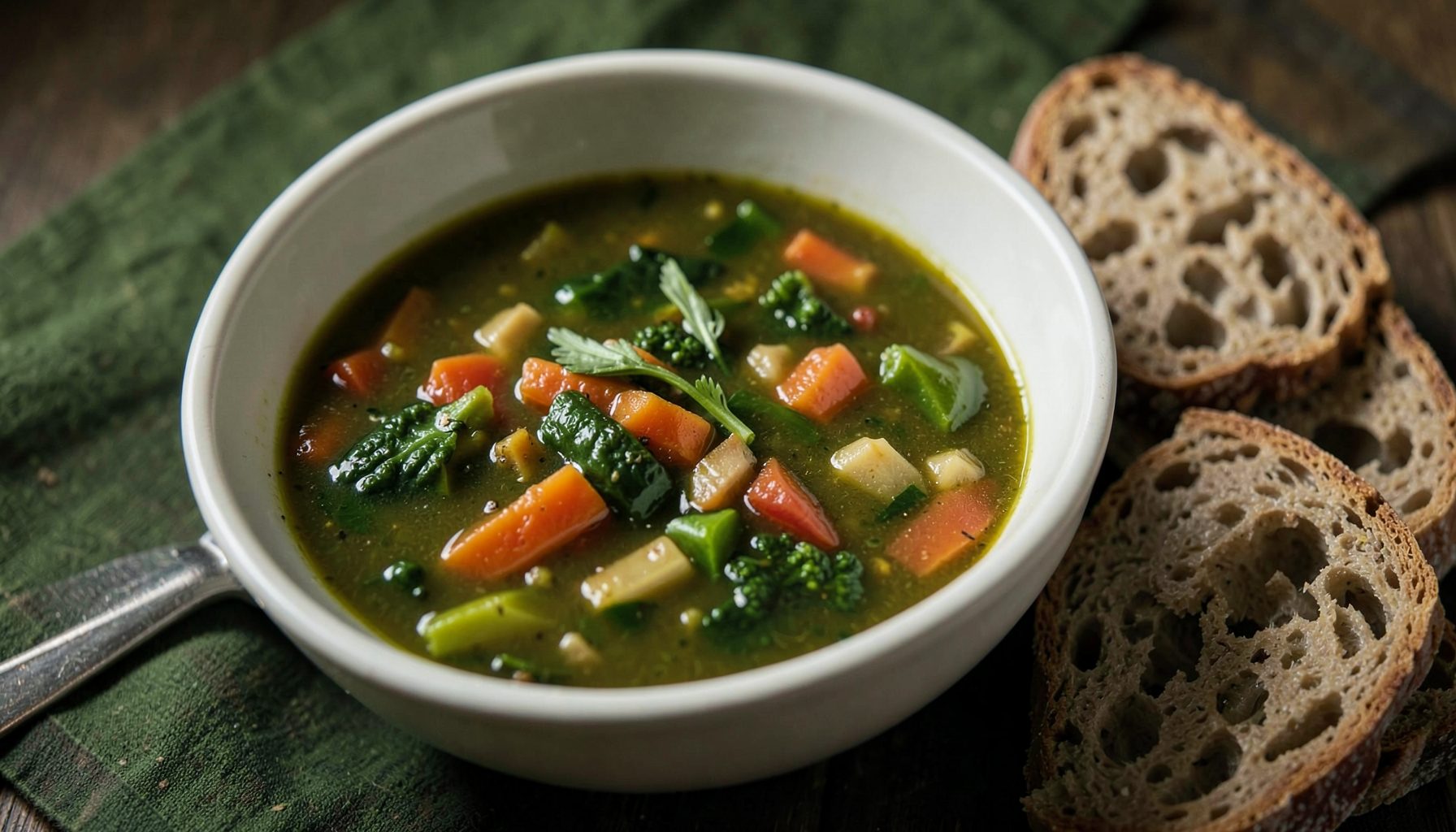
The final minutes in the pot are where a good curry becomes a great one. A handful of baby spinach stirred through at the end wilts into the sauce, adding colour and a nutritional boost. A good squeeze of fresh lime juice brightens all the rich, earthy flavours. Fish sauce, used sparingly, adds umami depth even in a vegetarian curry — a tip borrowed from Thai kitchens. If you're keeping it strictly plant-based, a splash of soy sauce or tamari does the same job.
Garnish matters too. Roughly chopped fresh coriander leaves, a few sliced red chilli rounds, and a small handful of toasted slivered almonds or cashews provide texture and visual appeal. A drizzle of the good coconut cream just before serving creates those lovely pale swirls through the deep orange sauce. A bowl of jasmine rice on the side is traditional, though cauliflower rice works for those watching their carbs, and warm naan is perfect for scooping up every last drop.
Wine Pairings and Serving Suggestions
The richness of coconut and the gentle sweetness of pumpkin call for a wine with enough body and acidity to cut through without overpowering. A dry riesling from the Clare Valley or Eden Valley works beautifully — the citrus notes complement the curry's aromatics, and the acidity balances the cream. If you prefer red, a chilled pinot noir from the Yarra Valley or Mornington Peninsula is light enough not to fight the spices.
For a more casual gathering, a cold beer is hard to beat. A crisp lager or a wheat beer cleanses the palate between spoonfuls. If cocktails are more your style, a gin and tonic with a slice of fresh cucumber echoes the refreshing finish the lime provides in the curry. Non-alcoholic options include sparkling water with a squeeze of lime and a few mint leaves, or a tall glass of chilled lassi-style yoghurt drink if you want something creamy alongside. A flatbread or quick naan on the side is lovely too — and the vinegar trick works beautifully in those doughs for a tender crumb that holds up even the next day.
Storing Leftovers and Reheating
Curries of this style deepen in flavour overnight, making them excellent candidates for batch cooking on a Sunday afternoon. Stored in an airtight container in the fridge, the curry will keep happily for three to four days. The pumpkin will continue to soften slightly, and the chickpeas will absorb more of the spiced coconut sauce, which most people consider an improvement.
To reheat, warm gently in a saucepan over low heat, stirring occasionally to prevent the coconut milk from splitting. A splash of water or extra coconut milk can loosen the sauce if it has thickened too much during storage. The curry also freezes well for up to three months — portion it into individual containers before freezing for easy work lunches. Thaw overnight in the fridge, then reheat as above. A squeeze of fresh lime just before serving revives the brightness and makes it taste freshly made.