
Spiced Roasted Carrot and Ginger Soup with Coconut Milk
A bowl of roasted carrot and ginger soup can be humble, generous and deeply aromatic. Roasting brings out the vegetables’ natural sweetness, while fresh ginger adds a clean heat that keeps the soup lively. Coconut milk gives the finished bowl a smooth, rounded texture without making it heavy.
This version is built for an Australian kitchen, where carrots are easy to find throughout the year and good produce is available from supermarkets, greengrocers and weekend farmers’ markets. It suits a cool Melbourne evening, a crisp Canberra lunch or a mild winter night in Sydney.
The recipe also welcomes small changes. Use vegetable stock for a meat-free meal, chicken stock for a fuller savoury flavour, or add a little extra chilli if you enjoy warmth. A spoonful of lime juice at the end sharpens the rich coconut base.
The method reflects the kind of practical cooking shared on Bia’s food blog, where technique matters as much as the ingredient list. The goal is a soup with layers: caramelised edges, earthy spice, fragrant ginger and a soft, creamy finish.
| Choice | What it contributes | Useful adjustment |
|---|---|---|
| Roasted carrots | Sweetness and caramelised flavour | Roast until browned at the edges |
| Fresh ginger | Bright heat and fragrance | Add more for a sharper finish |
| Coconut milk | Creaminess and gentle richness | Stir in gradually to control thickness |
| Ground spices | Warmth and savoury depth | Toast briefly with the onion |
| Lime juice | Balance and freshness | Add just before serving |
| Vegetable stock | A clean, light base | Choose low-salt stock if possible |
Why Roasting Makes the Difference
Boiling carrots in stock is convenient, but roasting concentrates their flavour. The high heat removes excess moisture and encourages browning, creating sweet, savoury notes that cannot be achieved through simmering alone. Cut the carrots into similar pieces so they cook evenly, leaving smaller young carrots whole if they are particularly slender.
A hot oven is important. At 220°C, the carrots should begin to colour within the first 15 minutes, especially where their surfaces touch the oiled tray. Spread them out rather than piling them together. Crowded vegetables steam, and steamed carrots will still make a pleasant soup, but they will lack the roasted depth that makes this version memorable.
Choose firm carrots with smooth skin and a fresh, leafy scent. Older carrots can be perfectly good, though they may need peeling and a little extra time. At an Australian farmers’ market, look for bunches with lively tops; at Coles, Woolworths or an independent grocer, select carrots that feel crisp and heavy for their size.
The spice mixture should support the carrot rather than cover it. Cumin gives an earthy note, coriander adds citrus-like warmth, and a small amount of smoked paprika introduces savouriness. Ground turmeric contributes colour and a faint bitterness, while black pepper ties everything together.
Ingredients That Build a Balanced Bowl
For four generous serves, use 1 kilogram of carrots, one brown onion, three garlic cloves, a 5-centimetre piece of fresh ginger, 2 tablespoons of olive oil, 1 teaspoon ground cumin, 1 teaspoon ground coriander, half a teaspoon smoked paprika, half a teaspoon turmeric, 750 millilitres vegetable stock and 400 millilitres coconut milk.
You will also need salt, freshly ground black pepper and one lime. A pinch of chilli flakes is optional. Full-fat coconut milk gives the smoothest result, although a lighter version works well if you prefer a thinner, less rich soup. Shake the tin before opening, since the thick cream often settles at the top.
Fresh ginger is worth using here. It brings a juicy, floral heat that powdered ginger cannot quite match. Peel it with the edge of a teaspoon, then grate or finely chop it. If you want a gentler flavour, add half the ginger before roasting and reserve the remainder for the saucepan.
Salt in stages rather than all at once. Season the carrots before they enter the oven, taste the blended soup after the stock has reduced slightly, then make a final adjustment after adding coconut milk and lime. This approach keeps the seasoning precise, particularly when using commercial stock.
Small Details That Improve the Result
- Use a wide roasting tray so the carrots brown rather than steam.
- Warm the stock before adding it to the saucepan.
- Scrape every caramelised piece from the tray into the soup.
- Add lime juice after blending, never before roasting.
A Gentle Method for Silky Texture
Heat the oven to 220°C, using fan-forced heat if that is how your oven is calibrated. Peel the carrots if their skins are tough, trim the ends and cut them into chunks about 4 centimetres long. Toss them with half the olive oil, a pinch of salt, pepper and the smoked paprika. Roast for 25 to 35 minutes, turning once, until tender and browned.
While the carrots cook, warm the remaining oil in a large saucepan over medium heat. Add the diced onion and cook for 6 to 8 minutes, stirring occasionally, until soft but not dark. Add the garlic, ginger, cumin, coriander and turmeric. Stir for 60 seconds, just until the spices smell fragrant. If they catch on the base, lower the heat and add a splash of stock.
Tip the roasted carrots into the saucepan and pour in the stock. Bring the mixture to a gentle simmer and cook for 10 minutes. This brief simmer allows the flavours to join without washing away the roasted character. Add the coconut milk, reserving a little for drizzling, and heat until steaming. Avoid a hard boil, which can make the soup look slightly grainy.
Blend with a stick blender directly in the saucepan, or transfer in batches to a heatproof blender. When using a jug blender, remove the centre stopper and cover the opening with a folded tea towel so steam can escape safely. Blend until smooth, then add lime juice and taste. If the soup is too thick, loosen it with warm stock or water.
Signs the Soup Is Ready
- The surface looks glossy rather than watery.
- A spoon leaves a clean trail through the purée.
- The ginger is noticeable without dominating.
- The finish tastes fresh, salty and gently sweet.
Adjustments for Australian Kitchens
Australian produce changes with region and season, so the recipe does not need to be rigid. In winter, carrots from Victoria, Tasmania and South Australia are often especially sweet and sturdy. In warmer Queensland weather, smaller carrots may cook faster, so begin checking them after 20 minutes. A hot, humid kitchen may also make the soup feel heavier; add extra lime or a splash of stock before serving.
Keep the metric measurements straightforward. An Australian tablespoon holds 20 millilitres, while a teaspoon holds 5 millilitres. The difference matters when measuring olive oil, spices or chilli. If your oven runs hot, reduce the temperature slightly rather than allowing the carrots or spices to burn.
For a more substantial meal, stir through chickpeas or shredded roast chicken just before serving. Toasted pepitas add crunch, and a handful of coriander leaves gives the soup a fresh herbal lift. A few drops of chilli oil are welcome for those who enjoy a stronger finish, while plain yoghurt can soften the heat if coconut milk is not enough.
This soup is also useful for seasonal entertaining. Make it earlier in the day, cool it promptly and refrigerate it, then reheat gently just before guests arrive. For a relaxed Sunday lunch, serve small bowls before a roast or alongside a platter of warm bread, rather than treating it as a heavy first course.
Serving, Pairing and Keeping
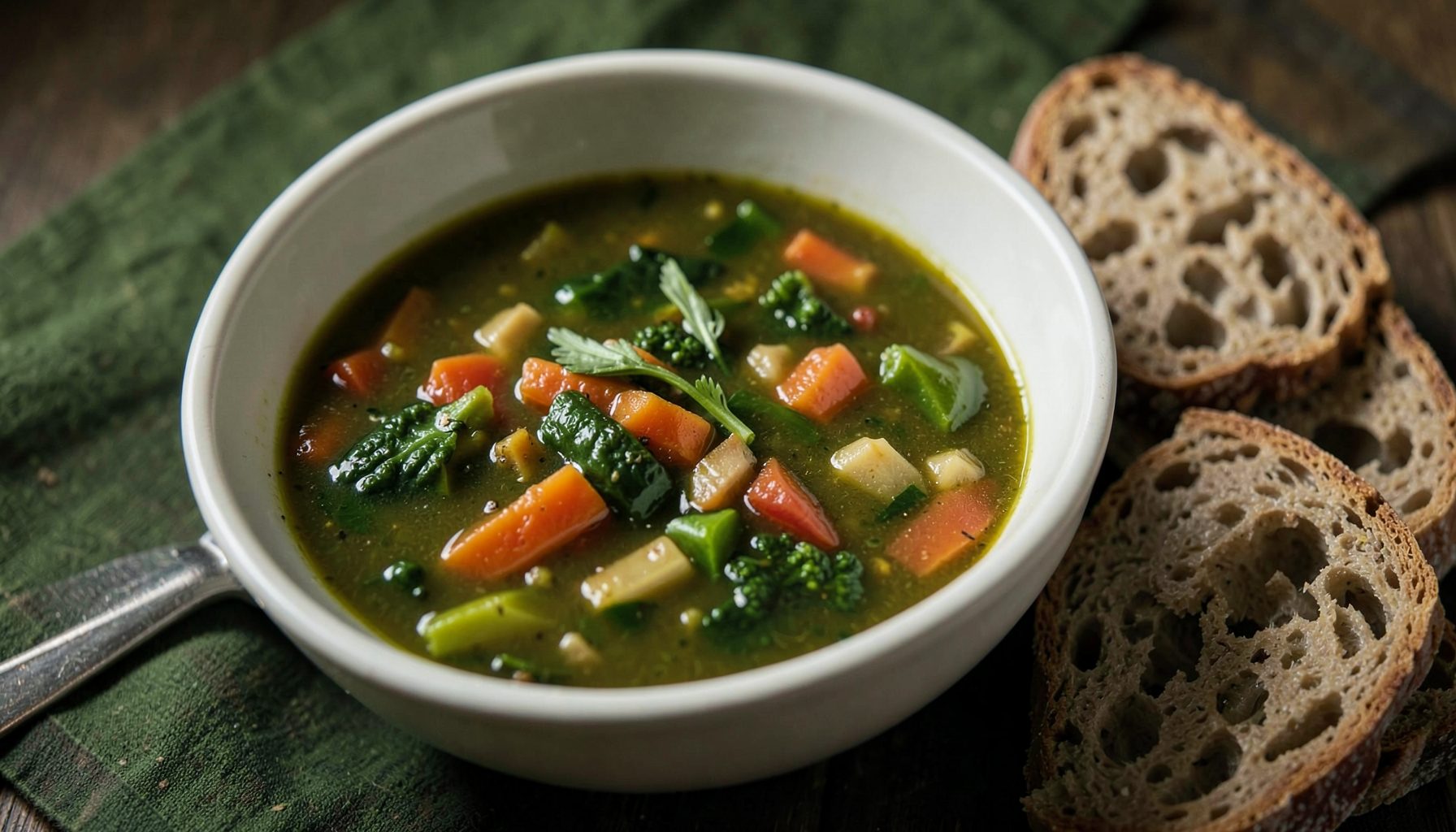
Serve the soup in warmed bowls with a swirl of coconut milk, a squeeze of lime and a scattering of toasted pepitas. Fresh coriander, thinly sliced spring onion or crisp fried curry leaves can add colour and texture. A few flakes of sea salt on top bring the flavours into focus.
Warm flatbread, sourdough or a piece of crusty damper is ideal for dipping. If you are serving it as part of a larger meal, keep the garnishes simple. The soup already has plenty of personality, so one crunchy element and one fresh element are enough.
For wine, choose a dry Riesling from Clare Valley or the Adelaide Hills. Its acidity works with the lime and cuts through the coconut milk. A lightly chilled Australian rosé is another good option, particularly if the soup is served with spicy toppings. Beer drinkers might prefer a crisp lager rather than a strongly bitter ale.
For a sweet finish, keep the dessert fresh and restrained. Mango, passionfruit or lime granita would echo the soup’s tropical notes; a modest coconut dessert can work too, and the dessert collection offers ideas for a broader menu. In Brisbane or Darwin, serve the soup warm rather than piping hot and pair it with a sharp fruit dessert.
Store leftovers in an airtight container for up to three days. The spices often taste rounder the next day, though the soup may thicken in the refrigerator. Reheat it slowly in a saucepan, adding water or stock as needed. It can also be frozen for up to three months, but leave a little space in the container because the liquid expands.
The finished bowl should taste like more than blended vegetables. It should carry the warmth of the oven, the fragrance of ginger, the quiet earthiness of cumin and the creamy ease of coconut milk. For more background on the cookery traditions and experiences behind these flavours, visit Bia Rich’s story.