
Warm farro salad with roasted squash and maple-tahini dressing
A warm grain salad can be the most satisfying dish on the table when it has contrasting textures and a dressing with enough personality to tie everything together. This version combines chewy farro, caramelized butternut squash, toasted seeds, tender greens, and a maple-tahini vinaigrette that is nutty, tangy, and gently sweet.
It works beautifully as a vegetarian main course, a hearty side for roast chicken, or a make-ahead lunch. The ingredients are humble, but thoughtful cooking makes each one count: the squash is roasted until browned at the edges, the farro is seasoned while it is still warm, and the dressing is loosened until it coats every grain.
The recipe also welcomes adaptation. Use delicata squash in early fall, roasted carrots in winter, or a mixture of leafy greens from the garden. Once you understand the balance of grain, vegetable, dressing, and garnish, this becomes a flexible template rather than a dish reserved for one particular menu.
Why this combination works
Farro has a pleasantly firm bite that stands up to roasted vegetables and creamy dressings. Pearled farro cooks faster and produces a softer, more polished salad, while semi-pearled or whole-grain farro offers a deeper chew and a little more rustic character. Either variety is useful; simply follow the package directions and taste before draining.
Butternut squash brings sweetness and a velvety texture, especially when its cut surfaces have time to brown. Maple syrup echoes that natural sweetness in the dressing, while tahini contributes roasted sesame flavor and a creamy body without dairy. Lemon juice or apple cider vinegar keeps the finished salad from becoming heavy.
A handful of bitter greens provides an important counterpoint. Arugula wilts slightly when folded into the warm farro, while chopped kale remains substantial. Baby spinach is milder and more delicate. For additional contrast, add toasted pepitas, walnuts, hazelnuts, or a few dried cranberries.
Roasting the squash for deep flavor
Cut the squash into pieces of roughly equal size so they finish cooking together. One-inch cubes are ideal: large enough to stay creamy inside, small enough to develop browned corners. Toss them with olive oil, salt, black pepper, and a pinch of ground cumin or smoked paprika if you want a more savory edge.
Spread the squash over a large sheet pan with room between the pieces. Crowding traps steam and leaves the vegetables pale and soft. Roast at 425°F until tender and deeply golden, turning once halfway through. The browned surfaces are where the most concentrated flavor develops.
For a little extra guidance on oven heat, this explanation of the bake and broil difference is useful when deciding whether to finish the squash under high heat. A brief broil can intensify color, but watch closely because maple-coated or naturally sugary vegetables can scorch quickly.
Cooking and seasoning the farro
Rinse the farro under cool water, then simmer it in well-salted water or vegetable stock. The cooking liquid should taste pleasantly seasoned, since the grain absorbs some of that flavor. If you have a Parmesan rind in the freezer, add a small piece to the pot for savory depth; this is a practical way to use the kind of kitchen staple described in saving Parmesan rinds.
Cook until the grains are tender but still pleasantly chewy. Drain thoroughly, then return them to the warm pot for a minute so excess moisture evaporates. This small step prevents a watery dressing and gives the farro a better texture.
Season the grain before assembling the salad. A splash of lemon juice, a drizzle of olive oil, and a pinch of salt will carry the flavor through every bite. Warm farro absorbs seasoning especially well, so it is easier to build a balanced dish at this stage than to correct a bland salad after all the ingredients have been added.
Building the maple-tahini dressing
For the dressing, whisk together tahini, pure maple syrup, fresh lemon juice, olive oil, a little Dijon mustard, minced garlic, and salt. Tahini often seizes when acid is added, becoming thick and paste-like before it turns smooth. Keep whisking while adding warm water one tablespoon at a time until the dressing reaches a pourable consistency.
The goal is a dressing that is creamy enough to cling to the farro but loose enough to distribute easily. Taste for balance. Add more lemon if it tastes too sweet, another small drizzle of maple syrup if the tahini is especially bitter, or a pinch of salt if the flavors seem muted.
This sauce can be made several days ahead and stored in the refrigerator. It will thicken as it sits, so bring it close to room temperature and whisk in a little water before serving. A final splash of lemon juice can also wake up a dressing that has lost some brightness overnight.
Putting the salad together
Begin with the warm farro and fold in about two-thirds of the dressing. Add the roasted squash gently, taking care not to mash the soft edges. The residual heat will soften sturdy greens and help them absorb the flavors without turning them limp.
Scatter the salad onto a platter or place it in a wide serving bowl. Finish with toasted pepitas, crumbled feta or goat cheese, chopped parsley, and a few pomegranate seeds if they are in season. A pinch of Aleppo pepper gives the maple-tahini dressing a subtle, fruity heat.
Serve it warm or just above room temperature. If you prefer to prepare the dish ahead, keep the greens and garnishes separate until shortly before serving. The farro and squash can be reheated gently, while the dressing should be stirred in gradually so the salad remains moist rather than saturated.
Ingredient choices and easy variations
The proportions below make a generous side dish or about four satisfying portions as a light main course. Adjust the finishing ingredients according to what is available in your pantry and garden.
| Ingredient | Purpose | Flexible alternatives |
|---|---|---|
| Farro | Provides chew and substance | Barley, wheat berries, freekeh, quinoa |
| Butternut squash | Adds sweetness and creamy texture | Delicata squash, sweet potato, carrots |
| Tahini | Gives the dressing body and sesame flavor | Almond butter or sunflower seed butter |
| Maple syrup | Balances the tahini and lemon | Honey or date syrup |
| Lemon juice | Brings acidity and freshness | Apple cider vinegar or sherry vinegar |
| Pepitas | Adds crunch and a toasted note | Walnuts, hazelnuts, almonds |
| Arugula or kale | Supplies color and bitterness | Spinach, chard, radicchio |
| Feta or goat cheese | Adds salty creaminess | Parmesan, ricotta salata, or no cheese |
This salad is particularly good for using small amounts of seasonal produce. Add roasted red onions, sautéed mushrooms, wilted chard, or crisp apple slices. In spring, replace the squash with roasted asparagus and peas; in summer, try farro with grilled zucchini, cherry tomatoes, basil, and a sharper lemon dressing.
For a vegan version, omit the cheese and check that the maple syrup and tahini are the only sweet and creamy elements needed. The combination remains full-flavored because the roasted squash, toasted seeds, and dressing provide plenty of richness.
Serving, storing, and pairing
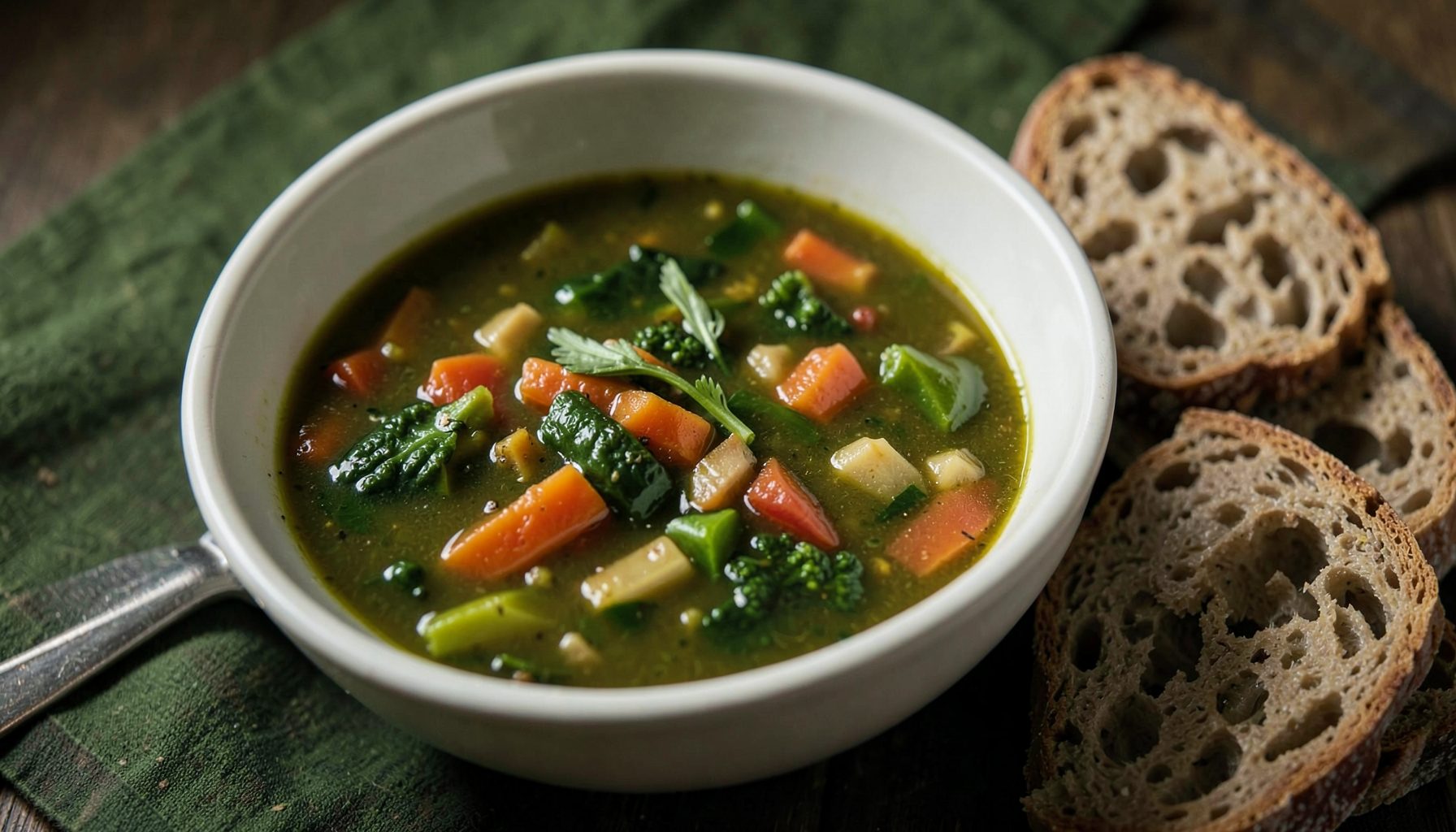
Warm farro salad is substantial enough to anchor a meal, so pair it with something simple. Roast chicken, seared salmon, or baked tofu all work well. It can also sit alongside a bowl of soup and a piece of crusty bread for a relaxed supper. For more seasonal salad ideas, browse these salad recipes for combinations that use similar vegetables, grains, and dressings.
For wine, choose a bottle with freshness rather than heavy oak. A dry Riesling, Grüner Veltliner, Sauvignon Blanc, or lightly chilled rosé will complement the squash and cut through the tahini. If serving the salad as a main course with earthy mushrooms or lentils, a light Pinot Noir can be a lovely match.
Store leftovers in an airtight container for up to three days. The farro will continue absorbing the dressing, so refresh each portion with lemon juice, olive oil, or a spoonful of water. Serve leftovers at room temperature or warm them gently; high heat can dry out the grains and make the greens lose their fresh character.
Practical tips for a balanced bowl
- Salt the farro’s cooking water and taste the cooked grain before adding the vegetables.
- Roast the squash on a spacious pan so it browns instead of steaming.
- Thin the tahini dressing gradually with warm water for a smooth, pourable texture.
- Add delicate greens and crunchy garnishes near serving time.
- Taste the assembled salad once more and adjust the lemon, salt, or maple syrup.
The most important final check is balance. You should taste savory grain, sweet roasted squash, bright acid, toasted sesame, and a little bitterness from the greens in the same forkful. If one element dominates, a small adjustment is usually enough: lemon for heaviness, maple for sharpness, salt for dullness, or water to soften an overly intense dressing.
Prepare a platter of this warm grain salad while the squash is still caramelized and the farro is fragrant. Spoon the maple-tahini dressing over the top, scatter on the toasted seeds and herbs, and bring it to the table as a generous seasonal centerpiece.