
Bia’s Guide to Building a Flavorful Cocktail with Fresh Citrus
Fresh citrus can make a cocktail taste bright, fragrant, and remarkably complete. A squeeze of lemon may sharpen a drink, while orange, grapefruit, lime, tangerine, or kumquat can bring sweetness, bitterness, perfume, and depth. The difference between a merely tart drink and a memorable one comes from how those flavors are handled.
After two decades in New York City restaurants, I learned to treat citrus as an ingredient with its own personality rather than a finishing flourish. The fruit you choose, the way you extract its juice, the balance of sugar and spirit, and even the temperature of the glass all influence the final pour.
My approach is practical enough for a weeknight and thoughtful enough for a dinner party. You do not need a professional bar setup. A sharp knife, a hand juicer, fresh ice, and a few dependable bottles will take you a long way.
Choose Citrus With Character
Start with fruit that feels heavy for its size and has firm, brightly colored skin. A fragrant peel is a useful sign because the oils in that outer layer carry much of the aroma. Avoid fruit that is shriveled, soft, or dull unless you are using it immediately for juice and zest.
Lemons and limes provide clean acidity, making them natural companions for gin, tequila, rum, vodka, and sparkling water. Grapefruit gives a gently bitter edge that suits tequila, mezcal, gin, and herbal liqueurs. Oranges and tangerines bring rounder sweetness, especially when paired with bourbon, brandy, dark rum, or amaro.
Seasonality can change the character of a drink. Winter citrus often has intense fragrance and generous juice, while summer varieties can taste lighter and more floral. Try combining two fruits instead of forcing one to do every job: lemon for structure with orange for softness, or lime with grapefruit for a sharper, more layered profile.
The peel deserves attention, too. A strip of orange or lemon zest releases aromatic oil when twisted over the glass. Use a vegetable peeler for a wide expression, or a channel knife for a delicate curl. Remove as much white pith as possible when you plan to muddle peel into a drink, since pith can add a harsh bitterness.
Build Balance Before Adding Spirits
A flavorful cocktail usually rests on four elements: spirit, acidity, sweetness, and dilution. Citrus supplies acidity, but it should support the base liquor rather than overpower it. A good drink feels lively without making your mouth tighten after every sip.
For a simple starting point, combine two ounces of spirit with three-quarters of an ounce of fresh citrus and one-half ounce of sweetener. This is a foundation, not a law. A naturally sweet orange may need less syrup, while a particularly sharp lime may need a little more. Taste and adjust in small increments.
Sweetener can be as simple as equal parts sugar and water. Honey syrup, maple syrup, agave, and fruit-infused syrups each add a different texture and aroma. Honey brings floral richness, maple gives warmth, and agave works especially well with tequila and mezcal. Make a small batch, refrigerate it, and label the date.
Bitterness, salinity, and herbs can complete the balance. Two or three drops of saline solution can make citrus taste rounder without making the cocktail salty. A small measure of amaro may temper sweetness, while basil, mint, rosemary, or thyme can add a garden-like note. Add these accents carefully; a cocktail should still taste like a drink, not a pantry inventory.
Use Techniques That Unlock Fresh Flavor
Juice citrus just before mixing whenever possible. Fresh juice contains aromatic compounds that fade quickly, and refrigerated juice rarely has the same lift. If you need to prepare ahead, juice the fruit a few hours before serving, strain out excess pulp, and keep it cold in a sealed container.
Roll lemons, limes, and oranges firmly beneath your palm before cutting them. This breaks some of the internal membranes and helps release more juice. A hand reamer or tabletop press is usually enough, though a fine strainer is helpful if you prefer a smooth cocktail.
Muddling is useful for herbs, berries, cucumber, and certain citrus preparations, but it requires restraint. Press mint or basil gently to release aroma; crushing the leaves aggressively can bring out a grassy bitterness. For a more refined result, clap the herb between your hands and add it to the shaker rather than muddling it.
Shaking and stirring create different textures. Shake citrus-based drinks with ice to chill them quickly and incorporate air, giving the drink a lively, slightly frothy body. Stir spirit-forward drinks that contain little or no juice, such as an orange peel Old Fashioned, to preserve a silky texture. Always strain over fresh ice when the first batch has become watery.
| Citrus | Flavor Profile | Spirits That Pair Well | Best Supporting Notes |
|---|---|---|---|
| Lemon | Bright, clean, sharply acidic | Gin, vodka, rum, whiskey | Honey, basil, ginger |
| Lime | Tart, floral, and lively | Tequila, mezcal, rum, gin | Agave, mint, chili |
| Grapefruit | Juicy, bitter, gently sweet | Tequila, gin, mezcal | Salt, rosemary, tonic |
| Orange | Round, fragrant, softly sweet | Bourbon, brandy, rum | Cinnamon, thyme, amaro |
| Tangerine | Floral, delicate, and sweet | Vodka, gin, sparkling wine | Vanilla, mint, elderflower |
Follow A Reliable Cocktail Formula
A citrus cocktail becomes easier to create when you think in proportions rather than rigid recipes. Begin with a strong base, add enough acid to create energy, then adjust sweetness until the flavors settle. Dilution from ice should soften the edges and bring the ingredients together.
A useful template is two ounces of spirit, three-quarters of an ounce of citrus, one-half ounce of sweetener, and a small aromatic accent. Shake everything with ice for about ten seconds, then strain into a chilled coupe or a rocks glass filled with fresh ice. If the drink tastes too sharp, add a quarter-ounce more sweetener. If it feels heavy, add a little citrus or a splash of soda.
For a lighter highball, use one and one-half ounces of spirit, one-half ounce of citrus, one-quarter ounce of syrup, and three to four ounces of sparkling water. Build the drink over ice and stir gently. This style is especially pleasant with grapefruit, lemon, or lime and makes a good aperitif before a meal.
A sour-style drink can carry richer ingredients. Bourbon with lemon and maple syrup creates a warm, autumnal profile, while dark rum with lime and demerara syrup feels deeper and more tropical. Tequila, grapefruit, lime, and a pinch of salt make a brisk combination that benefits from a grapefruit peel garnish.
The most useful habit is tasting before serving. Use a straw or teaspoon to sample the drink after shaking, then make one small adjustment at a time. Professional bartenders taste constantly because tiny changes in acidity or dilution can transform the whole glass.
Let Food Guide The Flavor
Citrus cocktails are especially good with foods that have salt, cream, herbs, or gentle spice. Their acidity refreshes the palate and keeps rich dishes from feeling heavy. A lemon-and-gin drink can accompany roast chicken, fried seafood, creamy pasta, or a platter of mild cheeses.
For a warm-weather table, pair a lime-forward drink with a crisp salad. The bright dressing in this watermelon feta salad echoes the citrus while the salty feta gives the cocktail something savory to meet. A mint garnish in the glass can create a natural bridge between the plate and the drink.
Grapefruit and tequila work well with grilled vegetables, tacos, shrimp, and chile-seasoned dishes. Orange and bourbon can stand beside roasted pork, glazed carrots, or a cheese board with aged cheddar. Lemon, vodka, and sparkling water are gentle enough for delicate fish, spring vegetables, and simple grain salads.
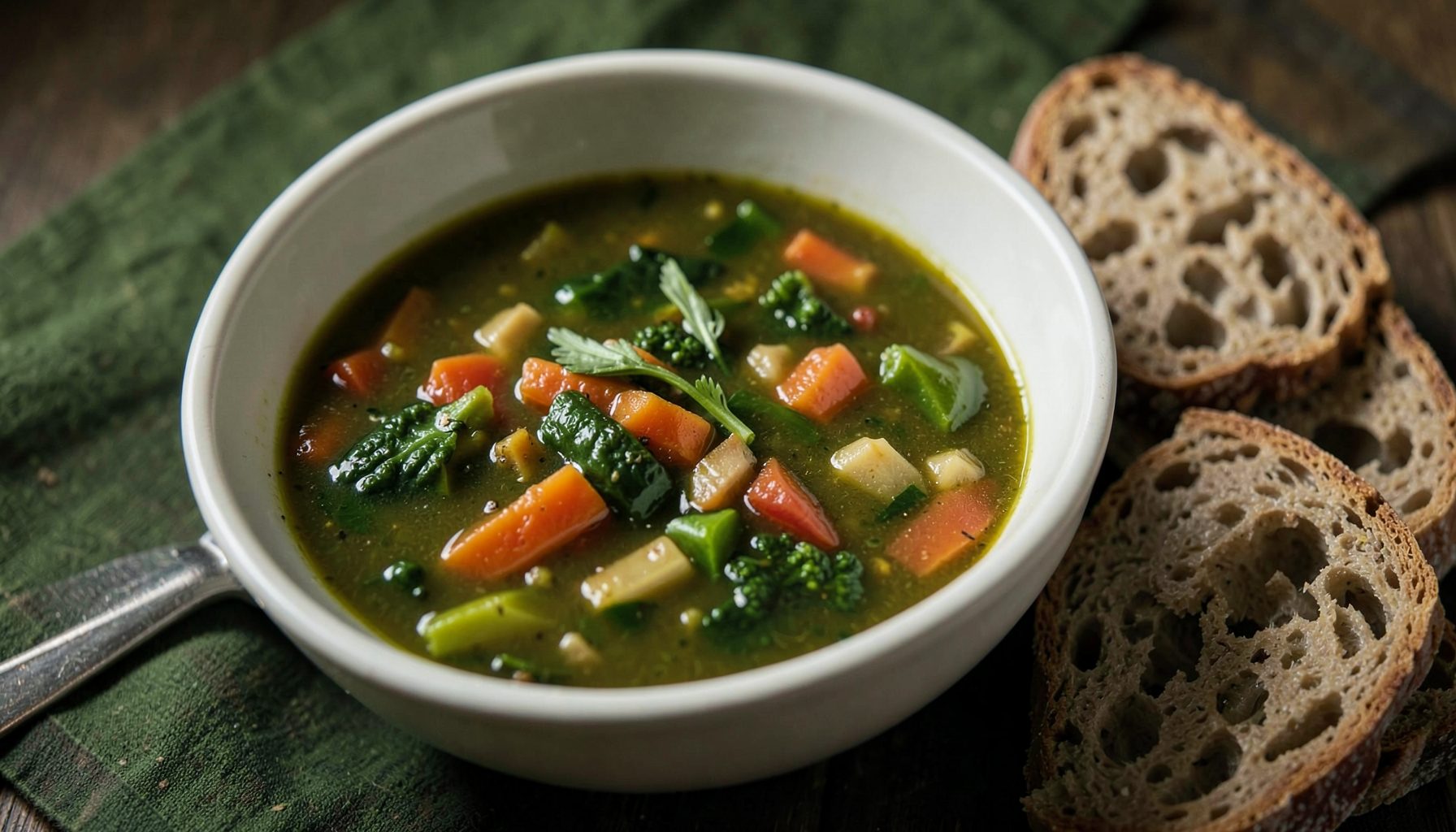
Think about texture as well as flavor. A crisp, bubbly drink can contrast with a soft dip or creamy soup. A stirred, spirit-forward cocktail may be better with a small plate of nuts, olives, or aged cheese. Matching every flavor exactly is unnecessary; a pleasant contrast often makes the meal more interesting.
Stock A Citrus-Friendly Home Bar
You can build excellent drinks without a large collection of bottles. Choose one spirit you enjoy, one complementary liqueur, and a few mixers that give you flexibility. Gin, tequila, rum, bourbon, and vodka each open different doors, but there is no need to buy them all at once.
Keep fresh citrus at room temperature for a few days if you plan to use it quickly, then refrigerate it to extend its life. Store cut fruit in a sealed container and use it promptly. Save clean peels in the freezer for future garnishes, infused syrups, or a quick aromatic twist.
A small bottle of bitters, a jar of honey, and a container of good salt can make a bigger difference than a crowded shelf of specialty ingredients. Sparkling water, ginger beer, tonic, and a few fresh herbs provide additional ways to stretch the same citrus and spirit combination.
For a savory meal, pantry ingredients can inspire the drink as much as the food itself. A lemony cocktail with ginger pairs beautifully with a quick curry, such as this speedy chickpea curry, where bright acidity cuts through the warmly spiced sauce and creamy chickpeas.
Keep These Bar Habits Close
- Juice only what you expect to use, and refrigerate any extra in a sealed jar.
- Chill glassware ahead of time so the drink stays cold without excessive dilution.
- Taste the citrus before mixing, since acidity and sweetness vary from fruit to fruit.
- Use fresh ice for serving after shaking or stirring.
- Garnish with an ingredient that reinforces the cocktail’s aroma rather than simply decorating the glass.
Make The Drink Your Own
The best fresh-citrus cocktail is one that reflects the season, the meal, and your own palate. Begin with a dependable ratio, then explore: add a little rosemary to grapefruit, swap honey for sugar in a lemon sour, or top lime and rum with sparkling water for an easy afternoon drink.
Gather a few pieces of fruit, chill your glasses, and make one drink slowly enough to taste each stage. Browse Rich and Sweet by Bia Rich for more kitchen inspiration, then bring that same curiosity to your bar. A bright squeeze, a well-chosen spirit, and a thoughtful final garnish are often all it takes to turn an ordinary evening into something worth savoring.