Bia's guide to pairing rosé with grilled vegetables and light pastas
There's a particular pleasure in opening a bottle of chilled pink wine while the barbecue is already smoking and the kitchen is full of good smells. In Australia, where the warm months stretch from November through March and the outdoor table is the real dining room for half the year, rosé has earned its place as the most flexible bottle in the cooler. It slips alongside grilled vegetables without smothering them, it lifts a simple pasta into something brighter, and it asks very little of the cook beyond keeping it cold.
After two decades cooking in New York kitchens and another stretch writing from a small kitchen in North Carolina, I've learned that pairing is less about rigid rules and more about listening to the food. Rosé rewards that listening. It carries enough fruit and acidity to stand up to charred eggplant and sweet capsicum, yet it stays gentle enough to share a bowl with cherry tomatoes and fresh basil. The notes below come from years of pouring pink wine next to whatever came off the grill or out of the pot, with a particular eye toward what grows and what people cook during a long Australian summer.
Why rosé works with summer produce
Rosé sits in a useful middle ground between white and red. The brief skin contact with red grapes gives it structure and a hint of tannin, while the fermentation at cooler temperatures preserves the bright fruit and acidity that we want next to ripe tomatoes, sweet corn, and tender zucchini. When vegetables hit a hot grill, their natural sugars caramelise and their smoky notes deepen. A rosé with enough freshness cleanses the palate after those richer bites, while a touch of berry or melon in the wine echoes the sweetness of the produce itself.
Australian summers deliver some of the most flavour-dense vegetables of the year, and the local habit of grilling outdoors means those flavours arrive with a beautiful char. A bottle from the Adelaide Hills or the Yarra Valley, made from Pinot Noir or Sangiovese, often carries red fruit and a clean mineral edge that pairs naturally with that combination of smoke and sweetness.
Choosing the right rosé style for the plate
Not every pink wine behaves the same way at the table. Provençal-style rosés, usually pale and bone dry, are the most delicate and work beautifully with subtly sweet vegetables like grilled asparagus or a pea and mint pasta. Australian rosés tend to be a little riper and fuller, often built on Shiraz or Grenache, which makes them sturdy enough for heartier fare like grilled sausages or eggplant parmigiana. Tasmanian rosés from Pinot Noir bring a sharper, more mineral profile that suits seafood pastas and herbed chicken.
When choosing a bottle, look for the vintage and the region on the label. Australian wine labels must carry a standard drinks measure and the percentage of alcohol by volume, which gives a quick clue about body. Anything under 12.5% usually leans lighter and more delicate, while bottles closer to 14% tend to feel richer and more substantial. A wine marked with a specific geographic indication, such as McLaren Vale or the Mornington Peninsula, tells you the grapes came from that place and often reflects a particular house style worth exploring.
Grilled vegetables that sing with rosé
Eggplant, zucchini, capsicum, and asparagus are the reliable backbone of a summer grill, and each one asks something slightly different from the wine. Eggplant loves a rosé with a little more weight, something with a whisper of red fruit that can match its creamy, smoky depth. Zucchini and summer squash, which take on a sweet nuttiness over the coals, are happy with a lighter, crisper pour. Red capsicum turns jammy and sweet when charred, and pairs especially well with a rosé that has a touch of Grenache in the blend.
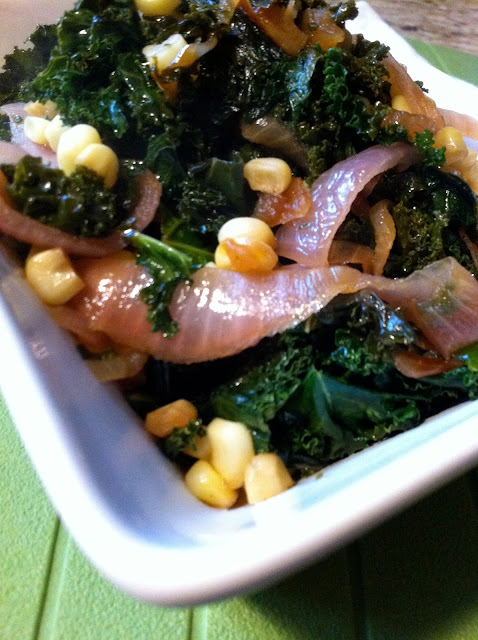
Quick-pickled peppers make a brilliant side for any rosé-forward plate, adding tang and crunch that cut through richer grilled mains. Onions, halved and left in their skins until they collapse into soft sweetness, are another dependable partner. If you're grilling mushrooms, choose a rosé with a bit more earthiness, perhaps from a cooler Australian region, so the umami notes have something to mirror in the glass.
Light pastas built for a chilled pink pour
Pasta at this time of year should feel effortless. A bowl of cacio e pepe, made with good pecorino and plenty of black pepper, is surprisingly wine-friendly because the peppery heat and the salty cheese both love a fruity rosé with enough acidity. Pasta with cherry tomatoes, garlic, and a generous handful of torn basil is another classic, and one that asks the wine to bring the fruit while the tomatoes bring the acid. Lemon pasta, finished with olive oil and parmesan, is a gentle canvas that lets a delicate Provençal-style rosé shine without competition.
For heartier appetiser plates that lead into a pasta course, consider the way a rosé bridges the table. The same bottle poured with grilled vegetables, a chickpea and herb salad, or a simple bruschetta creates a flow that feels intentional without being fussy. Building the meal around a single bottle is one of the kindest things a host can do for both the cook and the guest.
Australian seasonality and what to buy now
Australian seasons run opposite to those in the Northern Hemisphere, which means January and February are peak summer in Sydney, Melbourne, and Brisbane, and the markets overflow with tomatoes, stone fruit, sweet corn, and zucchini. The Adelaide Central Market, the Queen Victoria Market in Melbourne, and the Eveleigh Farmers Markets in Sydney all stock produce that has been picked within a day or two, and that freshness is exactly what rosé was built for. Shopping with the seasons also means the vegetables have more natural sugars and the wine pairing does half the work for you.
Australian barbecue culture, often called the barbie, leans heavily on lamb chops, sausages, prawns, and an abundance of vegetables. A bottle of local rosé fits right into that tradition, especially when served in stemless glasses outdoors while the coals are still glowing. Look for wines from regions such as the Barossa Valley, McLaren Vale, the Adelaide Hills, Margaret River, or Tasmania, where many growers are now crafting rosés that rival the best from Provence in structure and freshness.
A simple rule for matching intensity
The most useful pairing principle I've learned is to match the weight of the wine to the weight of the food. A pale, lean rosé wants delicate dishes: grilled white fish, a pasta with peas, a salad of raw shaved vegetables. A deeper, more structured rosé can handle grilled lamb, eggplant, or a pasta with sausage and tomato. When in doubt, choose the wine that feels closer in colour to the dish on the plate. A very pale salmon-pink wine next to deeply charred vegetables will taste thin, while a rich, almost-red rosé next to a light lemon pasta will taste heavy and out of place.
Temperature matters as much as the bottle itself. Rosé should be served chilled, somewhere between 8 and 12 degrees Celsius, so it holds its fruit and acidity. Pull it out of the fridge about fifteen minutes before pouring, and keep the bottle in a bucket of ice and water on the table if the afternoon runs long. Even the best bottle loses its charm when it warms up in the sun.
Putting it together at the table
A relaxed Australian lunch is one of the great pleasures of the season, and the wine should never feel like work. Start with a chilled bottle, a bowl of olives, and some quick-pickled peppers on the table while the grill heats up. Move into grilled vegetables and a simple pasta as the meal unfolds, pouring the same rosé throughout. End with something light, perhaps strawberries and cream, and pour the last glass alongside.
If you want to bring a touch of richness to the table without breaking the flow of the meal, a small cheese course or a simple buttery biscuit, made with cold butter and finished with flaky salt, can sit happily next to a glass of rosé if the biscuit is plain enough to let the wine lead.
| Rosé style | Typical profile | Best with grilled | Best with pasta |
|---|---|---|---|
| Provençal-style (dry, pale) | Delicate red fruit, mineral, high acidity | Asparagus, zucchini, white fish | Cacio e pepe, lemon pasta, peas and mint |
| Australian Grenache-based | Strawberry, watermelon, soft spice | Eggplant, red capsicum, lamb | Tomato and basil, sausage ragù |
| Pinot Noir (Tasmania, Yarra Valley) | Cherry, rose petal, bright acid | Mushrooms, prawns, chicken | Seafood pasta, herbed ricotta |
| Shiraz-based (Barossa, McLaren Vale) | Raspberry, white pepper, fuller body | Sausages, beef, charred onions | Spicy arrabbiata, bolognese |
Practical pointers for your next gathering
- Choose one bottle style and pour it through the entire meal to keep things simple and let the wine settle into the table.
- Chill the rosé thoroughly before guests arrive, and offer a small ice bucket so glasses stay cold on a warm afternoon.
- Grill vegetables while they are still slightly damp, so the char sets in quickly and the centres stay juicy.
- Finish pasta dishes with a generous pour of good olive oil and a handful of fresh herbs to echo the fruit in the wine.
- Shop the market for what is most ripe that morning, and let the produce guide the shape of the meal rather than the other way around.