

Bia’s Tips for Choosing Olive Oil for Cooking and Dressing
Olive oil can be the quiet foundation of a meal or the flavor that makes it memorable. A good bottle brings peppery freshness to a salad, rounds out a soup, helps vegetables caramelize, and gives bread a fragrant, savory finish. The best choice depends less on finding one universally perfect oil than on matching its character to the food and the way you plan to use it.
After two decades in New York City restaurants, along with years of cooking from a garden and pantry in the North Carolina countryside, I have learned to treat olive oil as an ingredient rather than a generic cooking fat. Origin, harvest freshness, processing, and storage all matter, yet choosing well does not require a degree in olive cultivation.
The label offers useful clues, but your senses and cooking habits matter just as much. A bold, grassy oil may be wonderful over beans and grilled steak, while a gentle, buttery oil is better suited to delicate fish or a simple vinaigrette. Once you know what to look for, selecting olive oil becomes an enjoyable part of planning a dish.
Start With Extra Virgin Olive Oil
Extra virgin olive oil is the highest recognized grade of olive oil and is produced without chemical refining. It must meet standards for acidity and sensory quality, which means it should smell and taste fresh, clean, and distinctly olive-like. Flavors can range from green tomato and cut grass to ripe fruit, herbs, almond, and black pepper.
For most home kitchens, extra virgin olive oil is the most useful bottle to keep on hand. It works in salad dressings, marinades, sauces, roasted vegetables, sautéed greens, soups, and many baking recipes. Its flavor compounds can bring depth to a dish even when the oil is heated, so it should not be reserved only for finishing.
Virgin olive oil is also mechanically extracted but allows some sensory imperfections and generally has a milder or less polished profile. Refined olive oil has been processed to remove defects and has a more neutral flavor. It can be practical for high-volume cooking or when you want the other ingredients to lead, but it will not provide the same fresh, fruity character as extra virgin oil.
Read The Bottle Beyond The Front Label
Look for a harvest date whenever possible. A best-before date is helpful, but it may extend well beyond the period when the oil tastes lively. Olive oil is freshest soon after harvest, and many bottles list the harvest season rather than a single day. As a general habit, buy an amount you can use within several months after opening instead of keeping a large container for years.
The country of origin can tell you where the olives were grown, while phrases such as “packed in” may describe only where the oil was bottled. Single-origin oils and oils carrying a protected designation often provide more specific information about their source. A reputable producer should make it easy to identify the estate, cooperative, region, or blend.
Packaging matters because light, heat, and air gradually flatten olive oil’s aroma and flavor. Choose a dark glass bottle, opaque container, or metal tin rather than clear glass displayed under bright store lights. A secure cap and a bottle size suited to your household are practical details that help protect quality after purchase.
Match The Oil To The Dish
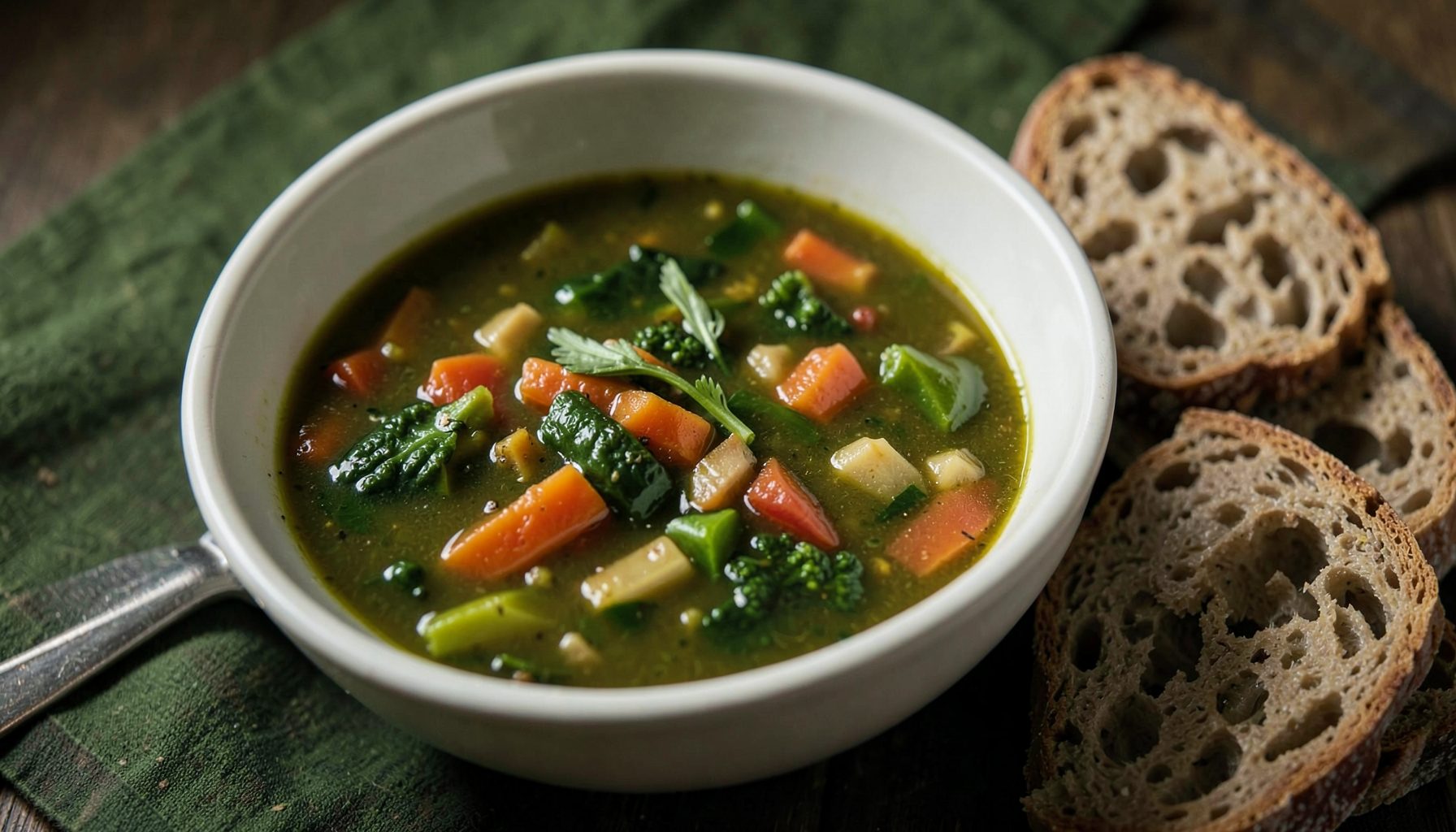
A peppery, robust olive oil has enough personality to stand up to bitter greens, roasted cauliflower, lentil soup, grilled meats, beans, and crusty bread. These oils can taste pungent when sampled alone, but that peppery sensation often becomes balanced when combined with hearty or earthy ingredients. Use them as a final drizzle when you want the oil to announce itself.
Medium-bodied oils are versatile choices for everyday sautéing, roasting, pasta, grain bowls, and vinaigrettes. They add recognizable olive flavor without taking over the plate. Mild oils, with softer fruitiness and little bitterness, suit delicate seafood, tender greens, cakes, muffins, and recipes where a strong herbal note would distract from the main ingredient.
A dressing is an especially good place to use an oil you enjoy tasting on its own. Start with three parts olive oil to one part vinegar or lemon juice, then adjust with salt, mustard, herbs, or honey. For a simple salad, the oil should soften acidity and carry the seasoning across every leaf. For a composed dish, consider whether its fruitiness, bitterness, or peppery finish supports the other flavors.
| Olive oil style | Flavor character | Best uses | What to look for |
|---|---|---|---|
| Robust extra virgin | Peppery, grassy, bitter, intensely fruity | Beans, roasted vegetables, soups, grilled meats, bread | Fresh harvest, strong aroma, dark packaging |
| Medium extra virgin | Fruity, herbal, balanced | Everyday sautéing, pasta, salads, marinades | Versatile regional or blended oil |
| Mild extra virgin | Soft, buttery, lightly fruity | Fish, delicate vegetables, baking, gentle dressings | Freshness without harshness |
| Refined olive oil | Neutral, light, little aroma | General cooking when a subtle flavor is preferred | Clear labeling and sound storage |
| Infused olive oil | Olive flavor combined with herbs, citrus, or chili | Finishing, dipping, special dressings | Natural ingredients and a fresh use-by date |
Taste Olive Oil Like An Ingredient
You do not need a formal tasting room to assess a bottle. Pour a small amount into a cup, warm it gently in your hands, and smell it before tasting. Fresh extra virgin olive oil may suggest green fruit, herbs, leaves, artichoke, tomato, or ripe almond. These aromas should feel clean and inviting rather than flat.
Take a small sip and let the oil move across your palate. Notice fruitiness first, then bitterness, and finally the tingling or peppery sensation at the back of your throat. Bitterness and pungency are not automatically faults; they often indicate lively flavor and naturally occurring phenolic compounds. The right balance depends on your preference and the food you plan to cook.
Be cautious with aromas of crayons, stale nuts, vinegar, fermented fruit, or damp cardboard. Those notes may indicate age, poor storage, or a defect. A supermarket sample cannot always be tasted, so begin with a smaller bottle from a producer with transparent sourcing. Once you discover a style you like, you can purchase a larger format with greater confidence.
Use Heat With Confidence
Extra virgin olive oil is suitable for many everyday cooking methods, including sautéing, roasting, baking, and pan-frying. Its performance depends on the specific oil, the pan, the amount used, and how long it is heated. Instead of treating a single smoke-point number as a strict boundary, avoid allowing the oil to smoke continuously. Smoke signals that the oil is overheating and its flavor is deteriorating.
For medium-heat cooking, add the oil to the pan as it warms or just before the ingredients go in. If a pan is already smoking, lower the heat and let it cool briefly before adding oil. High heat is usually better managed with a suitable pan, moderate timing, and ingredients that are not excessively wet, rather than by relying on an oil to tolerate neglect.
Olive oil also works beautifully in baking when its fruity character complements the recipe. It can give cakes and quick breads a tender crumb and subtle richness. In a breakfast recipe such as fluffy buttermilk pancakes, a neutral or mild olive oil can support the batter without competing with the tang of buttermilk.
Store It Like Fresh Produce
Treat olive oil as perishable. Keep it in a cool, dark cupboard away from the stove, oven, dishwasher, and sunny windows. Heat from a range can shorten its useful life even when the bottle is closed. A countertop cruet may look attractive, but it is best used only for a small working amount that will be replenished frequently.
Close the cap firmly after each use. Oxygen enters the bottle every time it is opened, and a loose cap accelerates oxidation. Do not transfer oil into a decorative clear bottle unless you use it quickly and keep it away from light. If you enjoy pouring oil at the table, refill a small opaque cruet rather than exposing your whole supply.
Pay attention to changes in aroma and taste. Old oil may smell dull and taste greasy, stale, or waxy rather than fresh and fruity. It is not usually dangerous simply because it is past its prime, but it will make food taste tired. Use a fresh bottle for finishing and reserve an older, still-clean bottle for cooking if its flavor remains acceptable.
Build A Small Olive Oil Collection
A thoughtful pantry does not need a dozen oils. Two bottles can cover most needs: a dependable medium-bodied extra virgin oil for cooking and dressings, plus a more expressive finishing oil for salads, soups, grilled vegetables, and bread. If you bake often or prepare delicate seafood, a mild oil can take the place of the everyday bottle.
Consider buying regional oils as you would wine. An oil from Greece may offer green, herbal intensity; an Italian oil may show artichoke, almond, or pepper; a Spanish oil may bring ripe fruit and a rounded bitterness. These descriptions are broad rather than absolute, since cultivar, harvest time, climate, and milling determine the final taste.
A finishing oil deserves to be used, not preserved indefinitely. Drizzle it over a bowl of white beans, a pot of soup, roasted squash, or a plate of sliced tomatoes. It can also lend character to sweet applications. When I am planning a meal that ends with something special, I like to browse the seasonal choices in the dessert collection and think about whether a fruity olive oil might complement citrus, chocolate, fruit, or warm spices.
Practical Buying Habits That Pay Off
Use these simple habits when shopping and cooking:
- Choose the freshest harvest date available and buy a bottle you can finish within a few months.
- Prefer dark glass, an opaque container, or a tin, and avoid bottles sitting beneath strong store lighting.
- Keep a balanced everyday oil for cooking and a flavorful finishing oil for dressings and drizzling.
- Taste a new oil with bread or a plain vegetable before deciding where it belongs in your recipes.
- Store every bottle tightly closed in a cool, dark cupboard away from heat.
Good olive oil is ultimately about attention: attention to the harvest, the producer, the way the bottle is stored, and the flavors already present in your food. The advice and kitchen perspective shared through Bia’s story come from that same belief that thoughtful cooking begins with understanding ingredients.
The next time you shop, read the harvest information, choose packaging that protects freshness, and select a flavor profile that suits the meals you make most often. Then open the bottle soon, taste it deliberately, and let it become part of your everyday cooking rather than an item saved for a special occasion. A well-chosen olive oil can turn a simple salad, soup, roasted vegetable, or slice of bread into food worth lingering over.