


Bia’s Tips for Growing Your Own Salad Greens in a Small Garden
A small garden can produce an impressive amount of salad, especially when you grow leaves instead of waiting for large, space-hungry vegetables. Lettuce, arugula, mustard greens, spinach, mizuna, and baby kale mature quickly, fit neatly into containers, and can be harvested a little at a time. With a few thoughtful choices, even a sunny balcony, narrow side yard, or patch beside the kitchen door can become a dependable source of fresh greens.
Homegrown salad leaves taste different from packaged greens. They are crisp, tender, and full of the clean, peppery, earthy flavors that make a simple bowl memorable. Harvesting just before dinner also gives you more freedom to cook seasonally, using what is ready rather than building every meal around a grocery list.
My approach to gardening comes from the same place as my cooking: pay attention to ingredients, respect their timing, and keep the process practical. You can find more seasonal kitchen inspiration on Rich and Sweet, where garden produce often becomes part of an easy, generous meal.
Choose Greens That Suit Your Space
Start by measuring the growing area and noticing how much direct sunlight it receives. Most salad greens prefer three to six hours of sun, with leafy crops generally tolerating a little more shade than tomatoes or peppers. In hot climates, afternoon shade can be an advantage because it slows bolting, the process that sends a plant into flower and makes its leaves more bitter.
For a small plot, choose compact and quick-growing varieties. Loose-leaf lettuce can be harvested repeatedly, while baby spinach, arugula, and mustard greens are ready in a few weeks. Mesclun mixes are useful when you want several flavors in one container, but check the seed packet carefully: a mix containing fast-growing mustard may crowd out slower lettuce.
Think about flavor as well as yield. Mild butter lettuce creates a soft, delicate base; arugula contributes peppery heat; red-veined sorrel brings a lemony note; and mizuna adds a feathery texture with gentle spice. A combination of colors and leaf shapes makes even a simple side salad look composed.
Build A Productive Small Bed
Healthy soil is the foundation of a productive salad garden. Greens have shallow roots, so they need loose, moisture-retentive soil near the surface. Before sowing, work in finished compost and remove stones or compacted clumps. Avoid adding large amounts of fresh manure, which can damage young roots and introduce unwanted pathogens.
If you are growing in containers, use a quality potting mix rather than garden soil. A container at least six inches deep is suitable for many baby greens, while eight to ten inches gives lettuce and spinach more room to develop. Make sure every pot has drainage holes. A decorative container without drainage can turn a healthy root system into a waterlogged one after a single rainy day.
Raised beds, window boxes, and shallow wooden crates can all work well. Place containers where you will see them often, because convenience encourages regular watering and harvesting. A salad planter near the back door is more useful than a larger bed at the far end of the property that is easy to forget.
Sow In Small, Regular Batches
The most reliable way to keep fresh leaves coming is succession planting. Instead of sowing an entire packet at once, plant a short row or small section every one to three weeks during the appropriate growing season. When the first patch is ready to harvest, the next one is developing, and a third is just beginning.
Scatter seeds thinly across moist soil, then cover them according to the packet instructions. Many salad seeds need only a light dusting of soil. Press the surface gently so the seeds make good contact with the soil, and water with a fine spray that will not wash them into a corner of the bed.
Once seedlings appear, thin them if they are crowded. It can feel wasteful to remove healthy sprouts, but adequate spacing improves airflow and gives each plant enough light. The tiny thinnings need not go to waste; rinse them carefully and add them to a sandwich, soup, or first salad.
Water, Shade, And Harvest With Care
Consistent moisture matters more than occasional heavy watering. Check the top inch of soil with your finger and water when it feels dry. Aim the water at the base of the plants in the morning, allowing the leaves to dry during the day. A light layer of straw, shredded leaves, or fine compost can help the soil stay cool and moist.
Heat is the main reason many greens turn bitter or bolt. In warm weather, use shade cloth, a nearby taller crop, or a container that receives morning sun and afternoon protection. If lettuce begins to stretch upward or develop a central stalk, harvest it promptly. The leaves may still be useful in a cooked dish, even if they are no longer ideal for a delicate raw salad.
Harvest by taking the outside leaves first and leaving the center intact. For baby greens, use clean scissors to cut the leaves an inch above the soil. Avoid stripping an entire plant unless it has reached the end of its useful life. Harvesting little and often keeps the plant productive and gives you the freshest texture.
Match Greens To The Season
Cool-weather greens are usually easiest for beginners. Lettuce, spinach, arugula, cilantro, and mustard greens thrive in spring and fall, when temperatures are moderate. In regions with mild winters, many can continue producing through the colder months with protection from frost.
Summer calls for a different strategy. Plant heat-tolerant lettuce varieties, grow more New Zealand spinach or Malabar spinach if they suit your climate, and use shade to protect tender leaves. Herbs such as basil, dill, parsley, and chives can fill the same small garden while adding fragrance and structure to a salad bowl.
Timing changes from one garden to another, so keep brief notes. Record when you sowed, how quickly the seedlings emerged, and when the plants became bitter or bolted. Your own observations will soon become more useful than a general calendar because they reflect your soil, exposure, rainfall, and local temperatures.
| Green | Best Growing Window | Flavor And Texture | Small-Space Tip |
|---|---|---|---|
| Loose-leaf lettuce | Spring and fall | Mild, tender, crisp | Harvest outer leaves repeatedly |
| Arugula | Cool spring and fall | Peppery and lively | Sow small amounts often |
| Baby spinach | Early spring and fall | Earthy, soft, rich | Give it fertile, moist soil |
| Mizuna | Spring, fall, and mild winter | Delicate with gentle spice | Excellent in containers |
| Mustard greens | Cool seasons | Bright, spicy, assertive | Mix with mild lettuce |
| Baby kale | Spring and fall | Firm, mineral, slightly sweet | Pick young leaves for salads |
Protect A Healthy Crop
Young salad plants attract slugs, snails, flea beetles, aphids, and sometimes rabbits. Inspect the leaves regularly, especially beneath them and around the soil line. Early intervention is easier than trying to rescue a heavily damaged crop. Handpick larger pests, remove badly affected leaves, and keep weeds under control so pests have fewer hiding places.
Fine insect netting can protect seedlings from flying pests without relying on harsh chemicals. Make sure the cover is secured at the edges and raised high enough that it does not press against the plants. For rabbits and other nibbling visitors, a simple mesh barrier is usually more effective than trying to discourage them with scent-based remedies.
Clean harvesting scissors between beds when disease has appeared, and remove spent plants promptly. Do not compost diseased leaves unless your compost reaches a reliably high temperature. Good airflow, clean tools, sensible spacing, and careful watering prevent many problems before they begin.
Turn A Harvest Into A Meal
Fresh greens deserve simple treatment. Wash them in cool water, spin or pat them dry, and dress them shortly before serving. A balanced vinaigrette needs salt, acid, fat, and enough time for the flavors to meet. Start with olive oil, lemon juice or vinegar, salt, and black pepper, then adjust according to the bitterness and tenderness of the leaves.
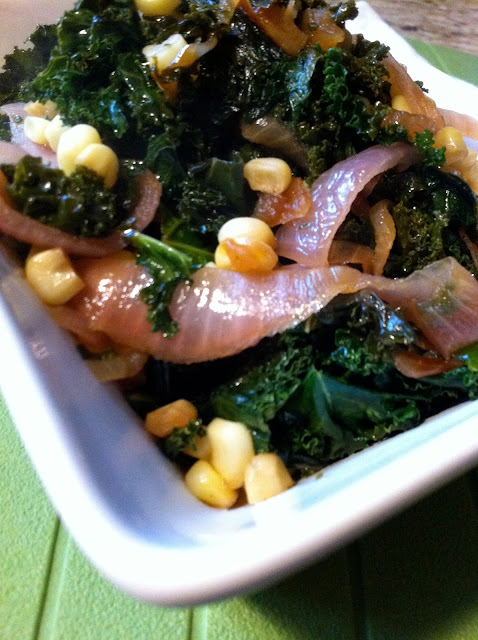
Use contrasts to make a small harvest satisfying. Pair soft lettuce with toasted seeds, crisp radishes, creamy avocado, roasted vegetables, or a sharp cheese. Peppery arugula benefits from sweet citrus or ripe pear, while sturdy baby kale welcomes a warm dressing that slightly relaxes its texture.
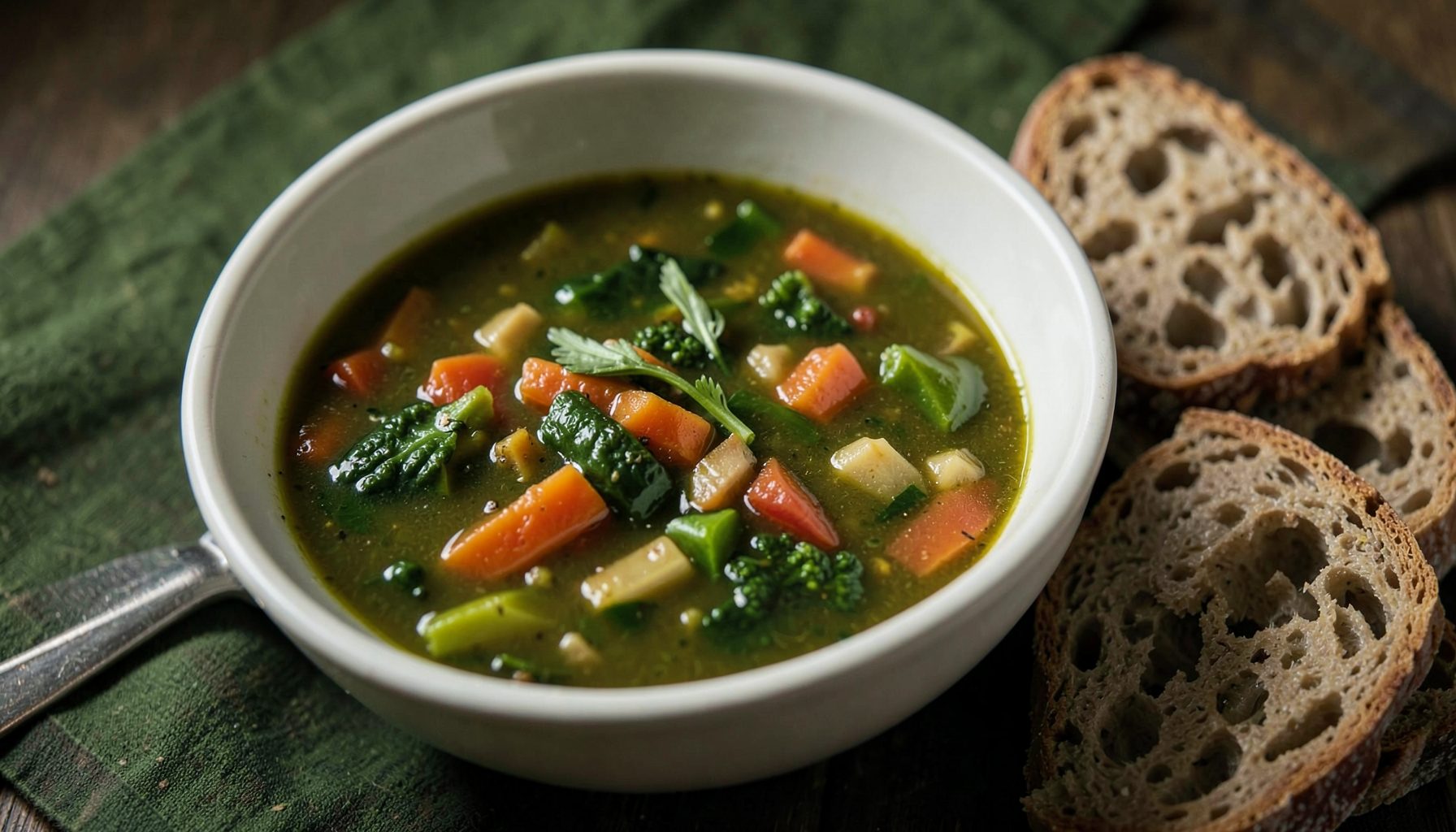
Greens can move beyond the salad bowl. Fold them into eggs, blend them into a herb sauce, add them to a sandwich, or stir them into a pot of soup at the end of cooking. The recipes and ideas in soups, sandwiches, and breads offer especially useful ways to make a small harvest part of a larger, comforting meal.
Simple Habits For A Steady Harvest
A productive salad garden depends less on size than on rhythm. Spend a few minutes each morning checking moisture, looking for pests, and noticing which plants are ready to pick. Those small observations prevent large problems and help you harvest at the best moment.
Keep spare seeds in a cool, dry place so you can resow an empty section without delay. When a patch finishes, pull it, refresh the soil with compost, and plant another crop suited to the current weather. This continuous cycle keeps the garden useful instead of leaving one harvest followed by a long empty stretch.
- Plant small amounts every one to three weeks instead of sowing everything together.
- Grow at least one mild green, one peppery green, and one colorful variety.
- Water deeply and consistently, preferably in the morning.
- Harvest outer leaves often to encourage continued production.
- Keep a simple garden record of sowing dates, weather, and plant performance.
Gardening knowledge grows through attention, and so does cooking knowledge. Bia Rich’s kitchen story reflects the value of combining family traditions, professional experience, seasonal ingredients, and the practical lessons learned from growing food close to home.
Begin with one container or a narrow row of lettuce and arugula. Sow a second batch before the first is finished, then gather a handful of leaves for dinner while they are still cool from the garden. That small habit can turn an ordinary meal into something fresher, more personal, and distinctly your own.