



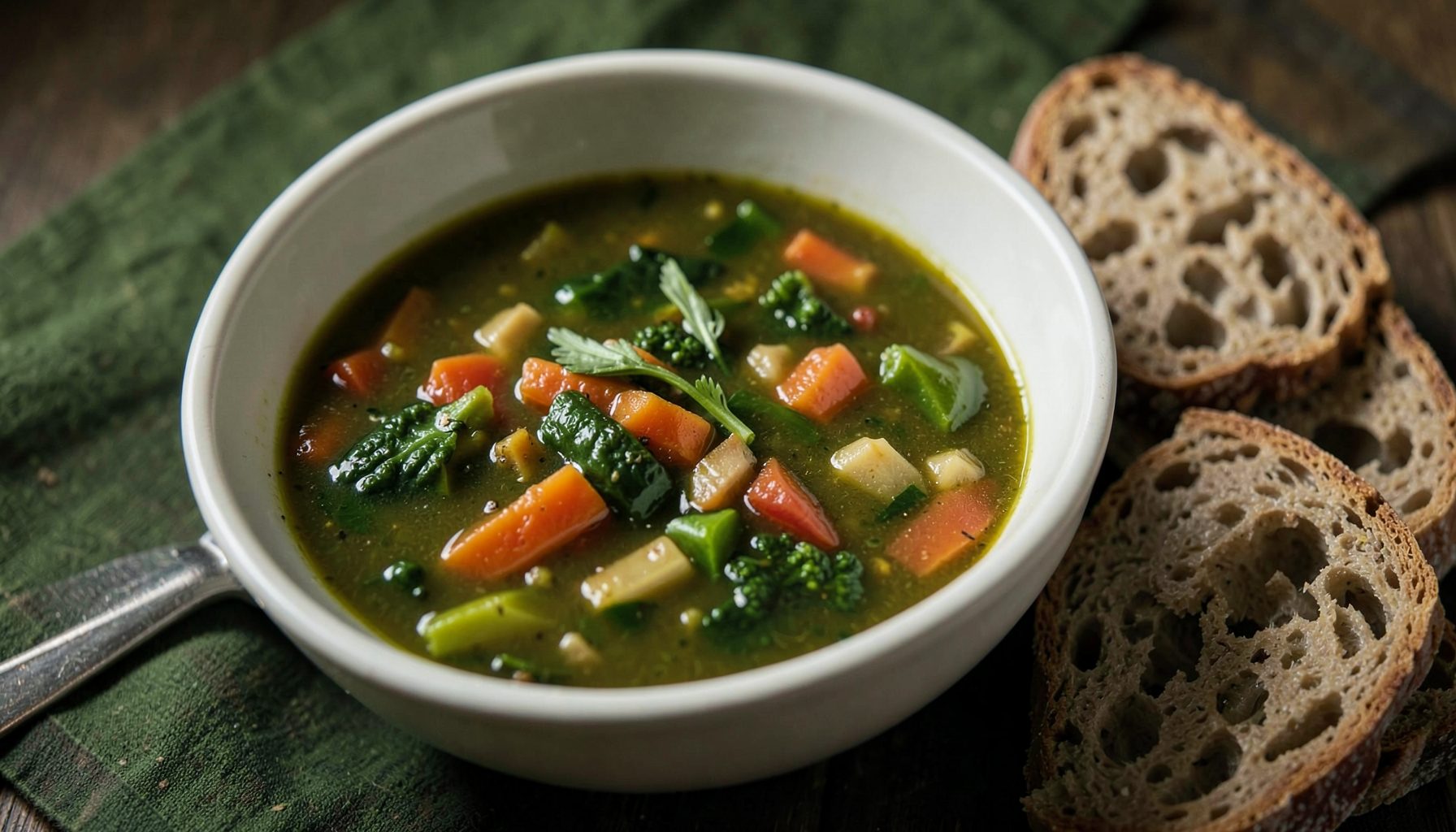
How to Build a Deeply Flavoured Vegetable Stock from Kitchen Scraps
A good vegetable stock is one of the most useful things in a home kitchen. It turns onion skins, herb stems, carrot ends and mushroom trimmings into a savoury liquid for soups, sauces, risotto, grains and braises. The result should taste clean and rounded, with enough depth to support a dish without overwhelming it.
The best scraps are fresh, aromatic and free from mould, soil and excessive bitterness. Stock is not a place to throw every leftover into the pot. A few thoughtful choices create a far better flavour than a crowded mixture of random vegetables.
This approach suits the Australian kitchen particularly well. In summer, a trip to a farmers’ market in Melbourne, Sydney or Brisbane can bring home bunches of herbs, leafy greens and young carrots with plenty of edible stems. In cooler regions, sturdy vegetables from the local greengrocer can provide the foundation for a warming pot of soup or a rich gravy.
Making stock also fits naturally into everyday food habits: save trimmings in a freezer container, cook a batch when the container is full, and cool it promptly before storing. The process is simple, economical and practical, especially when fresh produce is expensive or you are trying to reduce household food waste.
Choose scraps that bring savoury depth
Onion ends, shallot skins, leek greens and garlic peels are excellent stock ingredients. Their papery skins add colour, while the inner trimmings provide sweetness and a gentle allium flavour. Rinse scraps first if they carry dirt, and remove any sections that are bruised, slimy or damaged.
Carrot peels and ends contribute sweetness, colour and a familiar earthy note. Celery leaves, fennel tops, parsley stalks, coriander roots and the stems of thyme or rosemary are also valuable. Mushroom stalks and clean trimmings bring umami, giving the broth a meatier impression without using animal products.
Use brassicas carefully. A small amount of broccoli stalk, cauliflower core or cabbage can work, but too much may make the stock sulphurous or muddy. Beetroot peel can turn the liquid a dramatic colour and dominate its flavour, while potato skins may cloud the broth. Strong scraps are best used sparingly, as accents rather than the main body.
Build a balanced freezer collection
Keep a labelled container or reusable freezer bag for stock scraps. Add carrot peel, onion layers, celery leaves, herb stalks, spring onion tops and mushroom stems as you cook. A two-litre container usually makes a manageable batch, and freezing the scraps prevents them from deteriorating before you have enough for the pot.
Do not add scraps that have touched raw meat juices, mould, excessive oil or heavily seasoned sauces. Very salty vegetables, such as olive brine-soaked trimmings, can make the finished stock difficult to use. Citrus peel is generally too bitter, and large quantities of tomato skin or capsicum seeds can give the broth a sharp, overpowering character.
Fruit and vegetable preparation can be planned together. For example, carrot tops can be separated from the root and used in a savoury sauce, while blemish-free apple or pear peel is better reserved for another recipe. Sweet dishes and baking ideas can be found in these dessert recipes, while the stock container should remain focused on clean, savoury flavours.
Roast the vegetables for a richer broth
For a light, delicate stock, place the scraps directly in a pot with cold water. For a darker and more intense version, roast the vegetables first. Spread the scraps over a tray, add a small splash of neutral oil, and roast at about 200°C until the onions, carrots and mushrooms develop golden-brown edges.
Roasting is particularly useful when the stock will be used in gravy, lentil soup, mushroom dishes or a hearty vegetable stew. It creates caramelised flavours through browning, but the vegetables should not be burnt. Blackened onion skins or bitter, charred carrot pieces can make the entire batch unpleasant.
A spoonful of tomato paste can be added to the roasting tray for extra savouriness, though it is optional. It should cook until it darkens slightly and smells sweet rather than raw. This gives the liquid a deeper colour and works well when you want a vegetable stock with the complexity of a brown stock.
Simmer gently and season with care
Place the prepared scraps in a large pot and cover them with cold water by a few centimetres. Add a bay leaf, a few peppercorns and perhaps a parsley stalk or thyme sprig. Start with modest quantities of herbs; the purpose is to support the vegetables, not to make the broth taste like a single herb.
Bring the pot slowly to a simmer, then reduce the heat so the surface barely moves. A hard boil breaks vegetables apart, clouds the liquid and can extract harsh flavours. Simmer for 45 minutes to an hour, tasting after the first half-hour. Very delicate scraps may need less time, while roasted mushrooms and sturdy roots can tolerate the longer end of the range.
Salt lightly, or leave the stock unsalted if you plan to reduce it later. This gives you flexibility when using it in risotto, pan sauces or soups that contain salty ingredients. A small amount of salt can help you assess the flavour, but the final seasoning should happen in the dish where the stock is used.
Strain, cool and store safely
When the flavour is developed, strain the stock through a fine sieve. Pressing the vegetables aggressively can force sediment and mush into the liquid, so let it drain naturally or press very gently. For an especially clear broth, strain it a second time through clean muslin or a coffee filter, though this is unnecessary for most everyday cooking.
Cool the stock quickly rather than leaving a large hot pot on the bench. Divide it into shallow containers, allow steam to escape briefly, then refrigerate once it has cooled. Australian food safety guidance emphasises keeping potentially hazardous food out of the temperature danger zone, so prompt chilling is important, particularly during a hot Queensland or Western Australian summer.
Refrigerated stock is best used within a few days. Freeze it in measured portions, ice cube trays or flat bags so you can thaw exactly what a recipe requires. Label each container with the date and whether the stock is light, roasted or seasoned. Frozen stock is convenient for quick weeknight meals in busy households, from Adelaide to Canberra.
Turn the stock into everyday meals
A mild vegetable broth can form the base of minestrone, pumpkin soup, noodle soup or a pot of pearl barley. Use roasted stock for onion gravy, mushroom ragù or a sauce for baked vegetables. It can also replace some of the water when cooking rice, quinoa, couscous or polenta, adding flavour from the very beginning.
For a silky soup, sweat fresh onion and garlic in olive oil, add a seasonal vegetable such as pumpkin, sweet potato or zucchini, then cover with stock and simmer until tender. Blend until smooth and finish with lemon juice, cream, yoghurt or a drizzle of good olive oil. The stock should make the vegetables taste fuller, not conceal their character.
It can also become the foundation for a more elaborate meal. Use it to loosen a pan sauce, moisten stuffing, cook beans or deglaze the tray after roasting. A particularly savoury batch pairs beautifully with roasted carrots and warming spices; this roasted carrot dip offers another way to celebrate the sweetness and depth of one of the most useful stock vegetables.
Adjust the flavour before serving
If the finished broth tastes thin, reduce it gently in a wide saucepan to concentrate its flavour. This is useful when creating a sauce, but be cautious if salt has already been added. If the stock tastes flat rather than weak, a few drops of lemon juice or mild vinegar can sharpen it without making it sour.
For extra umami, add a small piece of dried mushroom during the simmer, or stir in a little white miso after removing the pot from the heat. Tamari, soy sauce and nutritional yeast can also help, although they change the stock’s identity and may limit how it works in delicate recipes. Use these additions when you know the liquid is destined for a strongly flavoured dish.
A balanced stock has several layers: sweetness from roots and onions, savouriness from mushrooms and browned vegetables, freshness from herbs, and enough water to keep everything integrated. Once that balance becomes familiar, kitchen scraps stop looking like waste and start looking like ingredients waiting for a second life.