
How to Create a Custom Spice Blend for Roasted Vegetables
A sheet pan of roasted vegetables can be deeply savory, sweet, smoky, or bright depending on the seasoning scattered over it. The difference rarely comes from using an expensive ingredient. It comes from balancing salt, aroma, heat, bitterness, sweetness, and acidity so the blend supports the vegetables instead of covering their natural flavor.
A custom spice mix also gives you a practical way to cook with the seasons. Delicate zucchini and summer squash need a lighter touch than winter squash, cauliflower, or carrots. Earthy root vegetables welcome warm spices, while green beans and asparagus often benefit from citrus, herbs, and pepper.
The most useful approach is to think like a cook building a sauce. Begin with a sturdy foundation, add one or two defining flavors, and finish with something that brings lift. Once you understand that structure, you can make a small batch from the pantry whenever a tray of vegetables needs more character.
Start With The Vegetables
The vegetable itself should determine the direction of the seasoning. Sweet vegetables such as carrots, sweet potatoes, beets, and winter squash pair naturally with cinnamon, cumin, coriander, smoked paprika, ginger, and chili. Their sugars caramelize in the oven, creating a rich base for warm and earthy spices.
Brassicas, including broccoli, cauliflower, Brussels sprouts, and cabbage, can handle bolder flavors. Try mustard powder, fennel seed, garlic, black pepper, turmeric, or ground coriander. These vegetables develop roasted, slightly bitter edges, so a blend with citrus zest, sumac, or a splash of vinegar after cooking can bring welcome brightness.
For watery vegetables such as zucchini, eggplant, and tomatoes, keep the spice mixture relatively dry and restrained. Too much oil or too much powdered seasoning can make them soft and muddy. Dried oregano, basil, Aleppo pepper, garlic, and fennel create a Mediterranean profile, while cumin, coriander, and a little chile move the flavor toward North Africa or the Middle East.
Build A Balanced Flavor Base
A flexible roasted vegetable seasoning usually contains four layers: savory, aromatic, warm, and lively. Salt is essential, though it is best added with care because some ingredients, such as garlic salt, bouillon powder, cheese, and za’atar, already contain sodium.
For a basic blend, use two parts paprika or cumin as the main body, one part garlic powder, one part onion powder, one part dried herbs, and a smaller portion of black pepper or chile. This is only a framework. You can replace paprika with ground coriander, trade oregano for thyme, or use smoked salt when you want a campfire quality.
A little sweetness can help bitter vegetables brown more pleasantly. Ground cinnamon, sweet paprika, maple sugar, or a tiny pinch of brown sugar can work well, especially with carrots and squash. Use sweet ingredients sparingly; too much sugar can scorch before the vegetables become tender.
Acid usually belongs after roasting rather than in the dry blend. Lemon juice, sherry vinegar, rice vinegar, or pomegranate molasses wakes up roasted flavors at the table. Citrus zest can go into the spice mix because it adds fragrance without making the vegetables wet.
Choose Whole And Ground Spices
Ground spices distribute quickly and coat vegetables evenly, making them convenient for weeknight cooking. Cumin, coriander, paprika, turmeric, curry powder, and chili powder are especially useful in a homemade seasoning blend. Check their freshness by smelling the jar. If the aroma is faint or dusty, the spice will contribute little besides color.
Whole spices bring texture and a more pronounced fragrance. Fennel seed, cumin seed, coriander seed, mustard seed, and crushed peppercorns can be toasted briefly in a dry skillet, cooled, and ground. A mortar and pestle gives you control over the texture, while a spice grinder creates a finer powder.
Dried herbs need different treatment. Rosemary and thyme can withstand high oven heat, though large rosemary needles may burn if left exposed on the surface. Parsley, cilantro, and mint are better stirred in after roasting, when their fresh character remains intact. Consider keeping leafy herbs out of the blend and using them as a finishing garnish.
Fresh garlic and ginger are delicious, but they contain moisture and can burn during a long roast. Add them halfway through cooking, mix them into the oil, or save them for a finishing sauce. This small adjustment protects their flavor and prevents bitter browned bits.
Match Blend Styles To Roasting Plans
| Flavor direction | Core spices | Best vegetables | Finishing touch |
|---|---|---|---|
| Smoky and savory | Smoked paprika, cumin, garlic, black pepper | Potatoes, corn, cauliflower, mushrooms | Lime juice or scallions |
| Warm and earthy | Coriander, turmeric, ginger, cinnamon, cumin | Carrots, squash, sweet potatoes, parsnips | Yogurt or toasted nuts |
| Mediterranean | Oregano, fennel, garlic, paprika, thyme | Eggplant, tomatoes, zucchini, peppers | Lemon and feta |
| Bright and herbal | Sumac, dill, parsley, black pepper, mustard | Green beans, asparagus, broccoli, peas | Lemon zest or vinegar |
| Spicy and fragrant | Chili, coriander, cumin, cardamom, garlic | Cauliflower, chickpeas, cabbage, carrots | Tahini or fresh cilantro |
The blend should suit the cooking temperature and the size of the vegetables. A hot oven and small pieces encourage fast browning, so delicate ingredients such as dried mint, fennel fronds, or citrus peel may need to be added near the end. Larger chunks roast for longer and can handle more robust seasonings.
Oil plays an important part in seasoning distribution. Toss the vegetables with enough oil to create a thin sheen, then sprinkle on the spice mixture and toss again. Adding dry spices directly to a puddle of oil can create clumps, while sprinkling them over completely dry vegetables may leave some pieces bare.
Measure A Small Batch First
When developing a seasoning blend, start with a tablespoon or two rather than filling a jar. Small batches make it easy to correct the balance. Taste a pinch of the dry mixture, keeping in mind that salt and heat will seem softer once spread across vegetables and mellowed by roasting.
A useful starting ratio is four parts paprika, cumin, or coriander; two parts garlic or onion powder; two parts dried herbs; one part black pepper; and one-half to one part chile. Add salt separately so the blend can work with salted nuts, cheese, beans, or prepared sauces.
Write down the proportions once you find a combination you like. A small label with the date and ingredients is worthwhile, since whole spices and ground spices lose their fragrance at different rates. Store the mix in a tightly closed jar away from the stove, sunlight, and steam.
For a deeper flavor, toast whole spices before grinding, but do not toast already ground spices unless the recipe specifically calls for it. Ground spices can burn quickly. If a blend smells flat, add freshly ground black pepper, lemon zest, or a small amount of toasted seed rather than simply increasing every ingredient.
Use Salt, Heat, And Acidity Deliberately
Seasoning in stages creates greater control. Salt the vegetables lightly before roasting, add the spice blend with the oil, and taste once the vegetables are tender. A final pinch of flaky salt can sharpen caramelized edges, while a squeeze of lemon can make a rich tray feel lighter.
Chili heat should be chosen according to the entire meal. Cayenne gives clean intensity, crushed red pepper adds small bursts of heat, ancho chile contributes fruitiness, and Aleppo pepper offers a gentle warmth with a raisin-like flavor. Start modestly; it is easy to add heat at the table but difficult to remove it from a finished pan.
Think about contrast when deciding what to serve beside the vegetables. A creamy tahini sauce, cooling yogurt, sharp pickled onions, toasted seeds, or a handful of herbs can turn a simple side into a composed dish. Seasoned roasted vegetables also work beautifully folded into seasonal salads, where greens and vinaigrette provide freshness.
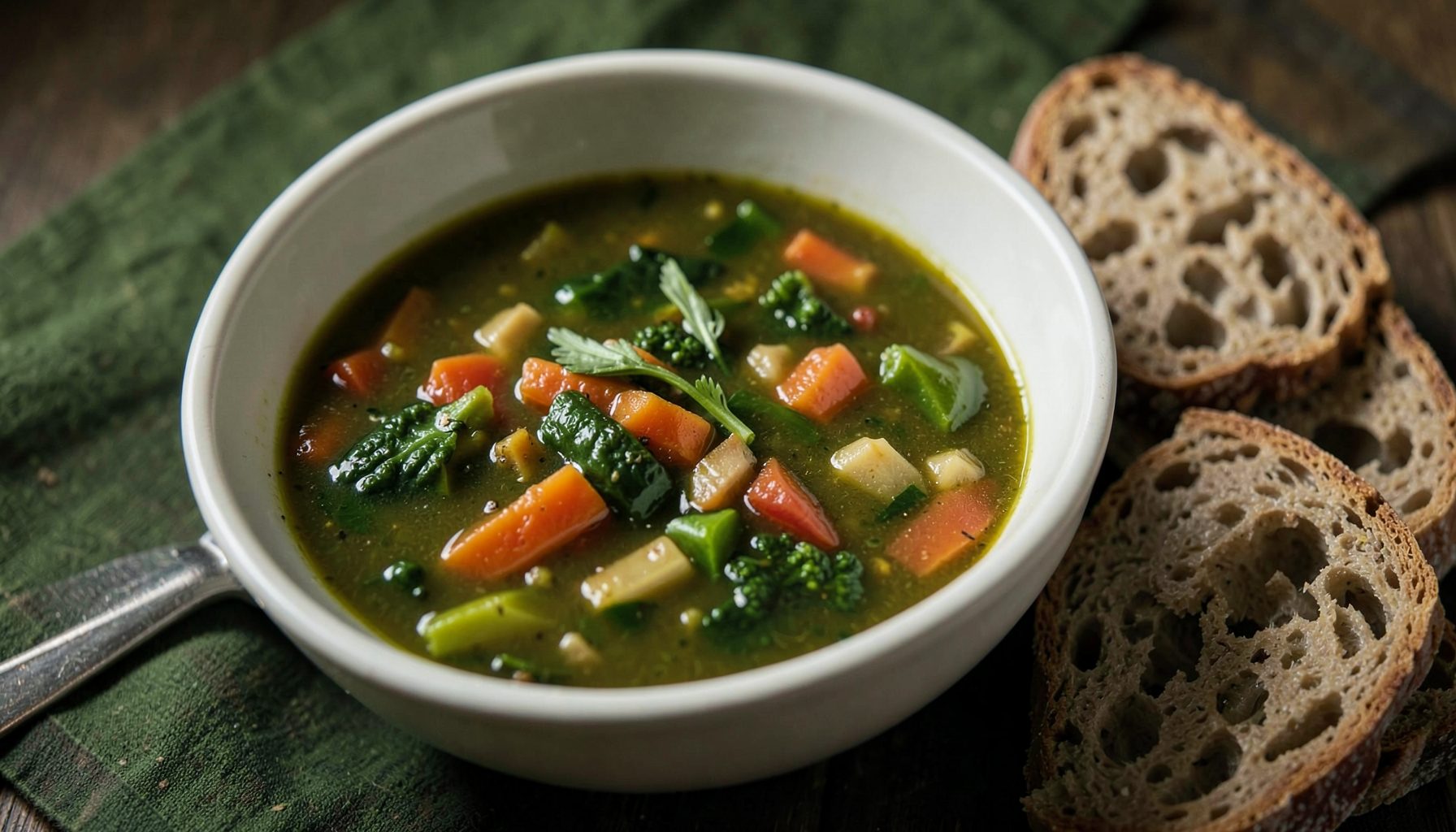
If the roasted vegetables are part of a larger meal, let their spice profile connect with the other dishes. A cumin-coriander blend can echo a bean stew, while oregano and garlic may tie together vegetables, grilled fish, and bread. For ideas that extend a vegetable-centered meal, browse these soups, breads, and sandwiches.
A Dependable Starting Formula
The following method makes enough seasoning for several trays, depending on how heavily you season. Use it as a foundation rather than a fixed rule. Reduce the salt if you plan to add olives, cheese, cured meat, or a salty sauce later.
- Combine two teaspoons smoked or sweet paprika, one teaspoon ground cumin, one teaspoon garlic powder, one teaspoon dried oregano, one-half teaspoon black pepper, and one-half teaspoon fine salt.
- Add one-quarter teaspoon cayenne for heat, or replace it with Aleppo pepper for a milder, fruitier result.
- For root vegetables, include one-quarter teaspoon cinnamon or ground coriander to emphasize their natural sweetness.
- For cauliflower or broccoli, replace the oregano with mustard powder and finish with lemon juice or grated lemon zest.
- For eggplant, peppers, or zucchini, add a pinch of fennel seed and use fresh parsley or basil after roasting.
Toss about two pounds of cut vegetables with two to three tablespoons of olive oil and one to two tablespoons of the blend. Spread everything in a single layer, leaving space between pieces. Crowding traps steam and prevents the browned edges that make roasted vegetables so appealing.
Roast For Texture And Finish With Care
Cut vegetables into pieces of similar size so they finish together. Dense vegetables may need a head start in the oven, while quick-cooking ingredients can join the pan later. Potatoes, carrots, and beets often need more time than broccoli, peppers, or zucchini.
Roast at a sufficiently high temperature, generally between 400°F and 450°F, depending on the vegetable and the pan. Turn the pieces once if necessary, but avoid constant stirring. Contact with the hot pan is what creates deep color and crisp edges.
Taste before serving. If the flavor feels dull, add salt. If it tastes heavy, add acid. If it lacks depth, try a spoonful of toasted nuts, grated cheese, or a creamy sauce rather than more dry spice. Leftovers can be folded into grains, eggs, pasta, or a warm sandwich.
Seasoned vegetables also make a satisfying base for beans. Creamy homemade legumes pair especially well with smoky paprika, cumin, and garlic; this guide to cooking dried beans offers a useful way to prepare them from the pantry.
A good spice blend should make cooking feel more instinctive, not more complicated. Choose one vegetable, notice its natural sweetness or bitterness, and build around it with a few purposeful ingredients. Keep a small jar of your favorite mixture nearby, then adjust the next batch with a new chile, herb, seed, or finishing acid. That simple practice turns an ordinary tray into a dish with your own signature flavor.