

How to Make a Classic Vinaigrette That Never Separates
A good vinaigrette should bring a salad into focus, balancing acidity, richness, salt, and the fresh character of the ingredients. It should cling lightly to lettuce and vegetables instead of pooling at the bottom of the bowl. Learning how to make a classic vinaigrette that never separates comes down to a few dependable techniques rather than a complicated recipe.
The basic formula is simple: oil, vinegar, seasoning, and an emulsifier. The challenge is persuading ingredients with different textures and chemical properties to stay blended long enough to dress a meal. With the right order, temperature, and mixing method, a homemade salad dressing can remain smooth and cohesive from the first toss to the last bite.
This approach suits the practical, ingredient-centered spirit of home cooking inspiration, where pantry staples and seasonal produce can become something generous and memorable. Once the method becomes familiar, the proportions can shift easily for bitter greens, roasted vegetables, grain salads, or delicate herbs.
Understand The Vinaigrette Formula
A classic vinaigrette often begins with three parts oil to one part vinegar. This ratio is a useful starting point, not a law. A sharp red wine vinegar may need more oil, while a mellow sherry vinegar or lemon juice can support a more assertive proportion. Taste matters more than arithmetic.
Oil provides body and carries flavor, while vinegar or another acid supplies brightness. Salt sharpens both, and a small amount of sweetness can soften excessive tang. Dijon mustard is especially helpful because its natural compounds help distribute oil droplets through the acidic mixture. Honey, maple syrup, and egg yolk can also contribute emulsifying power, although each changes the final flavor and texture.
For a small batch, whisk together one tablespoon of vinegar, half a teaspoon of Dijon mustard, a pinch of salt, and a few grinds of black pepper. Slowly add three tablespoons of oil while whisking. This makes enough dressing for several servings, and it is easy to multiply without losing the balance.
Prepare Each Ingredient Carefully
Use a flavorful oil that complements the food rather than overpowering it. Extra-virgin olive oil works beautifully with tomatoes, beans, greens, and roasted vegetables, while grapeseed, avocado, or sunflower oil creates a milder dressing. A blend of olive oil and a neutral oil can offer both character and softness.
The acid deserves equal attention. Red wine vinegar has a lively, familiar bite; white wine vinegar is clean and restrained; apple cider vinegar brings fruitiness; and balsamic vinegar contributes sweetness and depth. Fresh lemon juice gives a bright, immediate flavor, though it can make a vinaigrette feel less rounded than a well-aged vinegar.
Season the acidic ingredients before adding the oil. Salt dissolves more readily in vinegar, lemon juice, or water than in oil, so this small step prevents uneven seasoning. Minced shallot, grated garlic, chopped herbs, or a little finely grated citrus zest should also be added early, giving their flavors time to spread through the dressing.
Build A Stable Emulsion
Start by combining the vinegar, mustard, salt, pepper, and any sweetener in a bowl. Let the mixture sit for a minute so the salt begins to dissolve. Then whisk in the oil in a very thin stream. Adding it too quickly can overwhelm the water-based ingredients, causing the dressing to break before the droplets are evenly dispersed.
Keep whisking while the oil enters the bowl. A small balloon whisk is ideal, but a fork works for a modest amount. The goal is not to whip air into the dressing; it is to divide the oil into tiny droplets and suspend them throughout the acidic base. When the vinaigrette turns slightly cloudy and thickens enough to coat a spoon, the emulsion is developing properly.
| Ingredient or technique | What it contributes | Best use |
|---|---|---|
| Dijon mustard | Helps hold oil and acid together | Everyday green salads |
| Honey or maple syrup | Softness, sweetness, and body | Bitter greens or roasted vegetables |
| Shallot | Savory aroma and gentle bite | Vinaigrettes for composed salads |
| Extra-virgin olive oil | Peppery fruit and richness | Tomatoes, beans, grains, herbs |
| Neutral oil | Clean flavor and a lighter finish | Delicate greens and fresh vegetables |
| Slow whisking | Smaller oil droplets and better stability | Any freshly mixed dressing |
| Blender or immersion blender | A thicker, longer-lasting emulsion | Larger batches or make-ahead use |
For especially reliable results, use an immersion blender in a narrow container. Begin with the acid, mustard, and seasonings, then add the oil gradually while blending. The narrow vessel keeps the ingredients circulating around the blade. A countertop blender can create an even thicker dressing, but it may also make the vinaigrette seem heavier than one mixed by hand.
Fix A Dressing That Breaks
A separated vinaigrette is not ruined. If oil has risen to the surface, place a teaspoon of mustard, vinegar, or warm water in a clean bowl and slowly whisk the broken dressing into it. The fresh liquid gives the oil droplets a new base in which to disperse.
For a dressing that looks cloudy but tastes greasy, add a few drops of acid and whisk briskly. For one that tastes harsh, add oil gradually, followed by a small amount of honey or maple syrup if appropriate. Season again only after the texture is corrected, since salt and acid can seem exaggerated in a broken mixture.
Temperature can affect stability as well. Very cold oil and vinegar may resist blending, especially if the oil has been stored in a cool pantry. Allow both ingredients to come close to room temperature before mixing. If a vinaigrette thickens in the refrigerator, let it stand for several minutes and shake it vigorously before serving.
Match The Dressing To The Dish
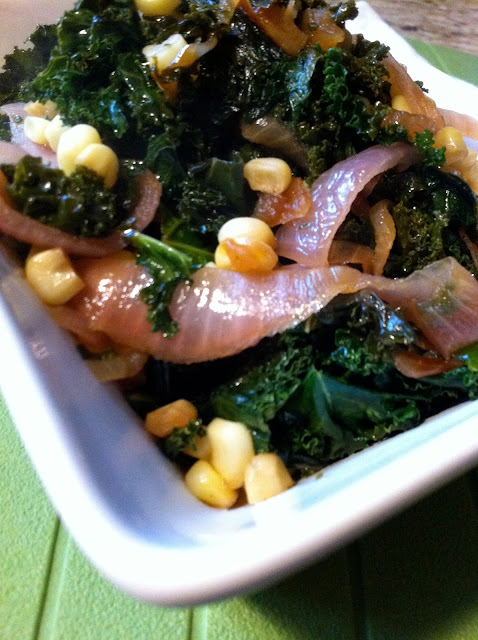
A vinaigrette should support the ingredients beneath it. Tender butter lettuce needs a light, gently acidic dressing, while sturdy kale can handle more oil, mustard, and seasoning. Massage a robust dressing into kale with clean hands, then allow the leaves to rest briefly so the texture softens.
Roasted vegetables welcome a dressing with sherry vinegar, garlic, and herbs. Grain salads benefit from a little extra acid because grains absorb flavor quickly. For a bean salad, use enough oil to round out the earthy legumes and include fresh herbs, celery, or shallot for contrast. A few spoonfuls tossed with warm potatoes can sink into their centers and create a particularly satisfying side dish.
Vinaigrette also has a place beyond leafy salads. Drizzle it over grilled fish, spoon it onto roasted beets, or use it to sharpen a lentil dish. The appetizer recipes on a food-focused kitchen site can inspire combinations where a bright dressing offsets creamy, salty, or richly roasted elements.
One striking pairing is a parsley and shallot salad served with roasted bone marrow. The acidity cuts through the marrow’s richness, while the herbs keep each bite lively. That same principle applies whenever a dish contains butter, cream, cheese, fatty meat, or deeply browned vegetables.
Store And Serve It Well
A freshly mixed vinaigrette usually tastes more balanced after resting for ten to fifteen minutes. This short pause allows shallot, garlic, herbs, and spices to infuse the liquid. Taste it again before serving, since the flavor may become rounder or more intense as it sits.
Store homemade dressing in a clean jar with a tight lid. A simple shake is often enough to recombine it for everyday use, while a quick whisk restores a thicker emulsion. Vinaigrettes containing fresh garlic, herbs, or shallot are best refrigerated and used within several days. A plain oil-and-vinegar mixture may last longer, but freshness and aroma are better guides than a fixed timetable.
Keep salad greens dry and dress them shortly before serving. Even the most stable vinaigrette cannot preserve crisp lettuce if it is added too far in advance. Start with less dressing than seems necessary, toss thoroughly, and add more only if the leaves still look dry. The right amount leaves a sheen on the ingredients without making them limp.
Build Your House Vinaigrette
Once the basic technique feels natural, create a signature version that reflects the food you cook most often. A mustard vinaigrette with shallot may become an everyday staple, while a lemon-herb dressing can brighten summer vegetables. In autumn, apple cider vinegar, walnut oil, and maple syrup pair naturally with roasted squash and bitter greens.
Use the following guide when adjusting a dressing:
- Begin with a balanced three-to-one oil-to-acid ratio, then taste and adjust rather than relying on a strict measurement.
- Dissolve salt and sweetener in the acidic ingredients before adding any oil.
- Add oil gradually while whisking, shaking, or blending to create smaller, more stable droplets.
- Choose mustard, honey, or another emulsifier when the dressing needs extra body and staying power.
- Match the intensity of the vinaigrette to the ingredients, using a gentler mixture for tender greens and a bolder one for roasted or hearty foods.
Keep notes when a combination works especially well. Record the vinegar, oil, seasoning, and the dish it accompanied. Over time, those small observations become a personal collection of dependable ratios rather than a set of rigid rules.
The best vinaigrette is one that makes the food taste more like itself. Mix a small batch today, taste it against a handful of greens, and adjust it until the acidity, richness, and seasoning feel complete. With that habit in place, a stable homemade dressing becomes one of the most useful tools in the kitchen.