
A Versatile Tomato Sauce from Canned San Marzano Tomatoes
A good tomato sauce is one of the most useful recipes in a home kitchen. Made with canned San Marzano tomatoes, it can become a pasta dressing, pizza base, braising liquid, shakshuka sauce or a quick topping for meatballs. The method is simple, but a few deliberate choices give the sauce depth instead of a thin, acidic flavour.
San Marzano tomatoes are prized for their gentle sweetness, low seed content and soft flesh. They are grown in Italy’s Campania region, although Australian supermarkets also stock plenty of cans labelled “San Marzano style”. Either can work well. The important details are the ingredient list, careful cooking and tasting as the sauce reduces.
| Tomato option | Flavour and texture | Best use | What to check |
|---|---|---|---|
| Whole peeled San Marzano tomatoes | Sweet, soft and easy to crush | All-purpose tomato sauce | Look for tomatoes, juice and minimal additives |
| Crushed tomatoes | Smooth with little preparation | Weeknight pasta or pizza | Some brands can be watery |
| Passata | Silky and consistent | Soups, lasagne and delicate sauces | Choose a plain variety without herbs |
| Diced tomatoes | Chunky and firm | Rustic braises and chunky pasta sauces | They may need longer cooking |
| Fresh ripe tomatoes | Bright and seasonal | Fast summer sauces | Quality varies outside peak season |
Choose the right ingredients
For about 750ml of sauce, use two 400g cans of whole peeled San Marzano tomatoes, three tablespoons of extra-virgin olive oil, one small brown onion, two garlic cloves, half a teaspoon of fine salt and a few basil leaves. A pinch of chilli flakes is optional. If the tomatoes taste sharp, a small pinch of sugar can help, though longer cooking usually rounds out the flavour more effectively.
Read the label rather than relying on the picture. Genuine San Marzano tomatoes may carry a DOP designation, but cans sold in Australia often use the phrase “San Marzano style”. Both are suitable for everyday cooking. Avoid cans with heavy seasoning, added vinegar or a long list of flavourings, since a versatile sauce is easier to customise when its base is clean.
Australian cooks should also remember that a tablespoon is commonly measured as 20ml, rather than the 15ml measure used in many American recipes. For this sauce, the difference is modest, but using a proper metric spoon keeps the oil and seasoning balanced.
Build a savoury base
Warm the olive oil in a heavy saucepan over medium-low heat. Add the finely diced onion and a small pinch of salt, then cook for eight to ten minutes. The onion should become soft and translucent without taking on dark colour. This slow stage creates sweetness and gives the finished sauce a rounded savoury foundation.
Add the sliced garlic and chilli flakes, if using, and cook for about 30 seconds. Garlic burns quickly, so keep the heat moderate and stir constantly. You can add a finely diced carrot or a little celery with the onion for extra body, though the simplest version is often the most flexible.
If you are shopping at Coles or Woolworths, a small bottle of good olive oil and a can of anchovies are useful pantry additions. One finely chopped anchovy melted into the onion base will not make the sauce taste fishy; it contributes a deep umami note that works especially well with seafood pasta and roasted vegetables.
Add and simmer the tomatoes
Pour the tomatoes into the saucepan, then crush them with a wooden spoon or your hands before adding them. Whole tomatoes often have better texture and flavour than pre-crushed varieties, and crushing them yourself lets you decide whether the sauce remains rustic or becomes smooth.
Bring the mixture just to a gentle bubble, then reduce the heat. Leave the lid slightly ajar and simmer for 35 to 50 minutes, stirring every so often. The sauce is ready when it has thickened enough to coat a spoon and a little oil begins to show around the edges. A vigorous boil can make the sauce splatter and cook unevenly, so a quiet simmer is preferable.
In a warm Queensland kitchen, the sauce may reduce more quickly if the saucepan is wide and the room is hot; in a cooler Melbourne winter kitchen, it may need a little longer. Use the texture as your guide rather than following the clock rigidly.
Decide on the final texture
For a rustic tomato sugo, crush the remaining pieces with a spoon and leave the sauce slightly chunky. This texture is ideal with rigatoni, baked eggplant or meatballs because it clings to substantial food. For pizza, cook the sauce until thick, then blend it briefly so it spreads easily without making the dough soggy.
An immersion blender creates a smooth, restaurant-style result, but blend cautiously while the sauce is hot. Alternatively, pass it through a food mill for a particularly silky finish. Blending also makes the sauce useful for children who dislike pieces of onion or tomato.
Add torn basil near the end rather than simmering a large handful for the entire cooking time. Basil cooked too long can lose its fresh aroma. A final drizzle of olive oil gives the sauce a glossy finish, while a small knob of butter makes it softer and richer for pasta.
Balance acidity and seasoning
Taste the sauce only after it has reduced. Early in the cooking process, the tomato flavour can seem harsh and watery. Once concentrated, it needs less salt and may need no sweetener at all. Add salt in small amounts, tasting between each addition, and use black pepper if you want a more assertive finish.
If the sauce remains acidic, add a pinch of sugar or half a grated carrot and cook for another ten minutes. A teaspoon of balsamic vinegar can add complexity, but it should be used sparingly because vinegar can make an already sharp sauce taste brighter rather than rounder. A little butter or extra olive oil is often the gentler correction.
For a richer Italian-style sauce, stir through a spoonful of mascarpone or cream just before serving. For a lighter version, finish with fresh herbs and lemon zest. Cooks who enjoy heat can add Calabrian chilli paste, dried chilli or finely sliced fresh chilli, depending on what is available.
Store it safely and conveniently
Cool the sauce promptly once it has finished cooking. Transfer it to shallow containers and refrigerate it for up to four days. Keep a portion in the fridge for a quick midweek meal, and freeze the rest in 250ml containers or silicone freezer moulds. Small portions thaw quickly and are easier to use than one large frozen block.
To reheat, warm the sauce gently in a saucepan and loosen it with a splash of water. If you are using it with pasta, reserve some of the pasta cooking water. Its starch helps the sauce cling to noodles and can restore a smooth texture after refrigeration or freezing.
For Australian summer gatherings, avoid leaving tomato sauce at room temperature for extended periods, particularly outdoors. On a hot afternoon in Brisbane or at a barbecue near Adelaide, serve a smaller amount and replenish it from the fridge rather than placing the entire batch on the table for hours.
Turn one sauce into several meals
Toss the sauce with spaghetti, orecchiette or gluten-free pasta, adding grated parmesan and fresh basil at the end. It also works as the base for lasagne, baked gnocchi, eggplant parmigiana and stuffed capsicums. Add cooked lentils, cannellini beans or chickpeas for a satisfying meat-free meal.
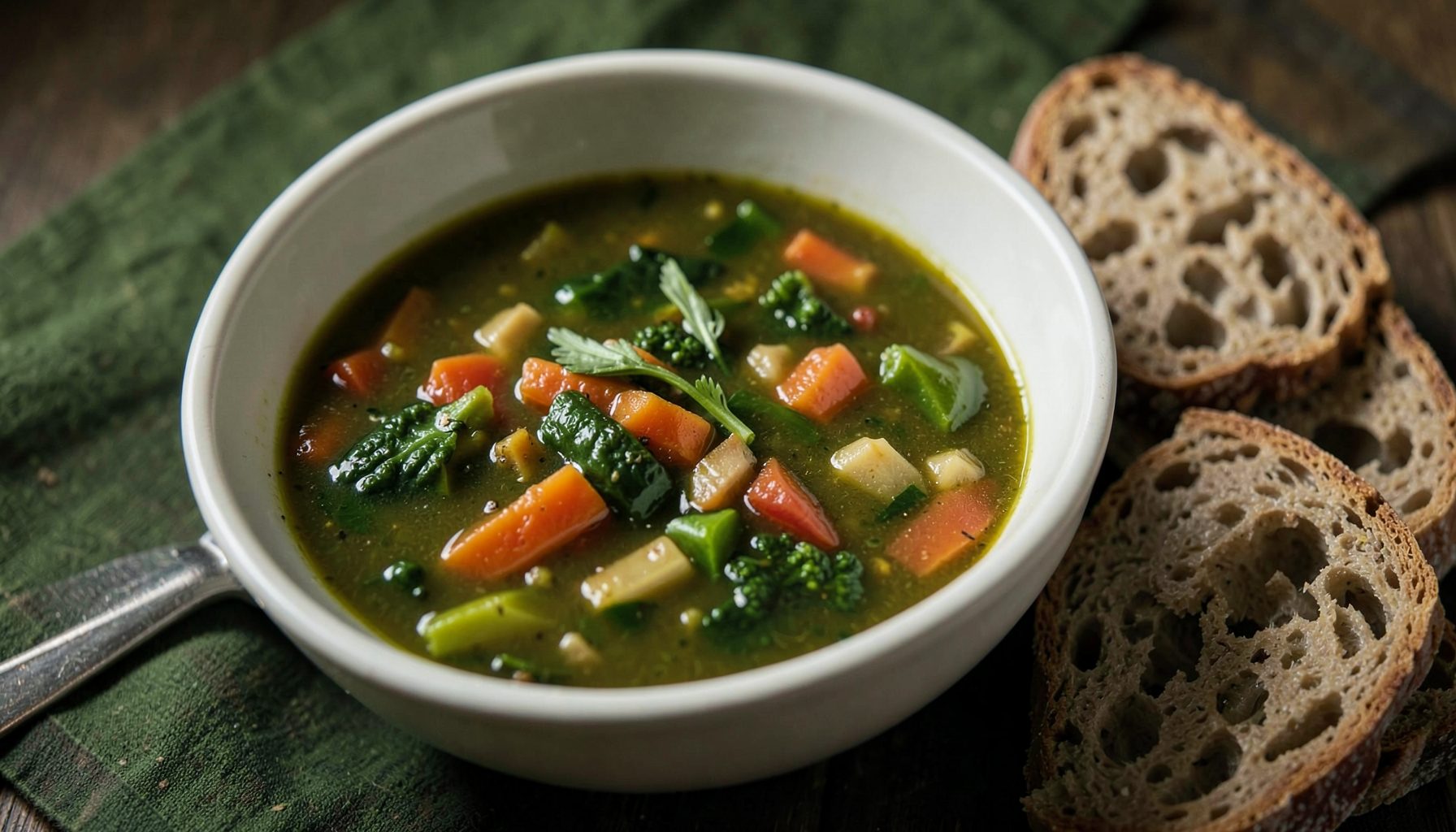
For pizza, reduce the sauce a little further and use it sparingly over the dough. For eggs in purgatory, warm the sauce in a shallow frying pan, make small wells and crack in the eggs. Cover until the whites set, then serve with toast. A spoonful stirred into vegetable soup or a bean stew adds colour and concentrated tomato flavour.
You can browse more ideas through the recipe index, where a flexible tomato base can lead towards breads, sides, soups and main dishes. It is also excellent with grilled prawns, roast chicken or a simple toasted cheese sandwich when a quick pantry dinner is needed.
Pair it with the rest of the meal
A bright tomato sauce benefits from a wine with enough freshness to match its acidity. Australian shiraz can be too full-bodied for a simple pasta dish, while a medium-bodied Sangiovese, Victorian nebbiolo or dry rosé is often more harmonious. For a meatier sauce, try an Australian GSM blend from South Australia or the Barossa.
If the meal includes chilli, salty olives or rich cheese, keep the wine crisp and uncomplicated. Sparkling water with lemon is a refreshing non-alcoholic choice, and a chilled vermouth or light spritz can work well before dinner. Ideas for simple refreshments can help shape the drinks around the meal rather than treating them as an afterthought.
The finished sauce should taste like tomatoes first, with the onion, garlic, olive oil and herbs supporting them. Once this basic method becomes familiar, you can adapt it to the season, the pantry and the occasion, whether dinner is a quiet night at home or a long table shared with friends. For further kitchen stories and practical cooking ideas, visit Bia Rich’s kitchen.