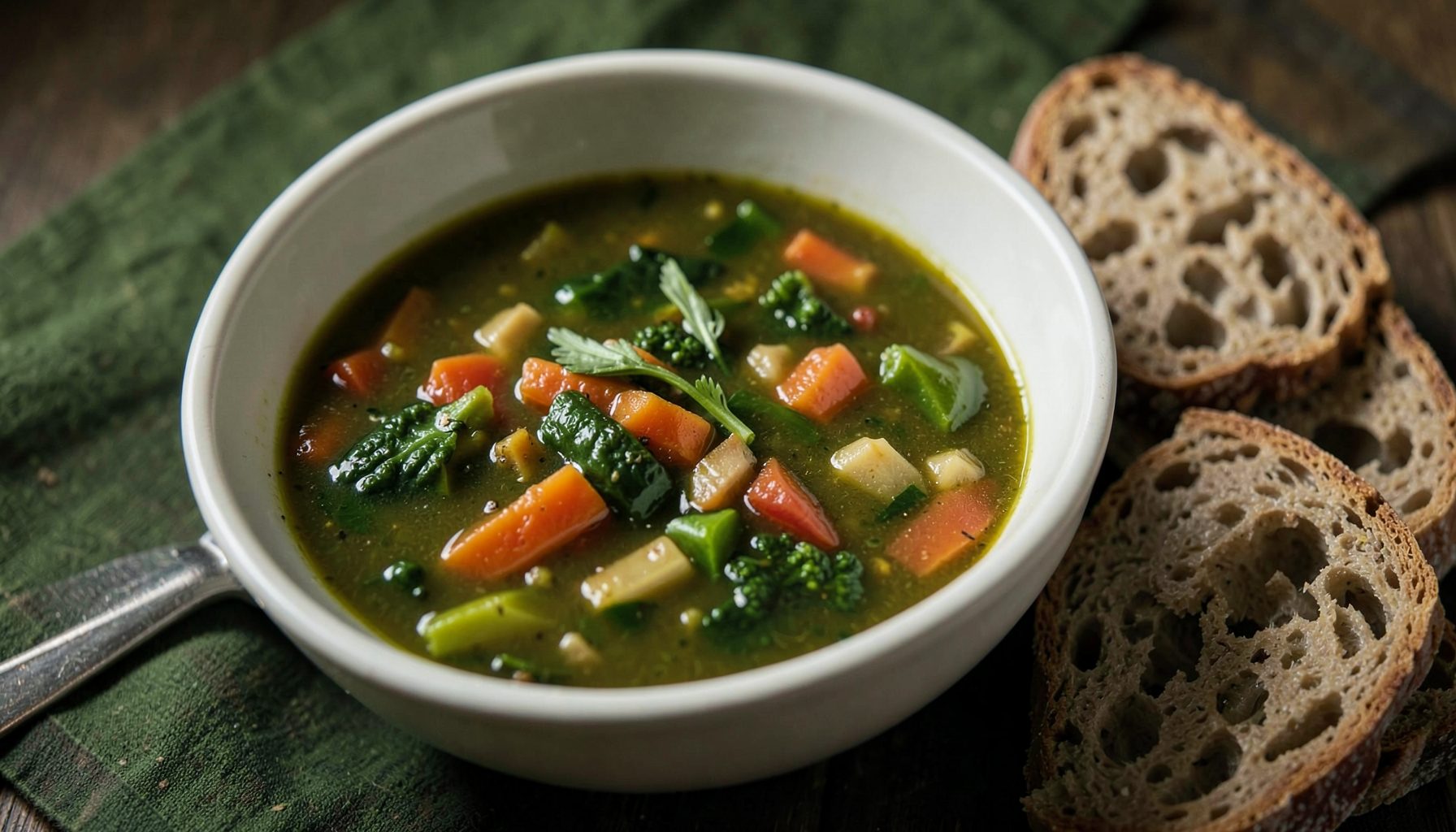
How to roast vegetables for deep sweetness and golden edges
Roasting can turn a plain tray of vegetables into something deeply savoury, tender and naturally sweet. High heat drives off excess water, concentrates the vegetable’s flavour and encourages caramelisation, the browning process responsible for crisp edges and a richer taste. The method works for familiar choices such as carrots and potatoes, as well as cauliflower, fennel, pumpkin, beetroot, eggplant and even leafy greens.
The best results come from a few practical decisions rather than a complicated recipe. Cut vegetables evenly, give them room, use enough heat and wait for proper browning before removing the tray. Whether you are cooking for a Sunday roast in Melbourne, a weeknight meal in Brisbane or a summer lunch in Adelaide, these principles make almost any vegetable more delicious.
Why high heat creates sweetness
Vegetables contain natural sugars, water and flavour compounds. When they meet a hot oven, moisture begins to evaporate from their surfaces. As the vegetables dry and their temperature rises, their sugars become more concentrated. Browning then develops on exposed surfaces, producing toasted, nutty and savoury flavours alongside the vegetable’s own sweetness.
This is why roasted carrots taste fuller than boiled carrots, and why a tray of cauliflower can develop a golden, almost buttery character. The goal is to create enough heat for browning without burning the outside before the centre softens. For most vegetables, an oven temperature between 210°C and 230°C conventional is a reliable starting point. If using a fan-forced oven, reduce the temperature by about 20°C.
A crowded tray works against caramelisation. Vegetables release steam as they cook, and when pieces sit too close together, that steam collects around them. The result is soft, pale food rather than crisp, bronzed edges. A little space between pieces is one of the simplest ways to improve a roast vegetable tray.
Prepare each vegetable for even cooking
Size matters more than shape. Cut dense vegetables such as potato, sweet potato, pumpkin and beetroot into pieces of similar thickness so they become tender at roughly the same time. Small carrots can be halved lengthways, while large carrots are best cut into chunky batons. A piece with a broad cut surface will brown more readily than a whole, rounded piece.
Hard vegetables often benefit from peeling, though the skin can add flavour and texture when it is clean and thin. Pumpkin skin varies by type: butternut skin is usually removed, while some smaller varieties can be roasted with the skin on. Potatoes should be scrubbed well, and beetroot can be roasted in its skin before peeling once cool.
Eggplant, mushrooms and zucchini contain a great deal of water. Cut them into generous pieces rather than thin slices, and avoid salting them far in advance unless you specifically want to draw out moisture. Broccoli, cauliflower and Brussels sprouts should be thoroughly dried after washing. Even a small amount of surface water delays browning.
Match the oven time to the vegetable
Dense roots and tubers need the longest cooking time. Potatoes, sweet potatoes, pumpkin, parsnips and beetroot generally take 30 to 55 minutes, depending on the size of the pieces. Turn them once during cooking if the underside is browning faster than the top. A fork should meet slight resistance before slipping into the centre.
Carrots, onions, fennel, cauliflower and Brussels sprouts usually need around 25 to 40 minutes. Halved onions and fennel develop especially good colour on their cut sides. Cauliflower florets should be separated enough to expose their ridges, while Brussels sprouts are excellent halved so their inner surfaces can brown.
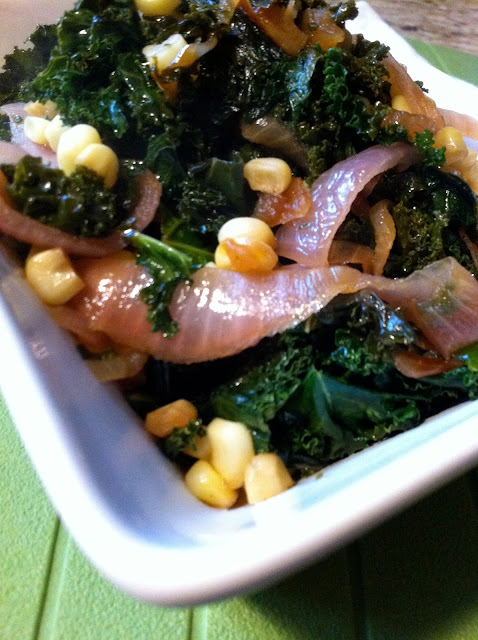
Tender vegetables need less time. Zucchini, asparagus, green beans, capsicum and broccolini may be ready in 12 to 25 minutes. Add them to a tray with slower-cooking ingredients partway through, rather than allowing them to collapse while the potatoes finish. Delicate greens such as kale can be roasted for only a few minutes until crisp, with close attention near the end.
Control moisture before it controls the tray
Dry vegetables are the starting point for a caramelised exterior. After washing, spread them on a clean tea towel or use paper towel to remove visible water. This small step is especially helpful with cauliflower, mushrooms and eggplant. Frozen vegetables can be roasted successfully, but they should go straight into a very hot oven and need extra space so thawing liquid can evaporate.
Use a large, shallow roasting tin rather than a deep baking dish. A heavy metal tray heats quickly and encourages browning underneath. Preheating the tray can help with potatoes and pumpkin: add the oiled vegetables carefully to the hot surface, then return it to the oven. Baking paper makes cleaning easier, though it can slightly reduce direct contact with the metal.
If the vegetables are steaming rather than colouring, move them to a larger tray or cook in batches. Do not cover them, and avoid opening the oven repeatedly. Every door opening lowers the temperature and releases the dry heat needed to evaporate moisture.
Build flavour with fat, salt and aromatics
Toss vegetables with enough oil to coat their surfaces lightly, not so much that they become greasy. Olive oil is excellent for moderate roasting temperatures and brings a fruity, peppery note. Neutral oils such as grapeseed, rice bran or vegetable oil suit higher heat and allow the vegetables’ flavours to lead. For a richer finish, add a little melted butter near the end rather than relying on it throughout a long roast.
Salt before roasting so it seasons the interior as the vegetables soften. Use a moderate amount because roasted flavours become concentrated. Freshly ground black pepper, smoked paprika, cumin, coriander seed and chilli flakes can be added with the oil. Garlic is best left in its skin or added as whole cloves; minced garlic can burn before the vegetables are ready.
Hard herbs such as rosemary, thyme and sage can roast with the tray. Soft herbs, lemon zest, chopped parsley and coriander should be added after cooking so they retain their freshness. A splash of vinegar or lemon juice at the end cuts through the sweetness and brings the whole dish into focus.
A roasting-day checklist
- Preheat the oven and, when useful, the roasting tray.
- Dry washed vegetables thoroughly before adding oil.
- Leave visible space between pieces.
- Finish with acid, herbs or a fresh sauce after roasting.
Choose combinations that cook at the same pace
A tray of potatoes, carrots and onions is dependable because the ingredients tolerate a similar cooking time. Add garlic cloves, rosemary and a little lemon after roasting for a simple side dish suited to a weeknight dinner or a traditional Australian Sunday roast. For a more substantial meal, serve it beside roast chicken, grilled lamb or a baked fish fillet.
Pumpkin, cauliflower and chickpeas make a satisfying combination, though the chickpeas should be dried thoroughly and coated with oil so they become crisp. A final spoonful of yoghurt, tahini dressing or crumbled feta adds contrast. Sweet potato works well with red onion, capsicum and black beans, especially when seasoned with cumin, coriander and lime.
Roasted vegetables can move beyond the side plate. Fold them through couscous, pearl barley or pasta, layer them into a sandwich, or spoon them over sourdough with ricotta. In Sydney and Melbourne, a tray of roasted vegetables is an easy way to use produce from a weekend farmers’ market, while in warmer areas it can be cooled and served as a salad with grains and herbs.
For a striking sweet-savoury pairing, roast carrots or pumpkin with a little maple syrup only during the final 10 minutes. Adding it too early can make the sugars scorch. A tiny drizzle of balsamic glaze, pomegranate molasses or honey after cooking delivers a similar effect with better control.
Finish the tray with contrast
The moment vegetables leave the oven is when their flavour can be adjusted. Taste one piece and decide what is missing. More salt sharpens sweetness, lemon juice adds brightness, and vinegar balances rich oil. A spoonful of pesto, salsa verde or herb dressing can turn a basic tray into a complete side dish.
Texture matters as much as seasoning. Toasted almonds, pepitas, hazelnuts or sesame seeds provide crunch against soft vegetables. Crispy breadcrumbs are particularly good with roasted cauliflower, while shaved parmesan or pecorino melts slightly over hot potatoes. Fresh herbs should be scattered generously enough to perfume the dish without hiding its roasted character.
Roasting also creates a bridge between savoury cooking and dessert. Caramelised pumpkin can be folded into a tart, and roasted beetroot pairs surprisingly well with dark chocolate. For a rich finishing idea with fruit or a dessert component, try this dark chocolate sauce, keeping the vegetables simply seasoned if they are intended for a sweet preparation.
Solve common roasting problems
Pale vegetables usually indicate a wet surface, a crowded tray or an oven that was not fully heated. Spread the pieces out, use a wider tin and wait for the oven to reach temperature before cooking. If the bottoms burn while the centres remain hard, the pieces are probably too large or the tray is too close to the lower heating element. Move it to the middle rack and reduce the size of the cuts.
Burnt garlic, herbs or spices can make an otherwise good tray taste bitter. Use whole garlic cloves, add delicate aromatics later and check spice blends for added sugar. If vegetables brown too quickly, lower the heat slightly and cover only the darkest pieces loosely with foil; fully covering the tray will trap steam.
Leftover roast vegetables keep well in an airtight container for several days. Reheat them in a hot oven, air fryer or frying pan rather than the microwave if you want to restore crisp edges. Cold leftovers can be stirred into eggs, scattered over a green salad or blended with stock into soup. Explore more ideas among these dessert recipes when roasted fruit or pumpkin leads the meal towards something sweet.