


Finding Balance Among Sour, Sweet, Salty, And Bitter Flavors
A memorable dish rarely depends on a single dominant taste. Its appeal comes from the way several sensations meet: the brightness of lemon against butter, the sweetness of roasted carrots beside a salty cheese, or the gentle bitterness of greens softened by garlic and olive oil. When those elements are in proportion, food tastes complete rather than merely intense.
The art of balancing sour, sweet, salty, and bitter in cooking is less about following a rigid formula than learning to notice what a dish needs. A stew may require acid after hours of simmering, while a salad may need a little sweetness to round out sharp vinegar. The same ingredient can play different roles depending on quantity, temperature, and the ingredients around it.
Years of restaurant cooking taught me that seasoning is an ongoing conversation. Taste early, taste again, and make small adjustments. A teaspoon of vinegar, a pinch of salt, or a few drops of honey can change the entire direction of a recipe without disguising its main ingredients.
How The Four Tastes Shape A Dish
Sour flavors bring lift and definition. Citrus juice, vinegar, tamarind, yogurt, pickled vegetables, wine, and fermented foods can cut through richness and make familiar flavors feel more vivid. Acid also helps separate ingredients in a dish, allowing each one to remain recognizable.
Sweetness provides roundness. It can come from fruit, honey, maple syrup, caramelized onions, roasted squash, or a small amount of sugar. Sweetness does not have to make a dish taste sugary. In savory food, it can soften an aggressive chile, balance tomato acidity, or make bitter greens more approachable.
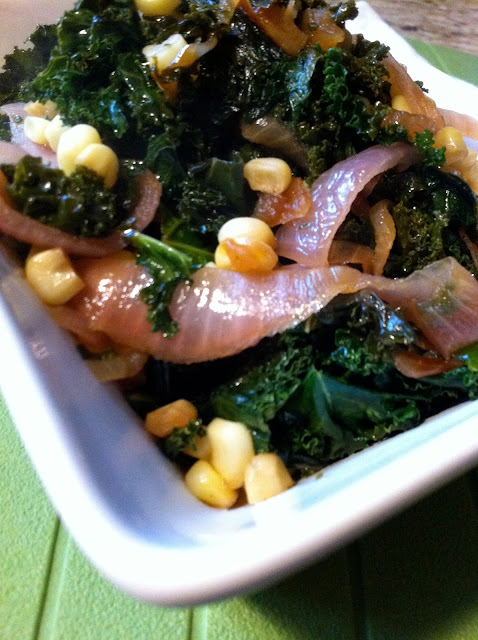
Salt amplifies. It draws out the natural flavor of vegetables, meat, grains, and legumes while reducing the impression of dullness. Bitter flavors are more complex. Coffee, cocoa, citrus peel, chicories, radicchio, dark leafy greens, and charred foods can add depth and an adult edge. Bitterness becomes pleasing when supported by fat, salt, sweetness, or acidity.
Taste Ingredients In Context
A seasoning ingredient should be judged in the dish where it will live. Lemon juice tastes intensely sour on a spoon, but its effect changes when stirred into a creamy sauce. Salt may seem excessive in a concentrated marinade yet become exactly right after it is diluted by vegetables, stock, or pasta.
Cooking also alters taste. Roasting coaxes sweetness from onions and root vegetables. Toasting spices deepens their aroma and may bring out bitter notes. Reduction concentrates salt, sugar, and acidity, so a sauce that tastes balanced at the beginning may become too sharp or salty after simmering.
Temperature matters as well. Cold food often seems less aromatic and sometimes less salty than warm food. A chilled potato salad may need more seasoning than a warm potato dish, but it should be tasted after it has rested. Time allows salt to penetrate, vinegar to mellow, and herbs to release their fragrance.
A useful kitchen habit is to taste with a clean spoon at several stages. Ask what sensation arrives first, what lingers, and what feels missing. If a dish tastes flat, salt or acid may be needed. If it tastes harsh, sweetness, fat, dilution, or additional cooking may restore harmony.
The Balancing Roles Of Common Ingredients
Ingredients often perform more than one job. A ripe tomato contributes acidity, sweetness, umami, and water. Parmesan adds salt, savory depth, and a slightly bitter nuttiness. Olive oil carries aroma while softening sharp flavors. Understanding these overlapping roles makes improvisation much easier.
The table below offers a starting point rather than a strict conversion chart. Add small amounts, stir thoroughly, and taste before making another adjustment.
| If The Dish Feels… | Try Adding… | What It Can Do |
|---|---|---|
| Flat or muted | Salt, lemon, vinegar, herbs | Brighten and clarify flavor |
| Too rich | Citrus, vinegar, tomato, bitter greens | Cut through fat and refresh the palate |
| Too sour | Honey, sugar, cream, butter, more stock | Round sharp acidity |
| Too sweet | Vinegar, lemon, chile, bitter greens, salt | Restore contrast |
| Too bitter | Salt, sweetness, dairy, olive oil | Soften and support bitterness |
| Too salty | Unsalted liquid, vegetables, grains, acid, fat | Dilute or redistribute the salt |
| Heavy or muddy | Fresh herbs, citrus zest, crisp vegetables | Add aroma and lift |
A common mistake is correcting one flavor with a large amount of its opposite. A sauce that is too acidic may become cloying if flooded with sugar. A bitter salad may turn unbalanced if covered in honey. Small, incremental changes preserve the character of the original recipe.
Dilution is another valuable tool. Add unsalted stock to a soup, more beans to a stew, extra greens to a pasta dish, or additional tomatoes to a sauce. This changes the concentration of every flavor instead of forcing one ingredient to fight another.
Building Contrast In Familiar Foods
A good salad demonstrates balance beautifully. Bitter radicchio becomes inviting with sweet pear, toasted walnuts, salty blue cheese, and a tart vinaigrette. A simple green salad gains dimension when the dressing contains enough salt to wake up the leaves and enough oil to carry the acidity across the palate.
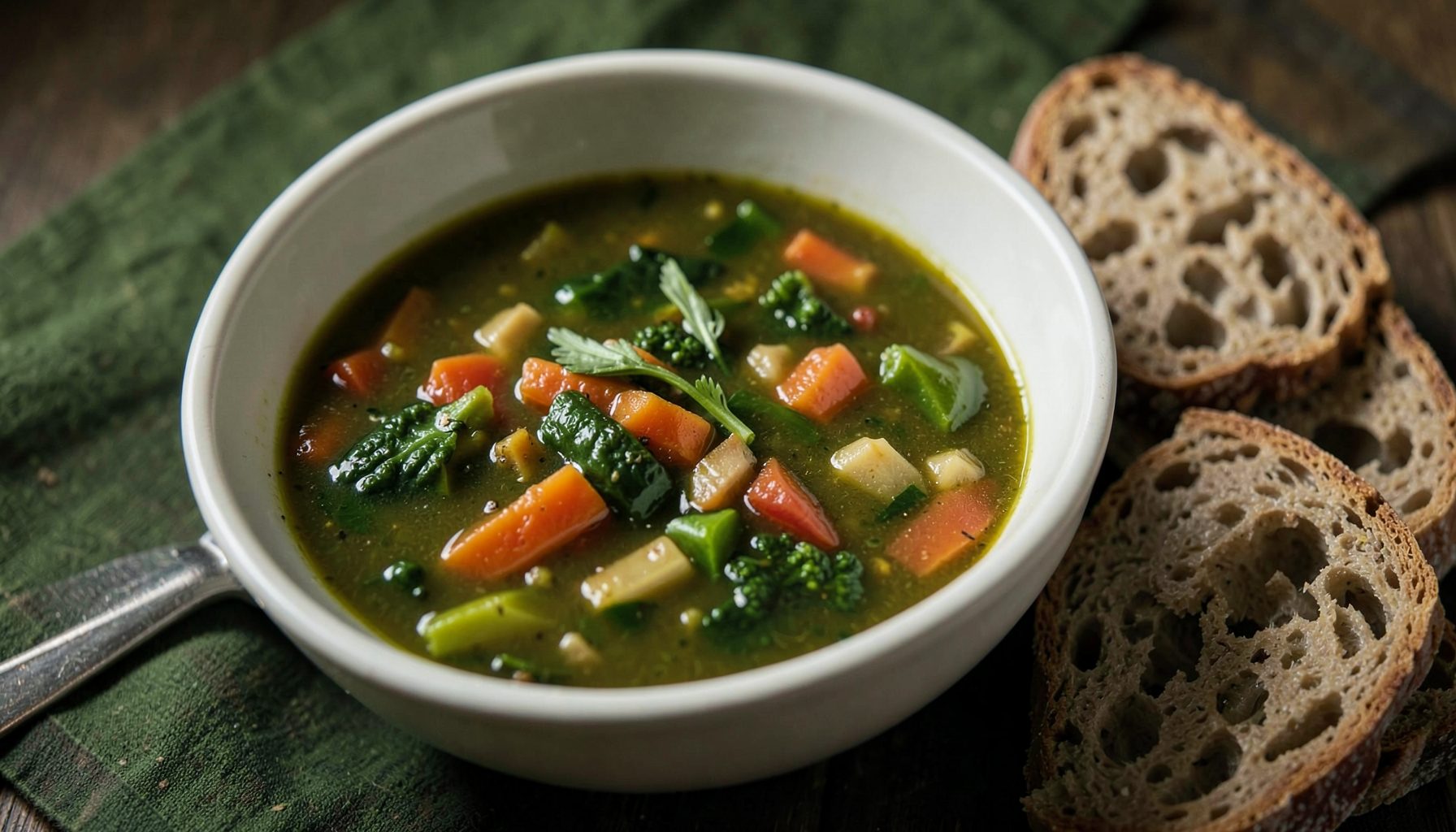
Soups benefit from a final seasoning pass. Lentil soup may need red wine vinegar or lemon to lift its earthy base. A sweet squash soup can welcome ginger, chile, browned butter, or toasted pumpkin seeds. A creamy mushroom soup often becomes more expressive with sherry, thyme, and a modest amount of acid at the end.
Main dishes need contrast too. Braised pork can feel rich and soft without something sharp alongside it, such as mustard, pickled cabbage, or an apple relish. Grilled vegetables gain depth from charred edges, but a yogurt sauce or squeeze of lemon keeps that bitterness from becoming severe. Roasted chicken welcomes a pan sauce that combines savory drippings with wine, stock, and a bright finish.
Desserts rely on the same principles. Salt intensifies caramel and chocolate. A tart fruit compote can prevent a custard from feeling heavy. Espresso, cocoa, and toasted nuts introduce bitterness that makes sweetness more interesting. A dessert with several layers of sugar needs contrast, whether from citrus zest, cultured dairy, dark chocolate, or a pinch of flaky salt.
Using Salt, Acid, And Fat With Care
Salt should be added in stages whenever possible. Season vegetables before roasting, meat before cooking, and sauces as they reduce, but remember that cured meats, stock, cheese, olives, capers, and bottled condiments may contribute plenty on their own. Layering modest amounts produces deeper seasoning than trying to fix everything at the end.
Acid is often best added late. A splash of vinegar stirred into beans just before serving can taste brighter than the same amount cooked for an hour. Citrus zest and juice have different effects: zest provides aromatic oils, while juice supplies direct acidity. Use both when a dish needs freshness without becoming overtly sour.
Fat smooths edges and distributes flavor. Butter, cream, coconut milk, olive oil, tahini, avocado, and nut pastes can make acidity and bitterness feel more integrated. Fat does not erase imbalance, however. A heavy sauce may still need lemon or herbs, and adding more cream to a salty dish can simply create a larger quantity of salty food.
Consider the finish as carefully as the base. A drizzle of good olive oil, chopped parsley, pickled onions, toasted seeds, or a few drops of chile oil can provide the final contrast. Finishing touches should reinforce the dish’s central flavors rather than compete with them.
A Practical Tasting Method For Home Cooks
When developing a recipe, divide a small portion into several bowls and test different adjustments separately. Add lemon to one, vinegar to another, a little honey to a third, and salt or butter to a fourth. Tasting side by side reveals which direction helps without risking the entire pot.
Keep a small collection of balancing ingredients close at hand: lemons, several vinegars, unsalted stock, honey, mustard, fresh herbs, plain yogurt, and a reliable olive oil. Pantry staples such as capers, olives, tomato paste, dried fruit, cocoa, and toasted nuts can also provide useful contrast.
Use this simple sequence when a dish needs attention:
- Taste the food at serving temperature before changing it.
- Decide whether the problem is flatness, heaviness, sharpness, excessive sweetness, saltiness, or bitterness.
- Add one small adjustment, usually no more than a pinch or teaspoon.
- Stir or toss thoroughly, then wait briefly before tasting again.
- Finish with fresh herbs, zest, texture, or a restrained drizzle if the flavor is balanced but still feels plain.
This method works for a weekday vinaigrette as well as a long-simmered Sunday sauce. It encourages confidence because each adjustment has a purpose. Instead of reaching automatically for salt, you begin to recognize when a dish needs acidity, aroma, dilution, or texture.
Let Regional Traditions Guide Your Palate
Many food traditions have developed elegant ways to balance contrasting tastes. Mexican cooking often brings together chile, lime, salt, and the sweetness of corn or fruit. Thai dishes may combine lime, palm sugar, fish sauce, and chile. Mediterranean cooking frequently pairs bitter greens with lemon, garlic, olive oil, and salty cheese.
Southern cooking offers its own lessons in contrast. Collard greens become fuller with vinegar and a smoky element. Cornbread benefits from salt and a modest sweetness. Tomato-based stews can use sugar from long-cooked onions, acidity from tomatoes, and heat from pepper to create a rounded base.
These patterns are helpful because they show that balance is cultural as well as technical. There is no universal point at which a dish becomes perfectly seasoned. Personal taste, family tradition, local ingredients, and the meal surrounding it all matter. The goal is a plate that feels harmonious to the people eating it.
Seasonal produce makes this exploration especially rewarding. Spring peas may need little sweetness, while late-summer tomatoes often need only salt and olive oil. Winter greens can welcome fruit, cream, or toasted nuts. Cooking with what is abundant encourages you to observe an ingredient’s natural character before deciding what to add.
Bring Balance To The Plate
Think of every recipe as a set of relationships rather than a fixed list of measurements. Sourness can sharpen sweetness, salt can reveal bitterness, and fat can make acidity feel graceful. A dish becomes compelling when its flavors support one another while retaining enough contrast to keep each bite interesting.
In your kitchen, begin with one familiar preparation and make three small variations: brighten a soup with lemon, soften a salad with fruit, or deepen roasted vegetables with a bitter green and a salty garnish. Taste the changes carefully and write down what worked. Over time, your palate will become a practical guide, and balanced cooking will feel less like guesswork and more like instinct.